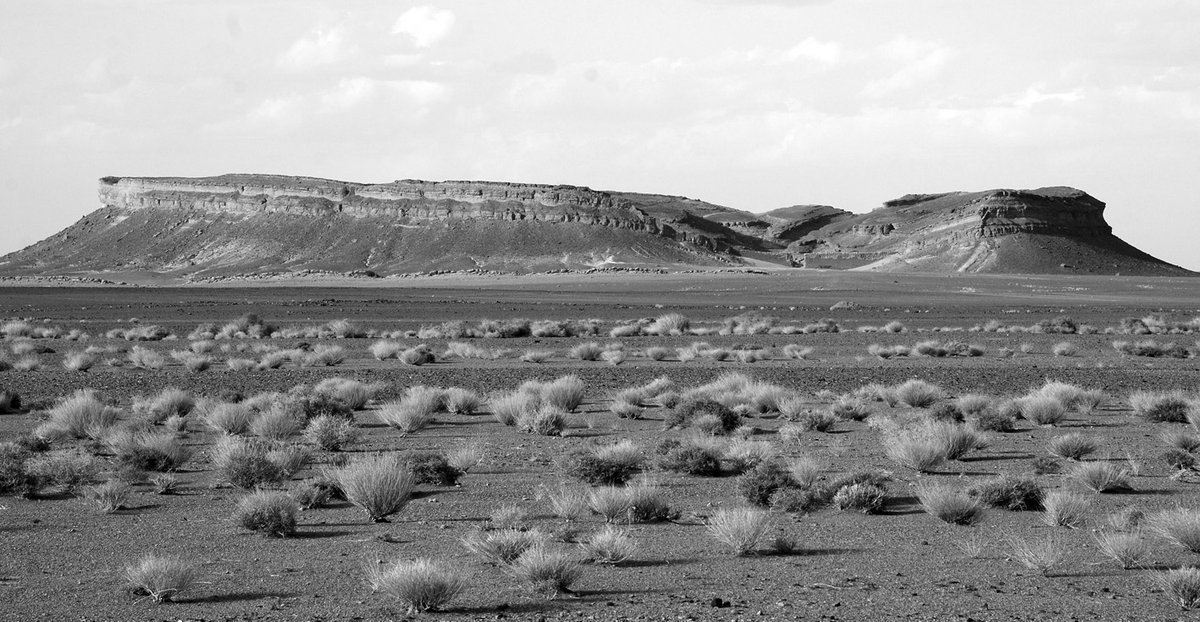

Jebel Mudawwar, also known as the round mountain, is a horseshoe-shaped limestone massif in the Tafilalt region. It is a natural funnel of rock, an erosion cirque where most of the perimeter consists of vertical rocks with scree at the bottom. From its heights, one can survey an area with a radius of about 50 km, providing far-reaching control over the surrounding landscape.
In the 11th century, the Almoravid dynasty likely had a fortress built here to protect the nearby trade city of Sijilmasa, where gold coins were minted. The fortifications included a wall of limestone blocks held together with lime mortar, reaching up to 12 metres high. This wall closed off the only opening to the massif - a ravine in the south. Additional defensive structures, including two higher walls and a bastion, were placed along the mountains to secure the site.
To manage water, dams were built in the canyons. On the plateaus, at least 27 man-made structures were constructed, many showing a uniformity of design with a central open space surrounded by separate rooms. These buildings may have been part of a large governmental campaign to build houses during a short period of time.
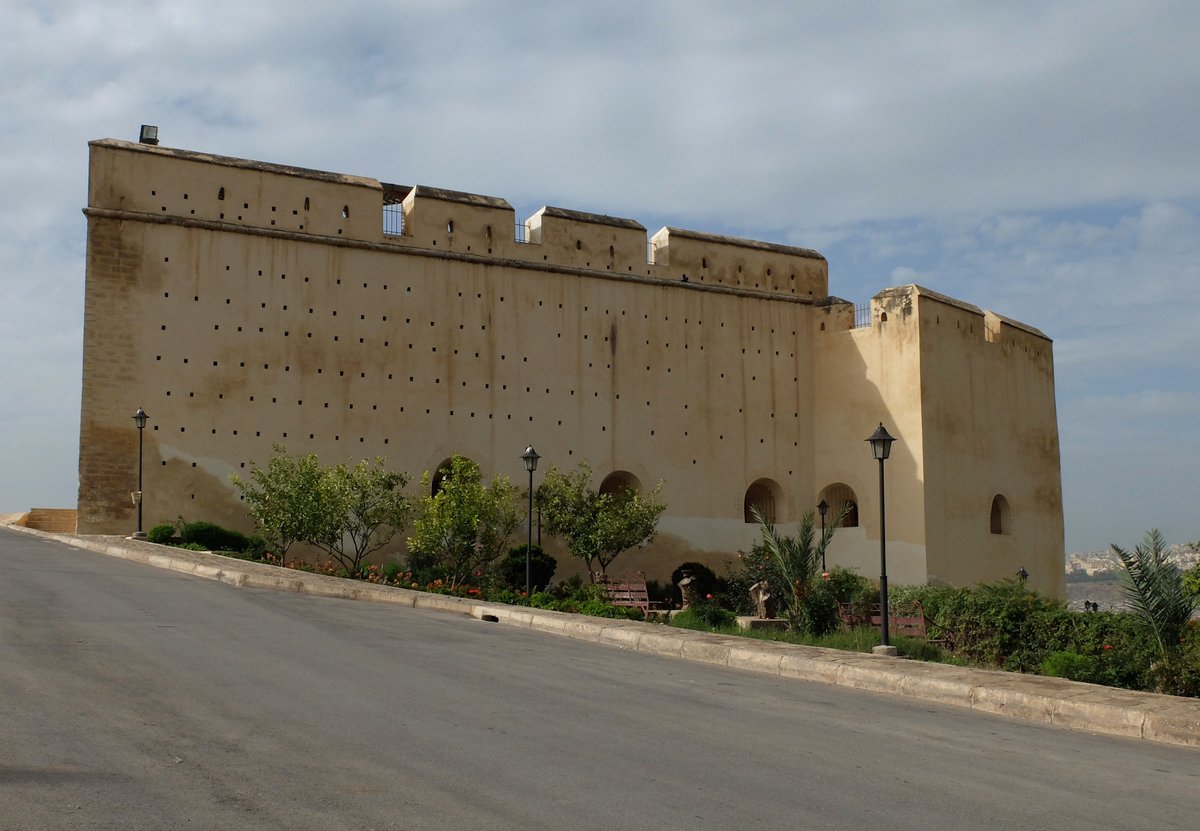
Today, Gara Medouar is a tourist attraction and a location for filming. Visitors can see the well-preserved walls and the dams, which evidence careful planning and architectural mastery. The site remains a significant example of how natural features were exploited to create a naturally formed fortress.
Sources: Wikipedia, OpenStreetMap, Wikidata, Wikimedia Commons
Written by Mutabor
Discuss this with the author and others
No comments yet. Be the first to start the conversation.