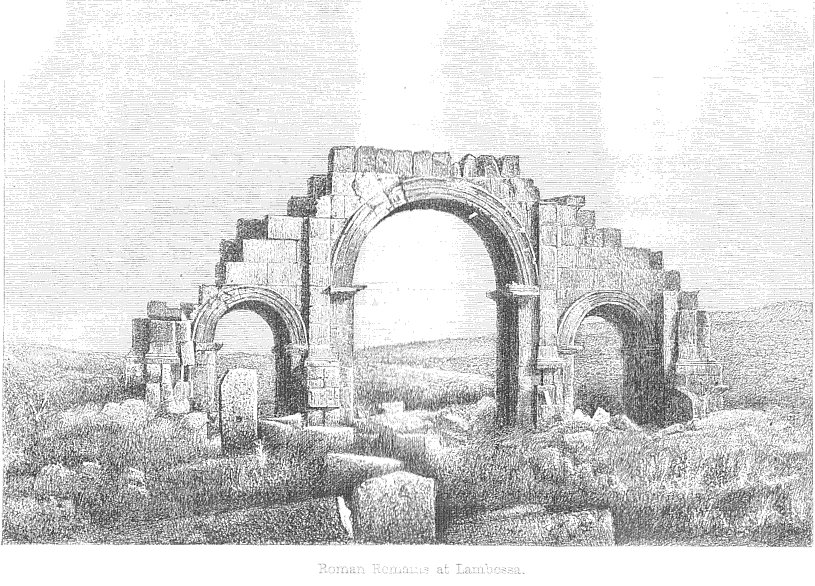

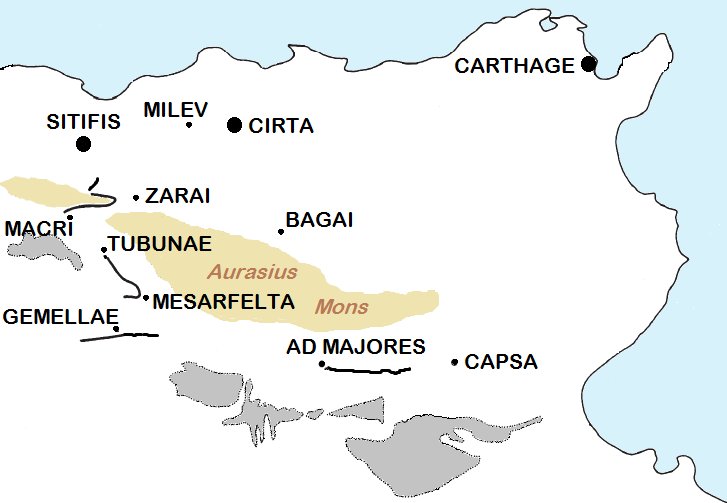
In the long shadow of the Aurès Mountains, the ruins of Lambaesis stand as a skeletal reminder of Roman power in Algeria. Here, the mighty Legio III Augusta carved a home into the earth. Some whispers say they arrived during the Punic Wars, while others claim the emperor Hadrian established them between AD 123 and 129. The site was so vital that when Diocletian divided the land, the legionary base became the capital of Numidia Militiana.
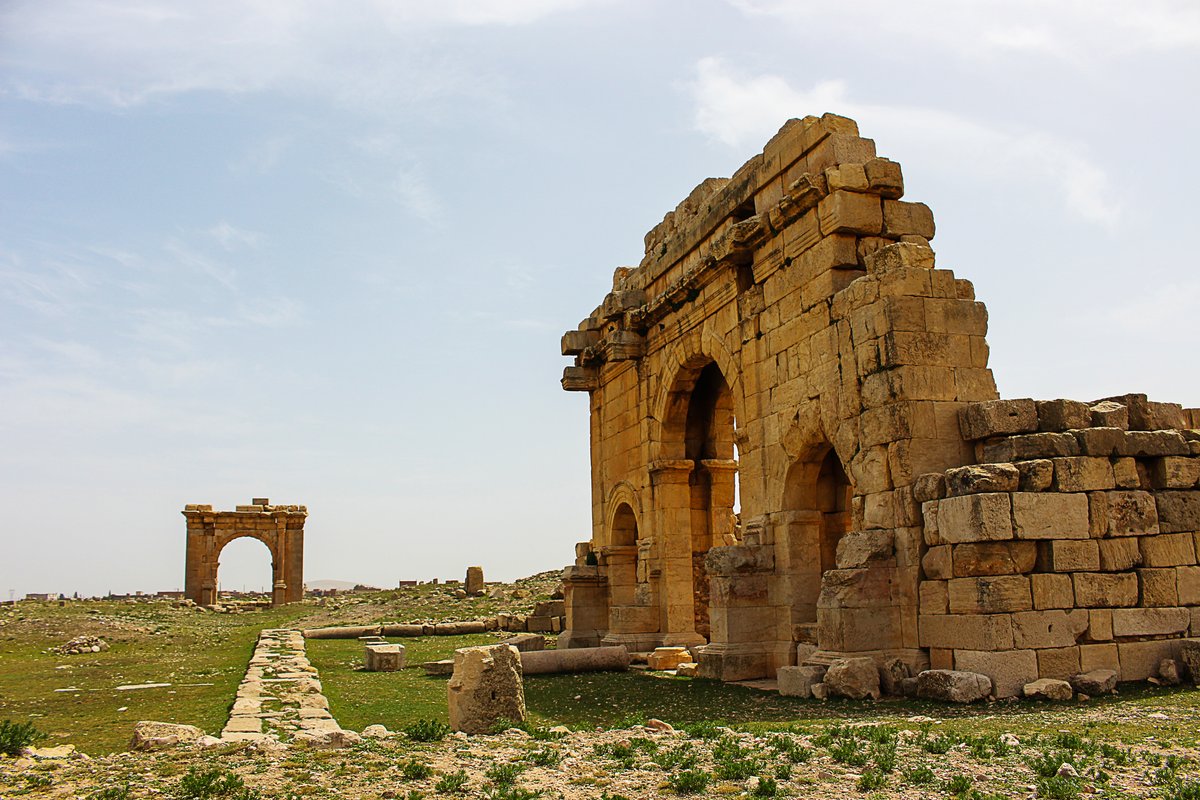
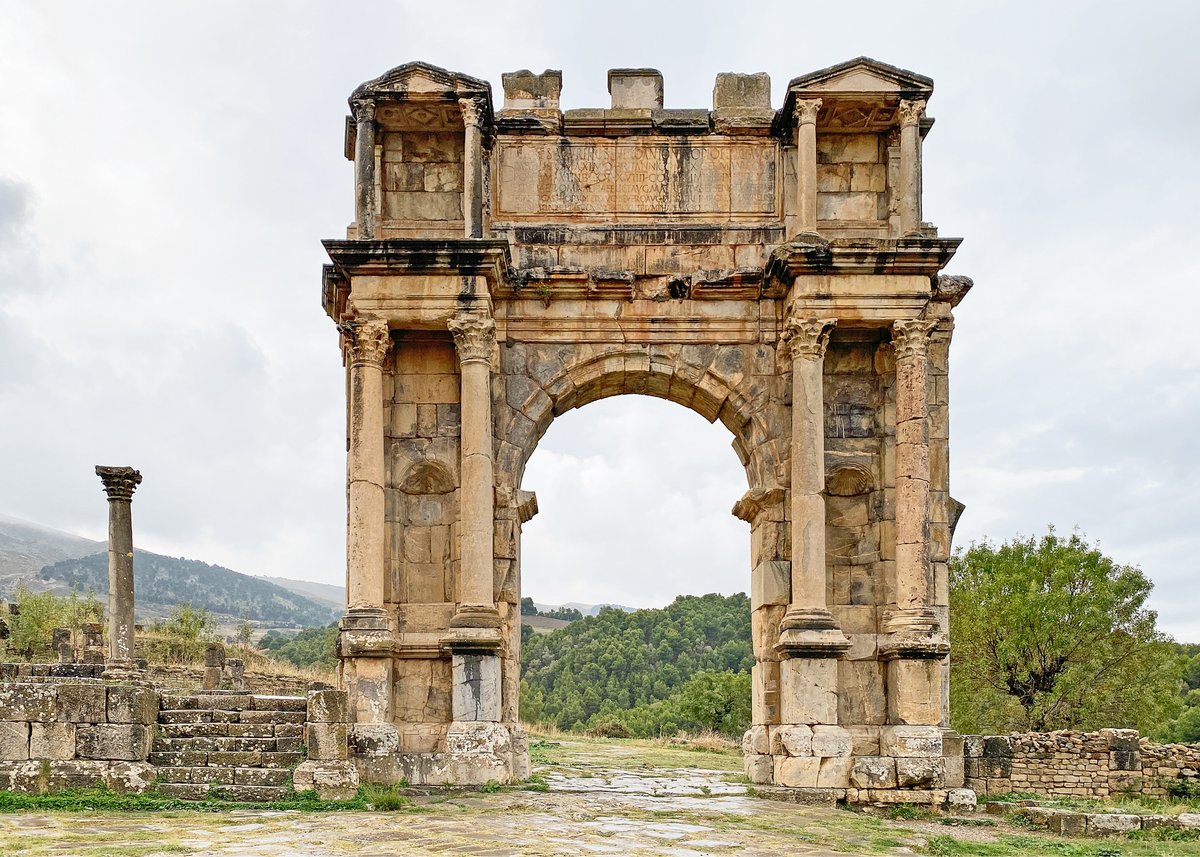
High at 622 m above the sea, the city clung to the plain and the spurs of the Djebel Asker. It was a place where Romanized Berbers and Roman colonists lived side by side, speaking Latin as their common tongue. Great triumphal arches rose for Septimius Severus and Commodus. Temples, aqueducts, the bones of an amphitheatre, and baths served the living until the land began to sour.
Time eventually broke the strength of the legion. After it was disbanded and restored, the final departure occurred after AD 392, leaving the town to waste away. Desertification swallowed the life of the province while the Byzantines visited in the sixth century. By AD 683, the Arabs took the land, and by the 10th century, the remains were known as Bar-el-Molouk.
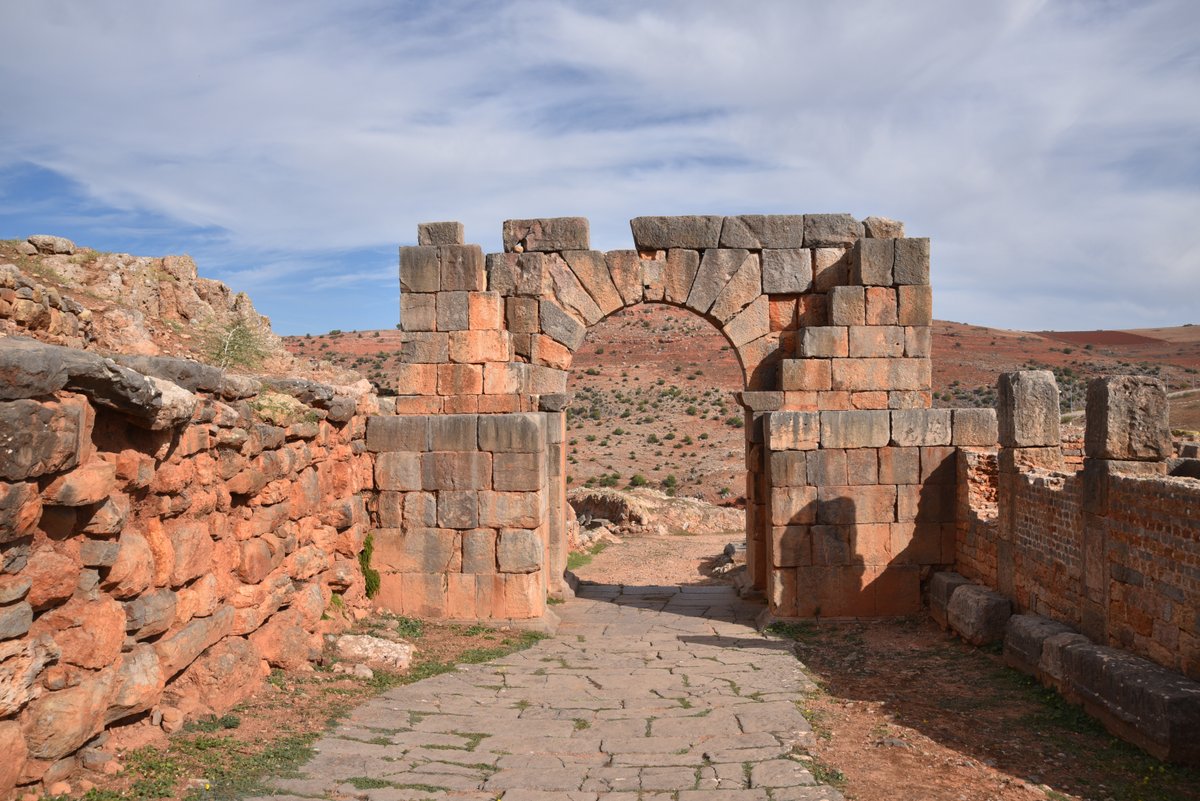
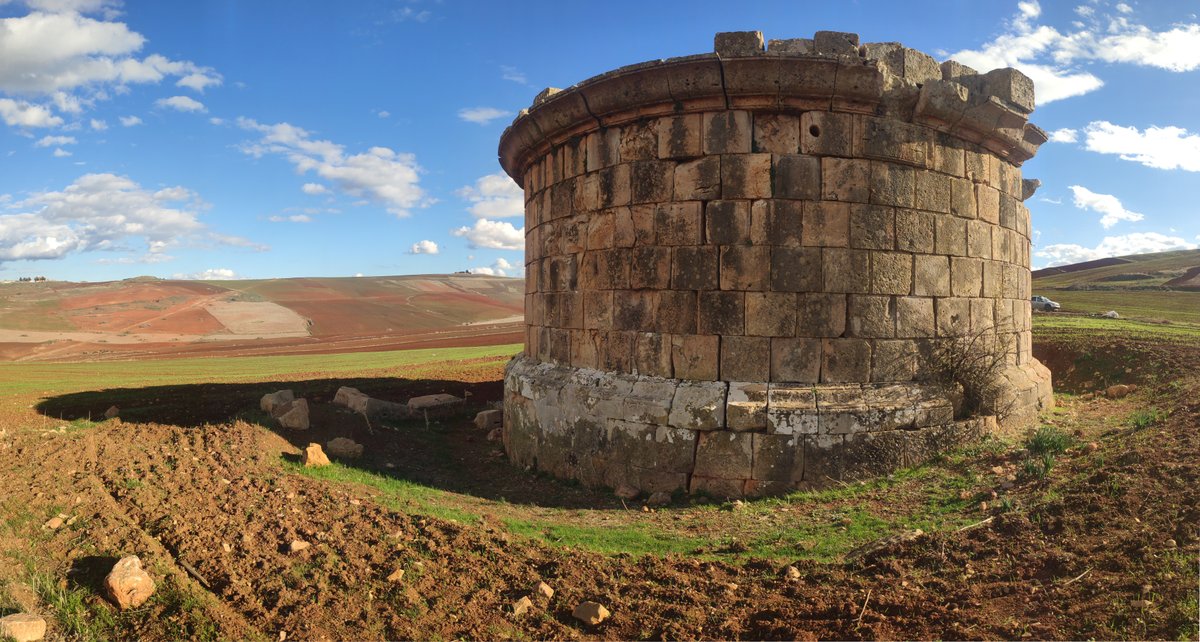
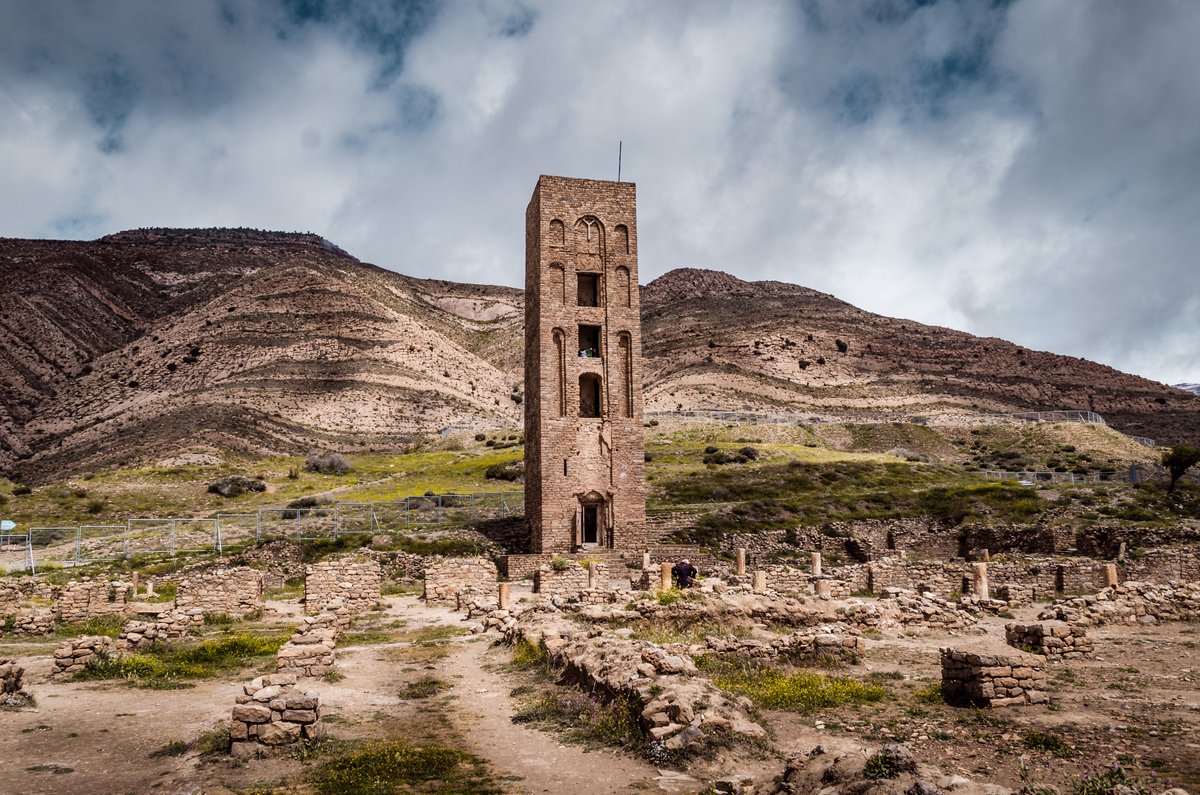
Today, the remains of the Roman town and camp linger in northern Africa as haunting ruins. To the north and east, cemeteries hold stones in their original alignments. To the west, stones were stolen to build the modern village of Tazoult. A lone column of the temple of Aesculapius still stands, a ghost of a facade that was once whole in the middle of the 19th century.
Sources: Wikipedia, OpenStreetMap, Wikidata, Wikimedia Commons
Written by Mutabor
Discuss this with the author and others
No comments yet. Be the first to start the conversation.