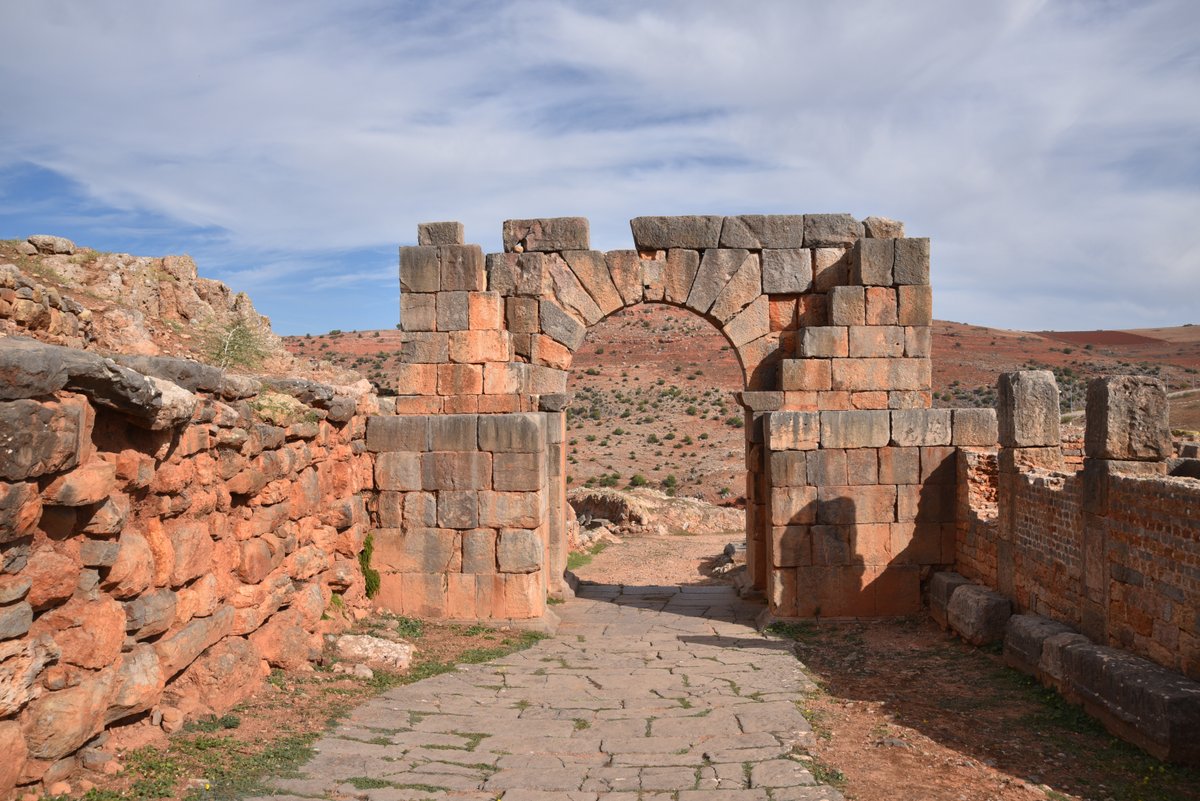

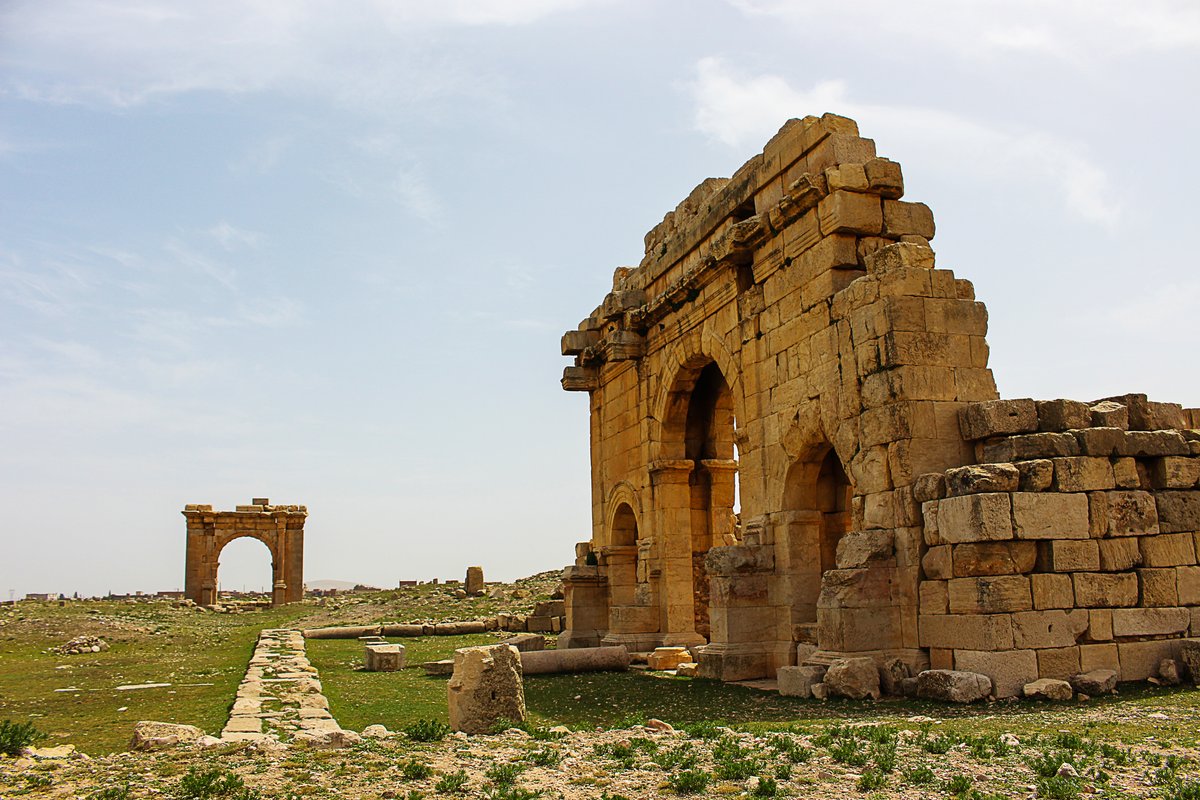
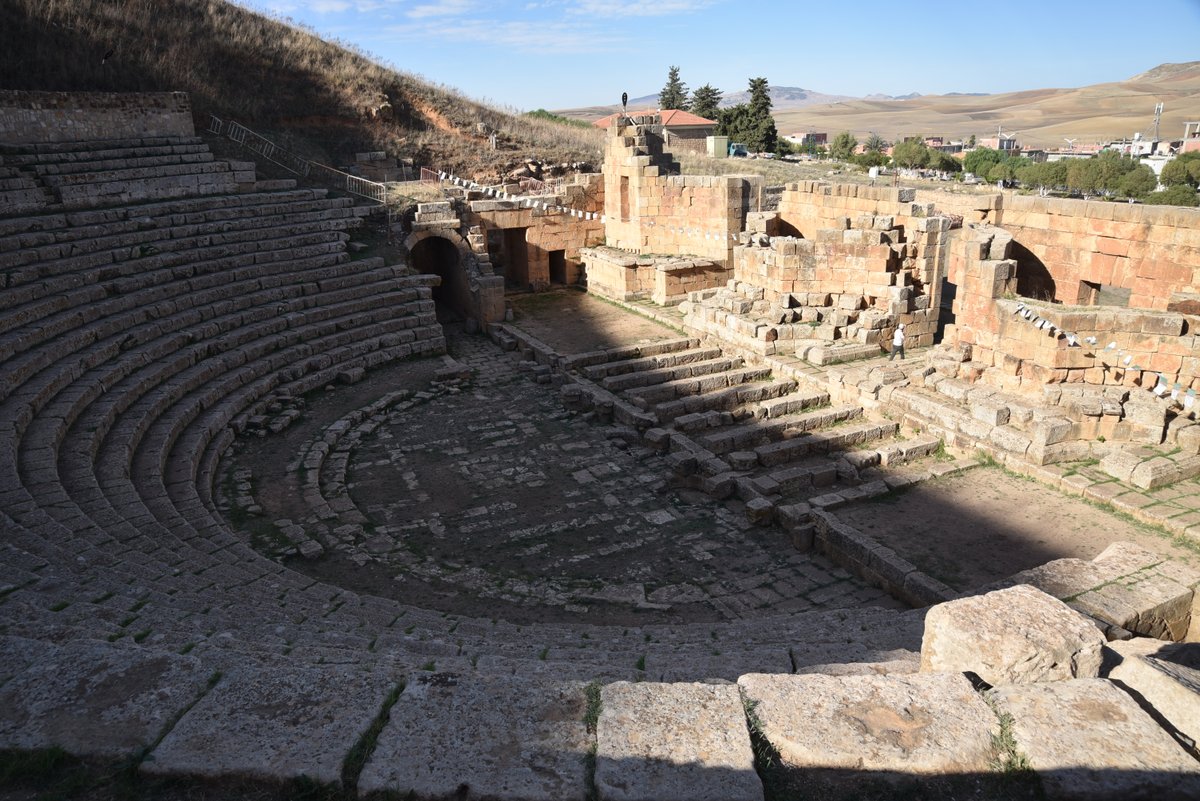
On a plateau in the Gorge of the Khreneg, the Romans built a settlement called Tiddis, also known as Castellum Tidditanorum. Part of the Confederatio Cirtense, it was administered by Roman colonists from Cirta and arranged according to their system of urbanization. The town featured a monumental gate, a forum, a small square, and a curia. Public monuments cleared at the site include baths and cisterns built by M. Cocceius Anicius Faustus in the middle of the 3rd century A.D, as well as a Temple of Saturn on the crag.
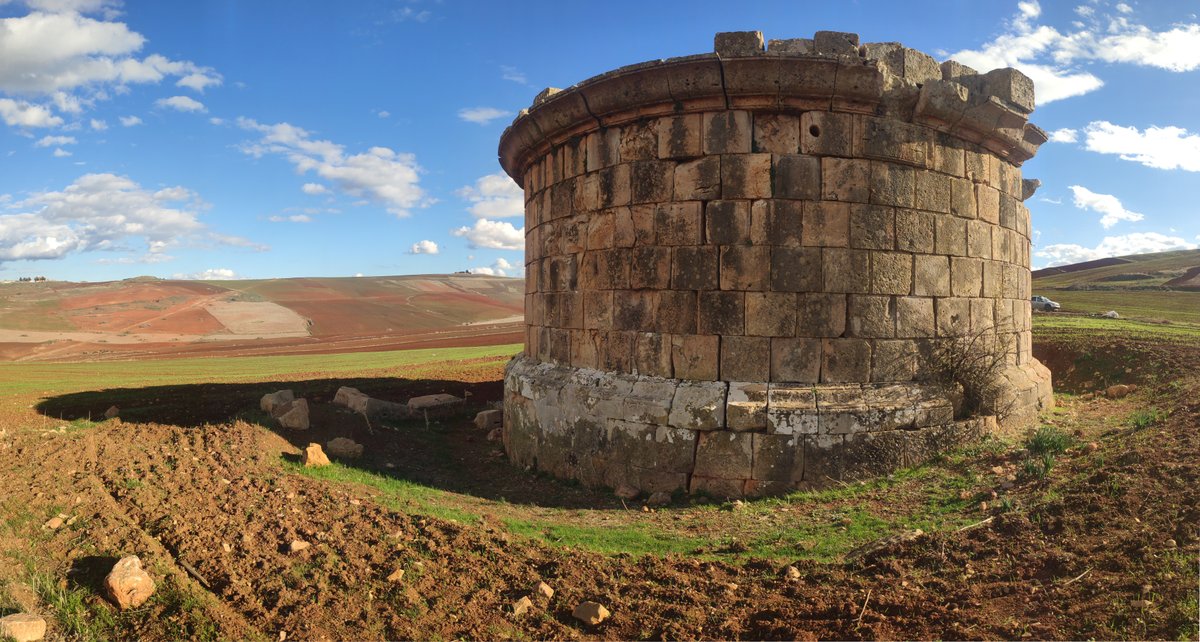
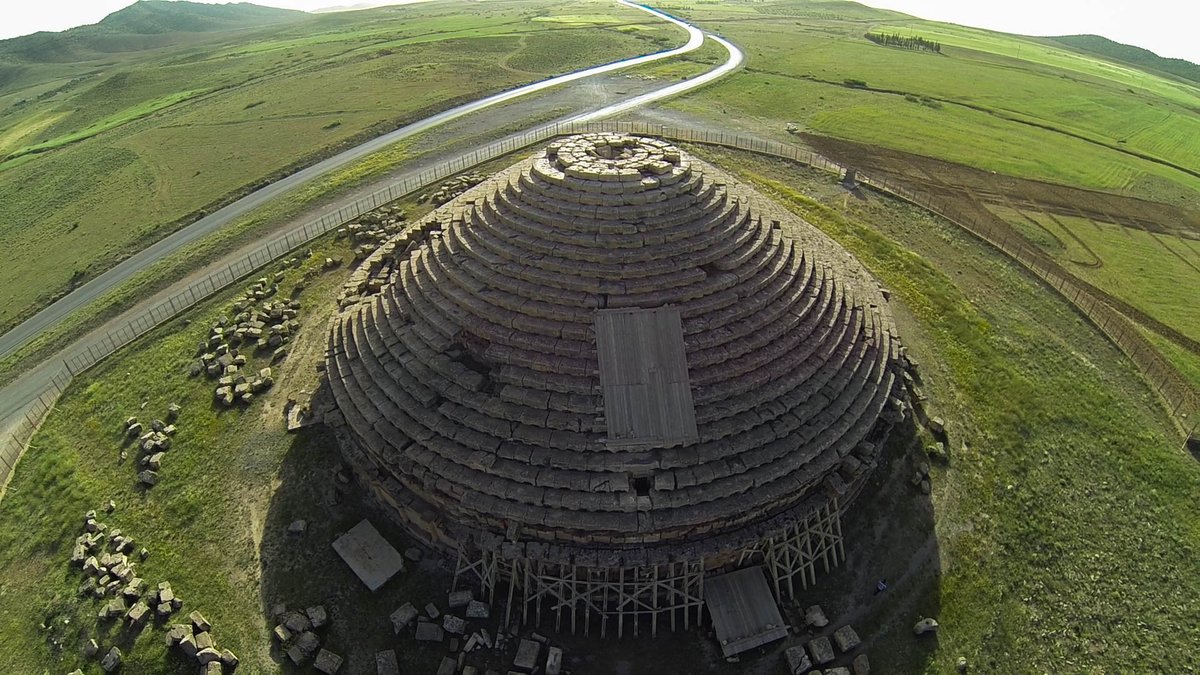
The town served as a prosperous center for families like the Lollii. Some kilometers to the north, a circular mausoleum remains, erected by Lollius Urbicus, a native of Tiddis who served as a prefect of the city of Rome under Antoninus Pius. While the native town became Romanized, the city eventually saw gradual abandonment because it lacked sources. Various castles and water tanks of different forms remain as reminders of this struggle to secure water.
Under Byzantine control, the site was the see of a diocese and contained two small churches. Records by Morcelli assign four bishops to this see, though other scholars believe they may have been bishops of Tisedi. One known bishop, Abundius, attended the Council of Carthage in 484. The local Romance-speaking community likely disappeared with the Arab conquest in the second half of the 7th century, though pottery shows that a small village with Christian inhabitants survived inside the ruins until the 11th century.
Today, the site is known as Res eddar, or the "peak of the House." Visitors can still follow the main street from the monumental portal up between the houses, passing the forum and the curia. The site preserves the presence of Roman civilization through inscriptions and pottery.
Sources: Wikipedia, OpenStreetMap, Wikidata, Wikimedia Commons
Written by Mutabor
Discuss this with the author and others
No comments yet. Be the first to start the conversation.