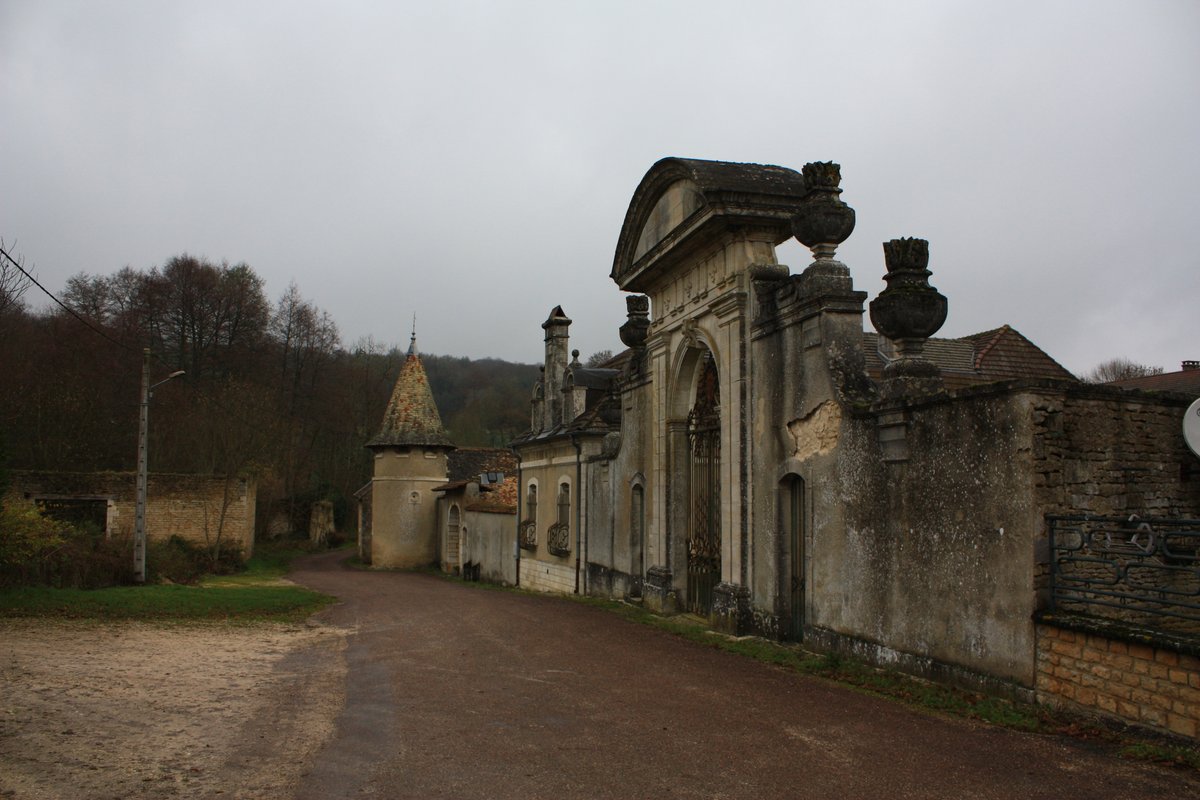

The Royal Abbey Saint-Nicolas de Septfontaines, located in Andelot-Blancheville in the Haute-Marne department, was founded in 1125 and entrusted to the Premonstratensians from its inception. The abbey developed quickly and gained royal protection. After difficulties in the 14th and 15th centuries, it was revived by reformed Premonstratensians, who occupied it until the Revolution.
In the 19th century, the abbey was purchased by T. Ducos, son of Théodore Ducos, a minister under Napoleon III. He restored the abandoned buildings, added new structures, and made it his residence. His descendants still manage the estate today. The chapel has been listed as a historical monument since December 23, 1925, while the entire group of buildings has been listed since December 2, 1996.
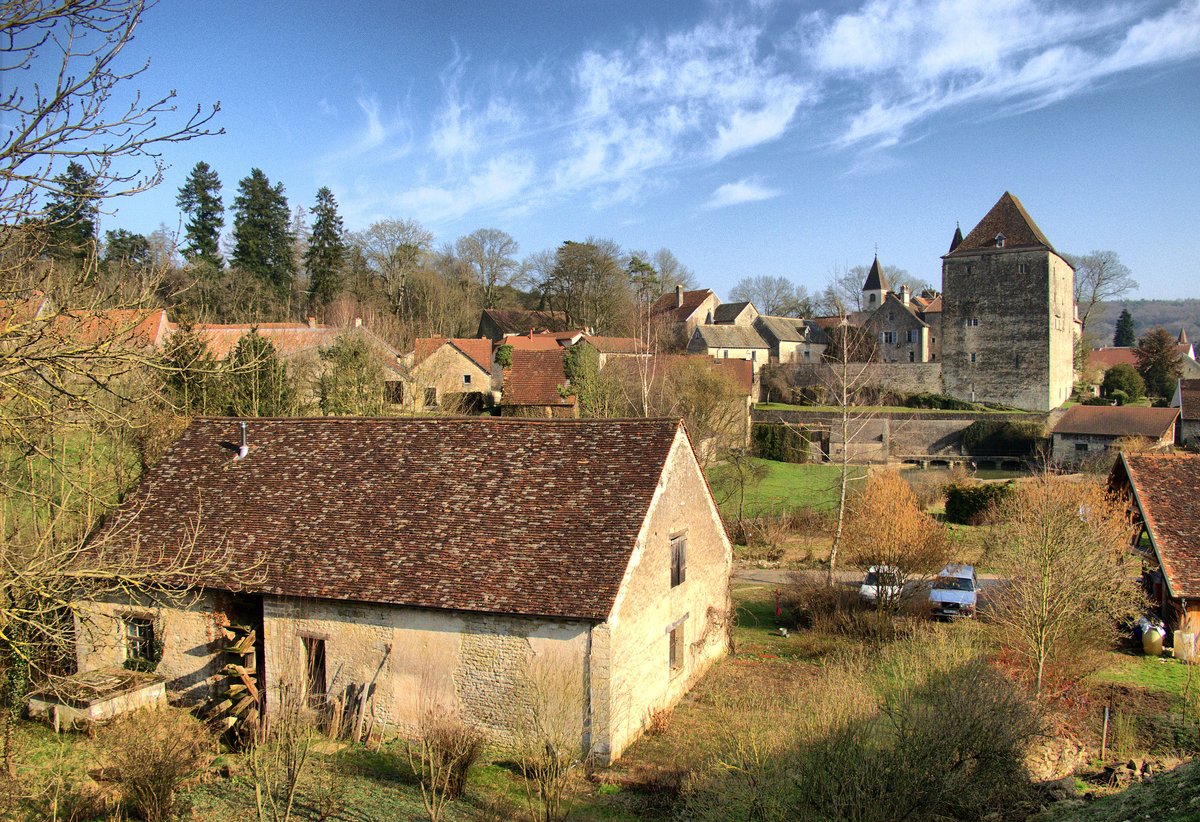
The abbey is a representative ensemble of Premonstratensian architecture of the antique rigor. It preserves the essential conventual buildings reconstructed in the 18th century, along with imposing remains of the abbey church and several outbuildings. Visitors can see the vaulted gallery of the old cloister, a remarkable 17th-century staircase that served as the former monks' refectory, and the church choir from the 17th and 18th centuries.
Other notable features include a bell tower restored in the 19th century in the form of a ruin, a fountain, a dovecote, a pavilion, an entry, and a monumental portal.
Sources: Wikipedia, OpenStreetMap, Wikidata, Wikimedia Commons
Written by Nicolo Ciampini
Discuss this with the author and others
No comments yet. Be the first to start the conversation.