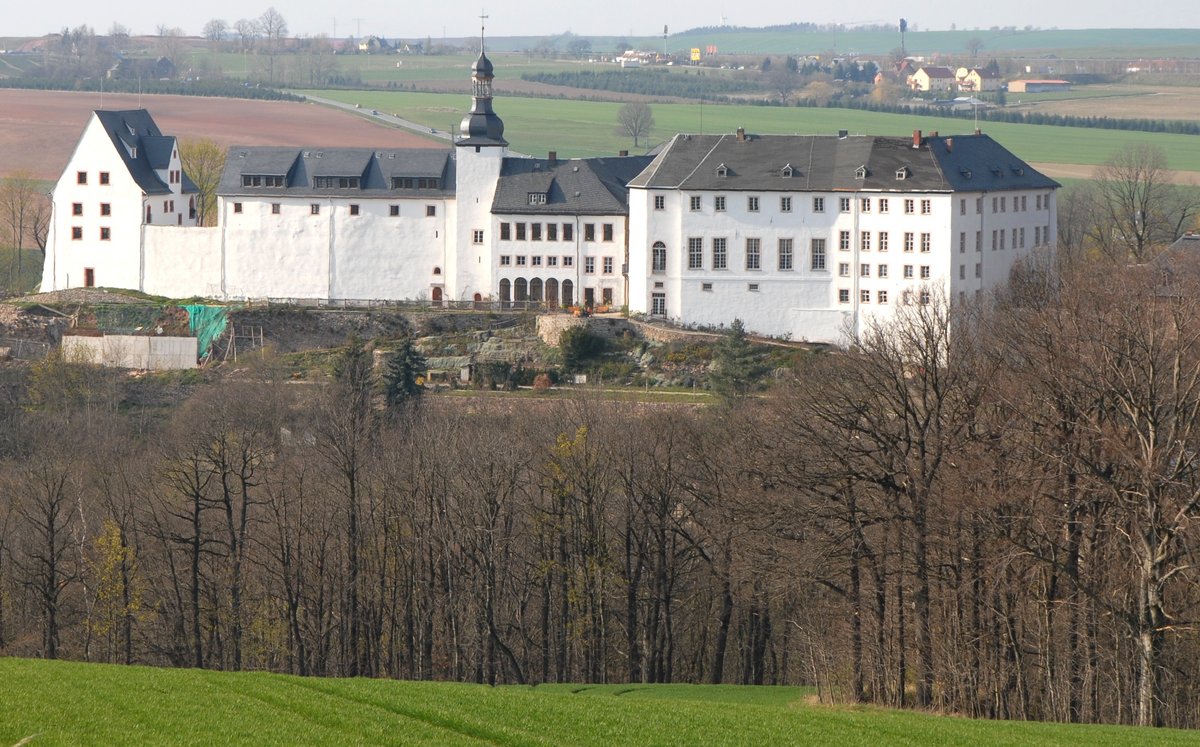
Soft echoes of 1700 linger upon silk wall coverings within the former countly living quarters. High atop a westward-facing spur, Schloss Wildenfels rests between the Zschocken-Wildenfels-Schönauer Bach and a smaller stream. The Lords of Wildenfels began building their castle here before 1200. Records name Jutta de Wildenvels inside by 1226, while 1233 mentions urbani de Wildenfels. This fief from the Imperial County of Hartenstein became an independent Lordship in 1440, spanning a tiny geography of one town, two villages, and six shares.
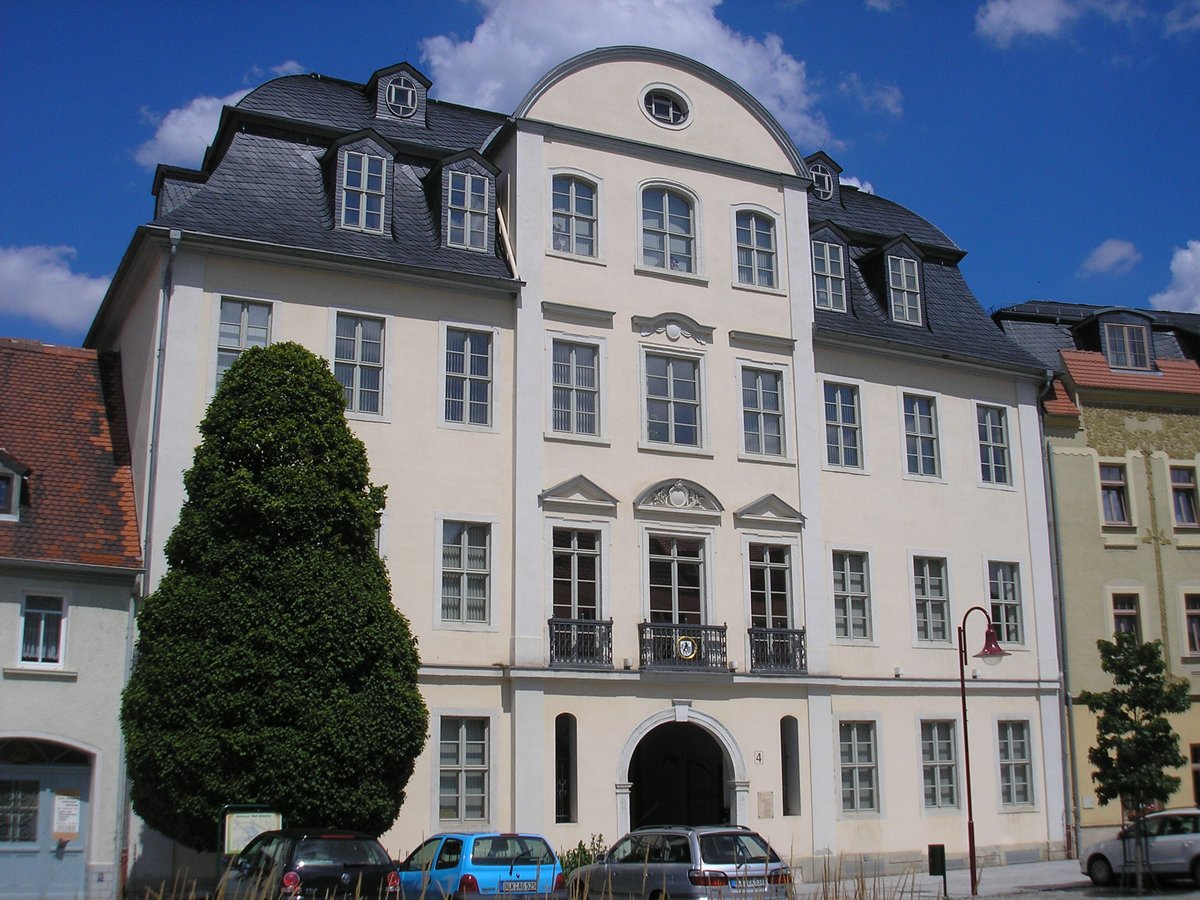
The western hill holds the oldest palas, once a granary. Most current structures rose after that original frame. In 1602, the noble line ended with Anarg Friedrich von Wildenfels, passing the estate to the Solms family. Under Count Friedrich Magnus I. and Caroline Sophie von Leiningen-Hartenburg, the castle blossomed into a cultural jewel. The countly couple were drawn to free-thinking and the fine arts, dedicating themselves to the renovation of the complex and the park, and the contemporary design of the rooms. Poets, thinkers, and painters were invited to the castle. In 1776, the Count founded the Masonic lodge Zum goldenen Apfel, creating a Court of the Muses at the foot of the Ore Mountains.
Today, the structure serves a new community. State property since 1945, parts of the grand house function as rented space. The grounds gained monument protection in 1971, followed by a major renovation in 1990. Now, the castle houses a branch of the Clara Wieck district music school and the Wildenfels city library. Guests may still find the Chinese Cabinet containing rare 18th-century silk. This transition from aristocratic sanctuary to a public house of music and books serves the current inhabitants of the library and music school.
Sources: Wikipedia, OpenStreetMap, Wikidata, Wikimedia Commons



Written by Aurora
Discuss this with the author and others
No comments yet. Be the first to start the conversation.