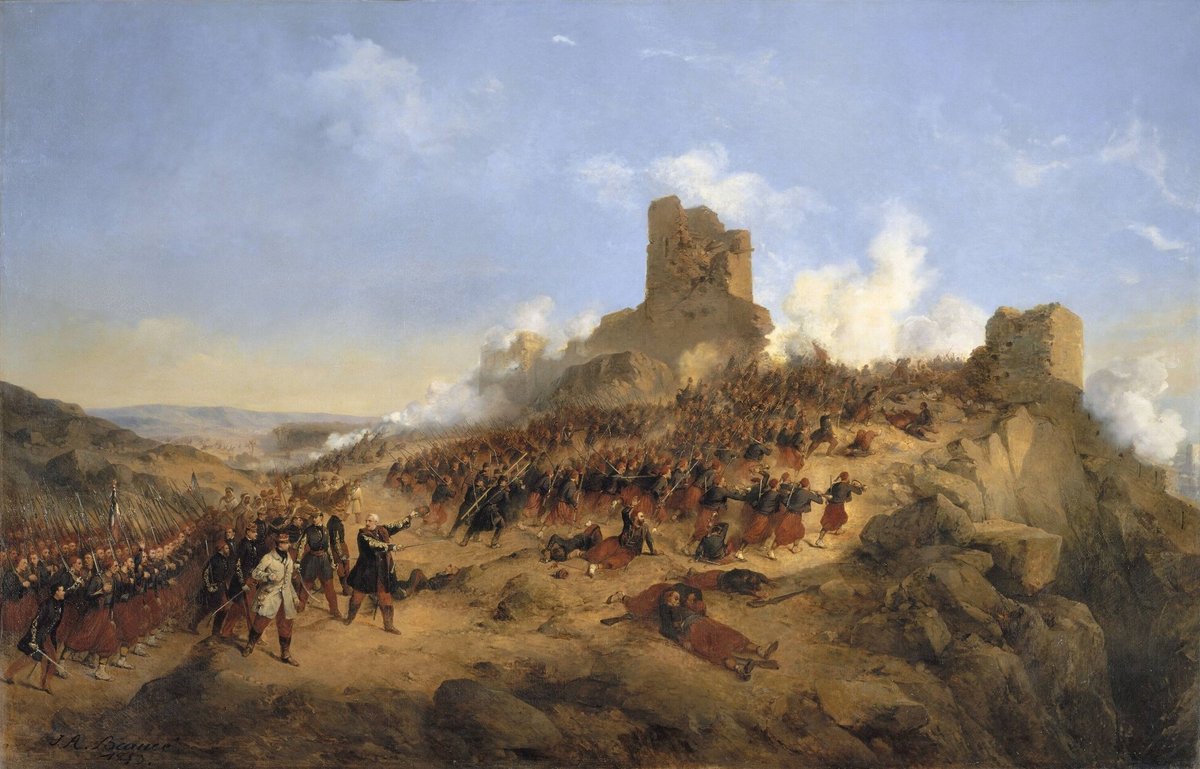

At the end of 1852, Laghouat became a hotbed of unrest. An armed revolt launched by Mohammed ben Abdallah gained traction in the oasis, which provided a strategic location for access to southern Algeria. To suppress the revolt, three French columns intervened. One was led by General Aimable Pélissier, who commanded an army of 6,000 soldiers.
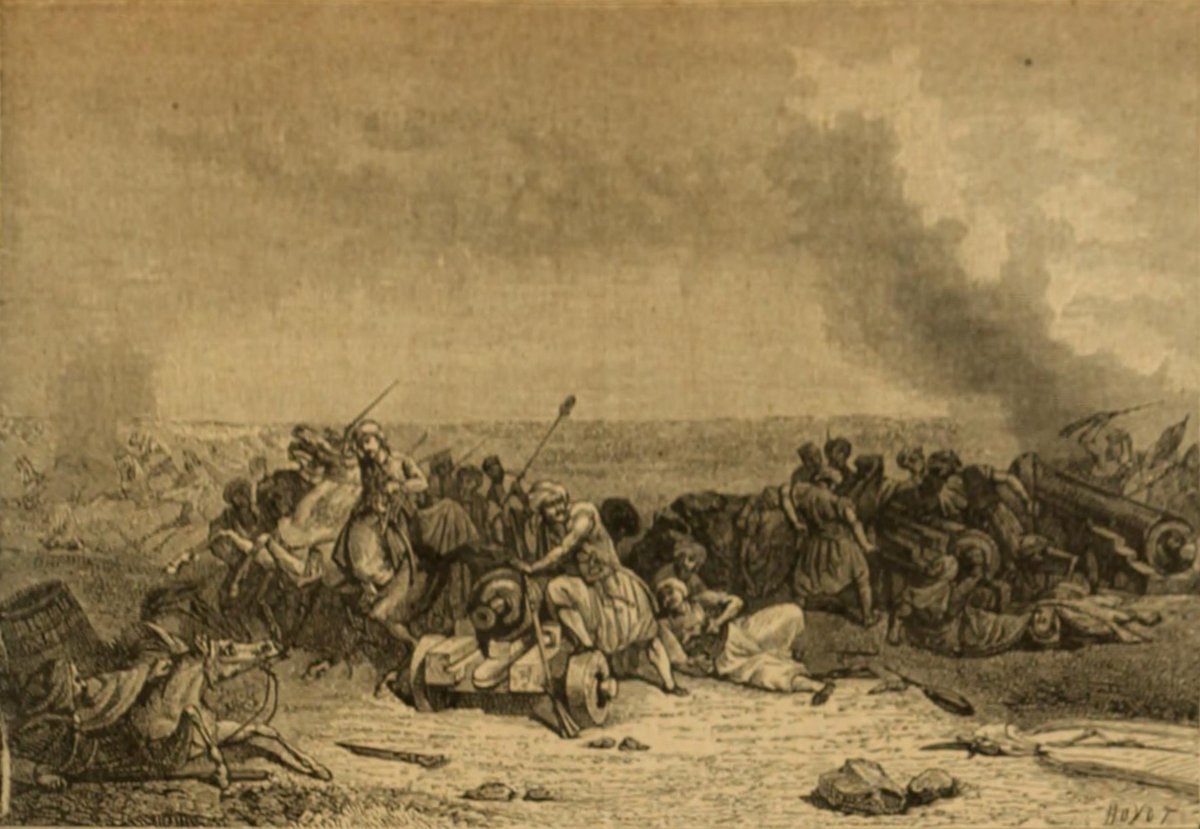
General Pélissier besieged the city of Laghouat from 21 November until 4 December 1852, when the city capitulated. The brutal treatment of the inhabitants was part of a scorched earth tactic and included one of the first recorded instances of using chemical weapons on civilians. The storming of the city turned into several days of massacres to punish the population, who were treated as combatants. During the battle, several French soldiers died, including General Bouscaren, which added to the fervor of the French troops.
About two thirds of the remaining 4,500 inhabitants, totaling 2,500 to 3,000 people including women and children, were massacred. This left a deep trauma that endures today. The year is still known to the inhabitants as 'the year of the Khalya', meaning emptiness. It is also known as 'the year of Hessian sacks', referring to how surviving men and boys were put alive in sacks and thrown into trenches.
Following the massacre, surrounding tribes and cities like Ghardaïa, Metlili, and Ouargla sought peaceful agreements or treaties to keep their autonomy under French protection. To protect their sons from the French forces, surviving women began a tradition of dressing young boys as girls and putting an earring in one ear, a tradition that has survived until today.
Sources: Wikipedia, OpenStreetMap, Wikidata, Wikimedia Commons
Written by Mutabor
Discuss this with the author and others
No comments yet. Be the first to start the conversation.