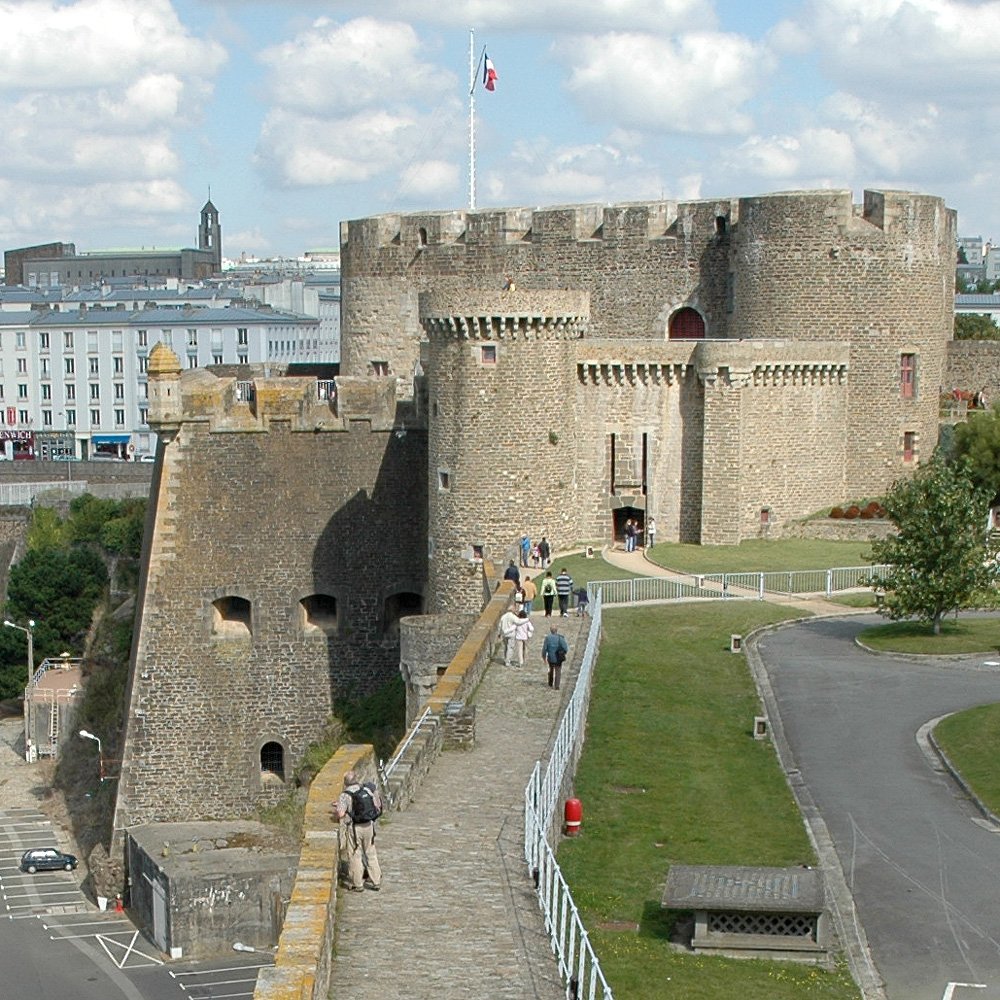

How do you construct a fortress that outlives seventeen centuries of carnage? You take a jagged rocky outcrop at a river mouth and refuse to budge. The Château de Brest sits on a natural spur carved by the Penfeld. It is a piece of real estate so perfect that it provides a natural harbor, offering a protected haven for ships. It remains the oldest castle in the world still in use, having served its original role as a military fortress and strategic location since the Roman era.
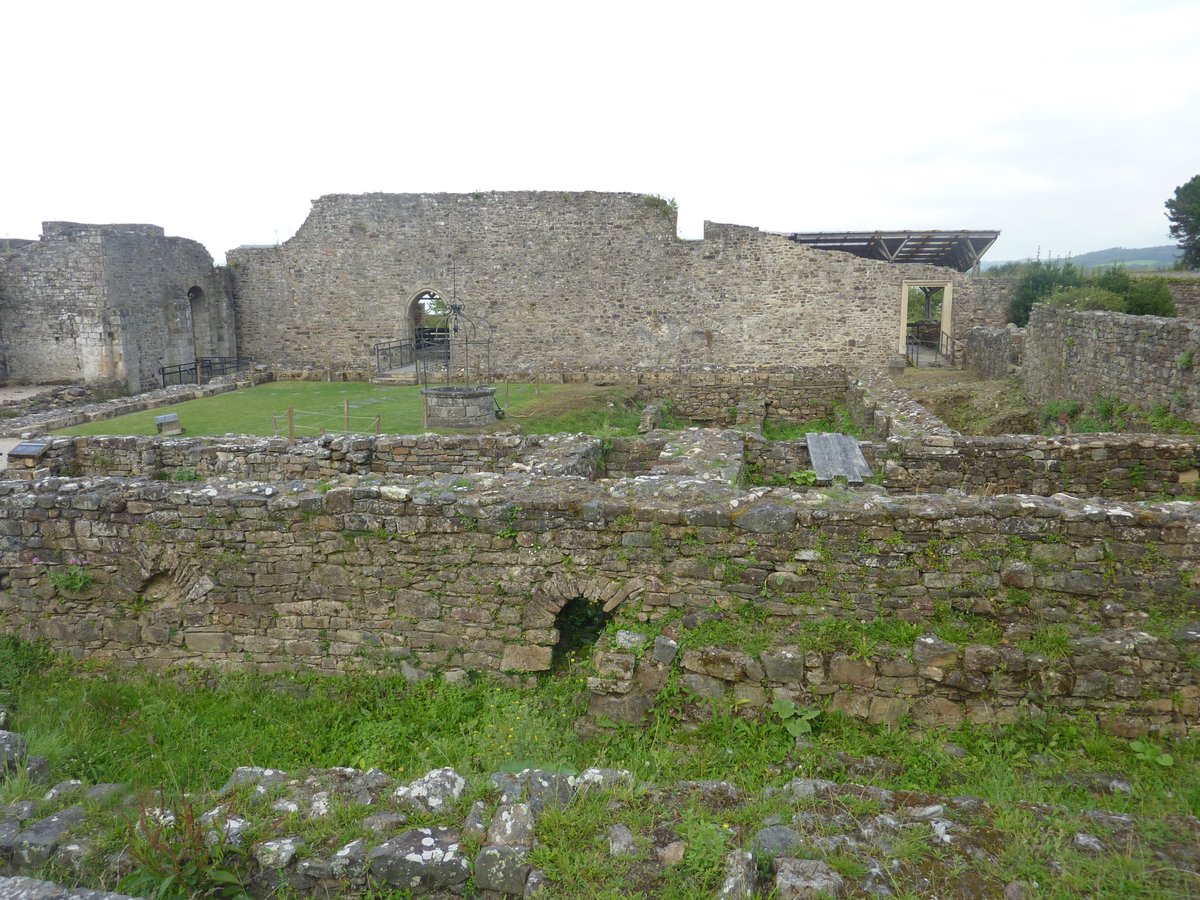
Why are Roman walls currently hidden beneath a car park? Because the Romans erected a defensive work at the end of the 3rd century to create a camp or castellum. This site housed 1000 men and a fleet designed to intercept pirate ships. You can still see the brick and stone patterns of the opus mixtum, where the two materials alternate in a fish-bone pattern. This 4-meter thick fortified wall, with 10 cylindrical towers, defends the point and forms a bar across the spur.
Does the architecture look like a messy pile of stone? It should. The structure's heterogeneous architecture is the result of continual adaptations to developments in siege warfare and armament on land and sea. From the Roman castellum to Vauban's citadel, the site has over 1700 years of history. You can walk the exterior paths to see the castle as it stands on the opposite bank to the Tour Tanguy, together defending the entrance to the Penfeld.
Sources: Wikipedia, OpenStreetMap, Wikidata, Wikimedia Commons
Written by Nicolo Ciampini
Discuss this with the author and others
No comments yet. Be the first to start the conversation.