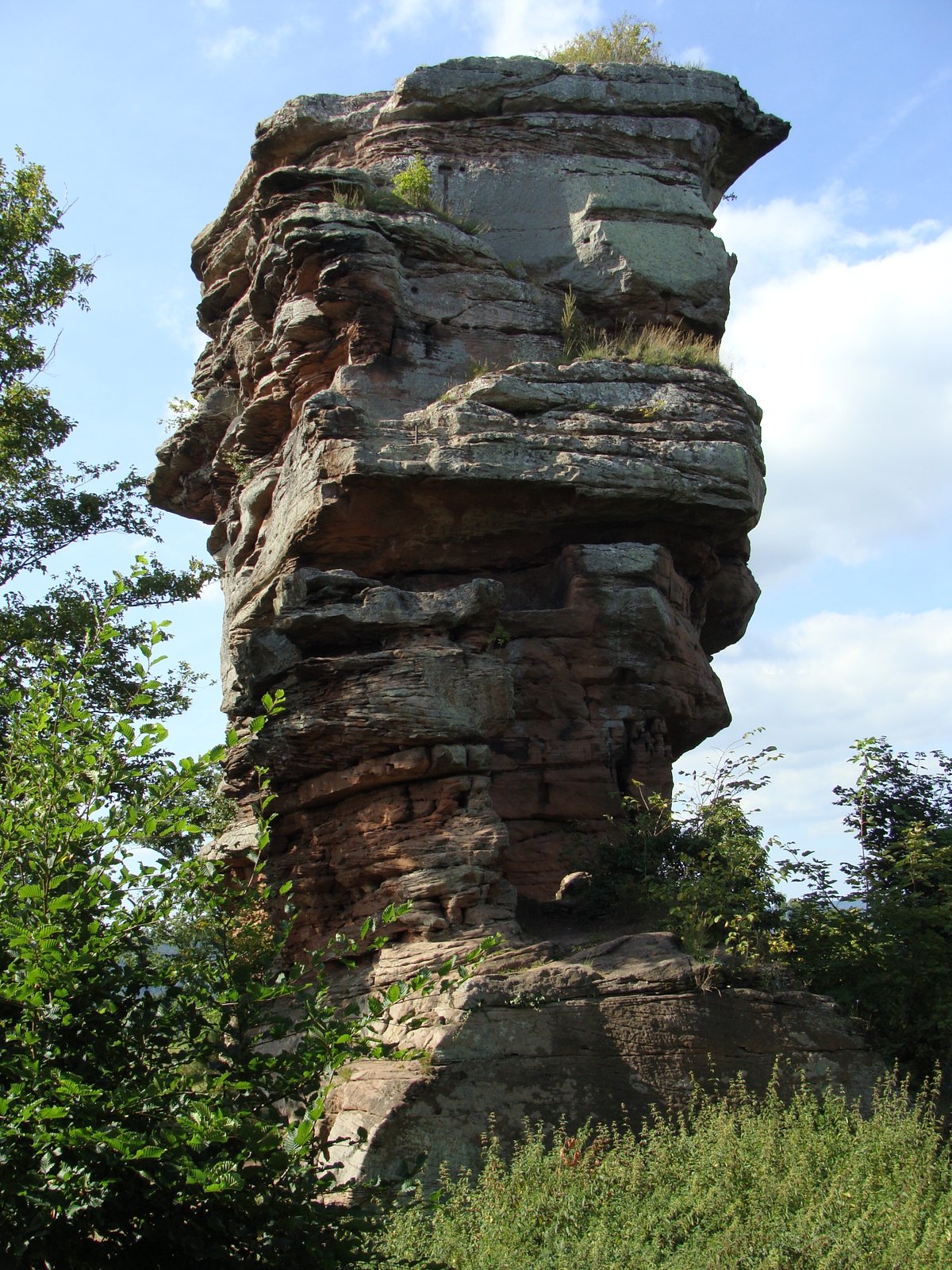
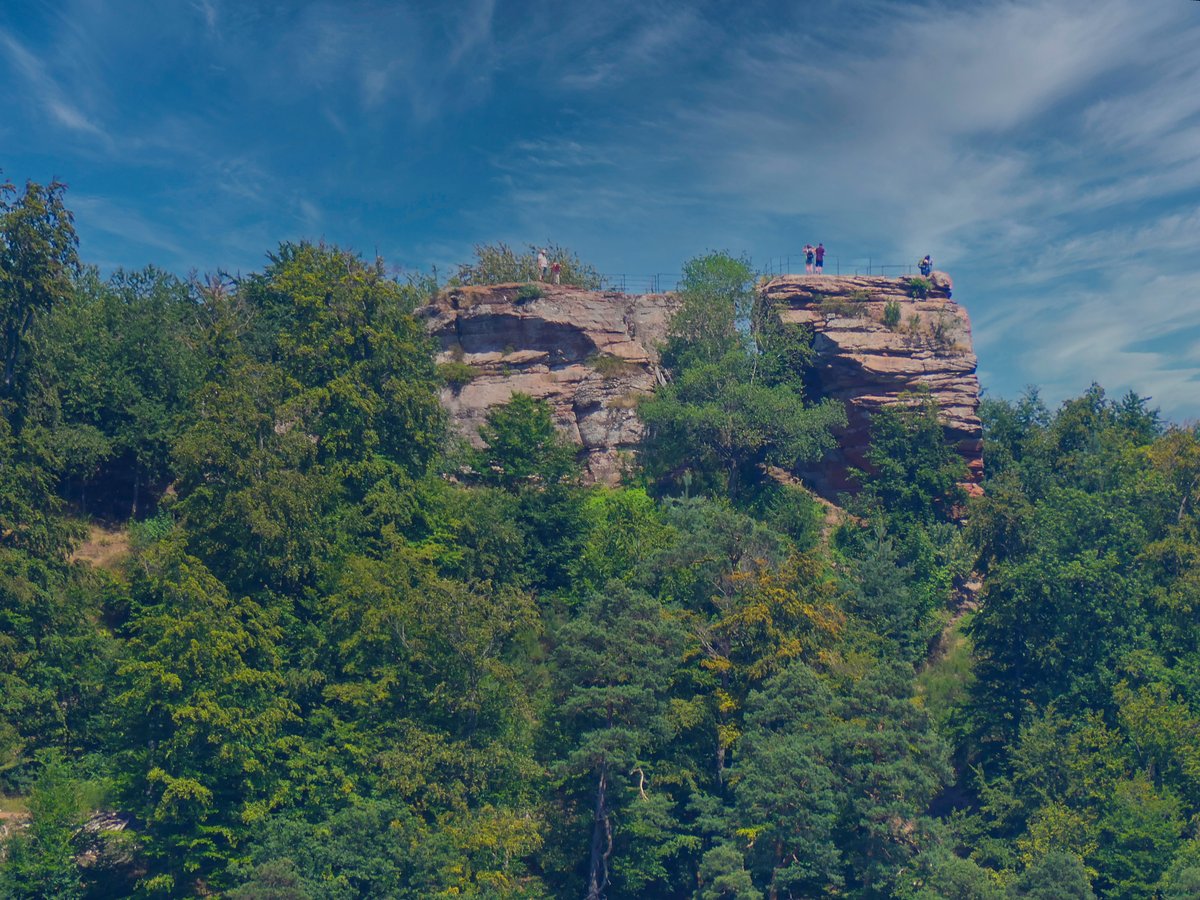
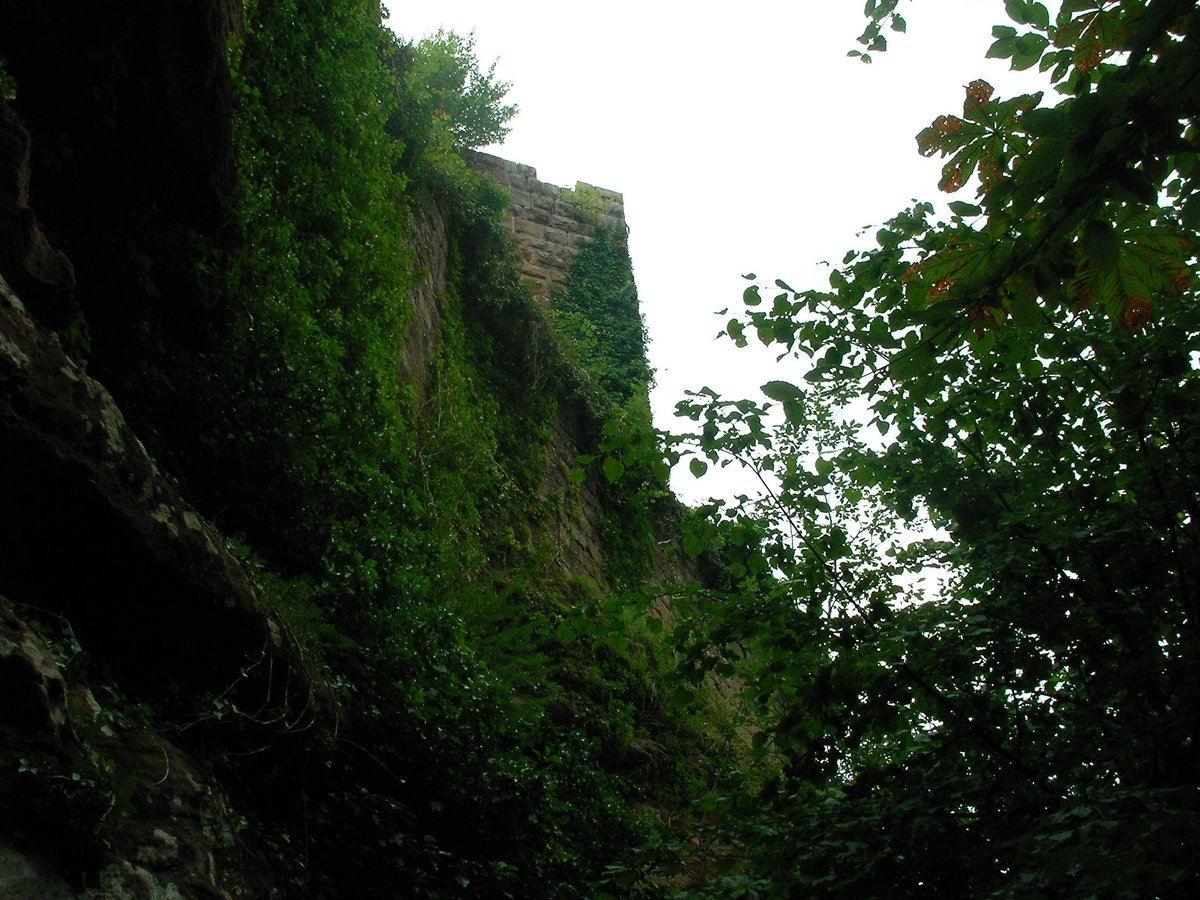
The name Anebos likely carries the weight of the German word for anvil. It sits atop a rocky ridge rising 300 metres from the surrounding landscape of the Palatinate Forest. Here, the terrain dictated the architecture, creating a rock castle where traces of stonemasonry are visible directly on the rock.
Construction began at the dawn of the 12th century. It served as the ancestral seat for the lords of Anebos, a family of ministeriales. These were not mere landed gentry; they were high-ranking administrative officials who served the Holy Roman Emperor directly. Their proximity to the throne is evidenced by the company they kept. In 1194, Marshal Eberhard of Anebos marched alongside Emperor Henry VI during a campaign against Italy. By 1196, his brother had taken up the mantle of the marshalship.
Records of the family are sparse, appearing primarily between the late 12th century and the middle of the 13th century. In the mid-1200s, the name Eliza of Anebos surfaces in the archives, noted as a widow of a marshal in three separate years. By the middle of the century, the House of Anebos seems to have vanished from the page.
The transition of power revealed a rigid legal reality. When the lineage failed to produce a male successor, the feudal tenure expired. The castle passed to the family of a seneschal, Philip I of Falkenstein. However, the law of the land required the property to revert to the crown. His wife, Isengard, eventually transferred the castle back to King Conrad IV of Germany. This administrative handoff is one of the few clear threads left in the final years of the site's primary history, with the last written record dating to 1266.
Archaeological work since 2000 has clarified the site's final chapters. While the records may end in the 13th century, the earth shows that people lived here until the 14th century. There is no evidence of a siege, no scorched earth, and no debris of a violent siege. The inhabitants simply moved out, leaving the stones to the forest.
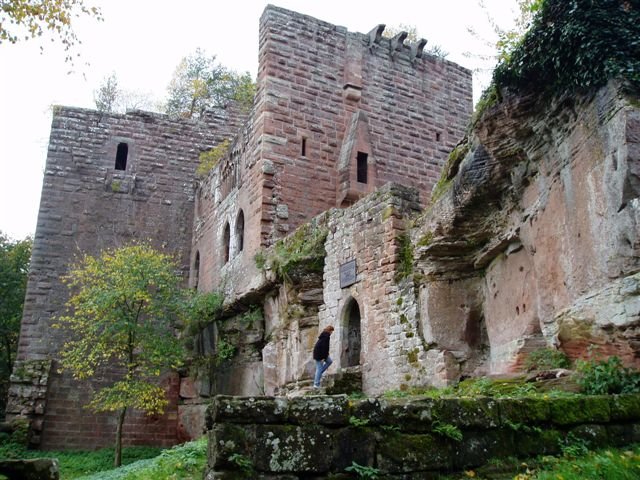
Today, the remains are quiet. A few sections of wall persist against the ridge, and a large cistern sits in the grass. For a long time, researchers mistook this cistern for a cellar until modern excavations corrected the record. It is a place of still air, where the work of the masons remains visible on the rock.
Sources: Wikipedia, OpenStreetMap, Wikidata, Wikimedia Commons

Written by Aurora
Discuss this with the author and others
No comments yet. Be the first to start the conversation.