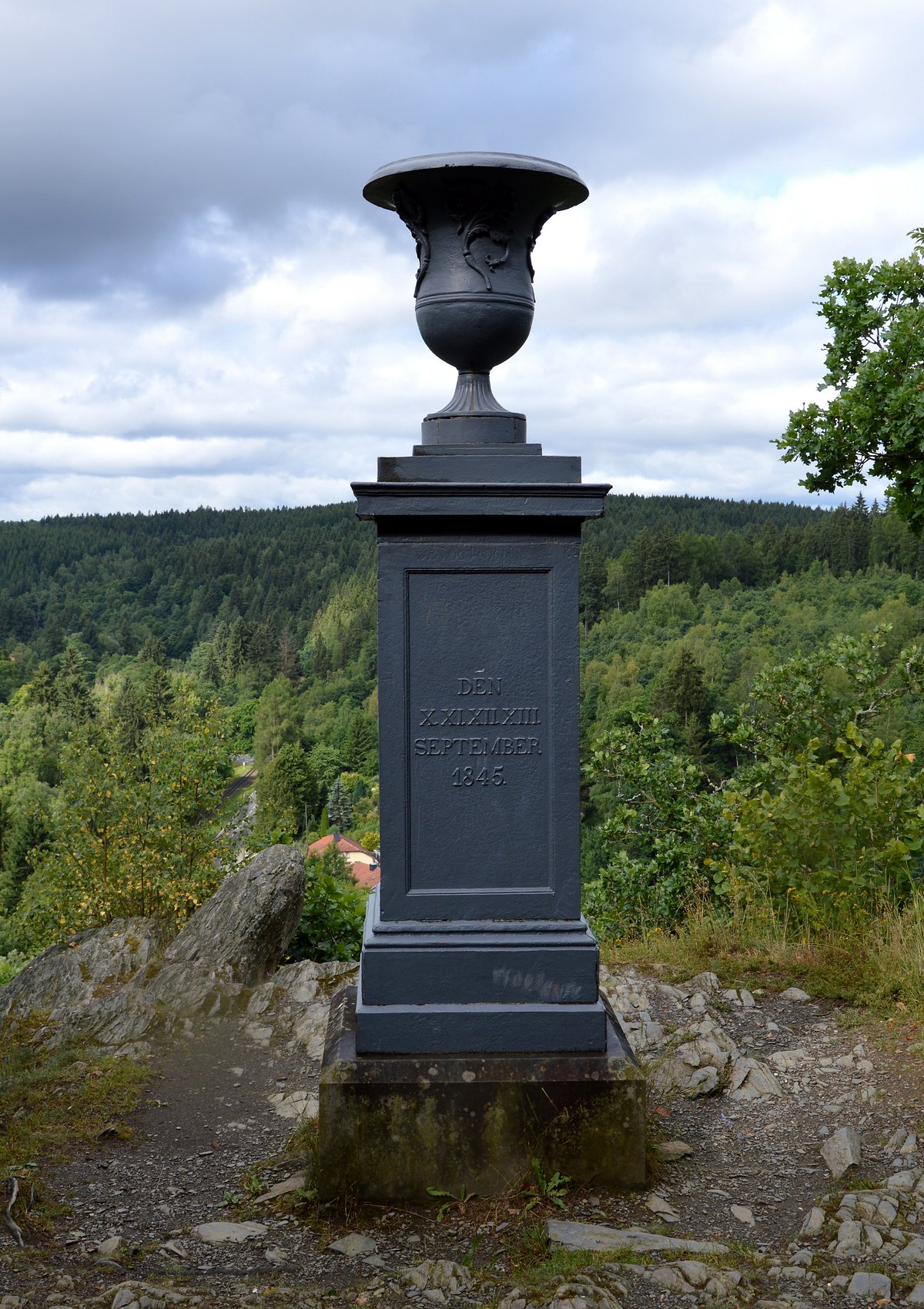
A heavy cast-iron urn sits upon a rock spur at the edge of the Selke Valley, its hollow belly holding nothing but the mountain air. It is known locally as the Verlobungsurne, the Engagement Urn, a name that carries a specific weight of romantic expectation. Yet, the history of the object is a study in the distance between public myth and private reality.
In September 1845, six noble young couples from the Kingdom of Württemberg traveled to the spa town of Alexisbad. They spent four days - from the 10th to the 13th - staying at the spa. This gathering was a social event of significant standing, a moment of collective leisure for the era's elite. To mark the occasion, Fürst Hugo zu Hohenlohe-Oehringen, Duke of Ujest, donated the monument to commemorate their stay.
The sculpture was forged in an iron foundry in Silesia, owned by the industrialist derer von Hohenlohe. It was designed in the style of Romantic Classicism, featuring a large vase-like top decorated with intricate floral motifs of cast iron. It sits on a high pedestal with four distinct faces of relief. The east side carries the dates of that 1845 weekend. The south side lists the names of six women: Caecilie, Caroline, Clementine, Friederike, Malwine, and Pauline. Opposite them on the north side are the men: Alwin, Bruno, Karl, Herrmann, Hugo, and Otto. The west side, facing the valley, remains blank.
Despite its popular name, there is no historical record to suggest that a single engagement actually took place during those four days. The name Verlobungsurne is a folk label, a story told by the locals and tourists over generations. The monument serves as a memorial to a shared experience rather than a specific union of hearts. It is a sturdy piece of industrial artistry that captures the history of a moment in time.
Time took its toll on the iron before the modern era began. Severe weathering forced the monument to be dismantled in 1960. It was restored in 1961 at Mägdesprung as part of the National Reconstruction Work using original parts. The monument was last renovated in 1992.
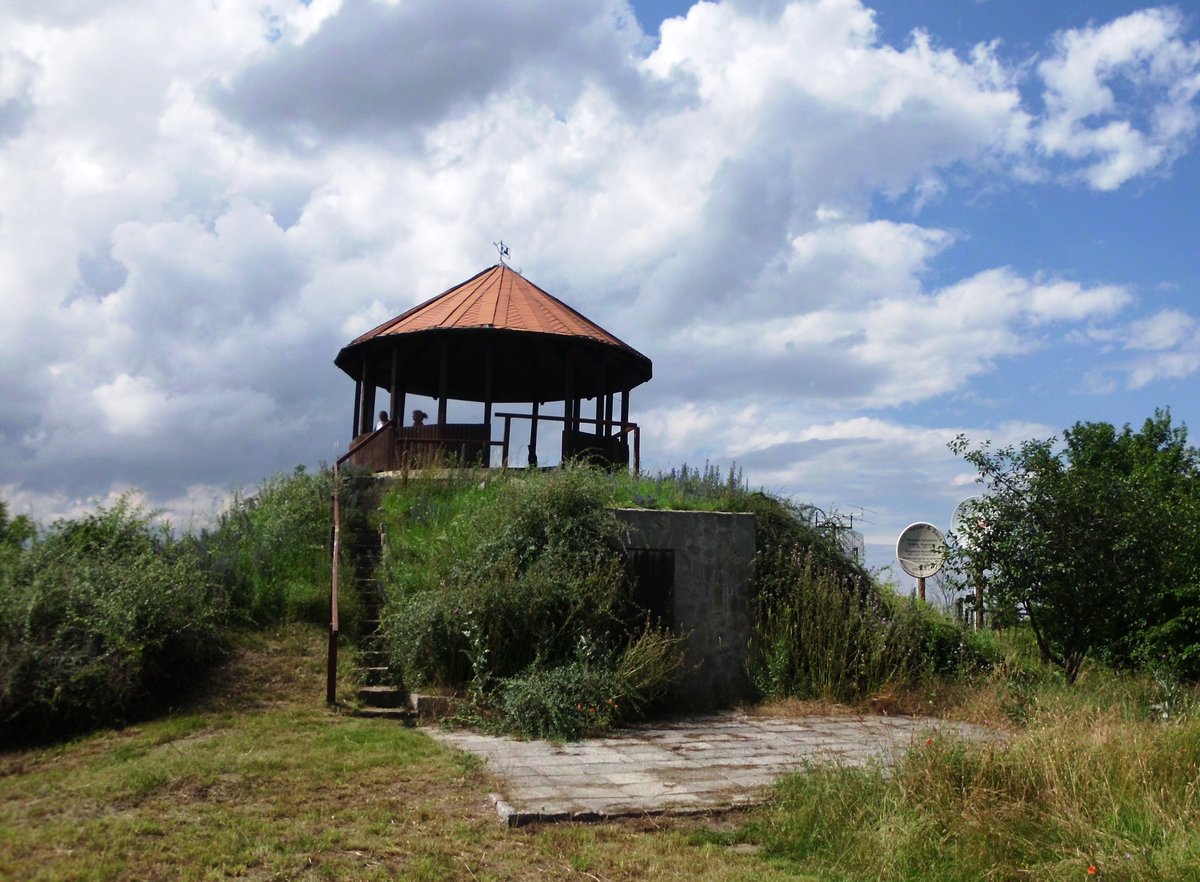
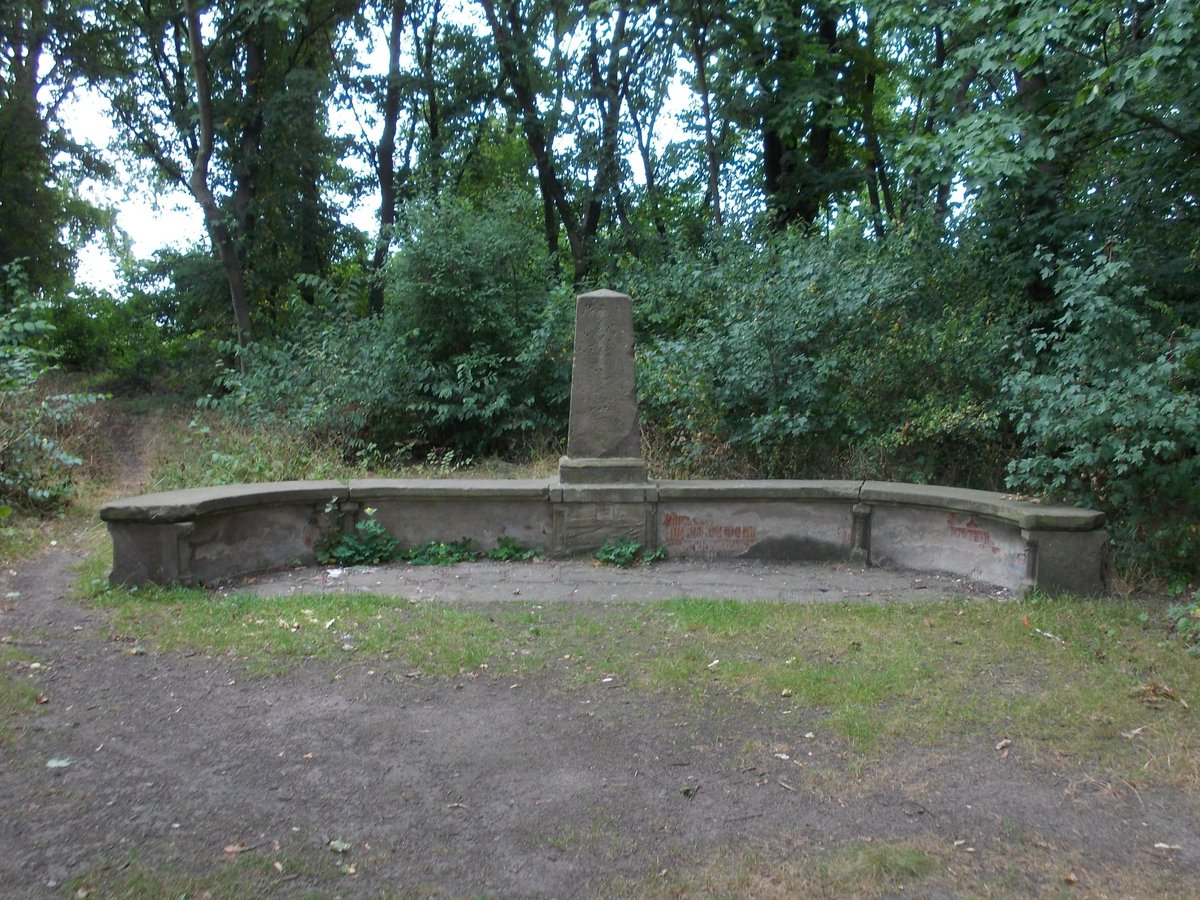
Today, you can find the urn on the Klippenweg, positioned at 330 meters above the valley floor. It stands as a quiet witness to the Selketalstieg hiking trail. Nearby, a small shelter named Am Habichtstein provides a resting place for those walking the path, where hikers can collect stamp 177 of the Harzer Wandernadel. The urn remains, a heavy, beautiful contradiction of permanent iron and a fleeting weekend of history.
Sources: Wikipedia, OpenStreetMap, Wikidata, Wikimedia Commons
Written by Aurora
Discuss this with the author and others
No comments yet. Be the first to start the conversation.