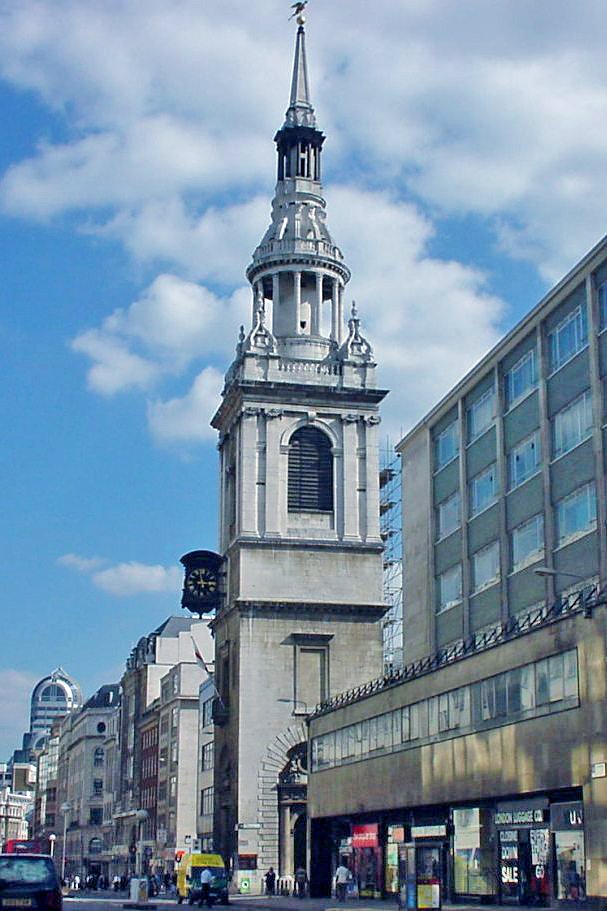

Traditionally, anyone born within earshot of the bells of St Mary-le-Bow was considered to be a true Londoner, or Cockney. The church is also known for its bells, which feature in the nursery rhyme "Oranges and Lemons".
Founded in 1080 by Lanfranc, Archbishop of Canterbury, the church was built as part of a Norman policy to dominate London. It was constructed from Caen stone from Normandy, the same stone used in the Tower of London. The early church featured round stone arches, which were a novelty at the time, leading to the name Sancta Maria de Arcubus - or St Mary of the Arches. Over time, this became St Mary-le-Bow, as "bow" was an old name for arches.
The church has a long history of destruction and rebuilding. In 1196, a fire caused by a fugitive hiding in the tower destroyed much of the building. Later, during the Great Fire of London in 1666, the church was nearly completely destroyed, though the tower survived with fire damage. While attempts were made to repair the tower, it remained structurally compromised.
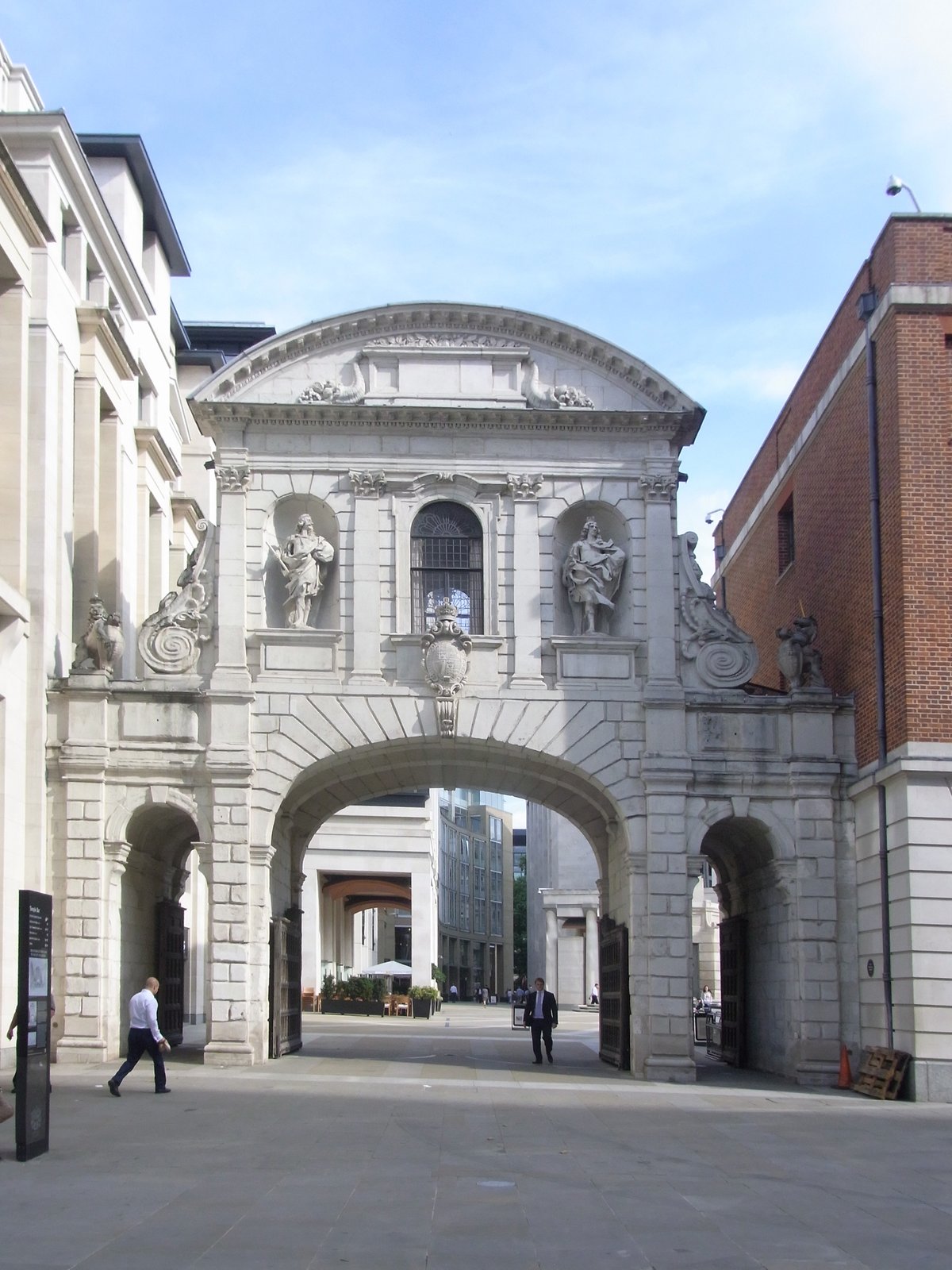
Following the Great Fire, Sir Christopher Wren rebuilt the church. It is the third highest of any Wren church and was his second most expensive project, surpassed only by St Paul's Cathedral. During the Second World War, the interior was reduced to a shell by the Luftwaffe, but the church was restored to its pre-war condition between 1956 and 1964. It still houses the Court of Arches, an ecclesiastical court of appeal founded in 1251.
Sources: Wikipedia, OpenStreetMap, Wikidata, Wikimedia Commons

Written by Nicolo Ciampini
Discuss this with the author and others
No comments yet. Be the first to start the conversation.