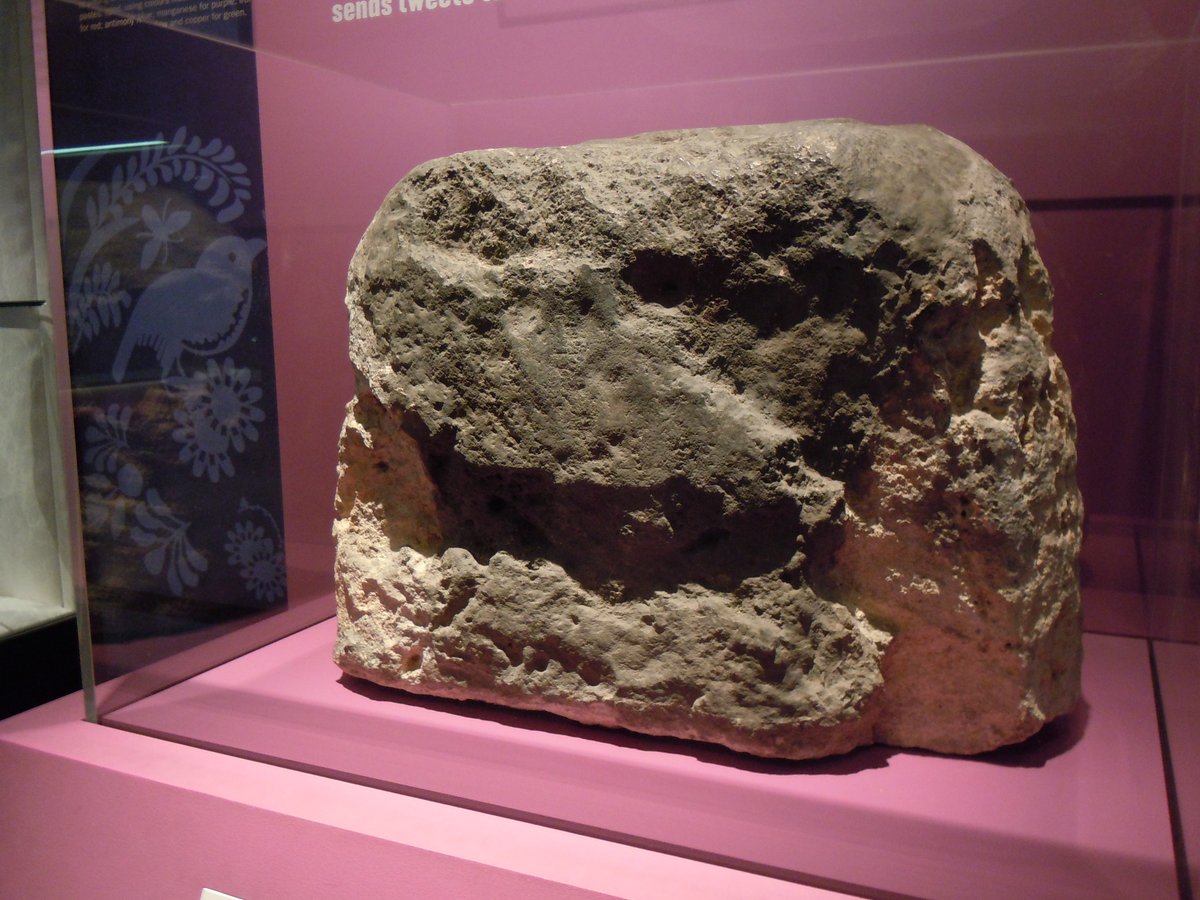

Where is the London Stone hiding now? It sits tucked away inside a Portland stone casing at 111 Cannon Street. Is it impressive? Not exactly, as this irregular block of oolitic limestone measures only 53 by 43 by 30 cm. Does it used to be bigger? Yes, because this piece is merely the upper portion of a much larger object that stood for many centuries on the south side of the street.
What is the deal with its origins? Honestly, the history is pretty fuzzy. Could it be Roman? Some people think so. Could it be Clipsham limestone from Rutland or even Bath stone? That is what others suspect. Why does it matter? Because it became a well-known landmark in medieval London, anchored deep into the ground with iron bars. How did people find it? It served as a permanent address where anyone living nearby was simply at London Stone.
Did it witness any real drama? In 1450, a rebel leader named Jack Cade marched into the city and struck his sword against the rock. Why did he do that? He wanted to claim he was Lord of the city. By the 1500s, did it become a tourist destination? It did. People flocked there to hear tall tales about it marking the center of the city or being a mythical gift from a legendary king.
What is it today? It is a quiet relic of the city's geography. Was it ever a hub for posting bills and notices? It was. Now, is it just a mystery wrapped in limestone? That is the best way to describe it.
Sources: Wikipedia, OpenStreetMap, Wikidata, Wikimedia Commons

Written by Nicolo Ciampini
Discuss this with the author and others
No comments yet. Be the first to start the conversation.