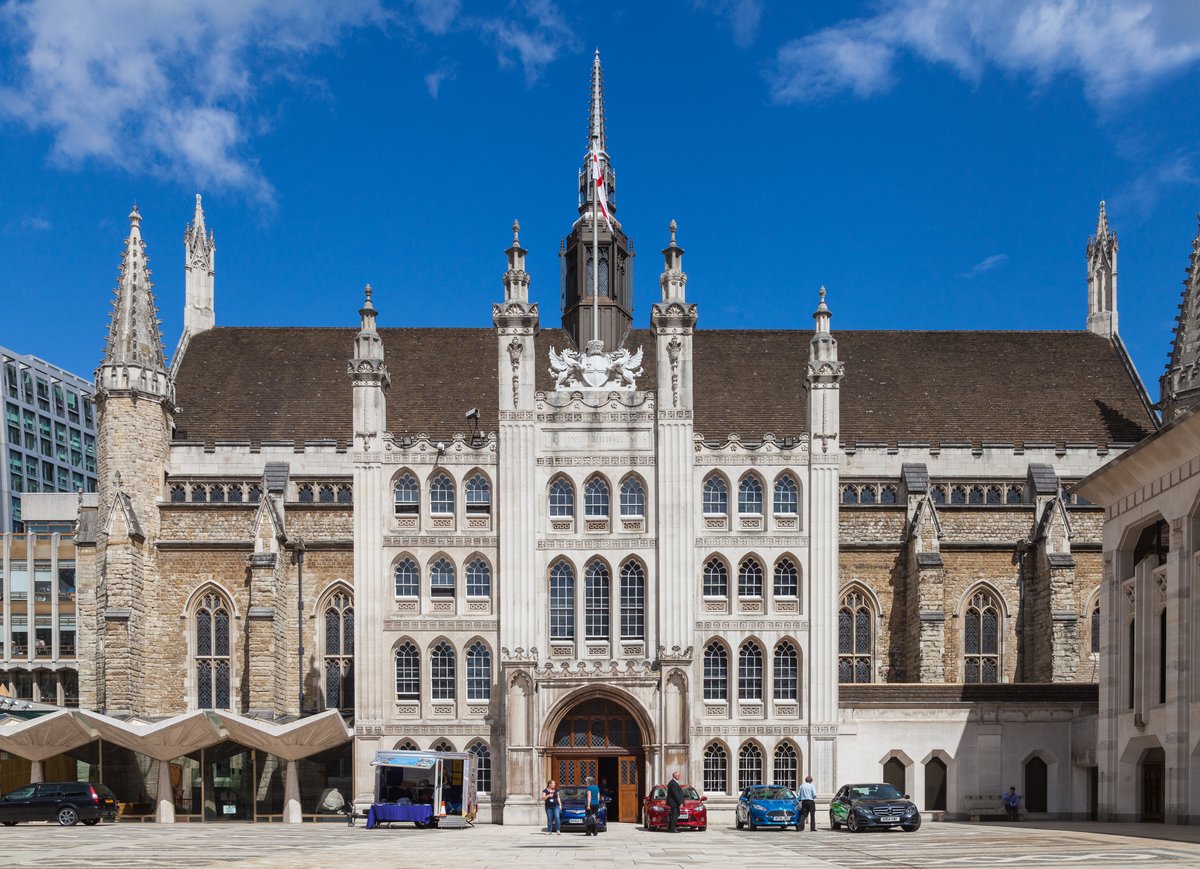
Beneath the lights and office blocks of modern Gresham Street, there is an outline that stays half-hidden: a hollow circle on the paving. It marks the site of the London Roman Amphitheatre, the largest underground structure in Roman Britain. One of many in the empire, it might be overshadowed by the Colosseum now, but at the time this was one of several regional arenas put to the violent use of gladiatorial combat, wild-animal fights and executions.
With that much blood, it's unsurprising that the site is not just a circle but a full arena, complete with seats and access points. Those few remnants of the structure are still visible today, as the outline was marked in the early 1990s and paved over to serve as a pedestrian area – fitting, because it was also a commemorative parade ground for Roman leaders. The routine executions that took place here meant many of the bodies may have been buried on the site: unlike the Colosseum, this arena was not something you left as a live survivor.
By the third century AD, the amphitheatre was abandoned and used as the burial ground Redgate Street Cemetery, which also took others later on. There's no denying there are layers on layers here; instead, it's all a matter of a little digging.
Sources: Wikipedia, OpenStreetMap, Wikidata, Wikimedia Commons
Written by Nicolo Ciampini
Discuss this with the author and others
No comments yet. Be the first to start the conversation.