
A round inscription in Oland limestone identifies a grain bank from 1763. It sits above the door of the grain warehouse, which served as a grain bank for the estate's subordinates, specifically for the underlying farmers and crofters. Commissioned by the widow of Fredrik Gyllenborg in 1759, this structure remains a protected historical monument today.
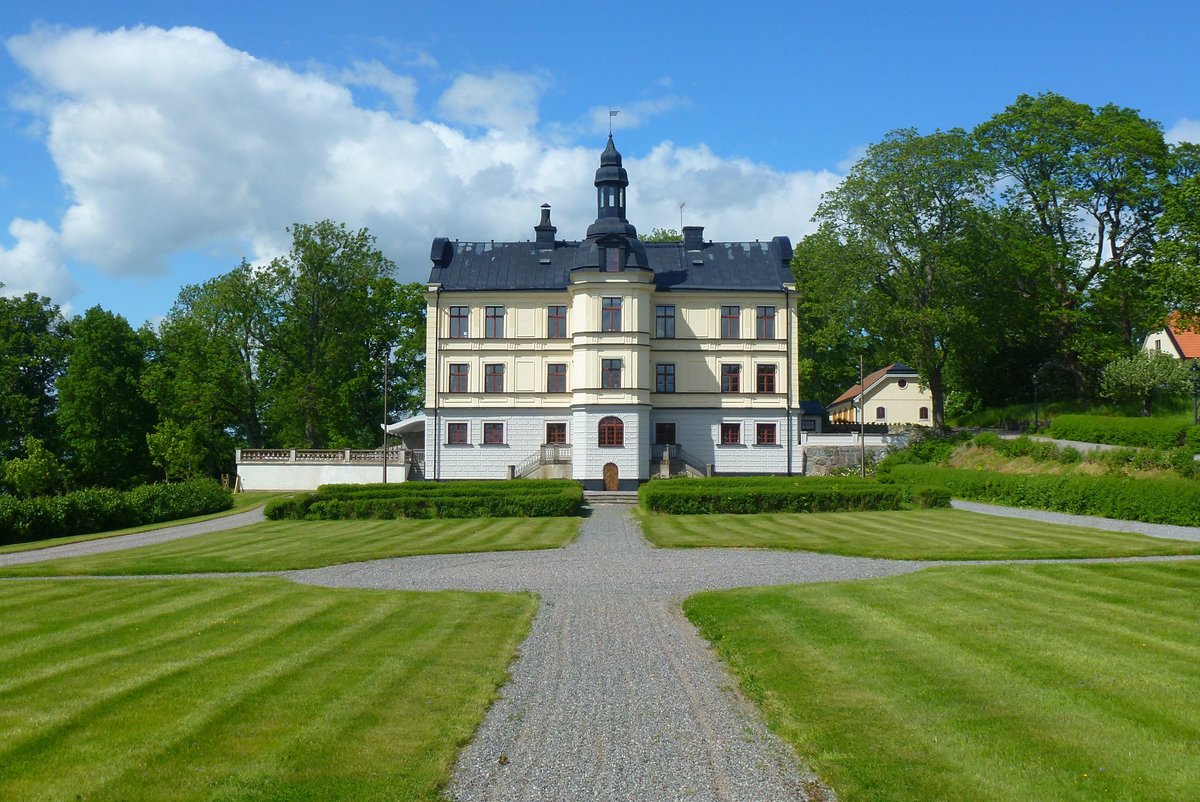
While the warehouse speaks to the practical life of the 18th century, the main house reflects a different era of ambition. The current three-story castle dates to the 1870s, featuring castle-like architecture dominated by a central tower with a pointed spire. Though it looks cohesive now, the tower rests on foundations likely dating back to the 1600s.
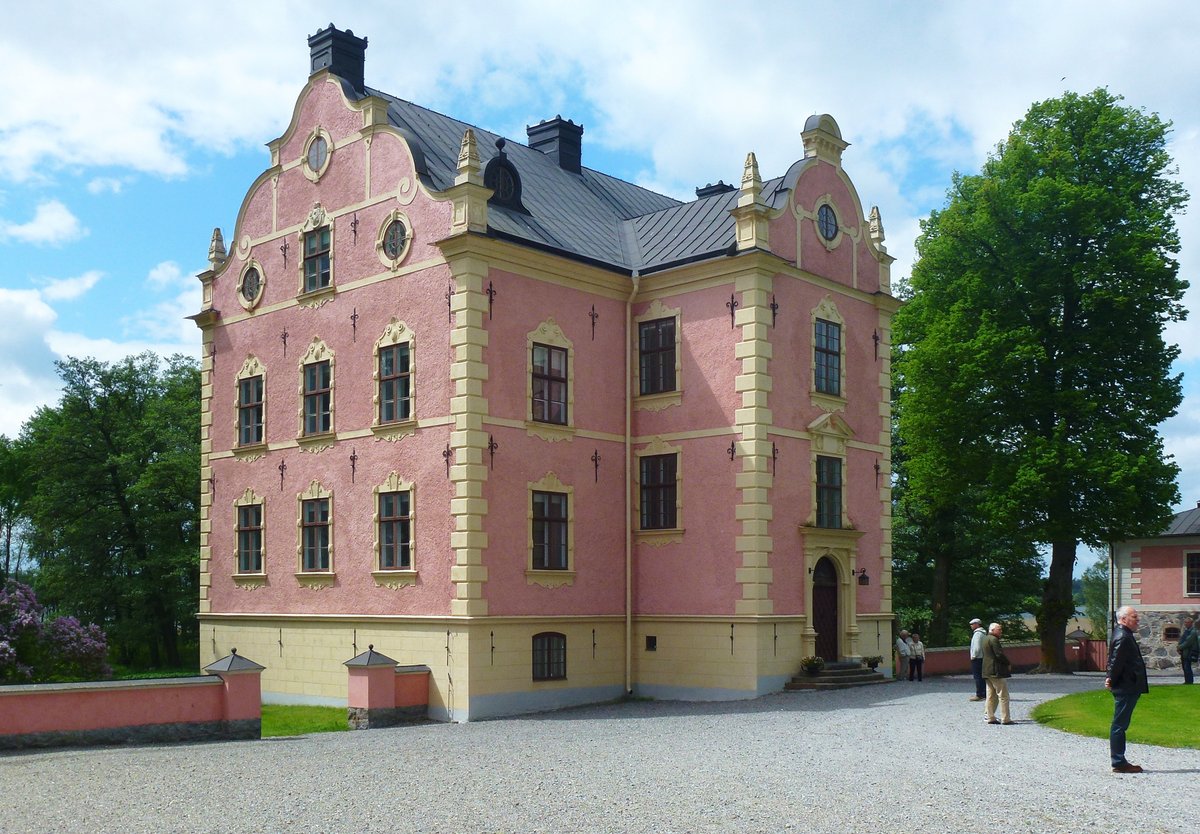
The estate has shifted hands many times, from Johan Eriksson Sparre in 1629 to M. Ehrenmalm in 1768, and later to families such as Tornehave and Per Taube. During a 1902 renovation, the building underwent a significant transformation when six original side towers were removed to make way for baroque-style gables.
Today, the manor remains a prominent house in Upplands Väsby. The grounds offer a glimpse into the transition from a 17th-century manor to a 19th-century castle.
Sources: Wikipedia, OpenStreetMap, Wikidata, Wikimedia Commons
Written by Nik Frost
Discuss this with the author and others
No comments yet. Be the first to start the conversation.