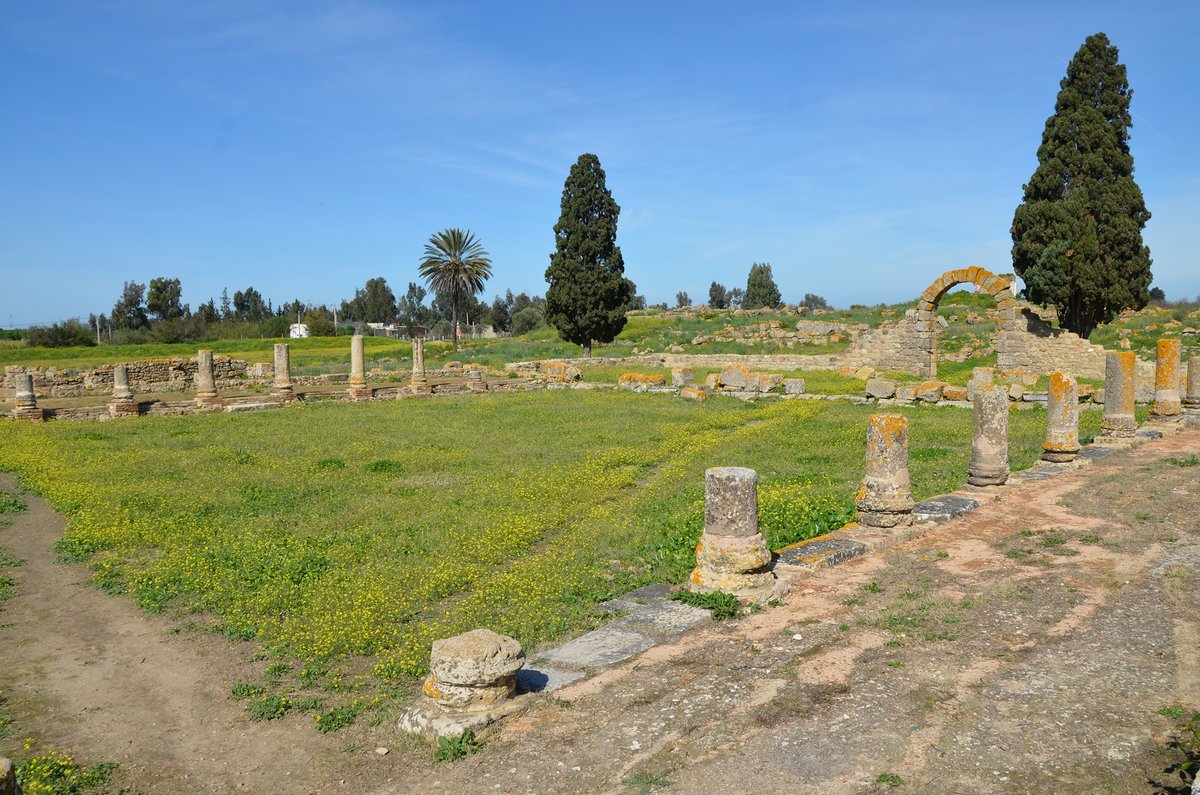

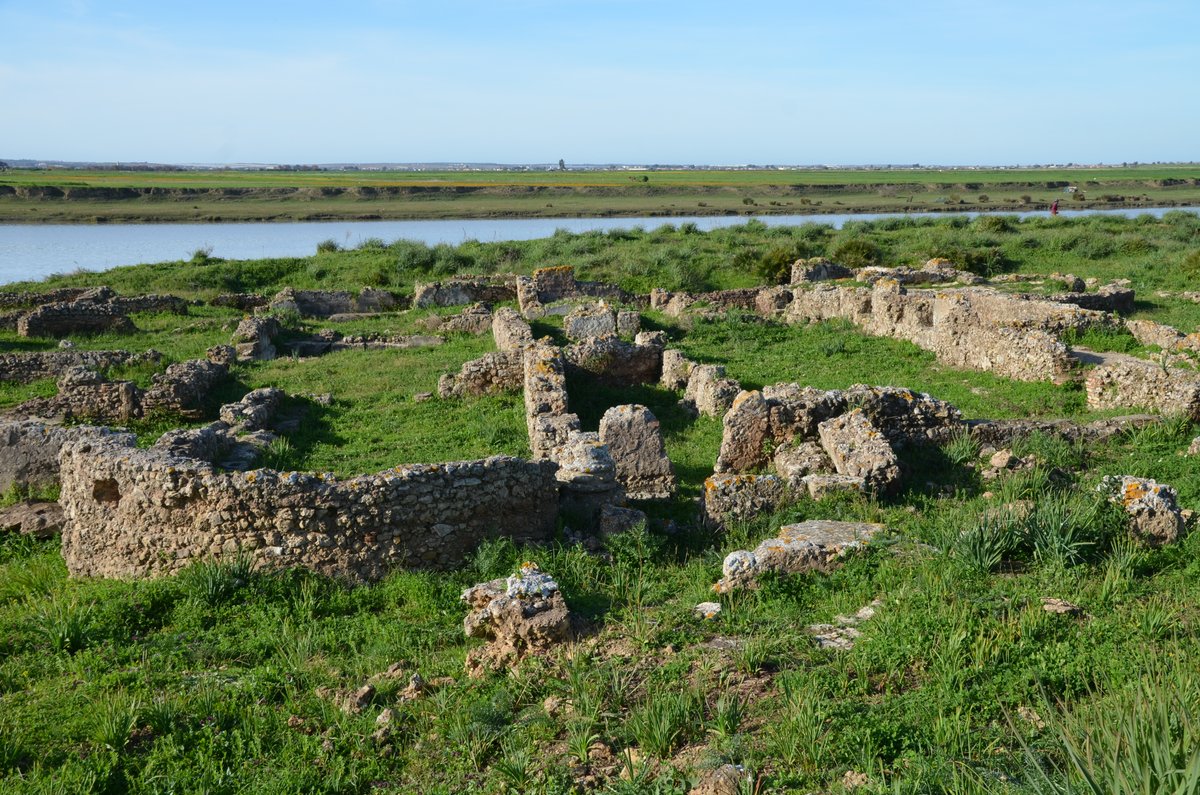
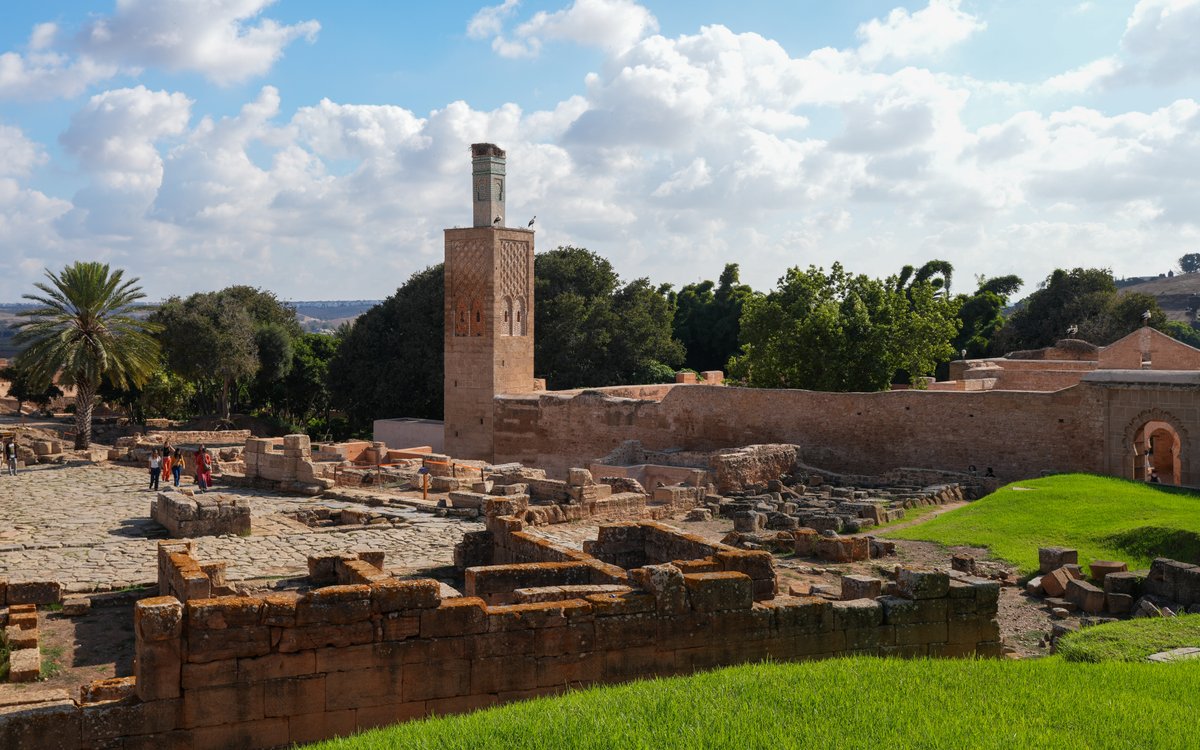
Nestled in the heart of Mauretania Tingitana, this Roman-Berber city - now known as Sidi Ali Boujnoun - was one of the three colonias founded by emperor Augustus between 33 and 25 BC for veterans of the battle of Actium. The site was built on top of a Mauretanian village, which had been occupied by the local Amazigh people from the 4th century BC or earlier. The remnants of the city's beautiful mosaics can now be seen at the Rabat Archaeological Museum.
The site contained four bathhouses during its time as a Roman companion city to places like Chellah and Volubilis. Today, the location is primarily known for the zawiya of Sidi Ali Boujnoun. According to local tradition, Sidi Ali Boujnoun came from the nearby city of Ksar el-Kebir about 300 years ago to teach the Quran. He was attributed with several miracles, most notably the ability to control non-Muslim jinn, a power from which the name "Boujnoun" is derived.
Sidi Ali Boujnoun possibly inhabited the ruins of Banasa to isolate himself for spiritual retreats or because it made controlling jinn easier. In modern times, many visitors from the Gharb region still come to the zawiya, mostly seeking help for mental health-related issues. The site remains a point of interest where ancient history and local spiritual tradition meet.
Sources: Wikipedia, OpenStreetMap, Wikidata, Wikimedia Commons

Written by Mutabor
Discuss this with the author and others
No comments yet. Be the first to start the conversation.