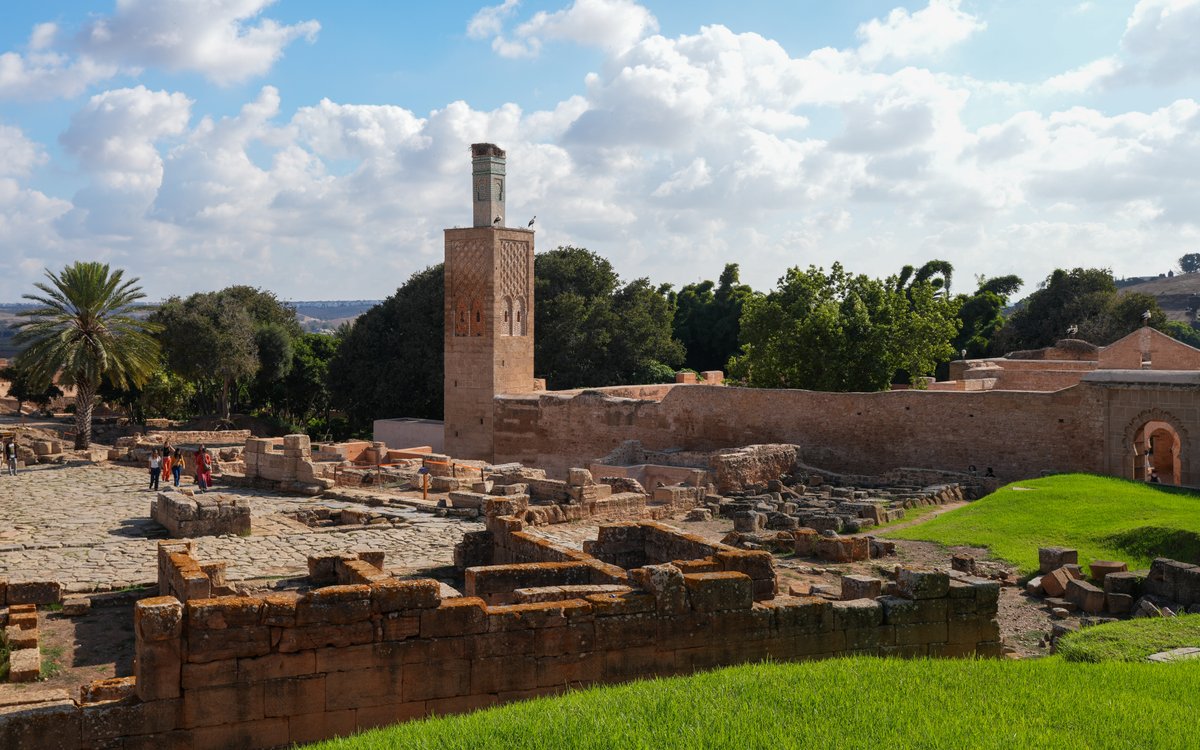

The earliest evidence of occupation suggests that the Phoenicians established a trading emporium at Chellah in the first millennium BC. While the existence of a Phoenician settlement here is debated by archaeologists, excavations have uncovered neo-Punic artifacts dating as far back as the 3rd century BC. Fragments of Phoenician or Punic bowls dating to the 7th and early 6th centuries BC were also found, though these may have been imported by trade rather than evidence of occupation.
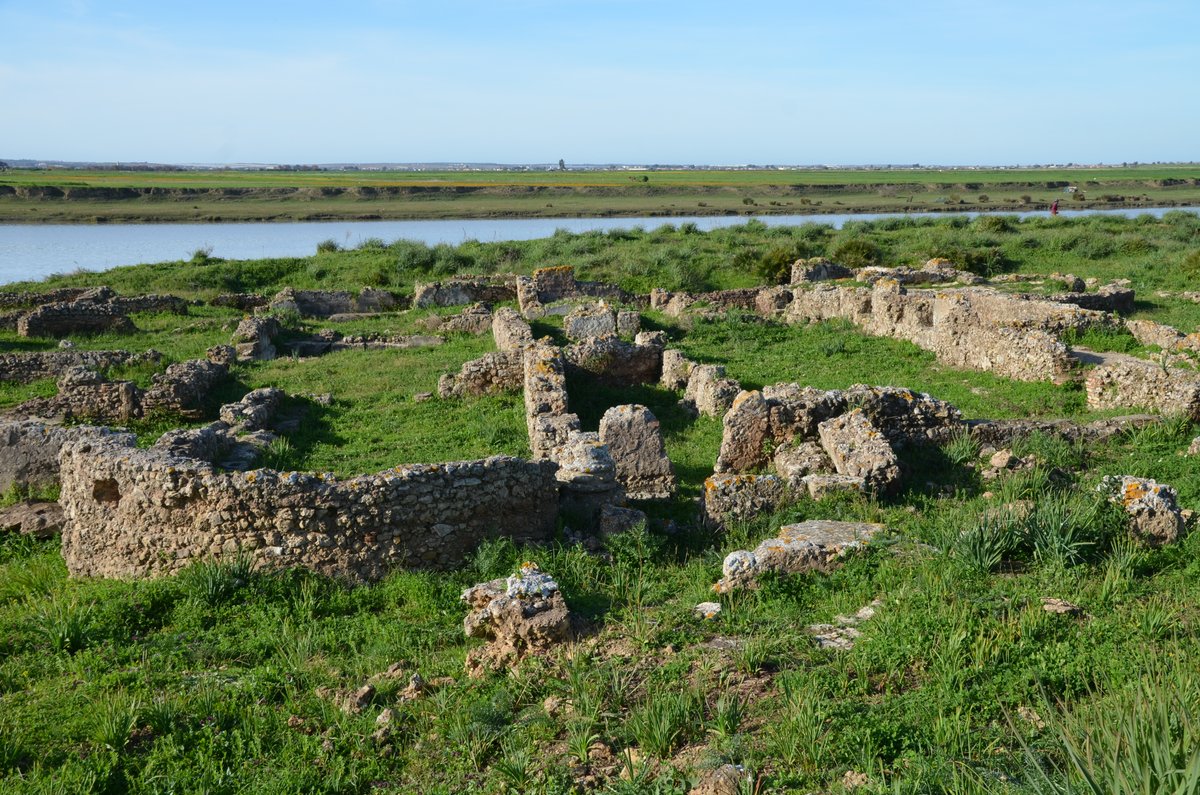
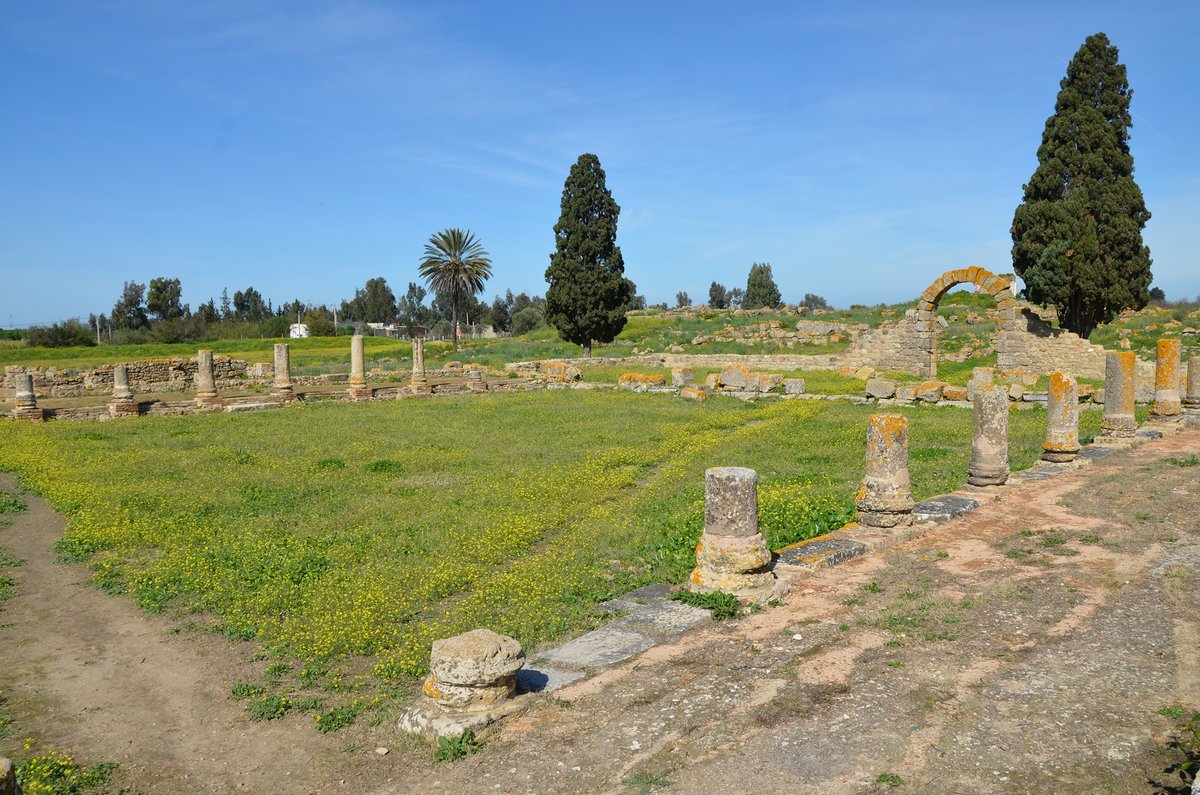
Later, the Romans built a city on this site known as Sala Colonia. The Roman town featured a substantial port city with a principal roadway, a forum, and a triumphal arch. One of the two main Roman roads in Mauretania Tingitana reached the Atlantic through this site, and its port was used by commercial ships as a way station on southwestward passages. After the withdrawal of Roman legions in the 4th century, some major monuments were abandoned, and the site of the large capitolium temple was turned into a cemetery and a dumping ground.
In the late 13th century, the site began to be used as a dynastic necropolis for the Marinid dynasty. By the mid-14th century, Marinid sultans had enclosed a part of the site with a new set of walls and built a religious complex inside to accompany their mausoleums.
Today, the site is a tourist attraction and has been part of a UNESCO World Heritage Site since 2012.
Sources: Wikipedia, OpenStreetMap, Wikidata, Wikimedia Commons


Written by Mutabor
Discuss this with the author and others
No comments yet. Be the first to start the conversation.