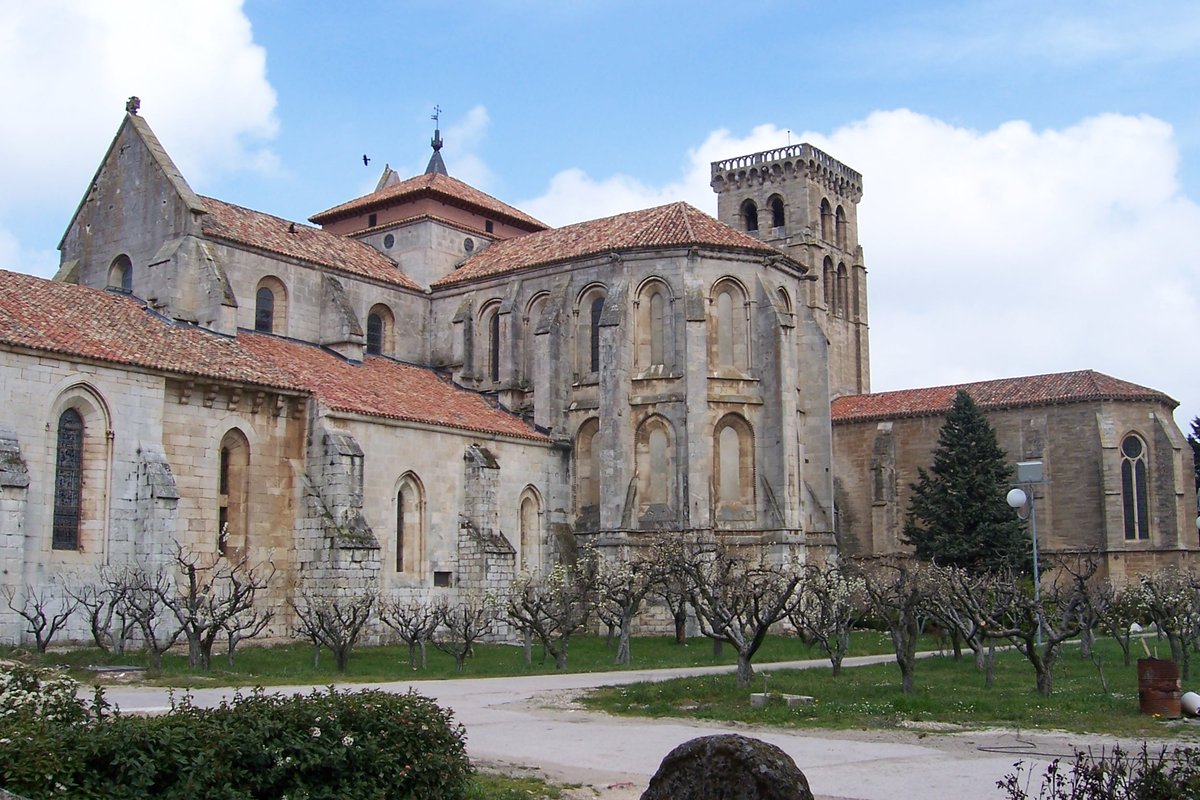

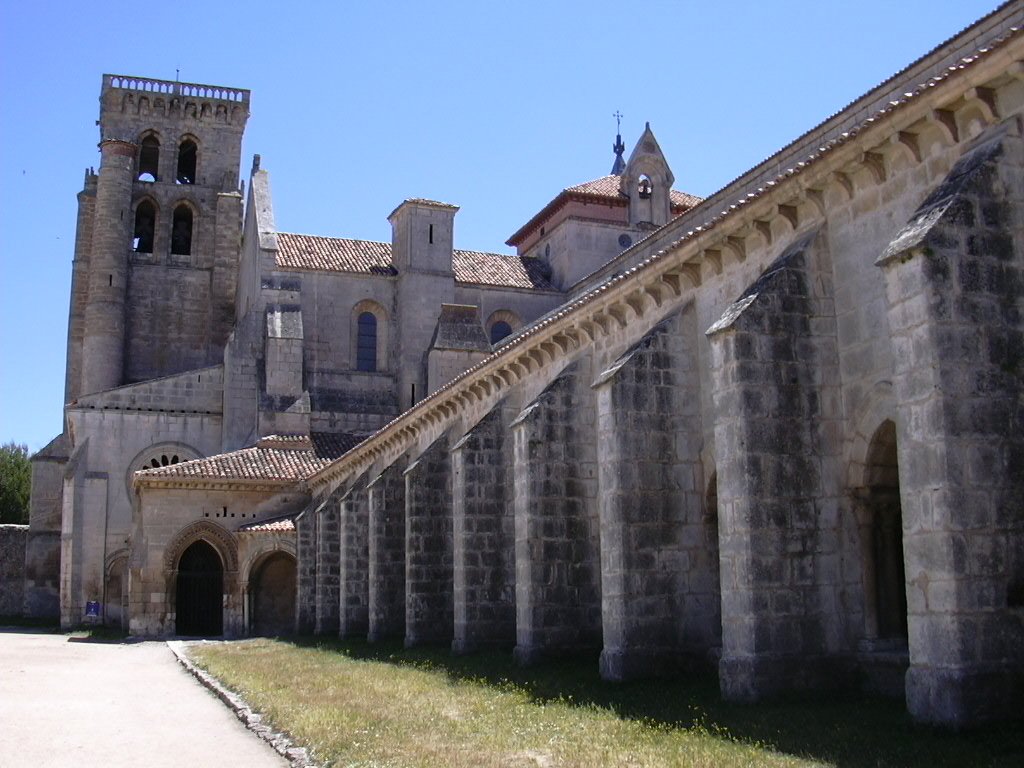
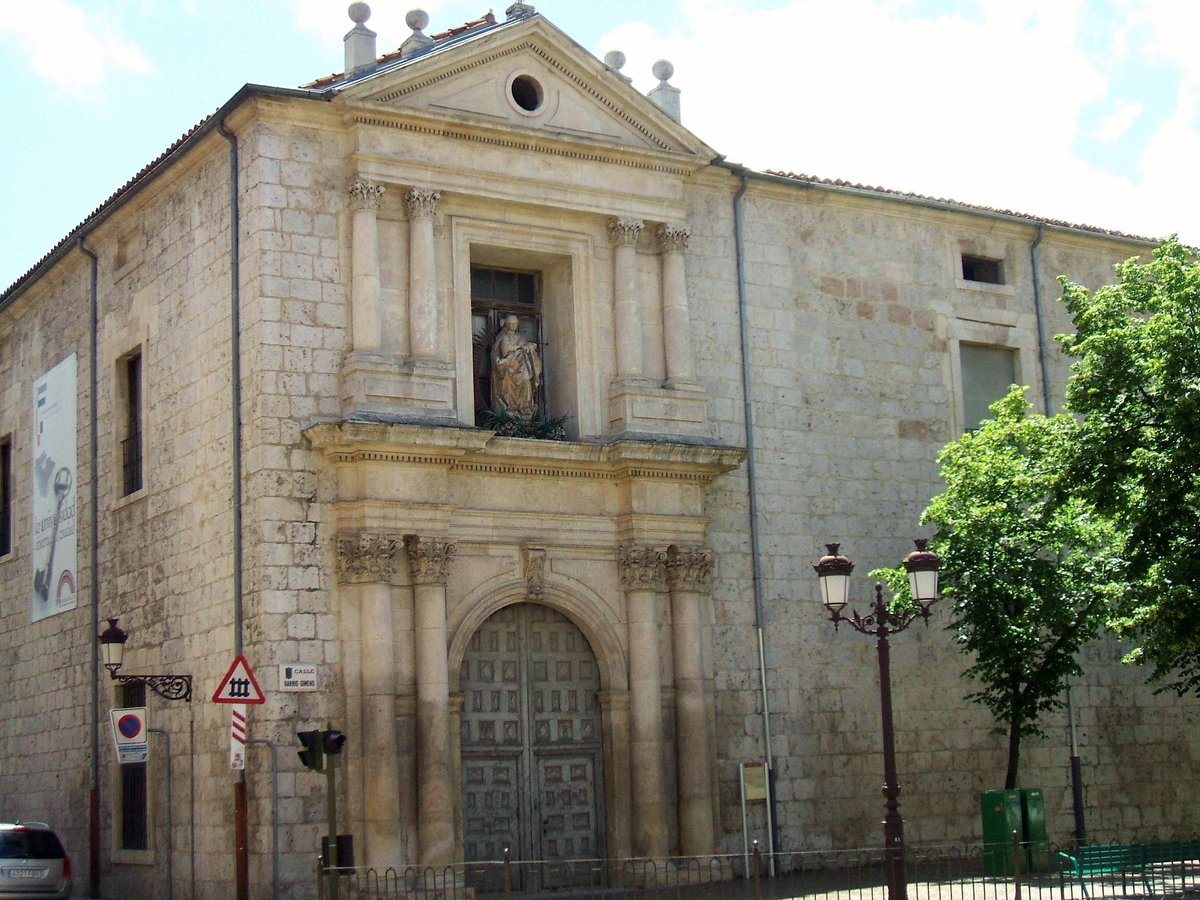
The Abbey of Santa María la Real de Las Huelgas, located approximately 1.5 km west of the city of Burgos in Spain, is a monastery of Cistercian nuns. Founded in 1187 by Pope Clement III and Alfonso VIII of Castile at the behest of Eleanor of England, the monastery was governed by the Cistercian Order. Historically, it served as a site for numerous royal weddings, including that of Edward I of England to Eleanor of Castile in 1254. Its defensive tower is also the birthplace of King Peter of Castile.
Until the 16th century, the monastery enjoyed many royal privileges, including tax exemptions and the lordship of many villages. The abbess exercised unlimited secular authority over more than fifty villages and held her own civil and criminal courts. Like bishops, she granted dimissorial letters for ordination and issued licenses for priests to hear confessions. It is even claimed that, until the Council of Trent, the abbess was able to hear confession and give absolution, like a priest.
In 1199, the monastery became a burial place for the royal family. Constance, the youngest daughter of Alfonso, was the first known as the Lady of Las Huelgas, a title held by other royal women who maintained a close connection between the community and their patrons. Alfonso VIII and Eleanor also created an affiliated Royal Hospital to care for poor pilgrims along the Camino de Santiago. A community of lay brothers, the Brothers Hospitallers of Burgos, initially helped care for these patients until their order was suppressed in 1587.
Currently, the monastic community numbers 36 and is part of the Spanish Congregation of St. Bernard, a reform movement of Cistercian nuns also known as Bernadines. They follow a strict observance of the Rule of St. Benedict, including frequent fasts and celebrating the Divine Office at 2:00 A.M. The nuns support themselves by decorating porcelain, making rosaries, and providing laundry services for local hotels. The monastery also has a daughter house in Peru, the Monastery of the Most Holy Trinity, where the nuns make cakes and jams.
The monastery is open to the public, with visits administered by the Spanish heritage organisation Patrimonio Nacional, which maintains the property as a Spanish royal site. The site also preserves the Codex Las Huelgas, a 14th-century music manuscript containing monophonic and polyphonic music assumed to have been performed by the nuns.
Sources: Wikipedia, OpenStreetMap, Wikidata, Wikimedia Commons
Written by Nik Frost
Discuss this with the author and others
No comments yet. Be the first to start the conversation.