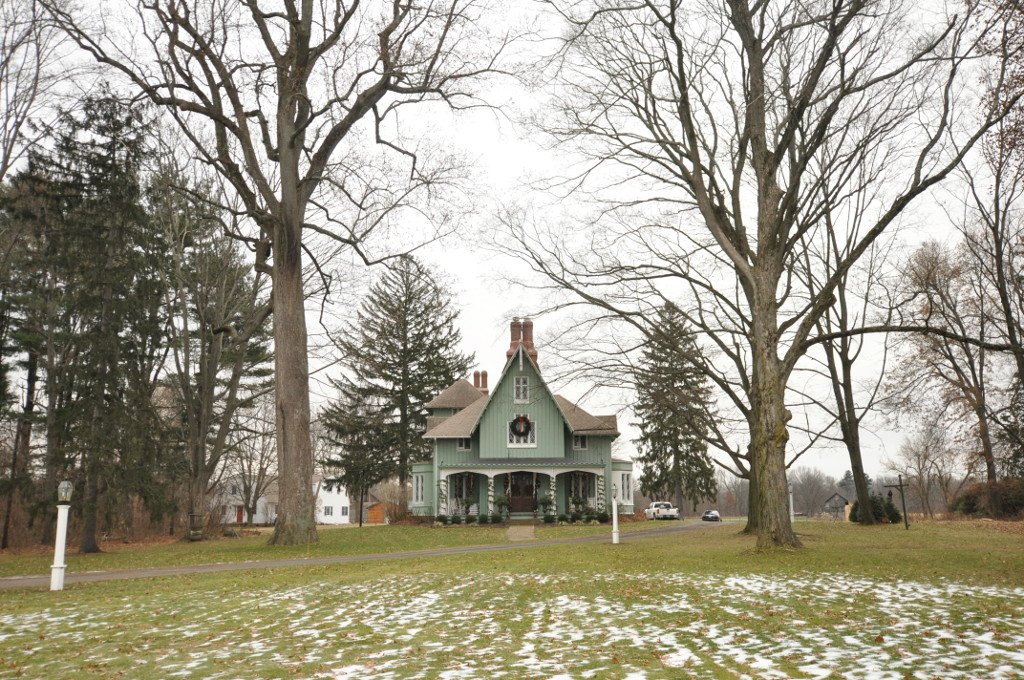
The landscape is defined by drying sheds. These structures let farmers regulate temperatures for curing tobacco - a technique that built the town's fortunes throughout the 19th century.
South Windsor split from Windsor in 1768. It was always an agricultural community because of the rich land by the Connecticut River. The town became a hub for shade-grown tobacco in 1901. That specific crop was prized for cigar wrappers. It stayed a major industry until the 1970s.
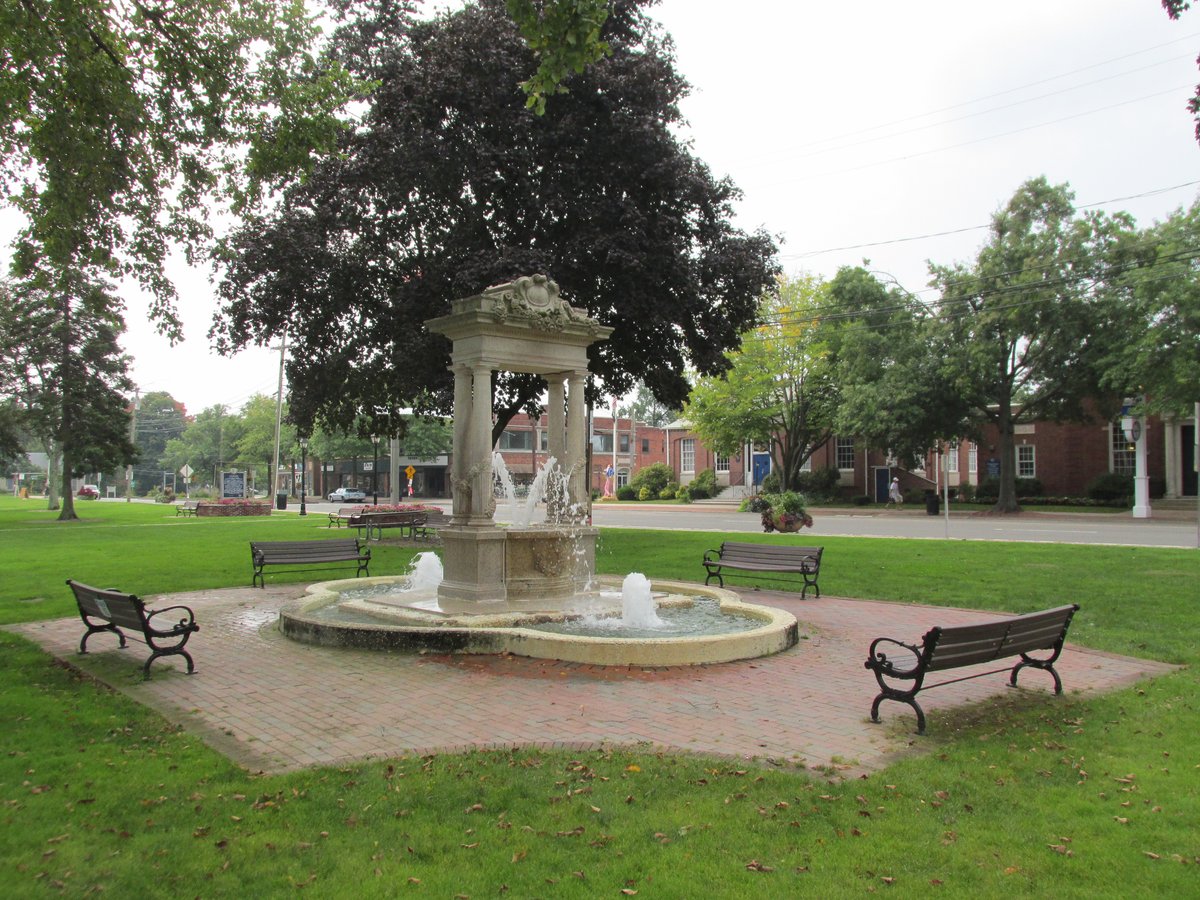
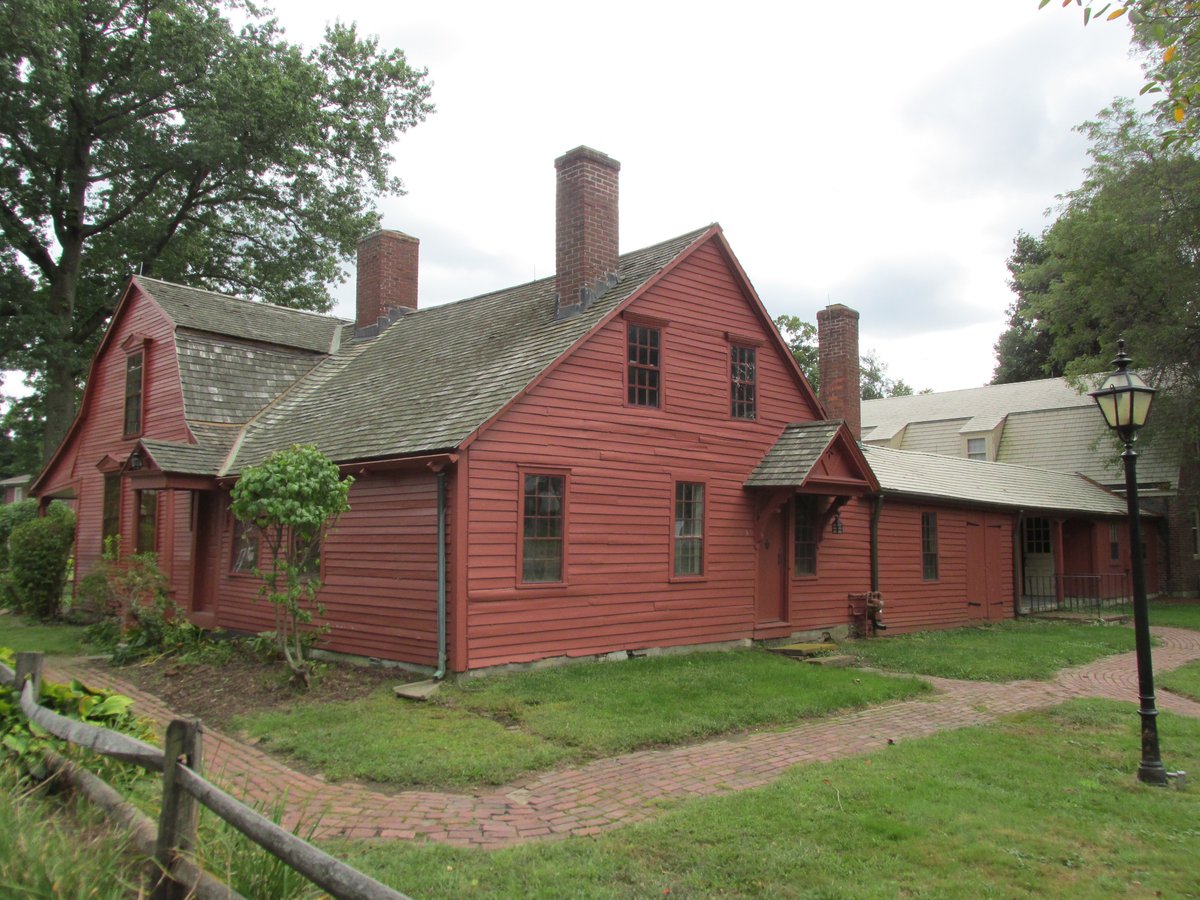
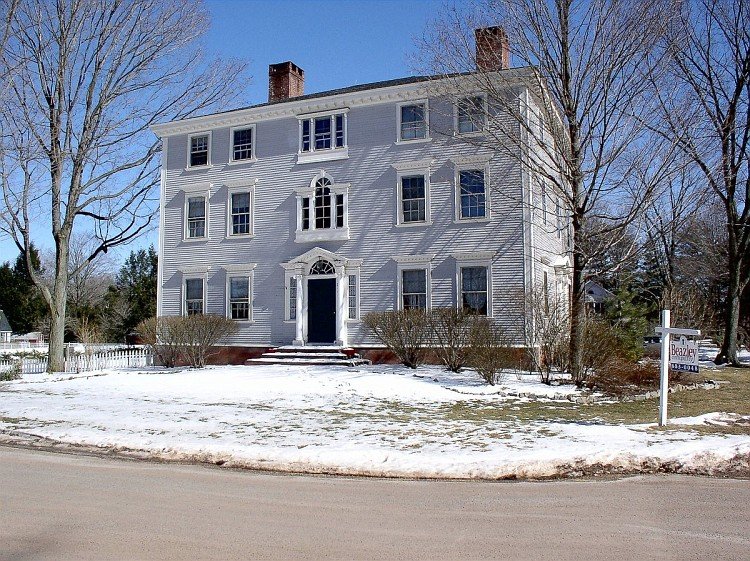
The Windsor Farms Historic District covers over 1,600 acres. It contains a mix of houses from three centuries. You can find a house from 1694 - the oldest in the area. There is also a Greek Revival church and a schoolhouse from 1845.
Main Street follows the edge of a terrace above the river bottomlands. Most of the original colonial houses are gone. Newer builds took their place. However, the spacing and scale of the lots remain consistent. Many of the surrounding fields still grow tobacco today.
Sources: Wikipedia, OpenStreetMap, Wikidata, Wikimedia Commons
Written by Leroy
Discuss this with the author and others
No comments yet. Be the first to start the conversation.