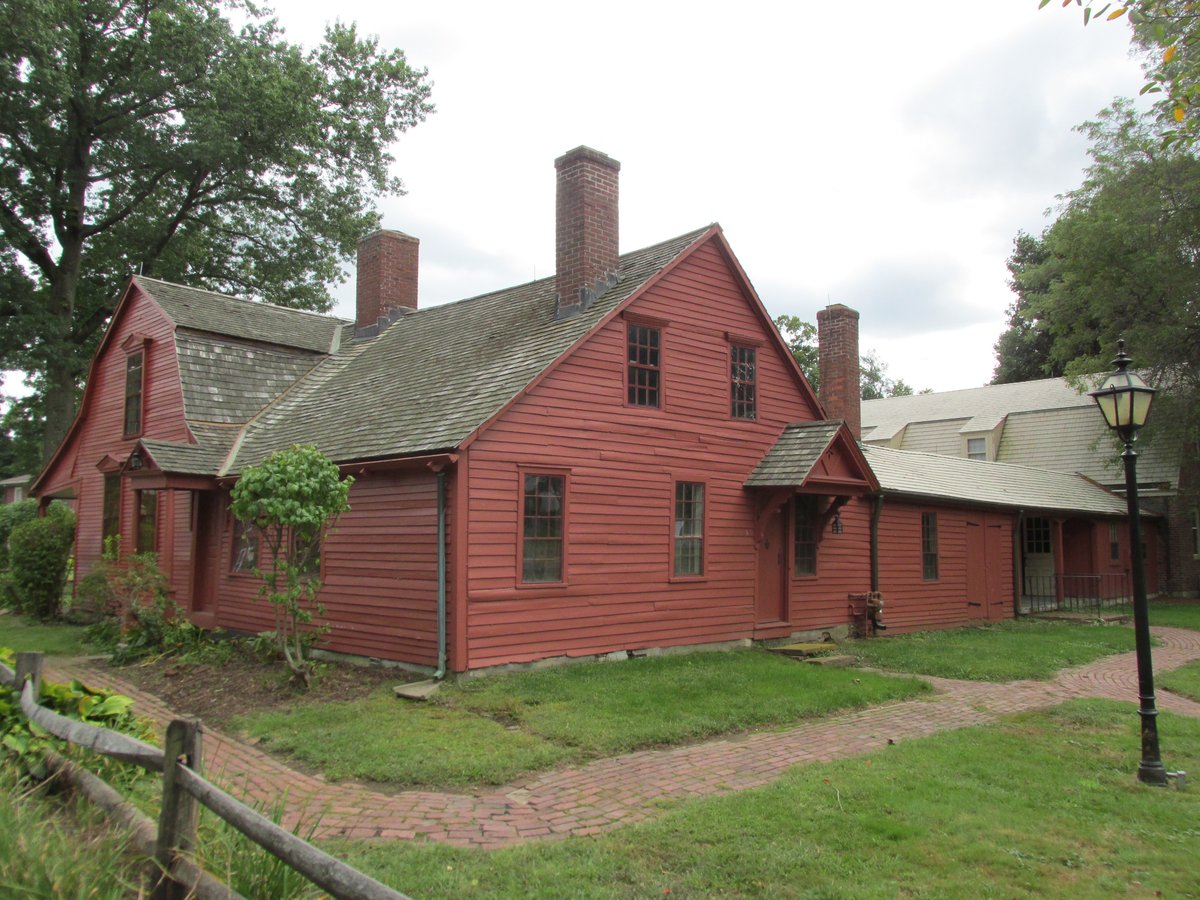

Sink into the Palisado Avenue Historic District – an old-as- time avenue that's bravely weathered time since the 18th-century, cosily ensconced in the northeastern corner of Windsor, CT. The street, planted in 1987, struts Windsor's charming architectural diversity, painting a fascinating picture of the town's intriguing past. Early Windsor settlements date all the way back to the English colonists, who chillaxed near the Connecticut River. The town's core was set up on a hilltop overlooking the Farmington River and the Palisado Green.
The Palisado Ridge, which sprouts Palisado Avenue, offers a jaw-dropping view of the scenery along the Connecticut River. When the commercial heart of Windsor shifted south of the Farmington River in the 1750s, the town's core carried on harmoniously, with the first bridge across the Farmington River built in the 1700s. The grand church on Palisado Avenue also rolled over to the Palisado Green in the late 1700s, having been erected in 1794. This Federal-inspired beauty flaunts Greek Revival additions, creating a dazzling blend of 18th and 19th-century design.
Take a wander down the avenue and you'll hit a medley of houses – each with its own eccentric charm. Stretching from the Farmington River to Bissell Ferry Road, this captivating street is primarily residential, adorned with homes from the 18th to the 20th centuries. Houses are spread out for a relaxed vibe. This avenue flaunts Windsor's mix of brick houses, such as the Italianate Patrick Murphy House and the Georgian Taylor Chapman House, but most buildings are two-story frame houses.
The avenue bows to Georgian, Federal, and Colonial Revival styles, giving the area a distinctly 18th or early 19th-century feel. For a glimpse of the Victorian era, there's the Second Empire Henry Magill House, whose unique touch always charms passersby.
Sources: Wikipedia, OpenStreetMap, Wikidata, Wikimedia Commons
Written by Friendly Jane
Discuss this with the author and others
No comments yet. Be the first to start the conversation.