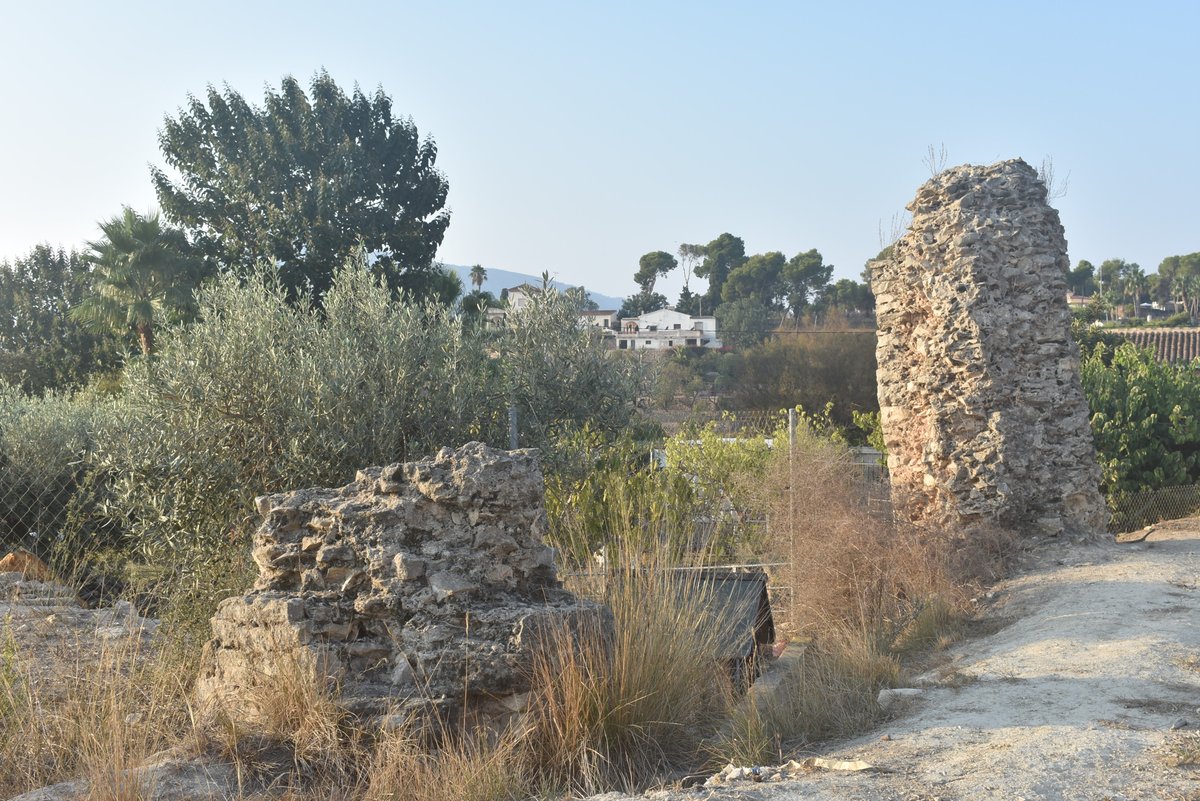

We can still observe the sophisticated hydraulic engineering of the Roman Empire today at the ruins of the Altea aqueduct. Constructed during the High Empire in the 3rd century AD, this structure was engineered to transport water across the Els Arcs ravine. It functioned as part of a complex system drawing from the Algar River to reach the settlements of Tossal de la Pila and Albir.
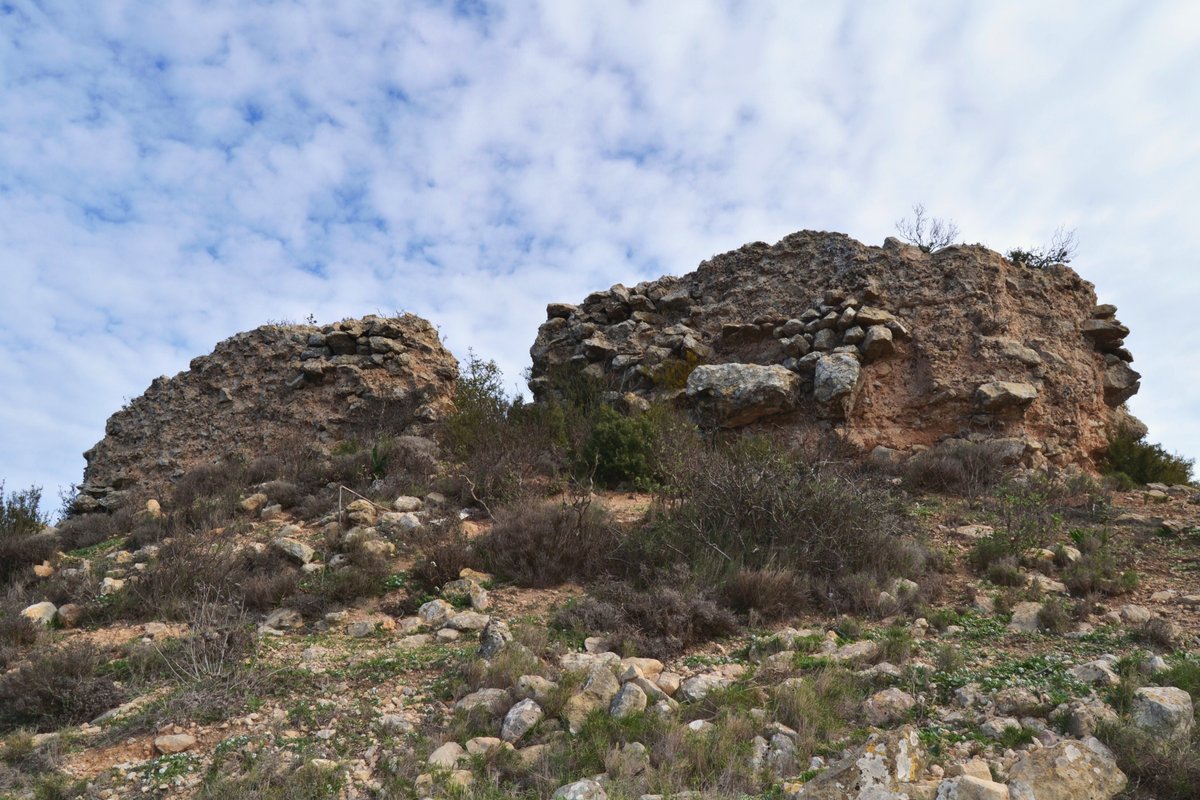
We should look closely at what remains of the structure. While much has been lost, the remains span an estimated 520 metres. We can examine the distinct construction of the pillars to understand the methods used. The exterior faces were finished in opus vittatum using small, rectangular stones laid in regular rows and joined with a lime mortar. Inside, the Romans used a sturdy mix of gravel, rubble, and mortar to ensure mass and stability.
Today, we find a site where history and modern life intersect. Four pillars stand tall, while others lie fallen or remain as bases embedded in the embankments. Due to local urban pressure, much of the theoretical path now runs through private plots and modern buildings. As a protected monument, this site invites us to explore the landscape's transition from Roman utility to modern ruins.
Sources: Wikipedia, OpenStreetMap, Wikidata, Wikimedia Commons
Written by Nik Frost
Discuss this with the author and others
No comments yet. Be the first to start the conversation.