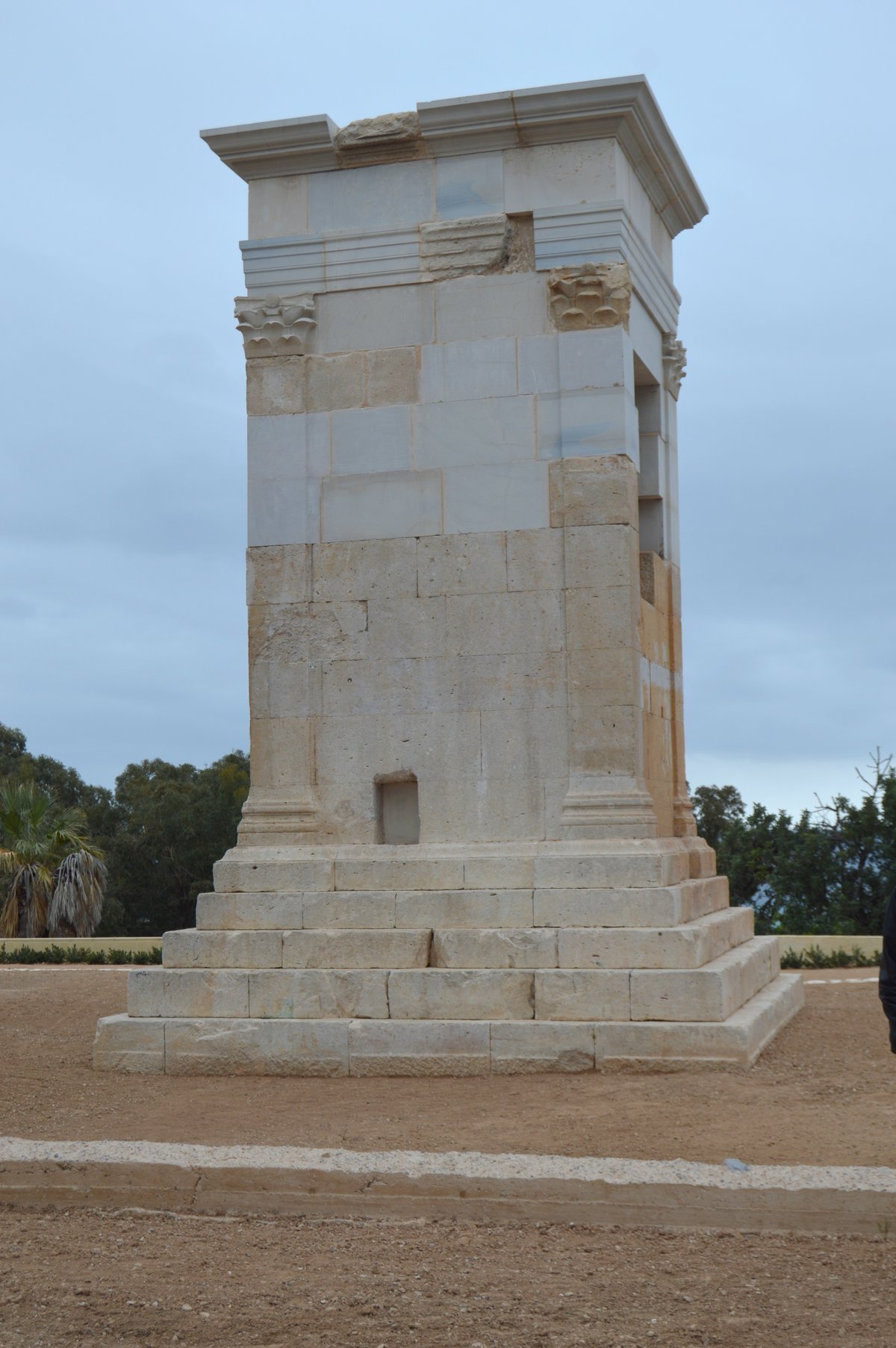

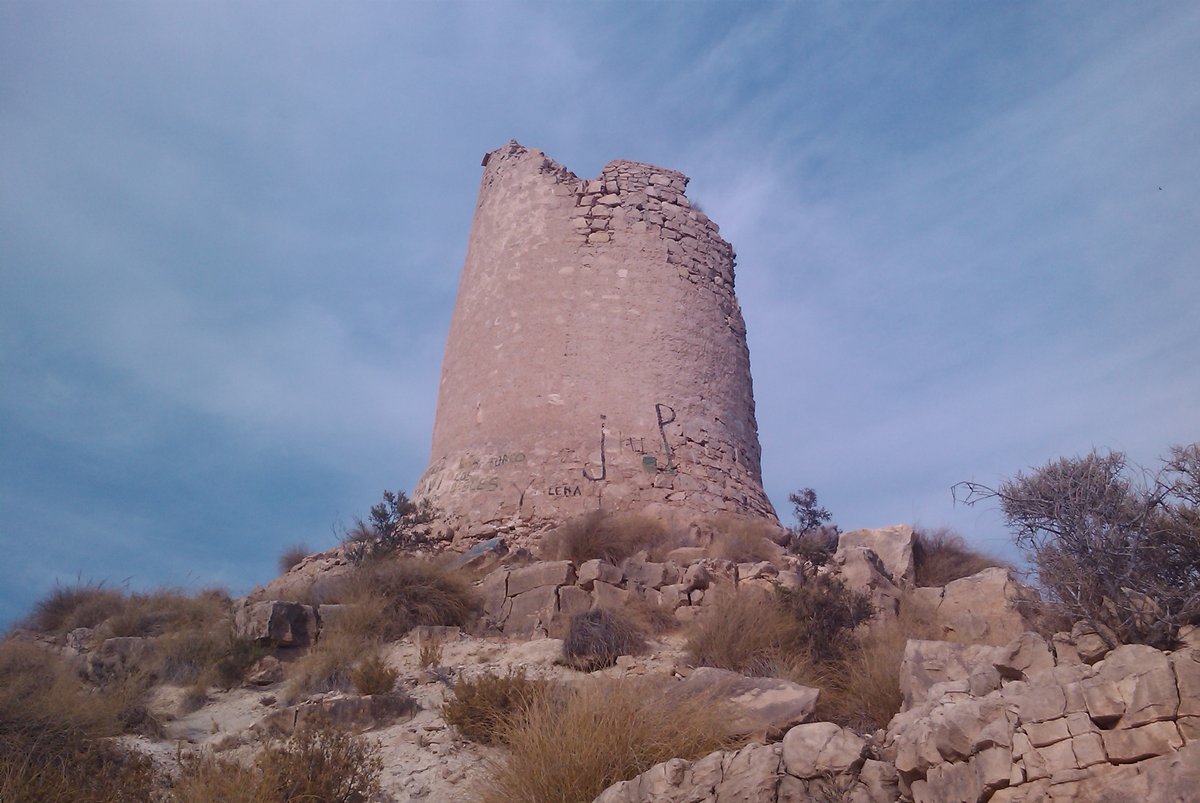
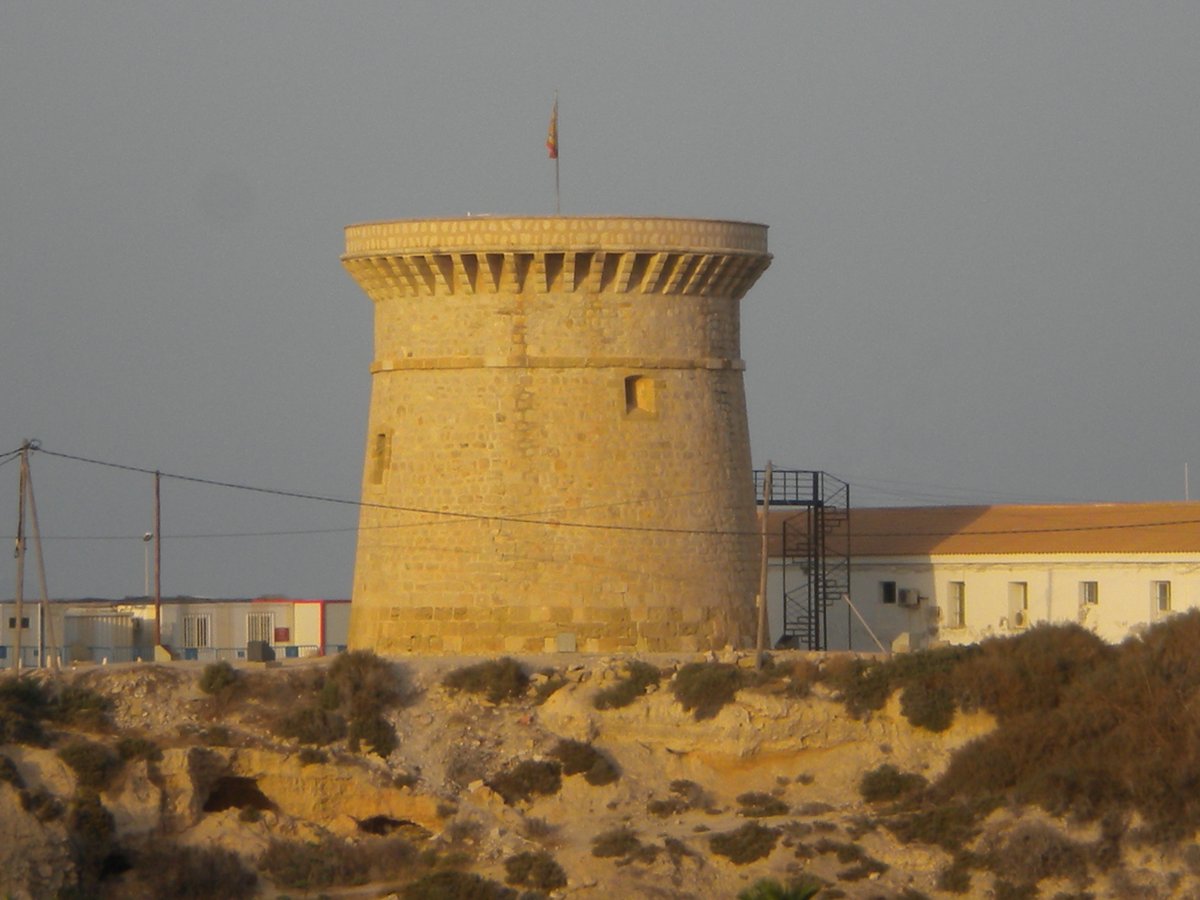
The Torre de Hércules commands the shoreline of the Cala del Torres with deliberate intent. While standard Roman burial practices favored locations along busy roads, this tomb was engineered specifically for a maritime audience. Its placement on a coastal slope ensures that the structure stands out clearly in the landscape when sailing in front of it.
Constructed during the 2nd century AD, this preserved closed edicula showcases a stepped foundation and a rectangular form adorned with Corinthian pilasters. Small openings on the eastern and western sides allowed for libations to honor the departed. This type of monument is known as a closed edicula because its interior had no access.
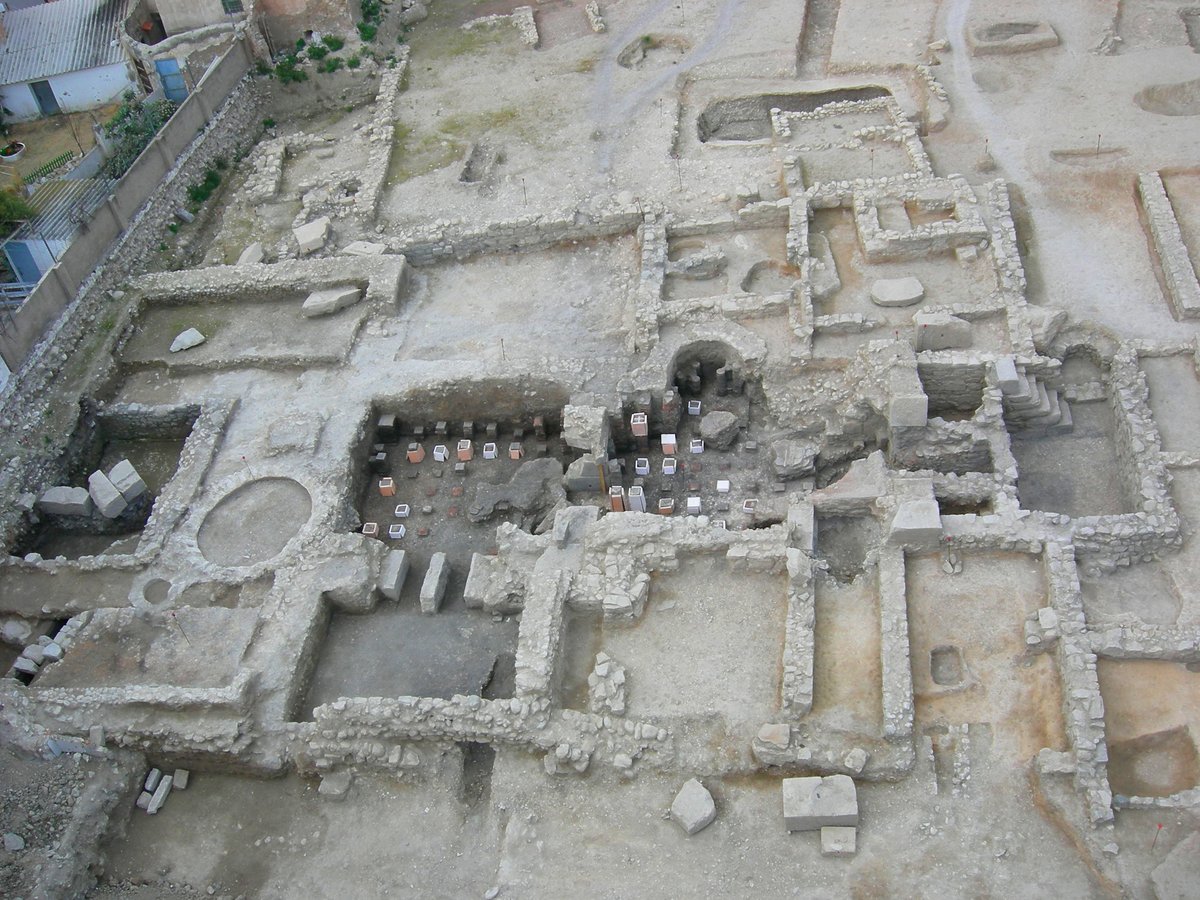
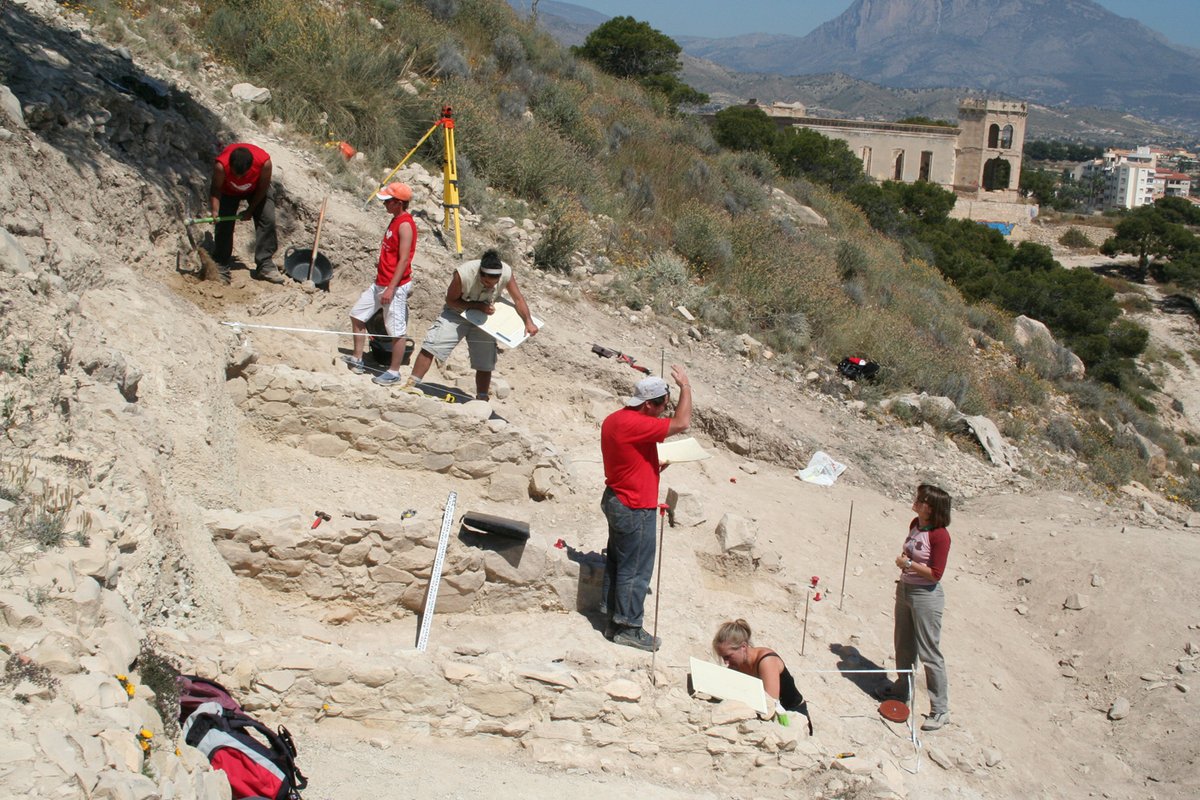
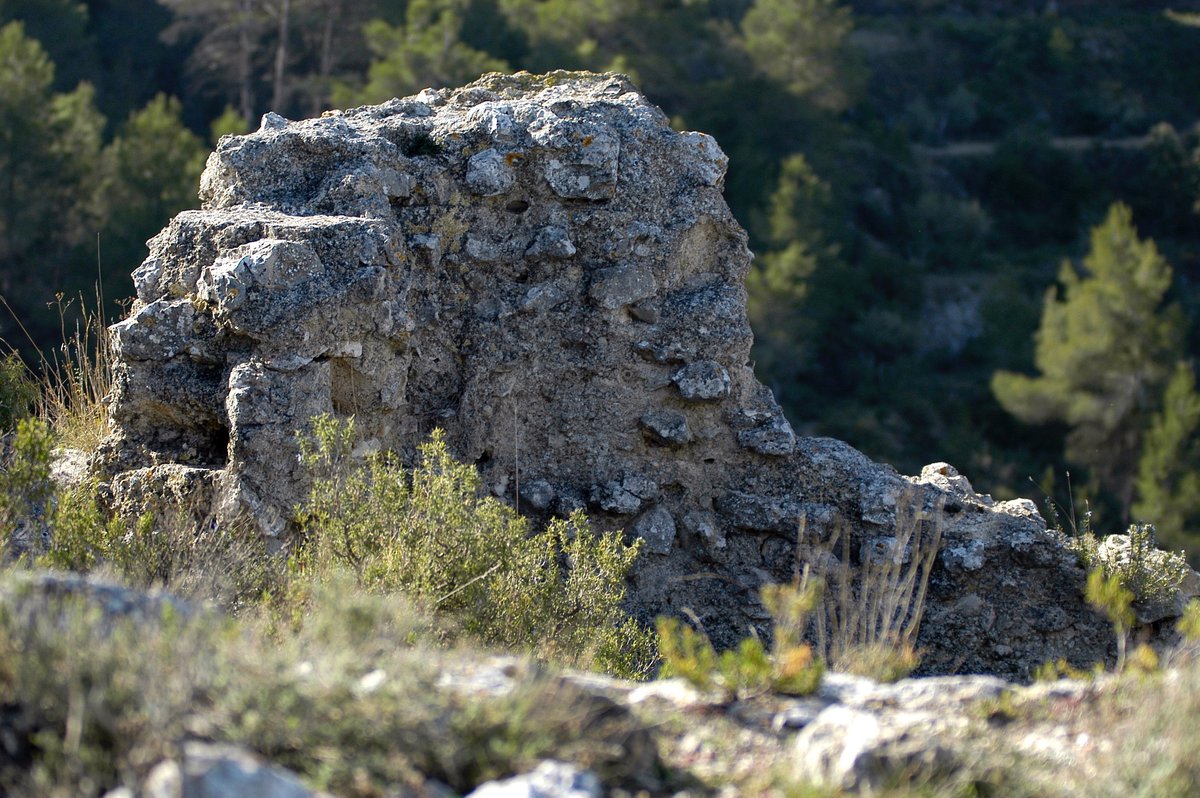
Historical records indicate this may represent an early instance of inhumation within the Iberian Peninsula during the 2nd century. Although the tower was looted by the 14th century, archaeological finds include human teeth. Further investigation required the removal of a modern structure in 2007 to expose the original Roman stone and the surrounding archaeological context.
Guided tours and historical reenactments have been held since 2012 with the collaboration of the reenactment group Legio VIIII Hispana.
Sources: Wikipedia, OpenStreetMap, Wikidata, Wikimedia Commons
Written by Nik Frost
Discuss this with the author and others
No comments yet. Be the first to start the conversation.