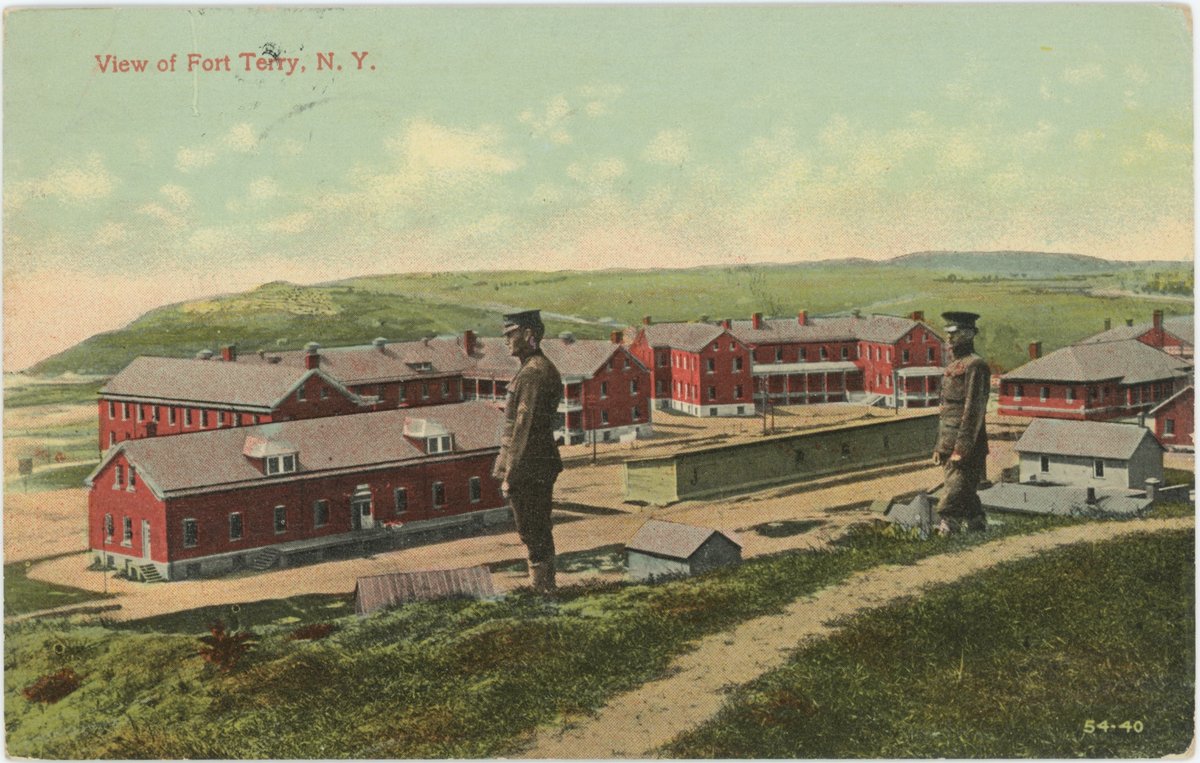

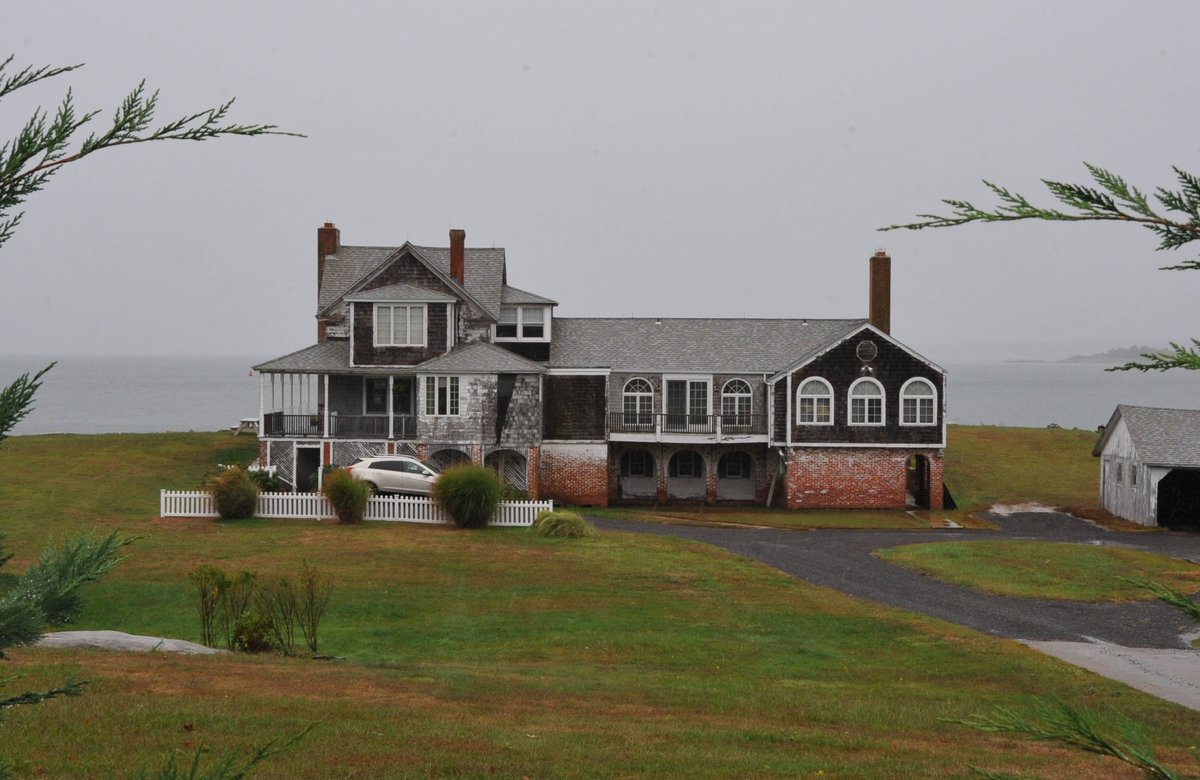
Picture this massive coastal fort standing watch over the entrance to the Long Island Sound. That was the focus back in 1897 when the U.S. Army kicked off construction on Fort Terry. They were working on the Endicott Program to make sure any fleet trying to sneak toward New York City would be met with heavy artillery.
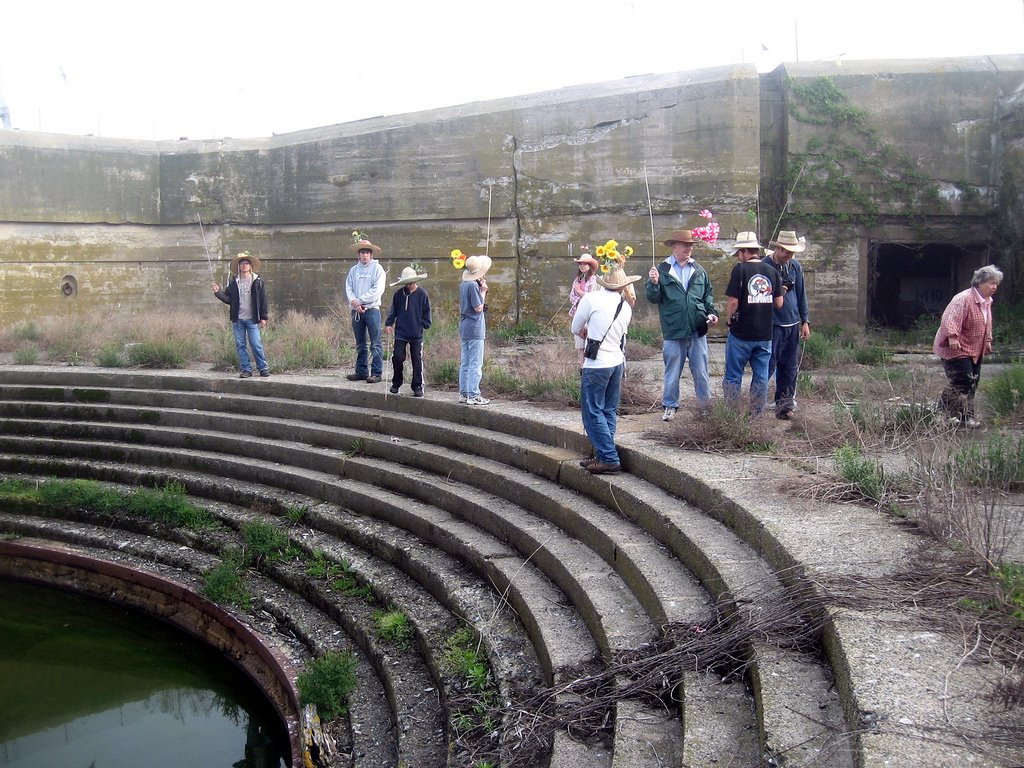
By 1914 the site was fully loaded with 11 gun batteries and even had a dedicated railroad for hauling munitions from the bunkers to the firing lines. It featured a complex fire control system to manage an underwater minefield too. During World War I things shifted a bit since many guns were pulled out for the Western Front while the site stayed a major training hub.
Life took a different turn in 1952 when the military used the site for biological warfare research. The site moved to civilian control in 1954 as the Plum Island Animal Disease Center, although the biological warfare mission continued until 1969 when the US officially ended offensive research. The island is now being considered for sale or conversion to a wildlife refuge.
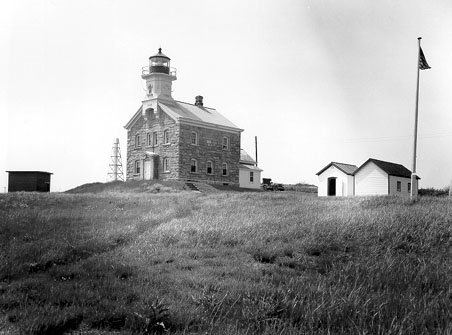
Fort Terry was listed on the National Register of Historic Places in 2021. The site is located on Plum Island, a small island just off Orient Point, New York, which was once owned by the Corchaug and Montaukett Indian tribes before being acquired by the federal government.
Sources: Wikipedia, OpenStreetMap, Wikidata, Wikimedia Commons





Written by Friendly Jane
Discuss this with the author and others
No comments yet. Be the first to start the conversation.