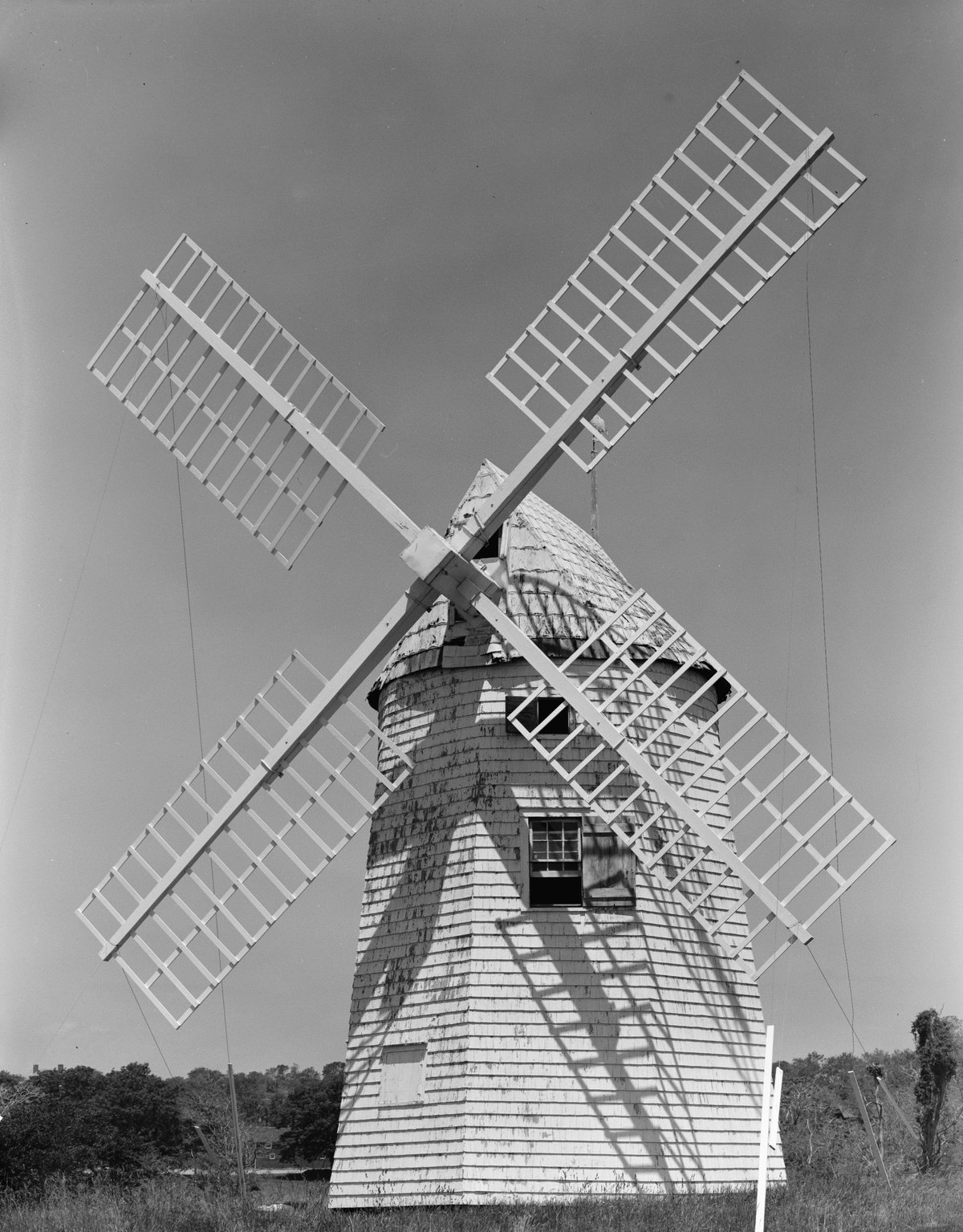
The Gardiners Island Windmill stands in stark white to act as a navigation waypoint for sailors navigating the East Hampton coast. On May 23, 1795, Nathaniel Dominy V decided to deploy this structure on the Mill lot. He chose to replace the old Petticoat mill which had essentially surrendered and crumbled following the Revolutionary War.
John Lyon Gardiner held the deed for twenty years but failed to document a single thing about the mill in his farm log. That lack of paperwork ended in 1815 when a storm neutralized the mill and the dock. Dominy V and his unit refused to retreat. They spent the period from October to February 1816 restoring the facility to full operational status.
The 1816 interior was a different beast compared to the 1795 version. It showcased Dominy V’s evolving technical tastes and mimicked the style of windmills found in Rhode Island or Cape Cod. He continued maintenance in 1826 and spent six days on the island in 1833 to install a new windshaft, stocks, and points.
By 1885, the mill functioned as the heavy lifter for the island by supplying flour to the entire population. Its final shift concluded in 1889. At that time, an account book finally acknowledged John B. Lawrence for producing the mill sails.
Sources: Wikipedia, OpenStreetMap, Wikidata, Wikimedia Commons


Written by Kyle McLonely
Discuss this with the author and others
No comments yet. Be the first to start the conversation.