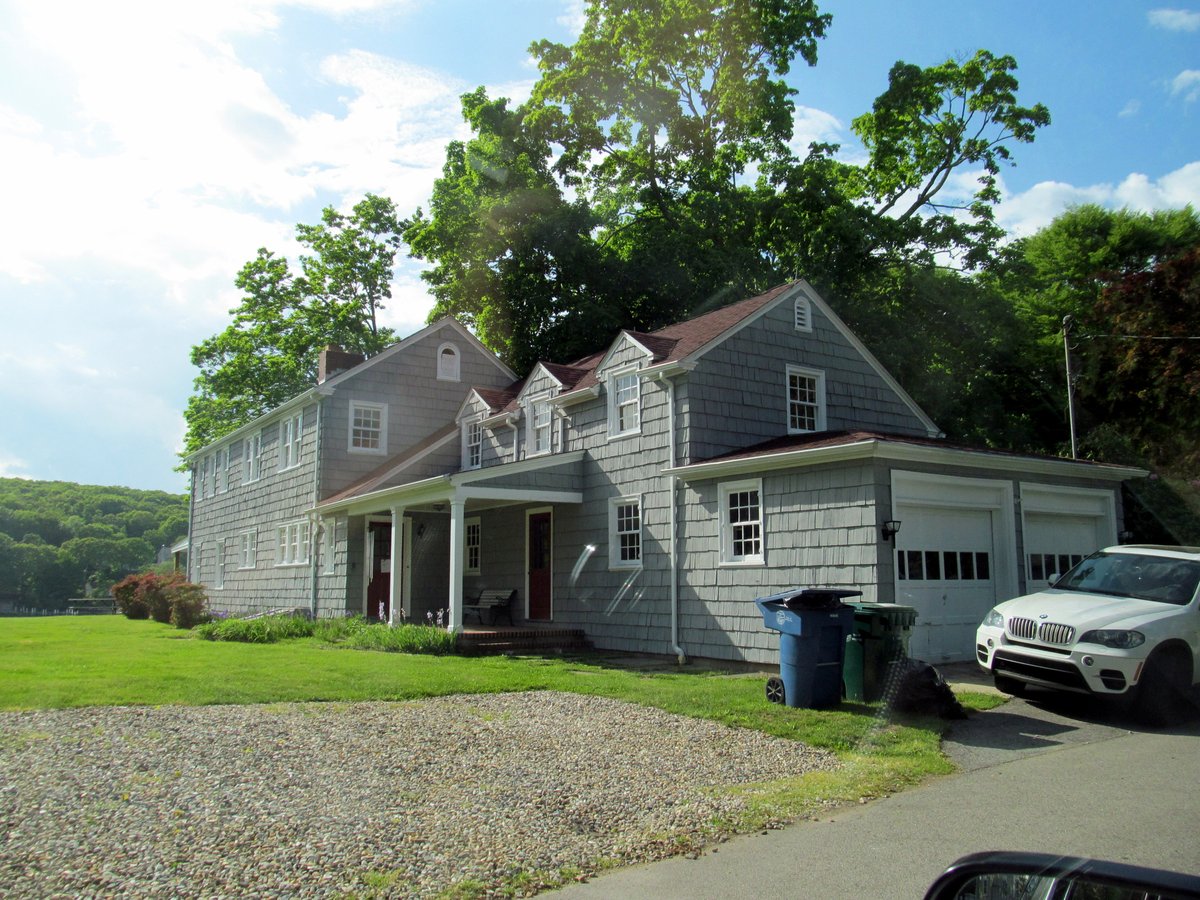
English colonists arrived in the late 17th century. They wanted to farm this Connecticut shoreline. By the mid 1800s, things changed. John Manwaring began taking in quarry workers. They slept in his home as boarders.
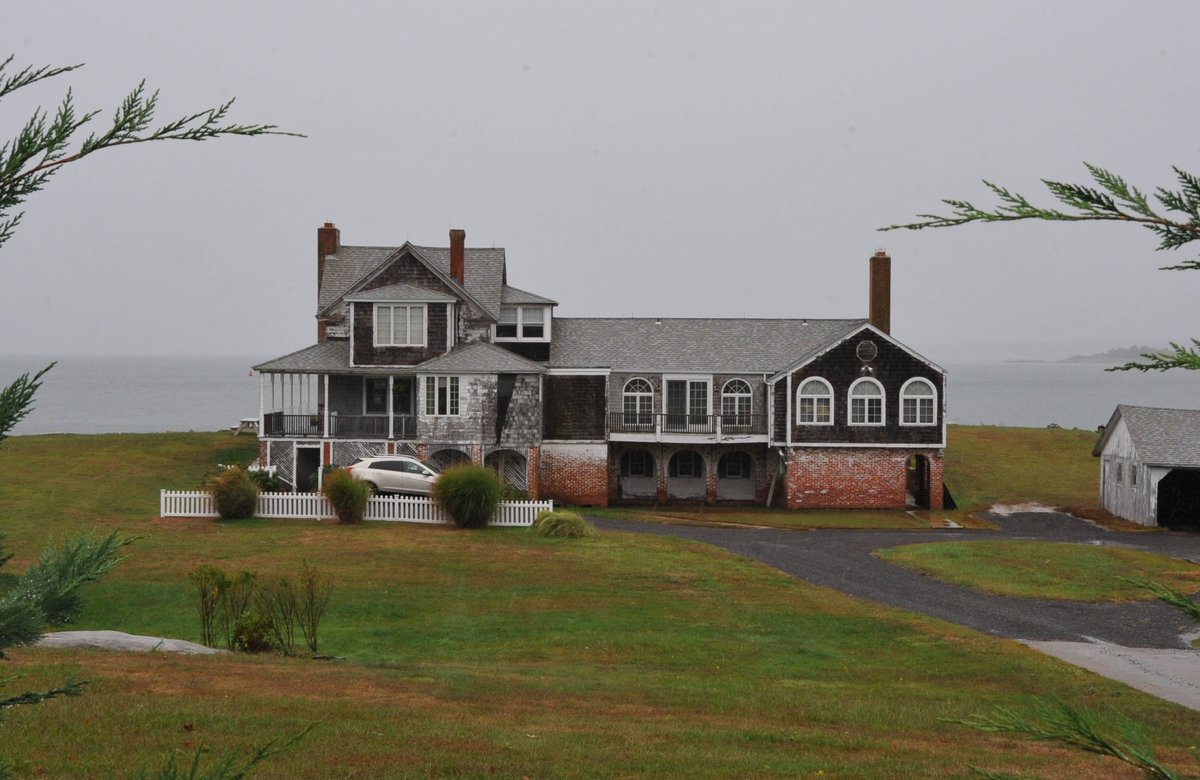
The quarries closed in the 1870s. Manwaring kept his boarders for the summer. His son expanded the business around the turn of the 20 century. He built a hotel called the Oswegatchie House. The New London and East Lyme Street Railway ran down Oswegatchie Street. Handsome summer estates rose on the best land.
Trolley service ended in the 1920s. The Great Depression caused a downfall. The Oswegatchie House finally burned in 1935. After World War II, housing demand grew. They developed the northern part for year-round living.
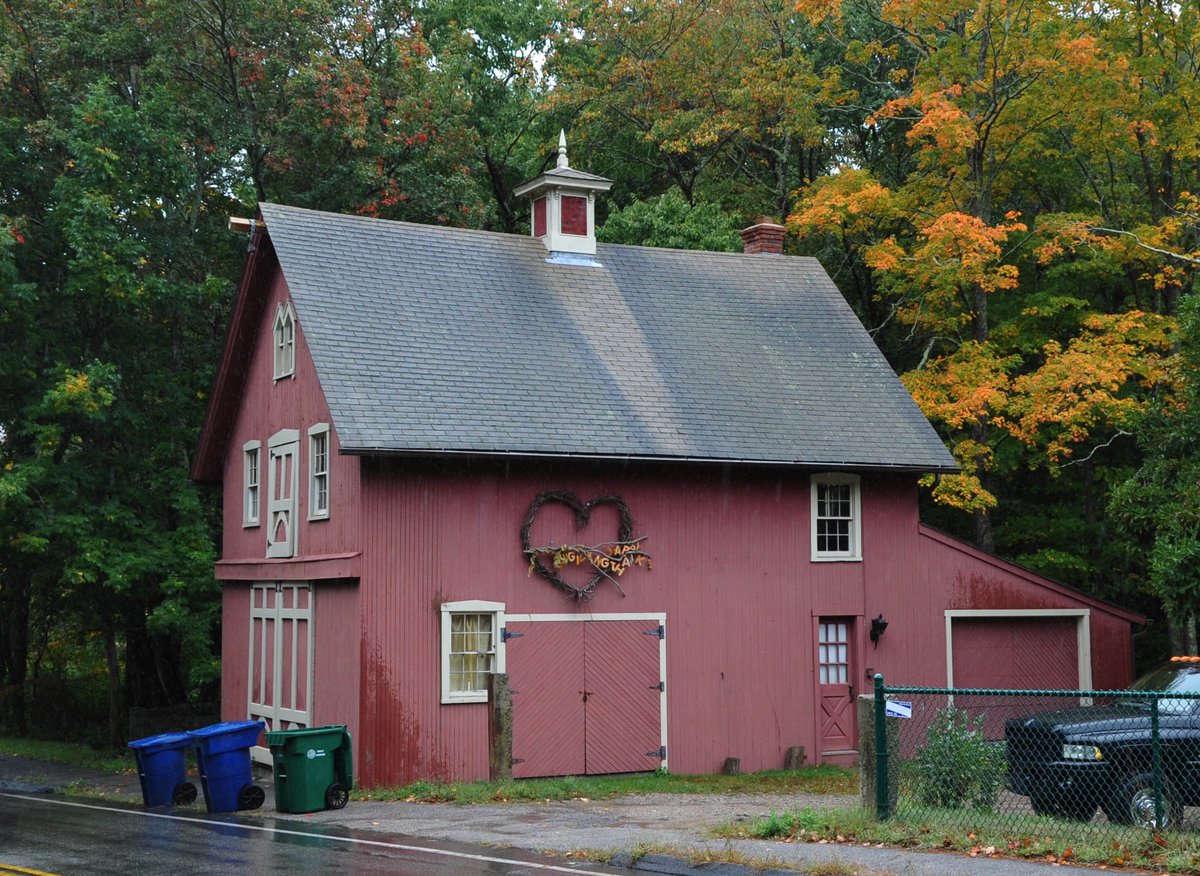
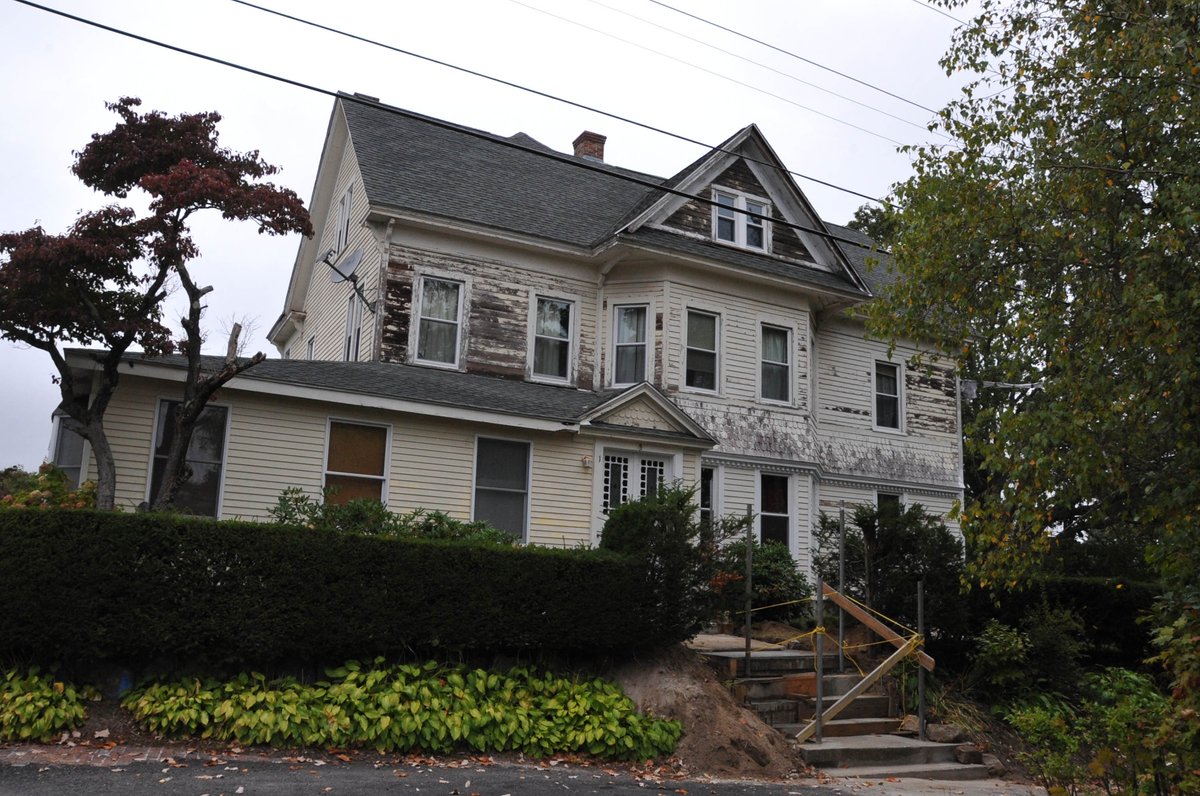
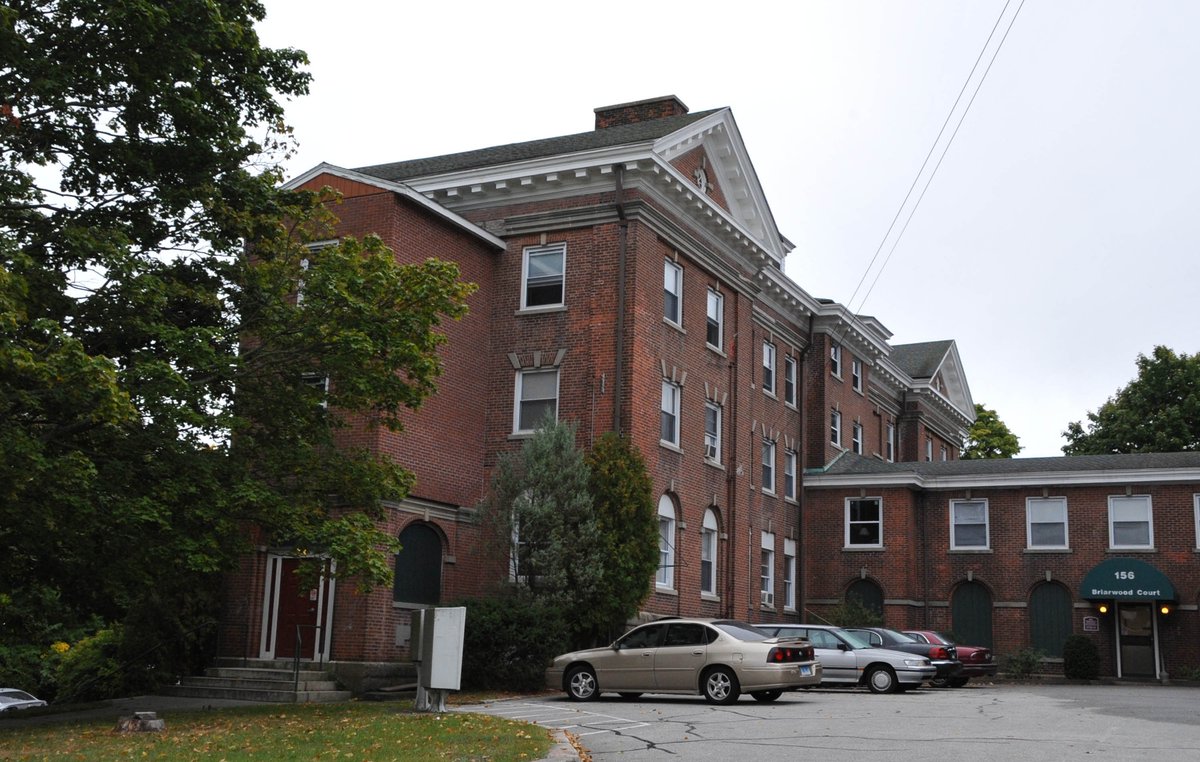
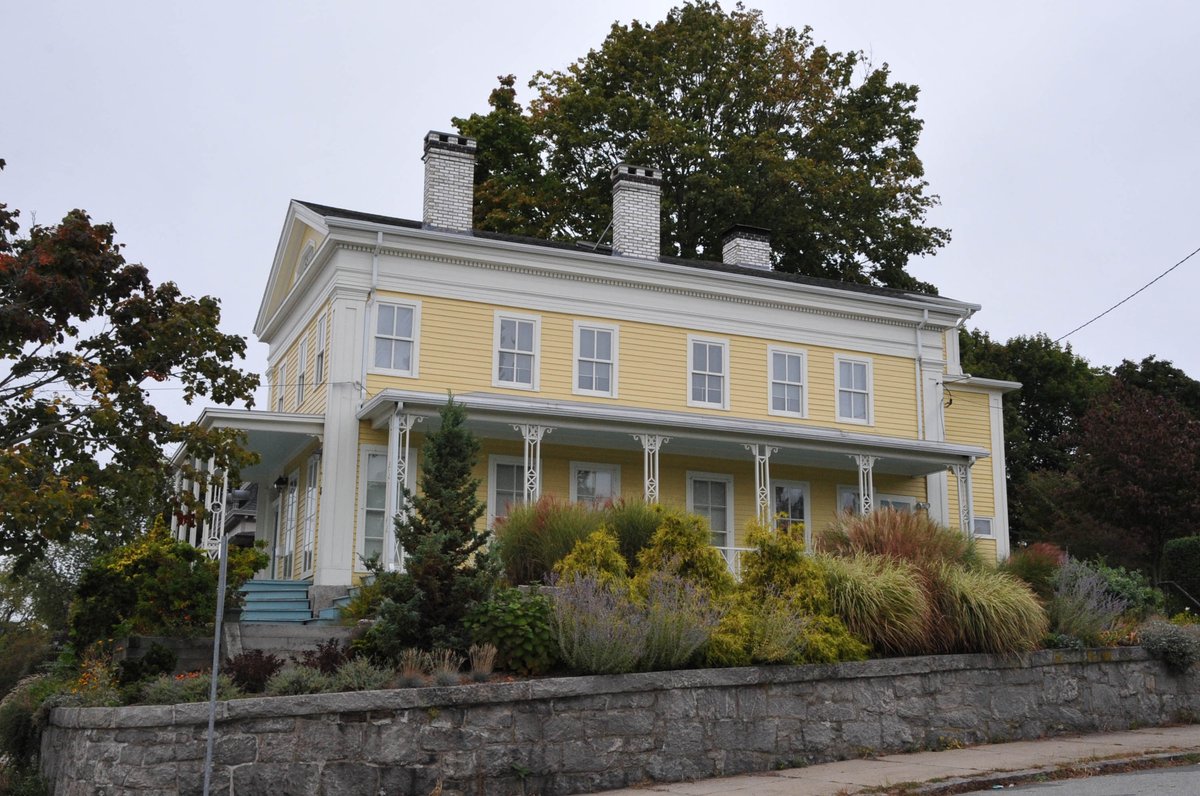
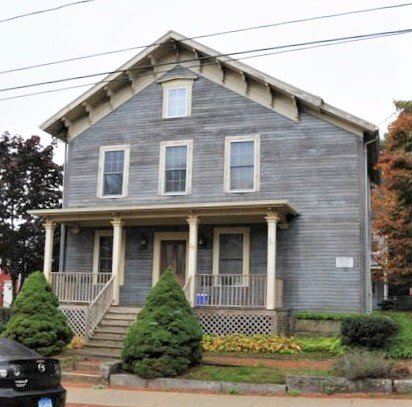
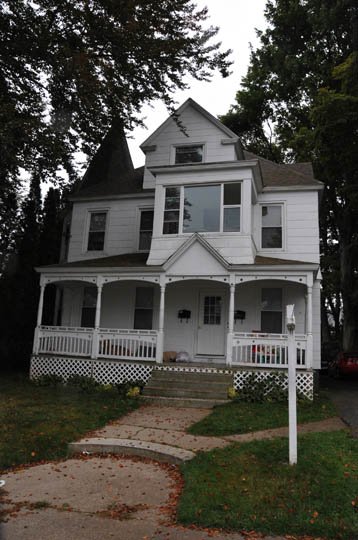
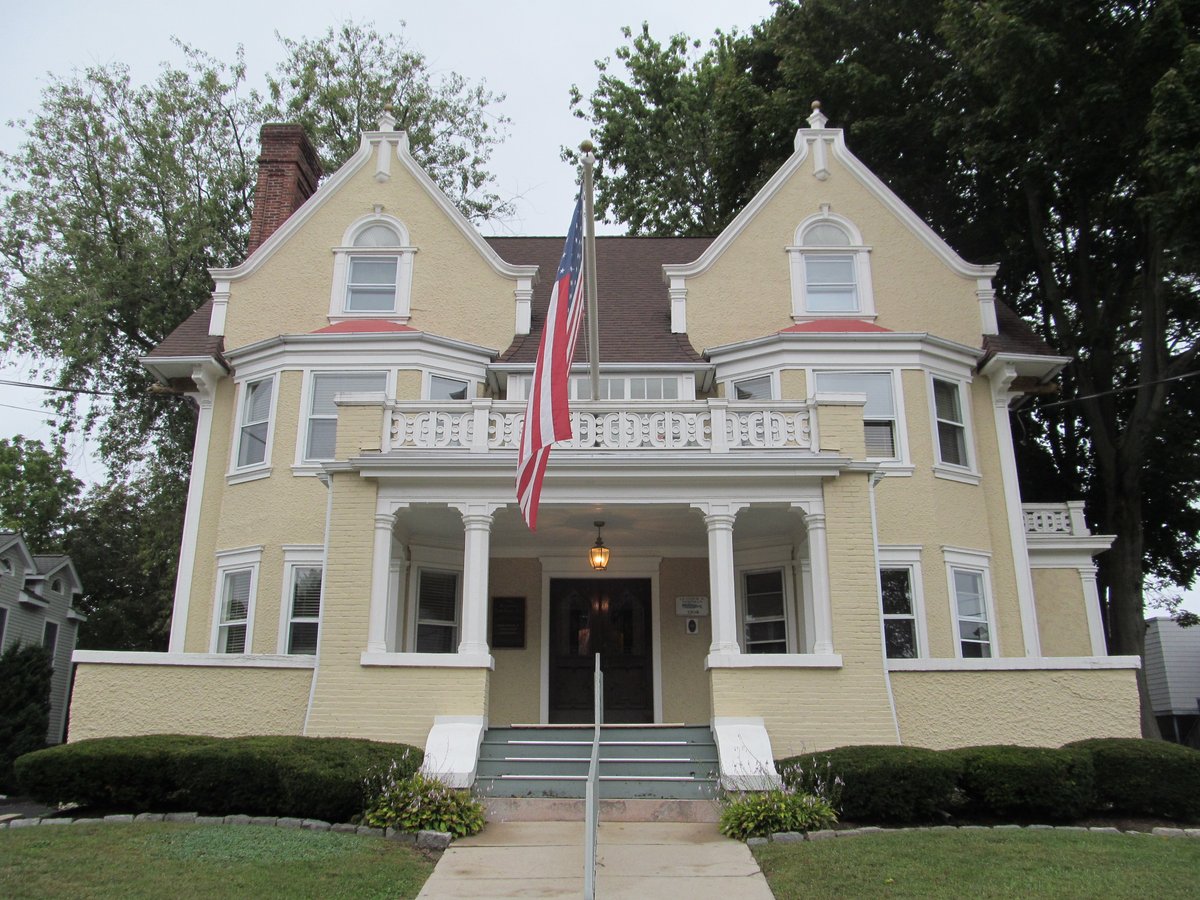
Most homes date to the 1900 to 1920 boom. Others date to the 1940 and 1950 spurt. One building remains non-residential. It is the Oswegatchie Church. It was built in 1929 for summer residents. The district is a U-shaped slice of coastal history.
Sources: Wikipedia, OpenStreetMap, Wikidata, Wikimedia Commons
Written by Leroy
Discuss this with the author and others
No comments yet. Be the first to start the conversation.