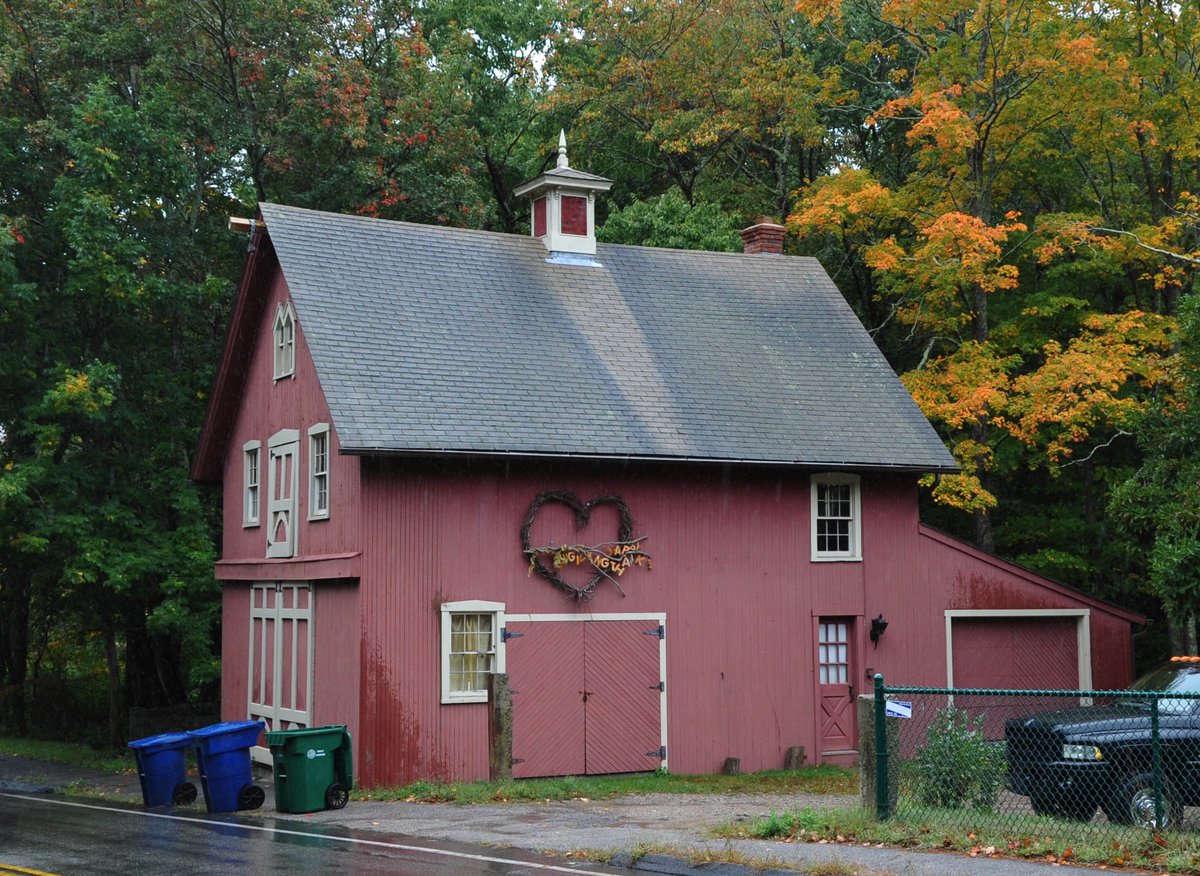
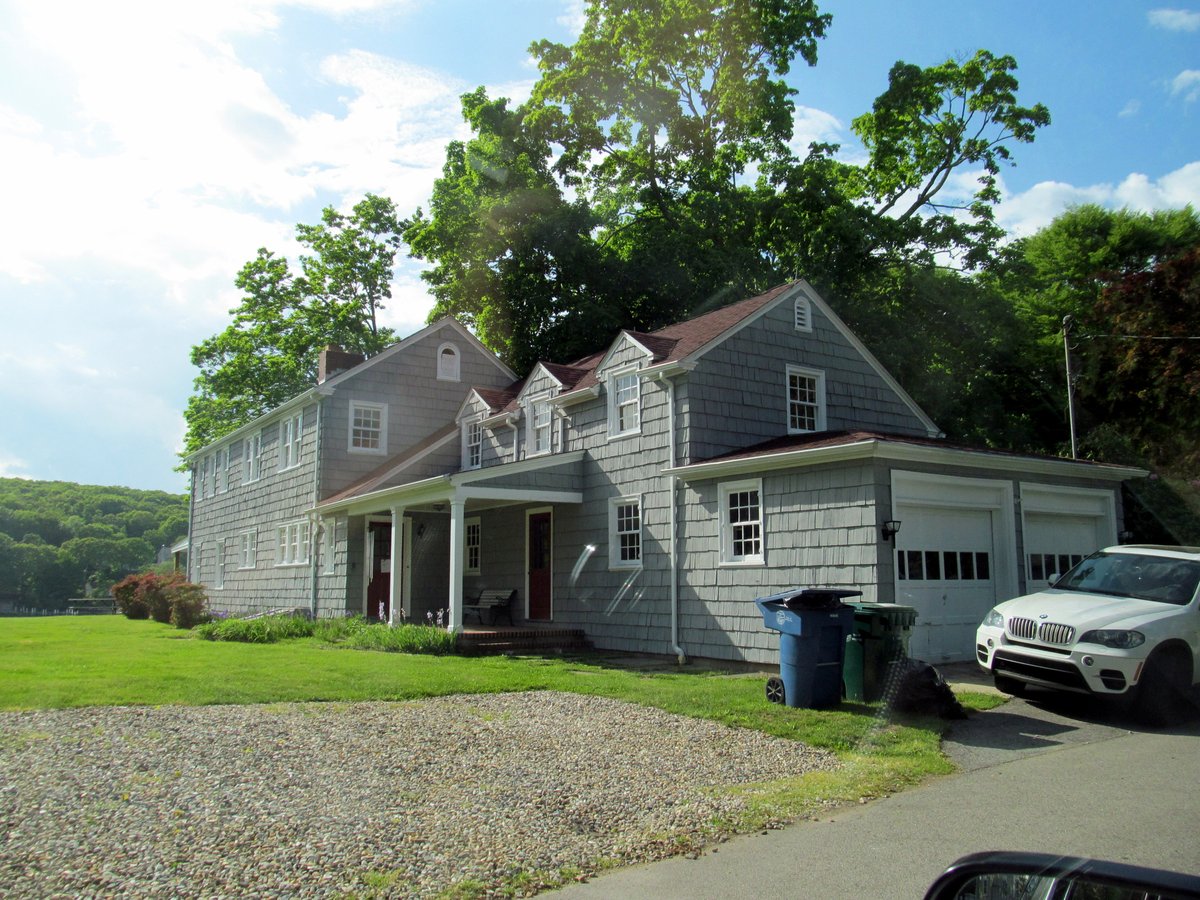
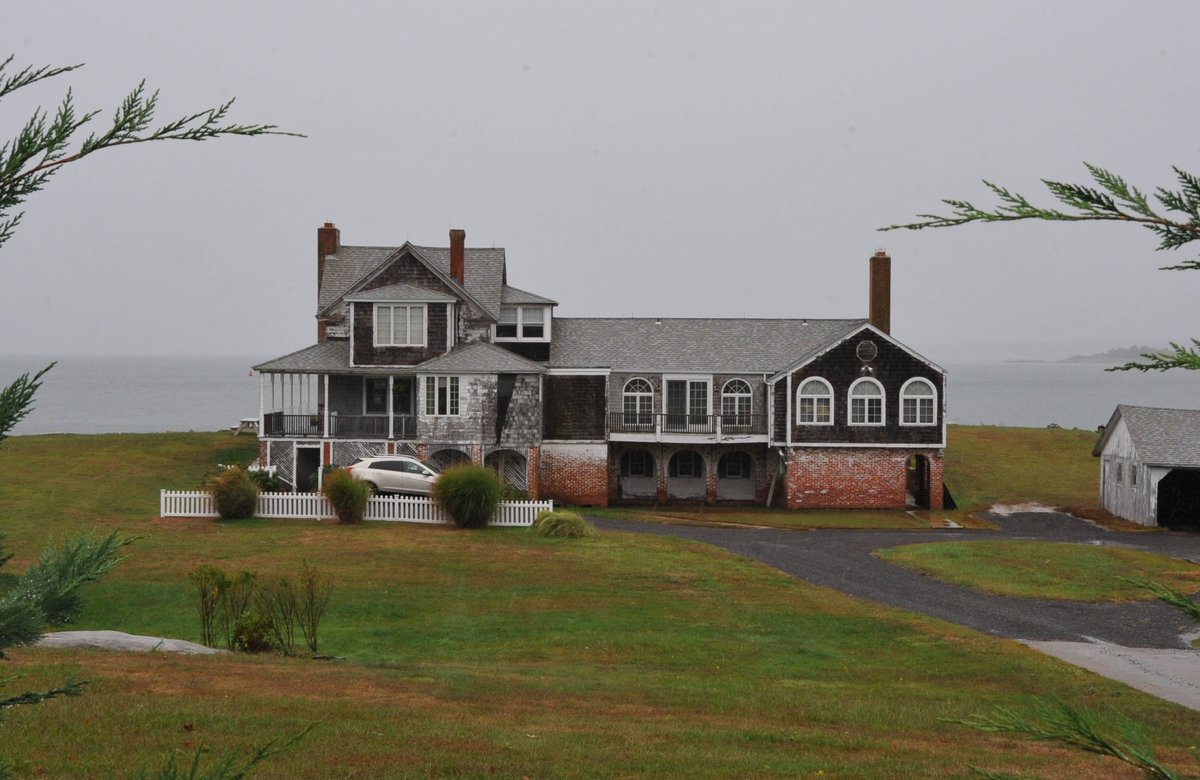
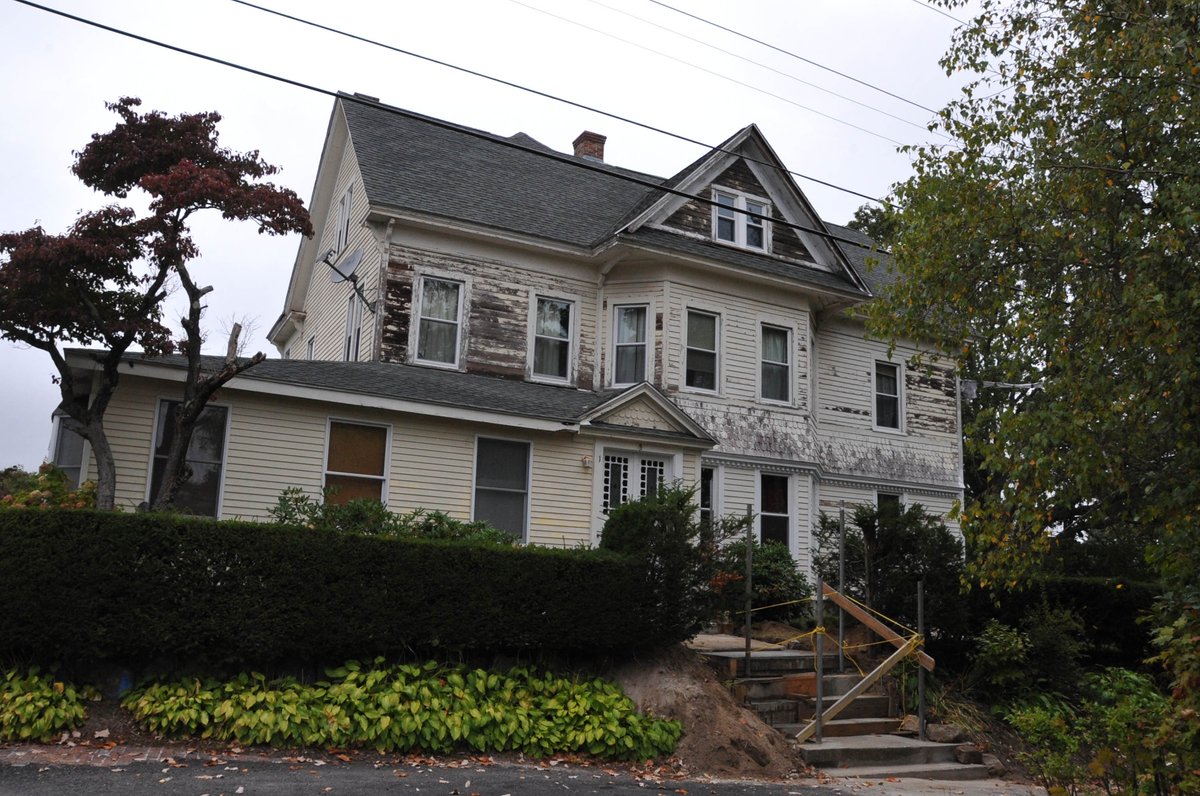
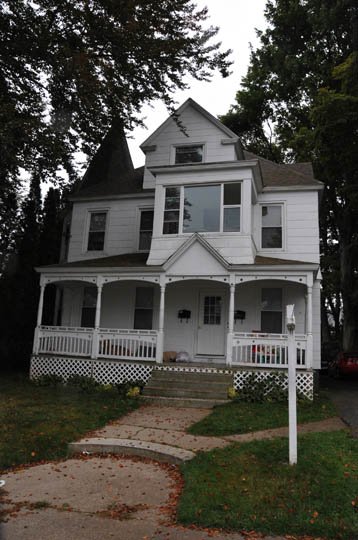
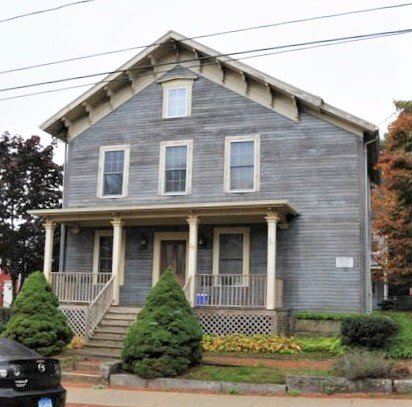
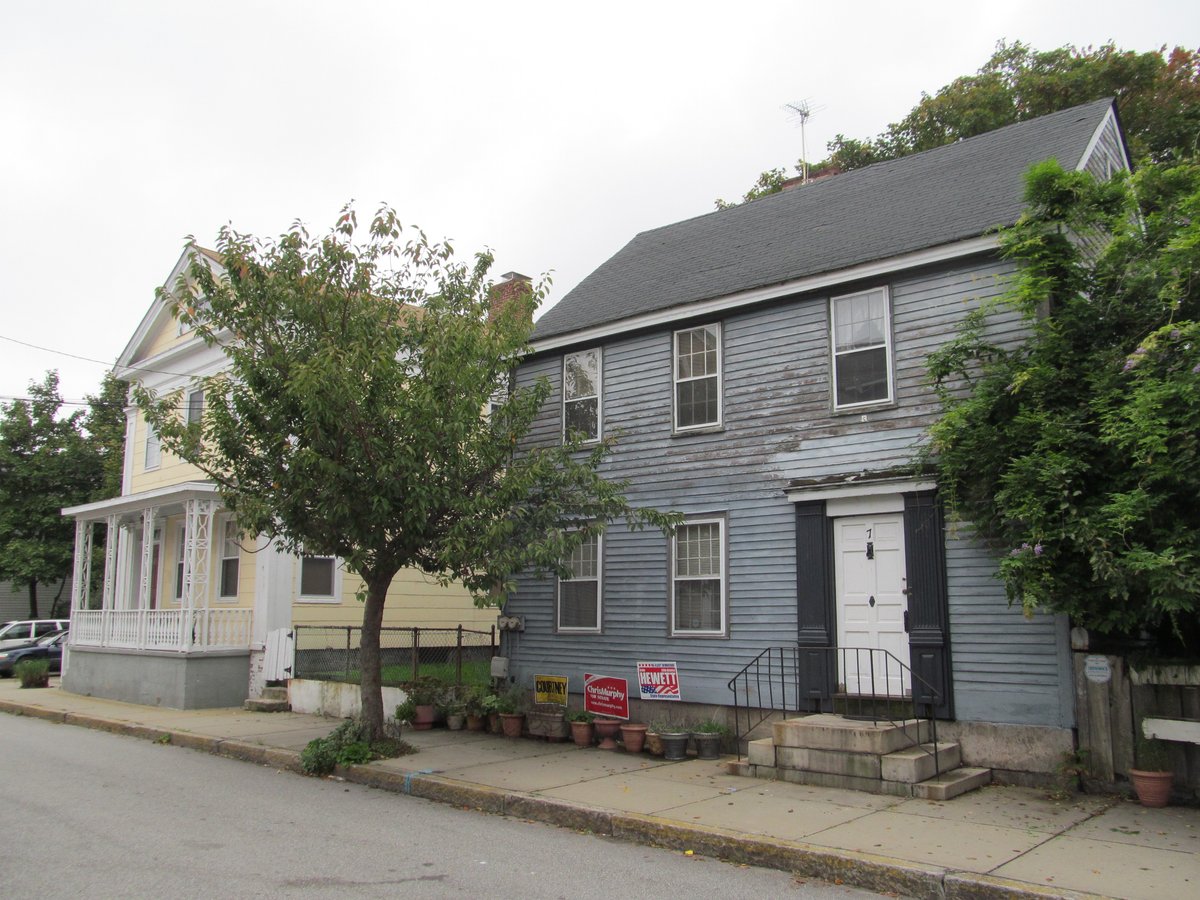
Graniteville rose from dirt and dust in the 1840s and 1850s. It was a cluster of housing for quarry workers along Rope Ferry Road, which was then the major east-west road between New London and Lyme. Most of the 31 historical buildings in the district are plain residences occupied by these workers.
Quarrying began here as early as 1737, when Edward Buor began quarrying stones for use in grist mills. It became the town's largest non-agricultural industry in the 19th century. Abandoned quarries still mark the west and northwest of the built village. One site, Millstone Point, hosted a quarry until the mid-20th century; it is where the Millstone Nuclear Power Plant is now located.
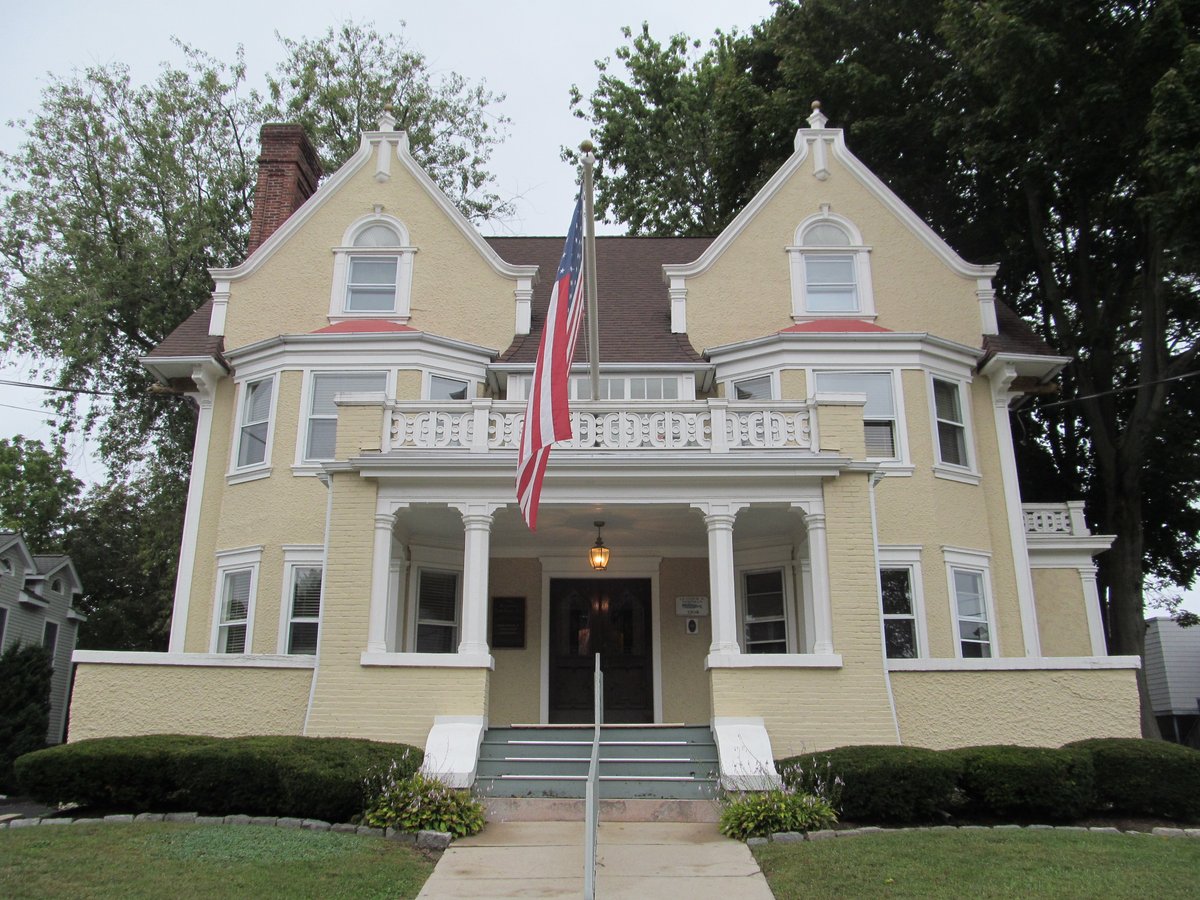
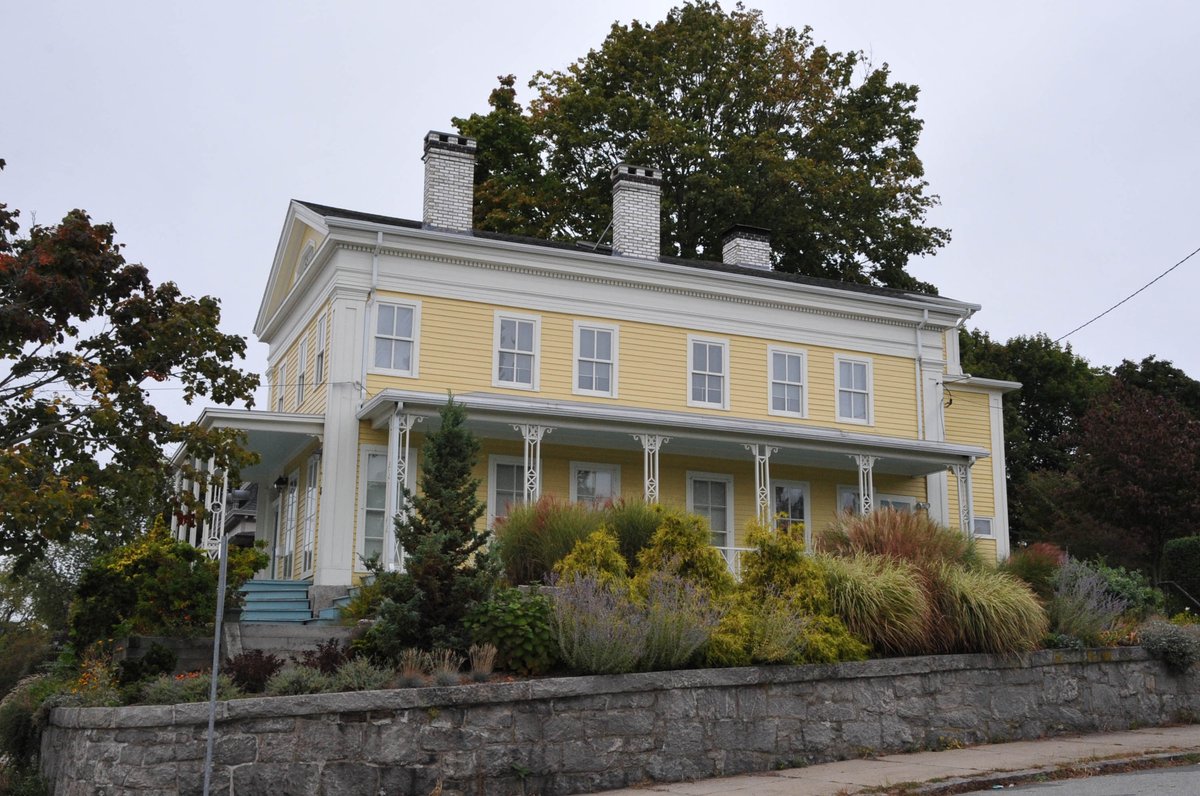
Most houses in the district are architecturally vernacular expressions of the Greek Revival style. The house of John Palmer at 218 Rope Ferry Road is a c. 1860 Italianate updating of an older house and is the most elaborate house in the district. The Graniteville School at 239 Rope Ferry Road is also Italianate, while the barn at 227 Rope Ferry Road features Carpenter Gothic architecture.
The district was listed on the National Register of Historic Places in 2003. It remains a residential stretch of Waterford, extending along Rope Ferry Road roughly from Spithead Road to Gardiners Wood Road.
Sources: Wikipedia, OpenStreetMap, Wikidata, Wikimedia Commons
Written by Leroy
Discuss this with the author and others
No comments yet. Be the first to start the conversation.