
How did a group of wealthy families end up with a mandatory hospitality bill? In the Republic of Genoa, it was all about the Rolli. This was a system where the government kept lists of the most distinguished private palaces. If a high-ranking visitor arrived on a state visit, these families were legally obligated to open their doors - and were chosen via a public lottery. It is a rather charming way to handle diplomacy, provided you had a nice enough guest room.
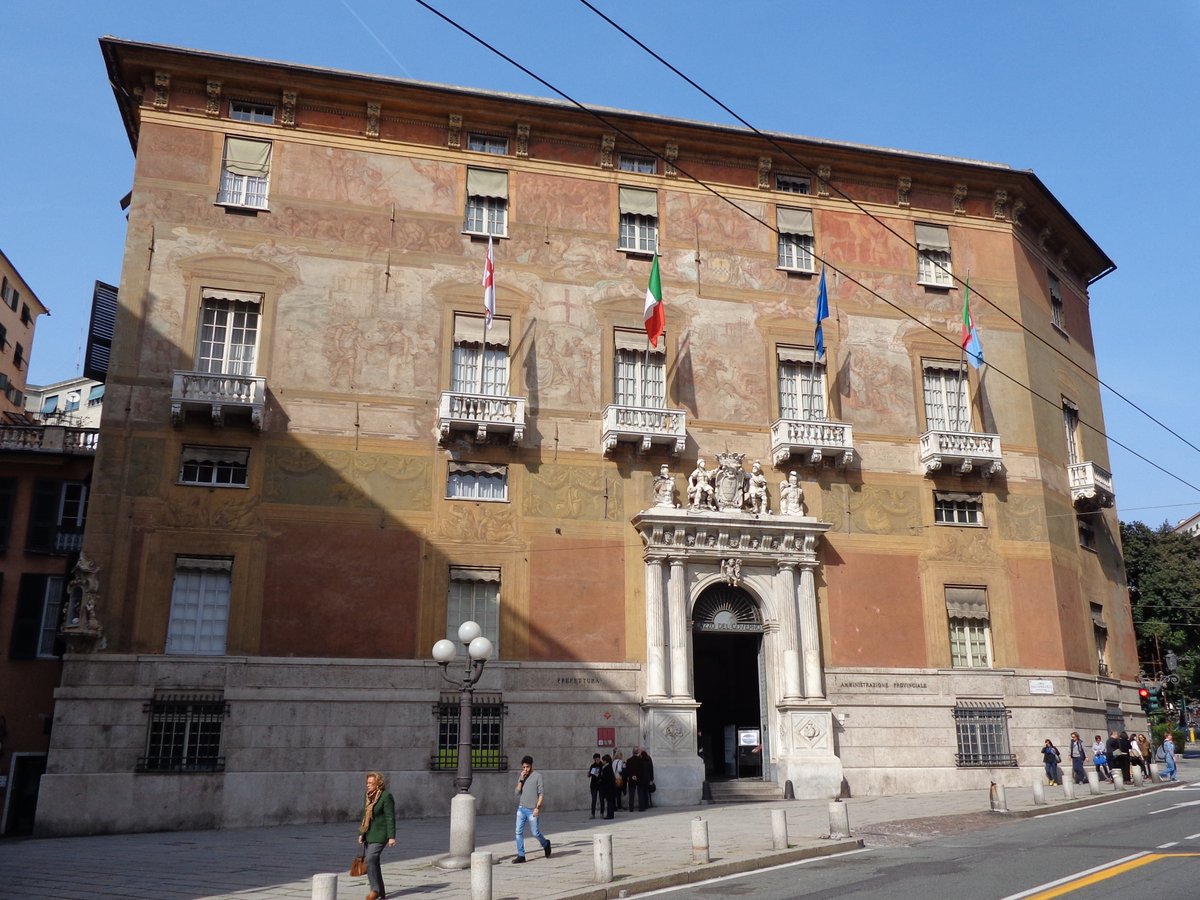
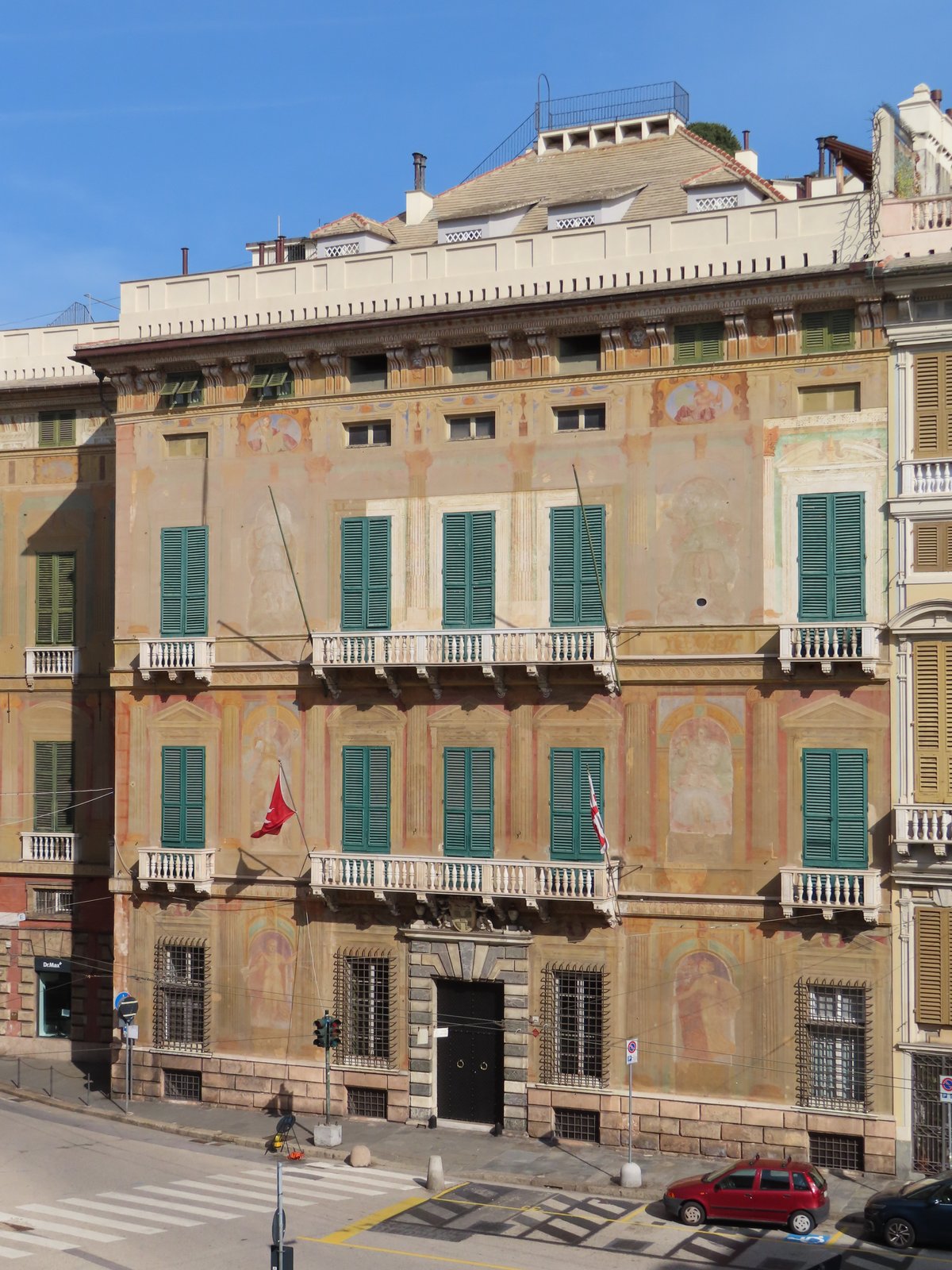
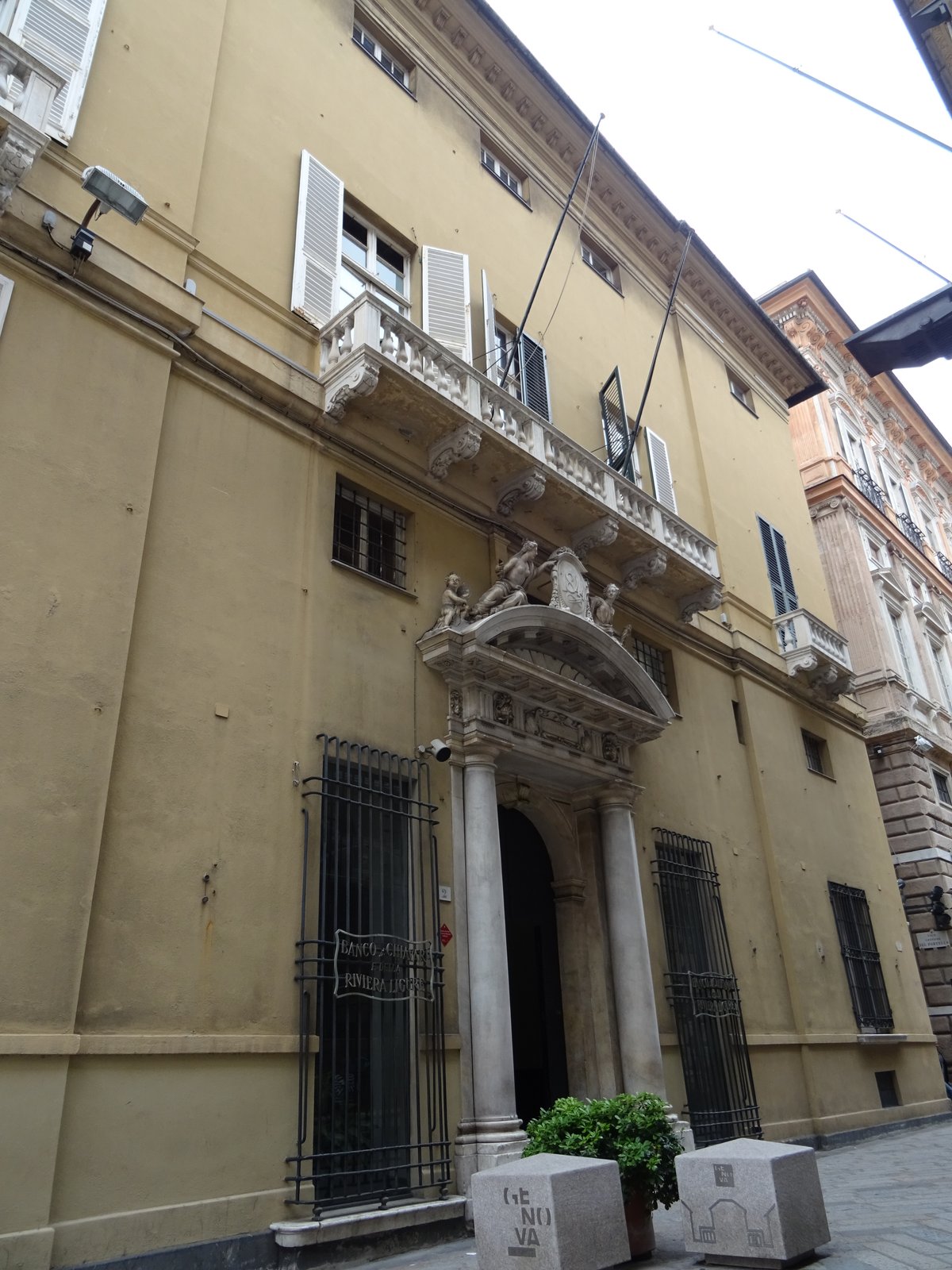
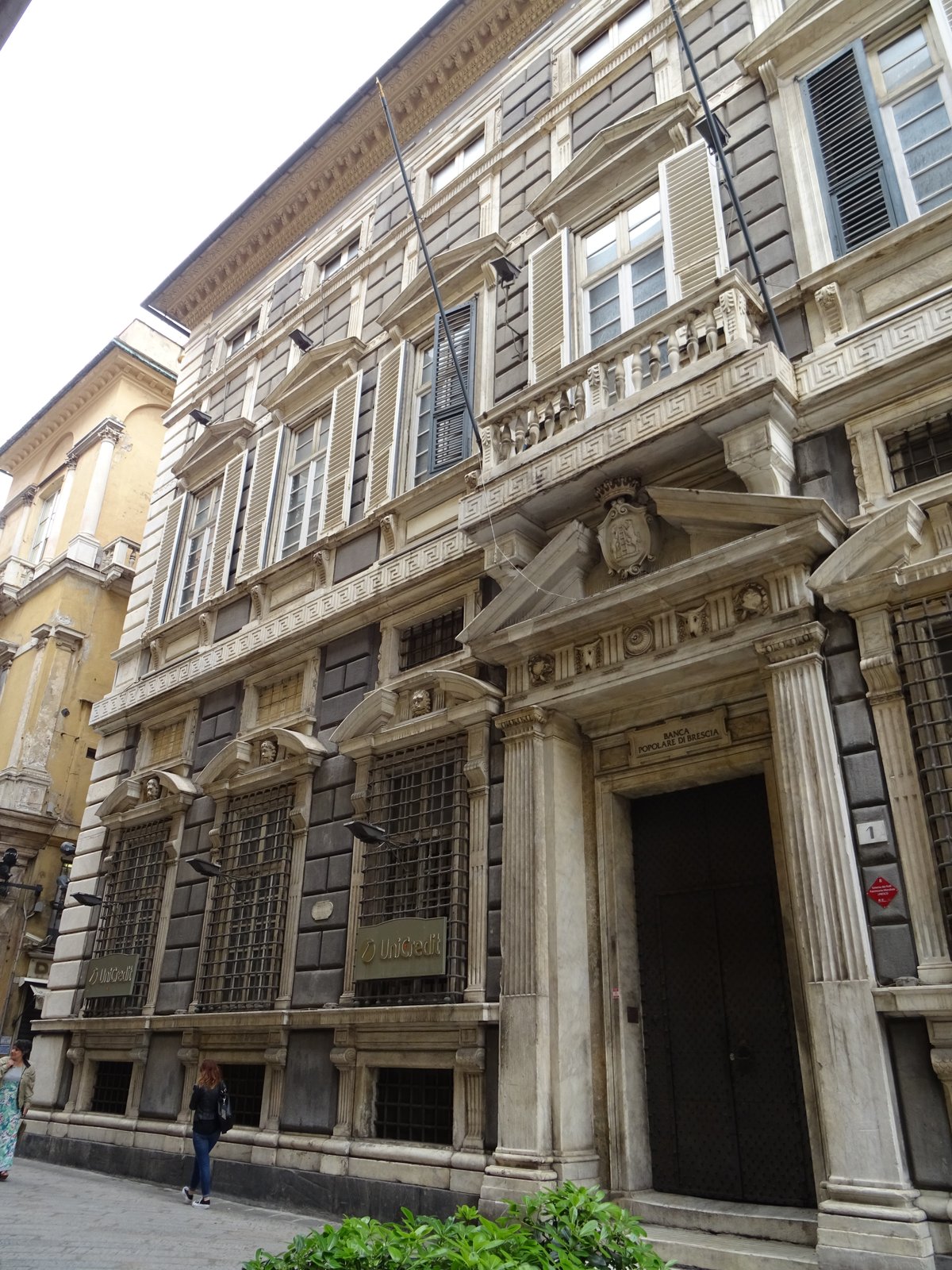
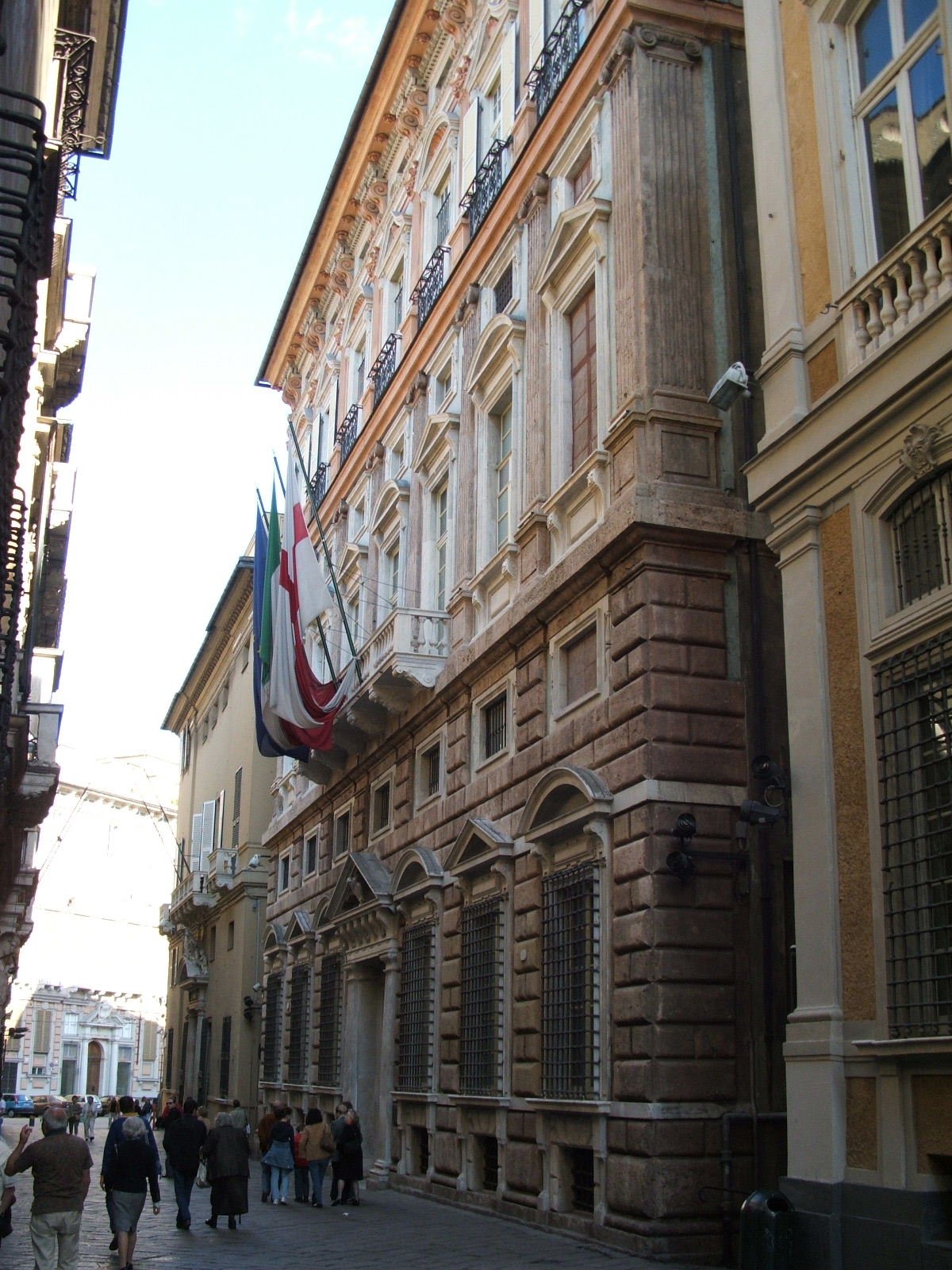
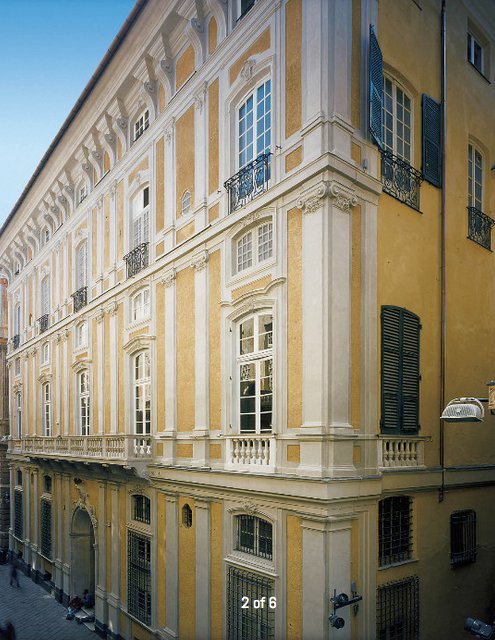
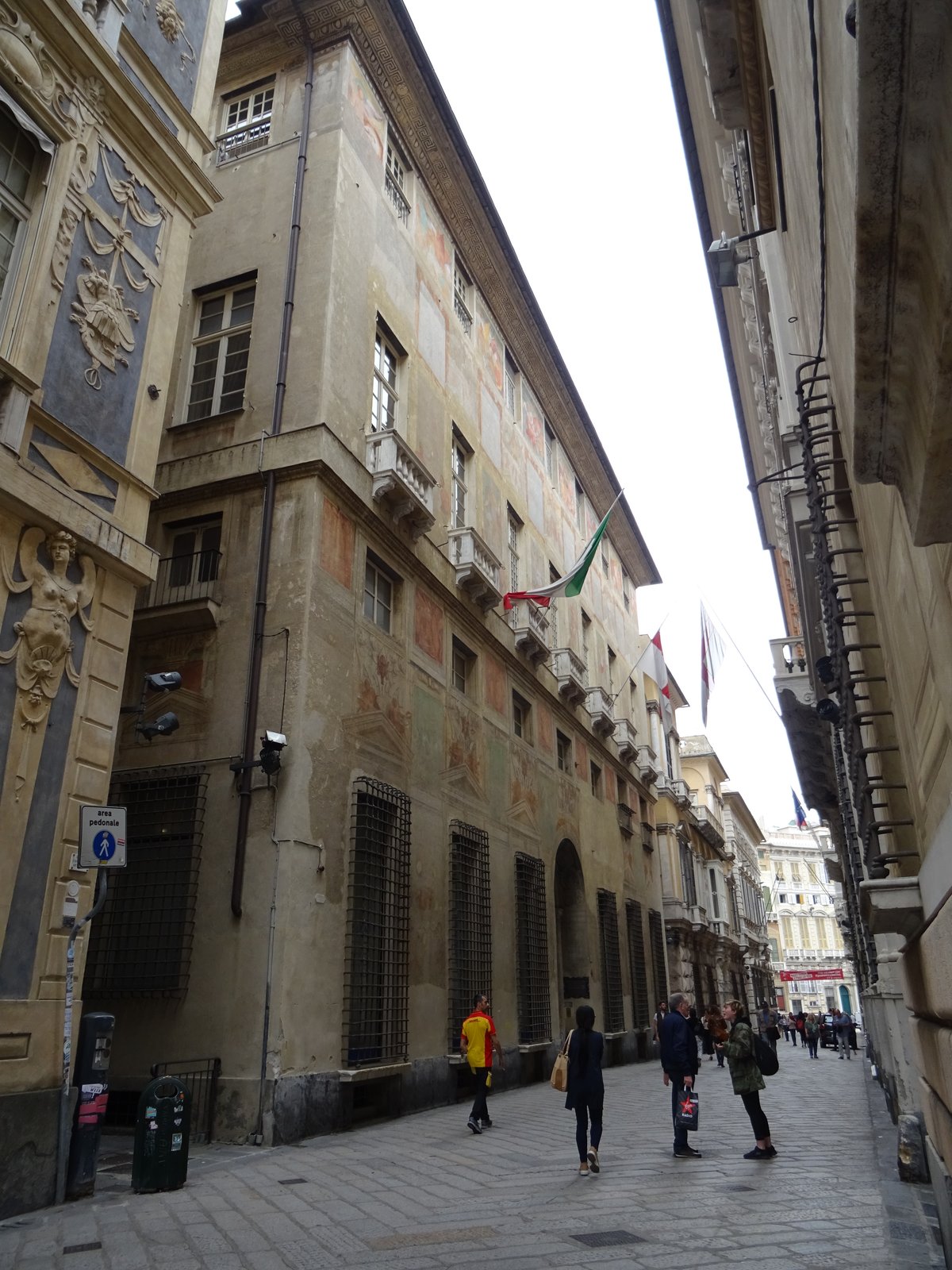
Palazzo Doria-Spinola was one of those 163 residences. It was originally commissioned by Antonio Doria, a relative of the famous Admiral Andrea Doria, after his previous home was demolished to make way for city walls. Because the area was still immersed in nature back then, the palace had plenty of space to grow. It eventually passed to the Spinola family in 1624, who added a gallery so richly decorated that it was only destroyed in the 19th century to make room for a modern road.
Inside, you can still see the ambition of the era. Artists Giovanni and Luca Cambiaso decorated the main rooms with scenes of the Trojan War and battles between sea monsters. There is even a room inspired by the Vatican's Gallery of Maps, detailing the Doria family's work for the Spanish Crown. Today, the building serves as the seat of the Province and the Prefecture of Genoa, but you can still visit the areas that are open to the public.
Sources: Wikipedia, OpenStreetMap, Wikidata, Wikimedia Commons
Written by Nicolo Ciampini
Discuss this with the author and others
No comments yet. Be the first to start the conversation.