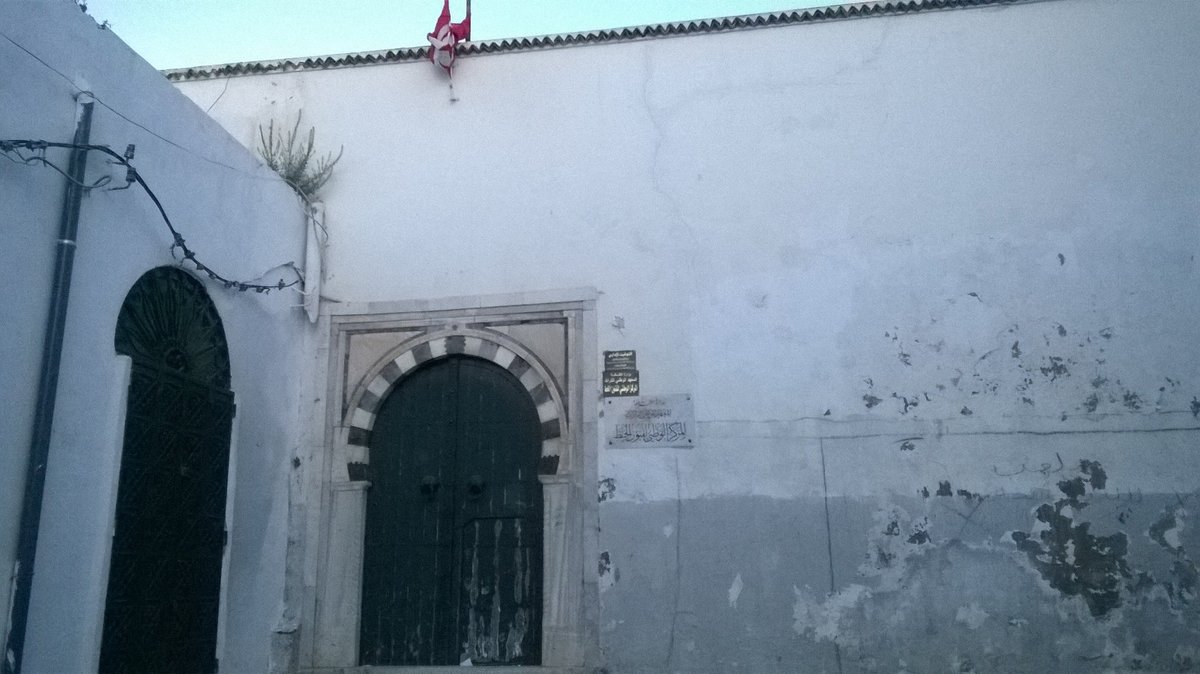

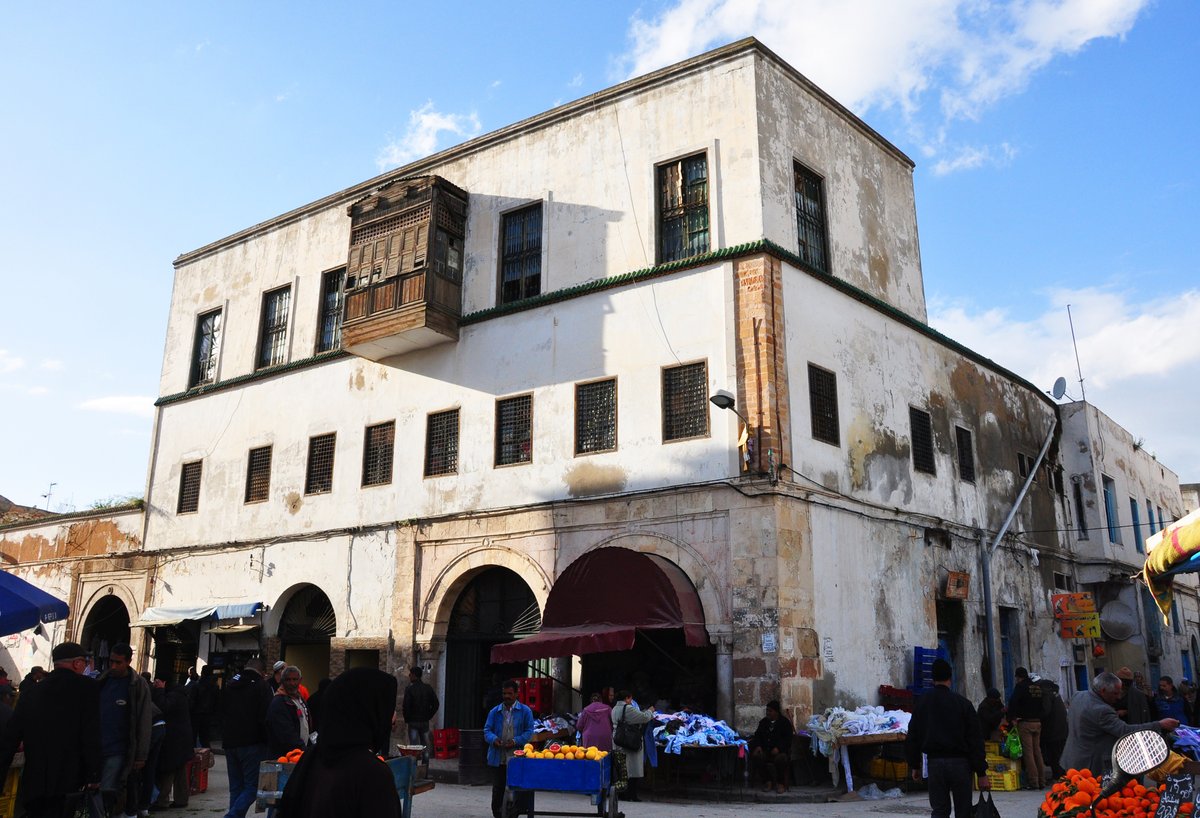
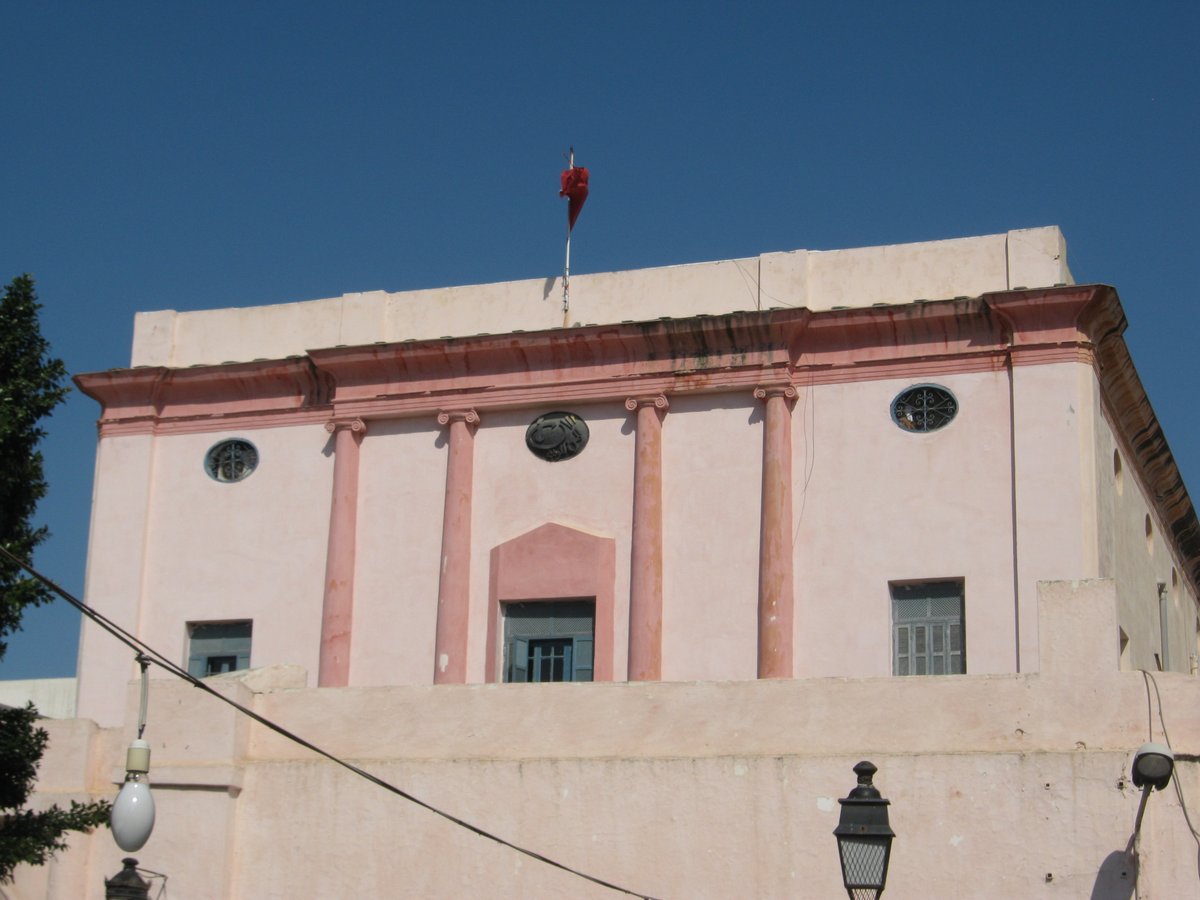
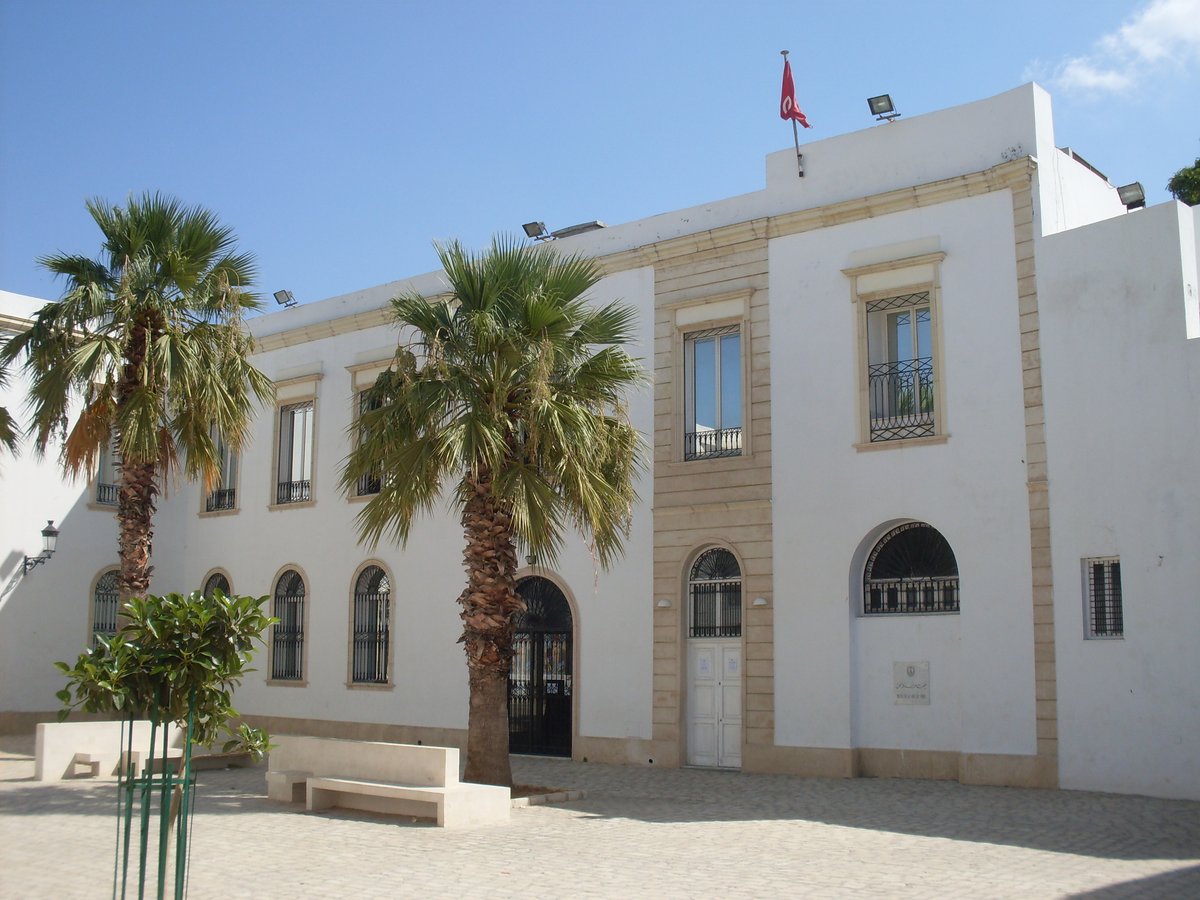
The National Centre for Art of Arabic Calligraphy occupies a historic building in the Hulfawin neighborhood. Originally established as a Zawiya, the site was dedicated to the rituals of the Issaouia order since its construction in 1852 and became the home of the calligraphy center in 1995.
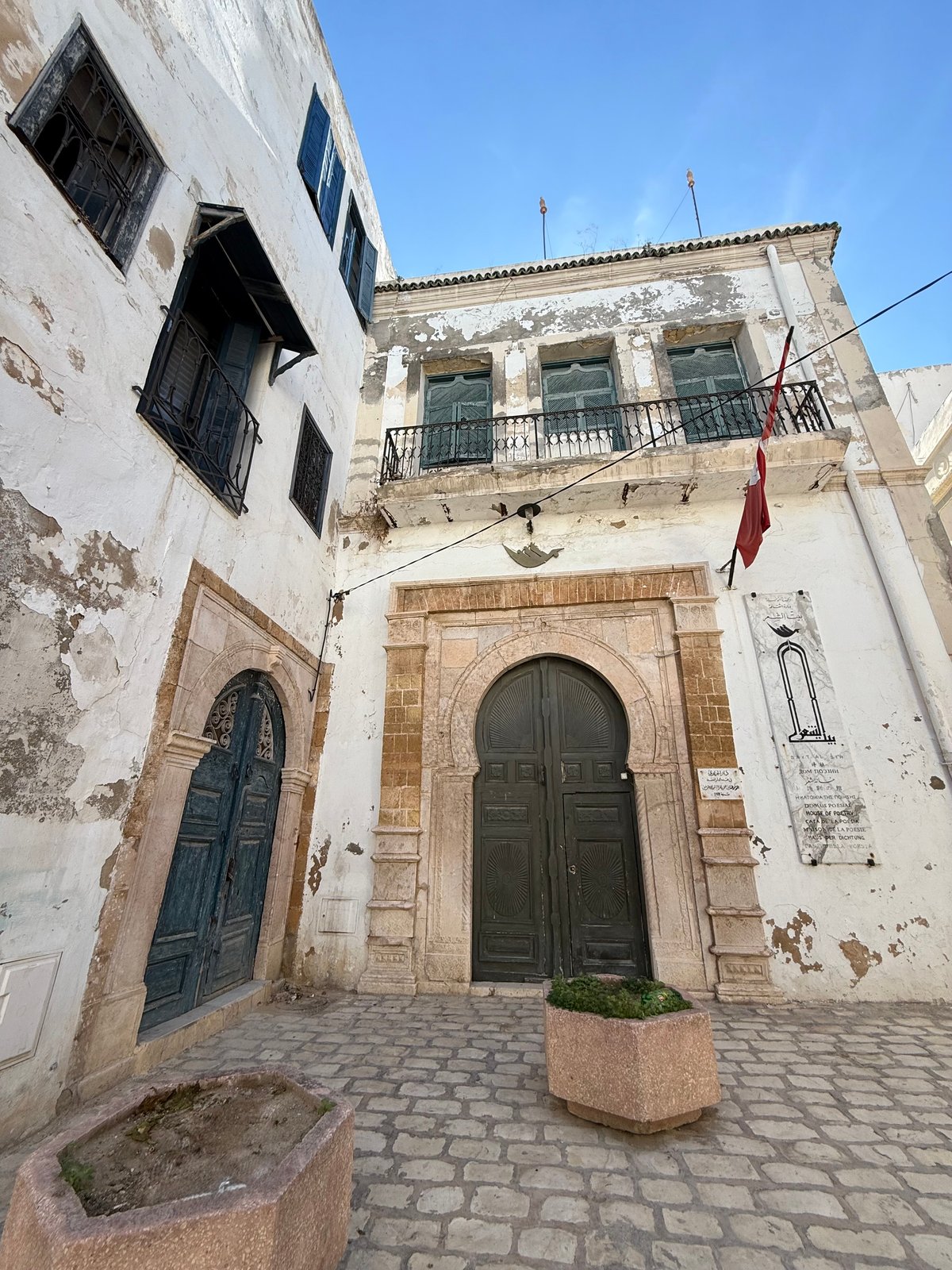
Located at number 8 in the Hulfawin, the Zawiya was built in 1852 by the minister Mustafa Khaznadar. He belonged to the Issaouia order and donated the site to Sheikh Abu al-Fadl Qasim al-Fasi, who was buried there in 1854. The site is named in his honor.
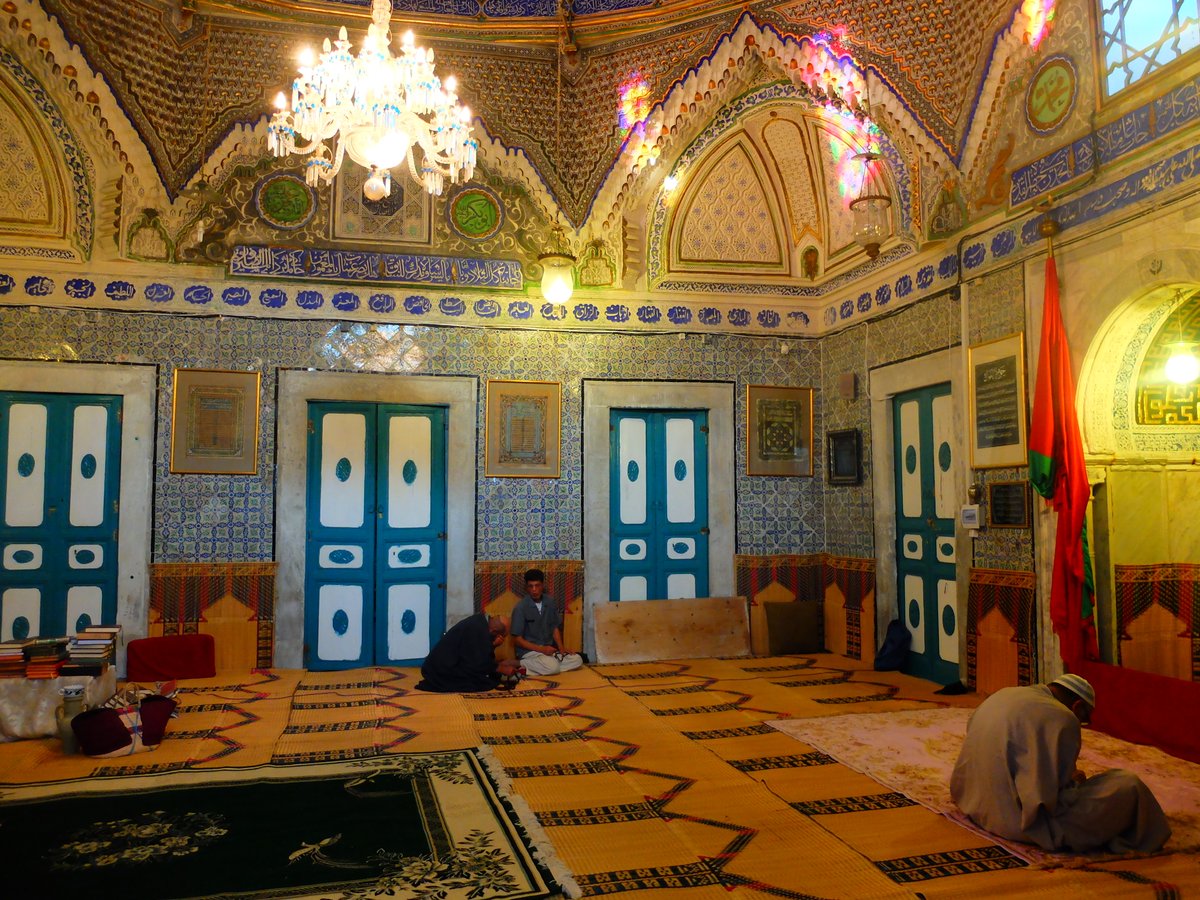
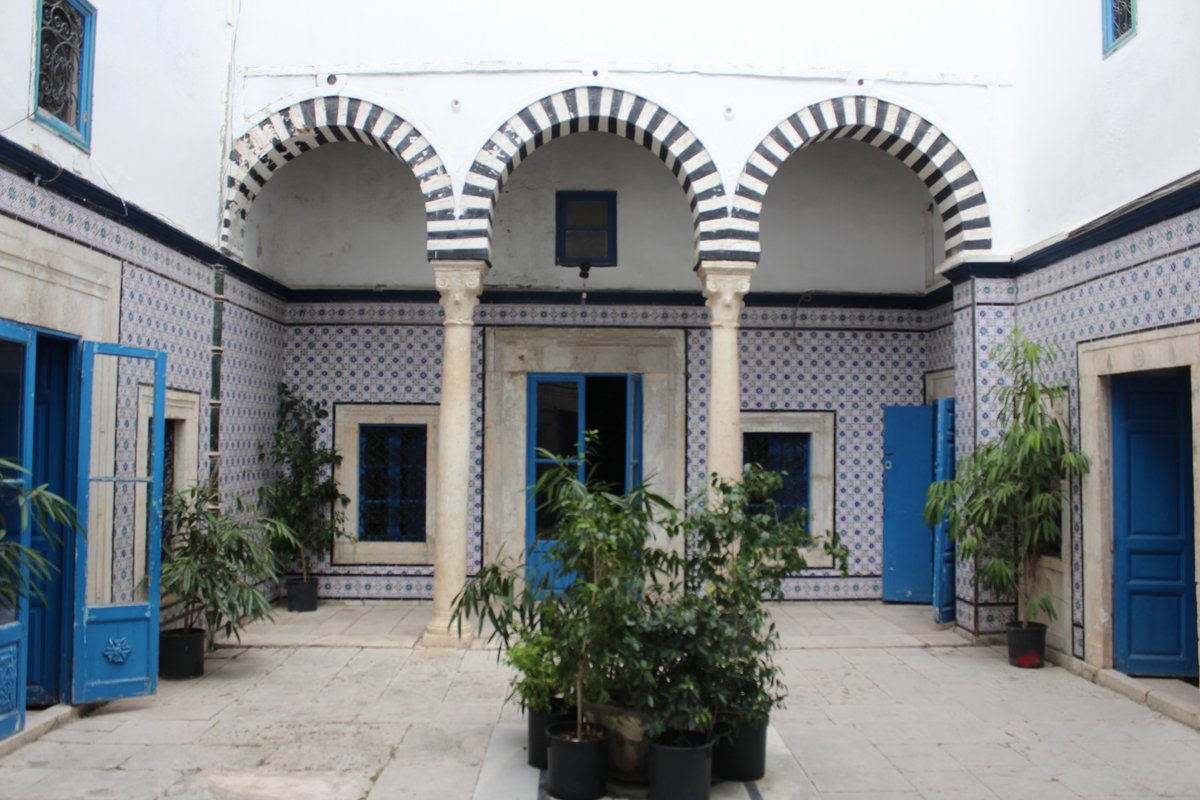
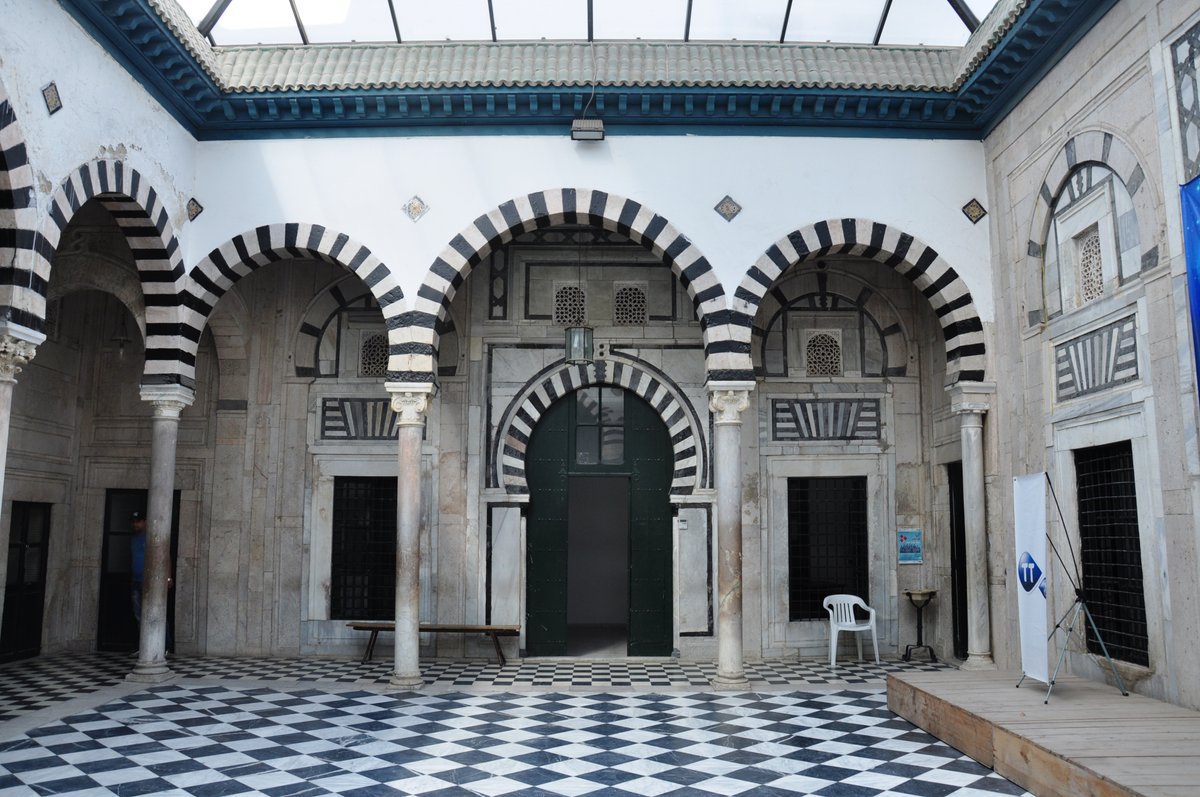
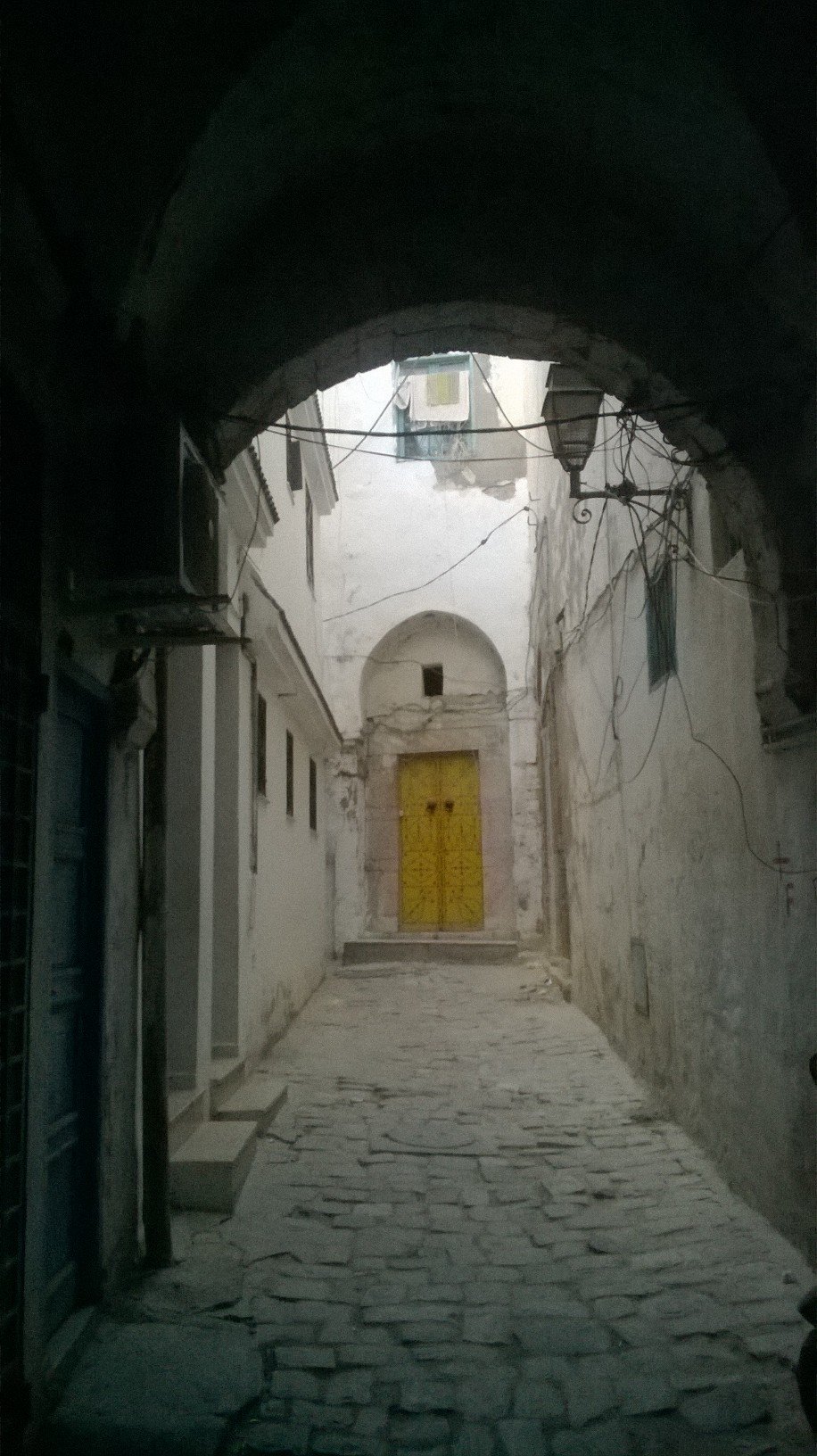
Visitors enter through a covered entrance featuring a flat dome known as the Turtle Back, which leads to a porch opening onto a rectangular internal courtyard decorated with zellij tiles. The architectural significance of the Zawiya lies in the grand hall, which houses the tombs of Sidi Ali Shihqa and his relatives under a large oval dome with four smaller domes on its sides.
Sources: Wikipedia, OpenStreetMap, Wikidata, Wikimedia Commons
Written by Mutabor
Discuss this with the author and others
No comments yet. Be the first to start the conversation.