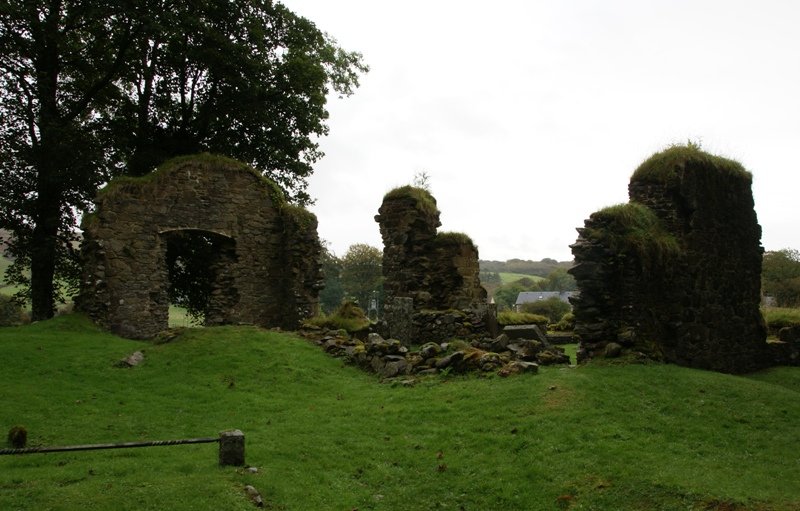

Somerled, the Lord of Kintyre, established this Cistercian monastery in 1160. He did not see it to completion, as he was killed in the Battle of Renfrew in 1164. His son, Ragnall, succeeded him as Lord of Kintyre and completed the construction of the abbey. The monastery was built on a bluff overlooking the confluence of Saddell Water and Allt nam Manach.
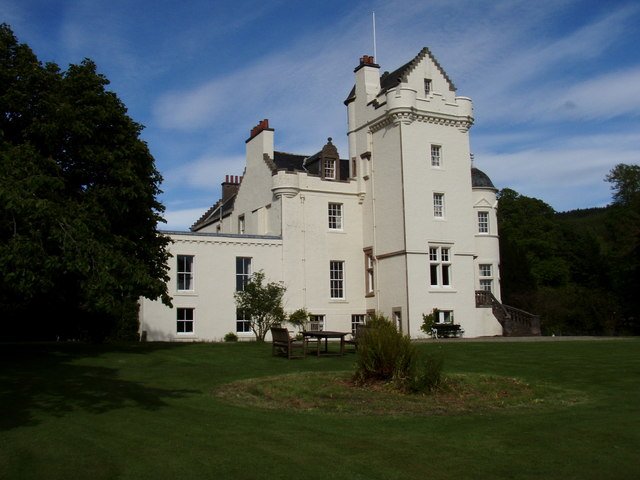
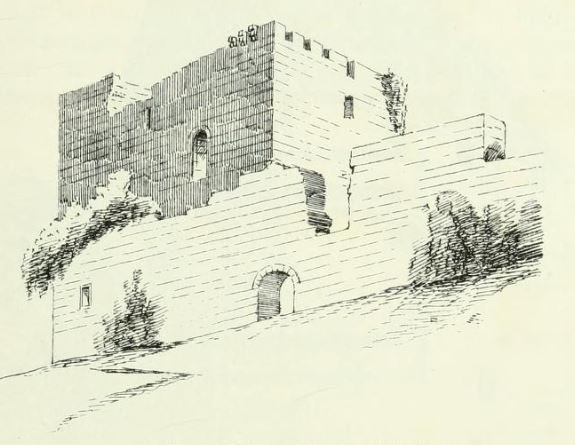
By the late 15th century, the abbey was abandoned. Most of the buildings survived until the 16th century, when they were dismantled and used elsewhere on the Saddell Castle estate. Today, an assemblage of stone walls surrounded by a burial ground represents the north transept and nave of the original church. A section of low stone walls also remains, which was originally part of the refectory and undercroft. The site also features a holy well with an early 19th century stone drinking basin embellished with a Latin cross.
The abbey is widely known for its important collection of life-sized stone carvings and burial slabs constructed from the 14th to the 16th centuries. Several of these carvings, including a cross, six grave slabs and five effigies, are on display under a special shelter at the entrance to the site. Other slabs are located outside the ruined walls of the church and include several late 17th century recumbent stones. It is believed that the effigies were constructed on the island of Iona and brought to the abbey, while the remaining carvings were made by skilled stone craftsmen on site.
Sources: Wikipedia, OpenStreetMap, Wikidata, Wikimedia Commons
Written by Nicolo Ciampini
Discuss this with the author and others
No comments yet. Be the first to start the conversation.