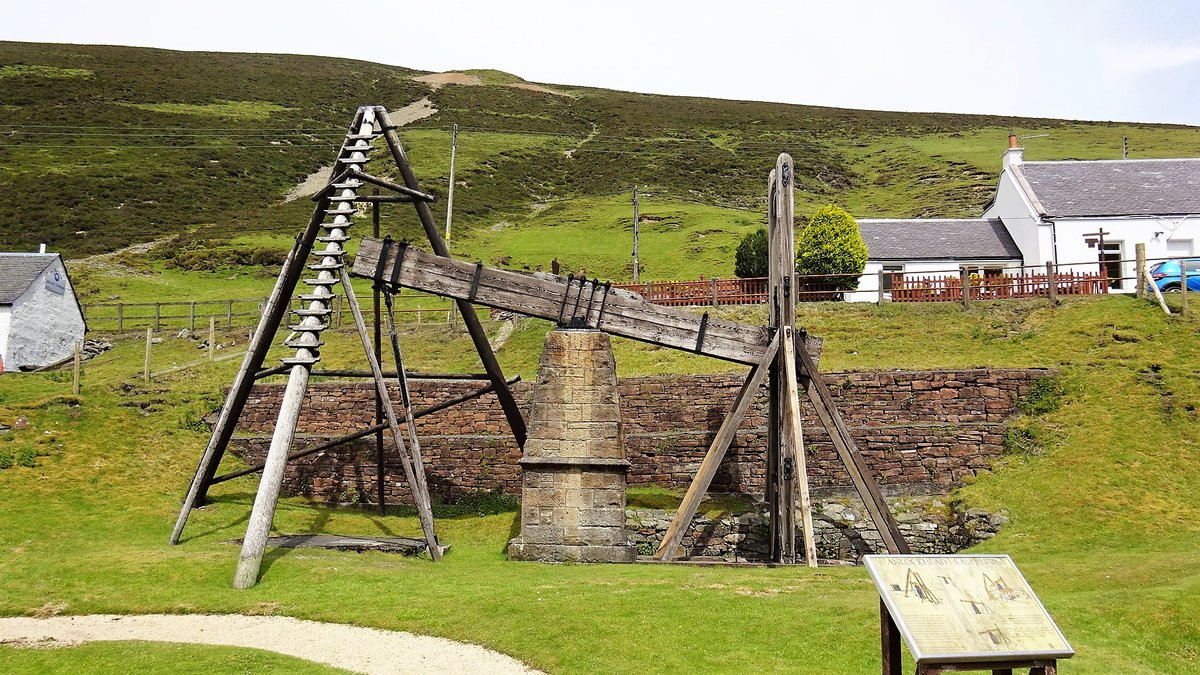

How does a machine grind away for 24 hours without burning a single lump of coal? It relies on the sheer weight of water. This is the Wanlockhead beam engine in the UK. It is the only original water powered beam engine left in the country. Is it just a 19th century railway bridge pier on Church Street? Not exactly. It was actually a vital drain designed to save the nearby lead mines.
Did you know it served as a backup pump for the Straitsteps lead mine from 1870 until 1910? It operated by filling a huge square bucket on a massive pitch pine beam. Once the water made that bucket heavy enough, did the beam tip? Yes. That movement used a submerged rod to heave 7000 litres of water every hour. It was a simple loop that prevented the mines from becoming underground lakes.
Why did the miners call it the Bobbin John? They loved its repetitive nodding motion. Isn't it hilarious that the design ideas came from failed attempts at perpetual motion? Humans have spent centuries trying to break the laws of physics. In this case, did they actually succeed? For a while, they did.
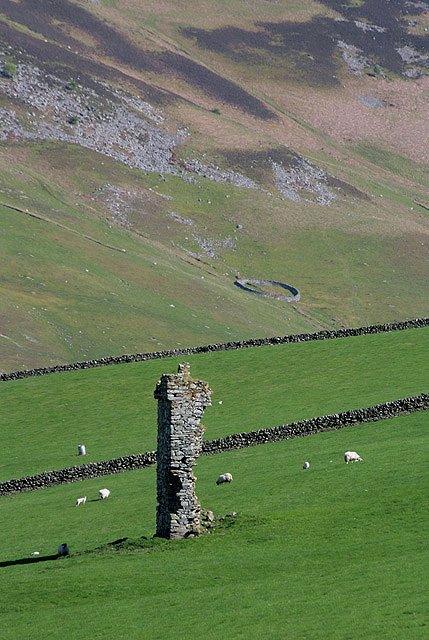
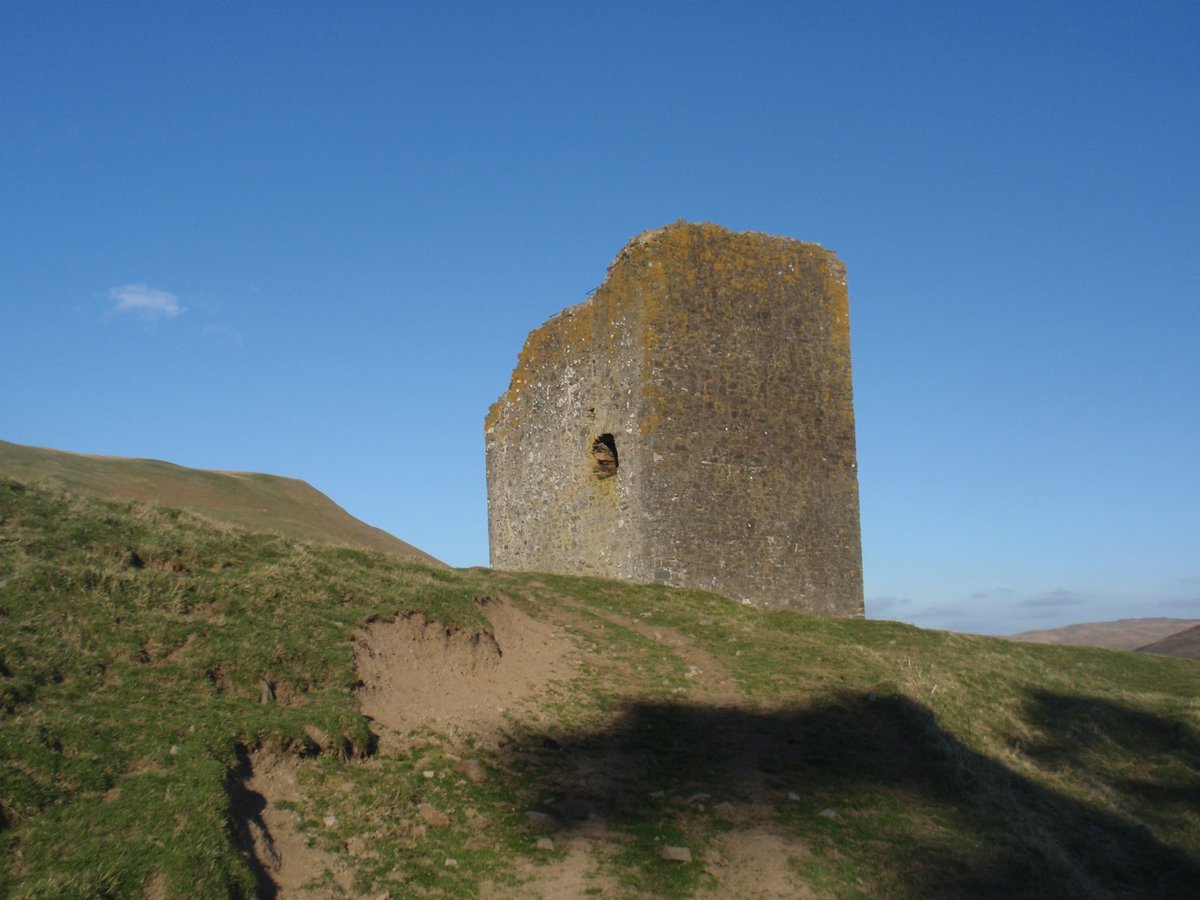
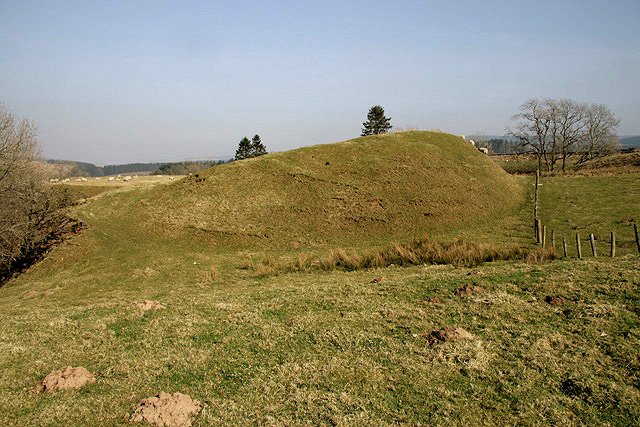
Is the site still around today? It is now a Scheduled Industrial Monument. You can still see the stone column built from well dressed freestone ashlar block masonry and the pit where water once drained into the Wanlock Burn. Can you see the double circle walkway in the ground? That marks where a horse gin once stood. It is a silent place, but it hides a history of very heavy lifting.
Sources: Wikipedia, OpenStreetMap, Wikidata, Wikimedia Commons
Written by Nicolo Ciampini
Discuss this with the author and others
No comments yet. Be the first to start the conversation.