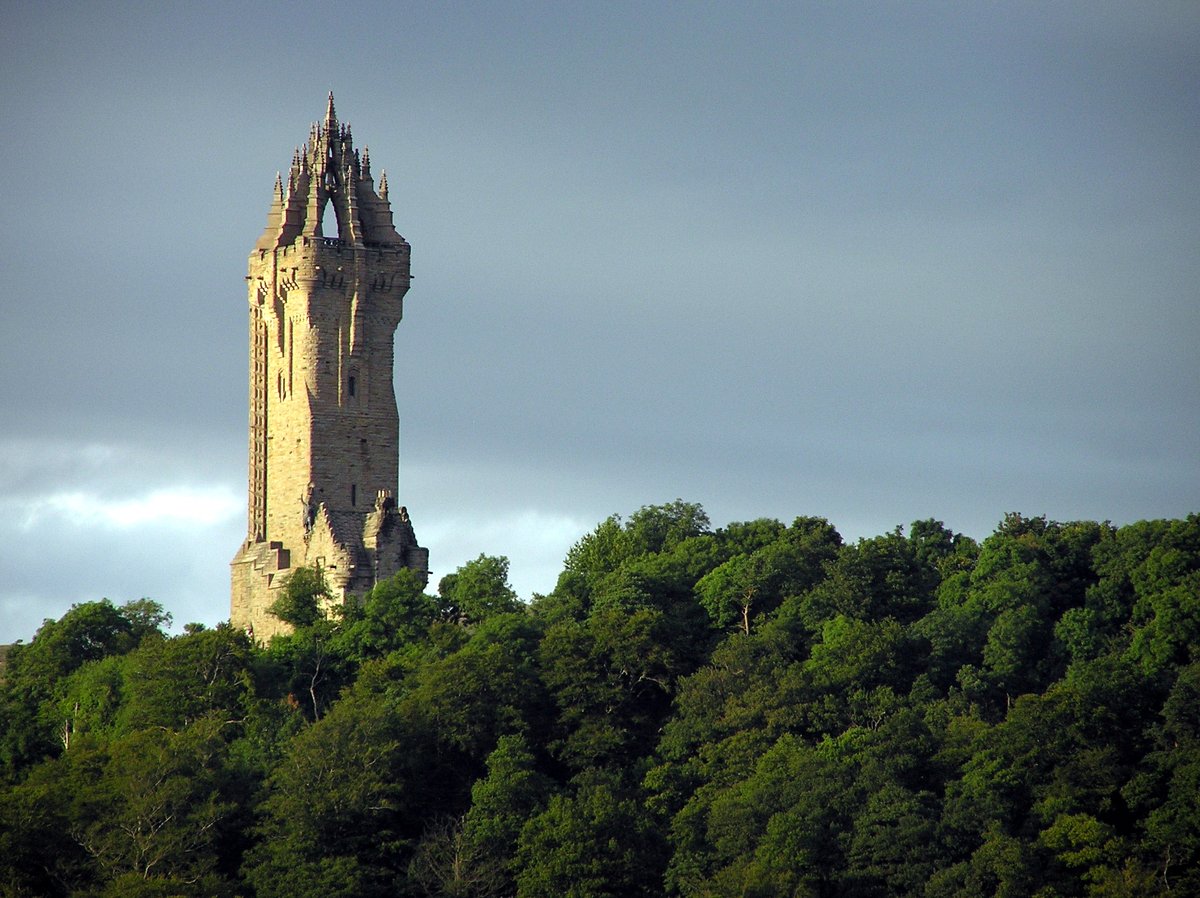
The National Wallace Monument, standing majestically tall at 246 feet, is more than just a testament to Sir William Wallace's bravery; it's a symbol of the Scottish people's collective resolve in the 19th century. This monument was not built by a single master artisan nor funded by a wealthy patron. Instead, it was the result of a campaign, a campaign that brought the Scottish people together to fund an ambitious project. Let's delve deeper into the stories behind the Monument.
Rev. Charles Rogers of Glasgow initiated the campaign in 1851. He was later joined by William Burns, who took sole charge from around 1855 following Rogers' resignation and led the campaign until the Monument's completion in 1869. The Monument was partially funded by foreign donors such as the Italian national leader Giuseppe Garibaldi, demonstrating the global appeal of the Scottish cause. John Thomas Rochead, the architect of the monument, designed it in the Victorian Gothic style.
The foundation stone was laid in 1861 by the Duke of Atholl in his role as Grand Master Mason of Scotland. The Monument took eight years to build and cost £18,000, which in 2024 would be around £1.8 million. Upon entering the Monument, visitors are met with 246 steps leading to the observation platform. Inside, there are three exhibition rooms that give a glimpse into Sir William Wallace's life and times. The Monument is not accessible to disabled visitors, but for those who do make the climb, the view from the top is a rewarding spectacle, offering expansive views of the Ochil Hills and the Forth Valley.
Inside the Monument, one can find artifacts believed to have belonged to Sir William Wallace, including the Wallace Sword, which, at a length of 1.63 metres and a weight of 2.35 kilograms, is small but mighty. The Monument also contains a Hall of Heroes, displaying busts of famous Scottish heroes such as Robert the Bruce, George Buchanan, Sir David Brewster, and others, creating a small national Hall of Fame.
Sources: Wikipedia, OpenStreetMap, Wikidata, Wikimedia Commons
Written by Nicolo Ciampini
Discuss this with the author and others
No comments yet. Be the first to start the conversation.