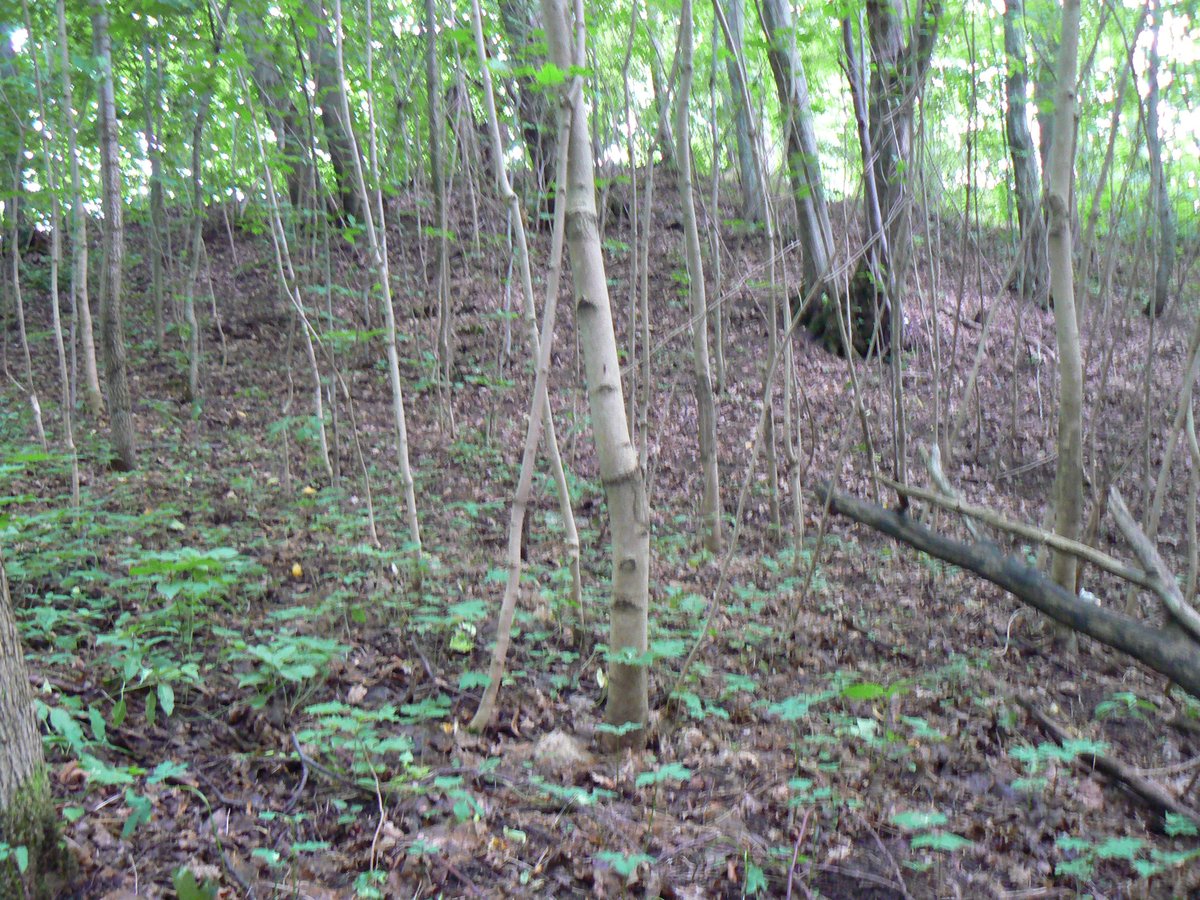

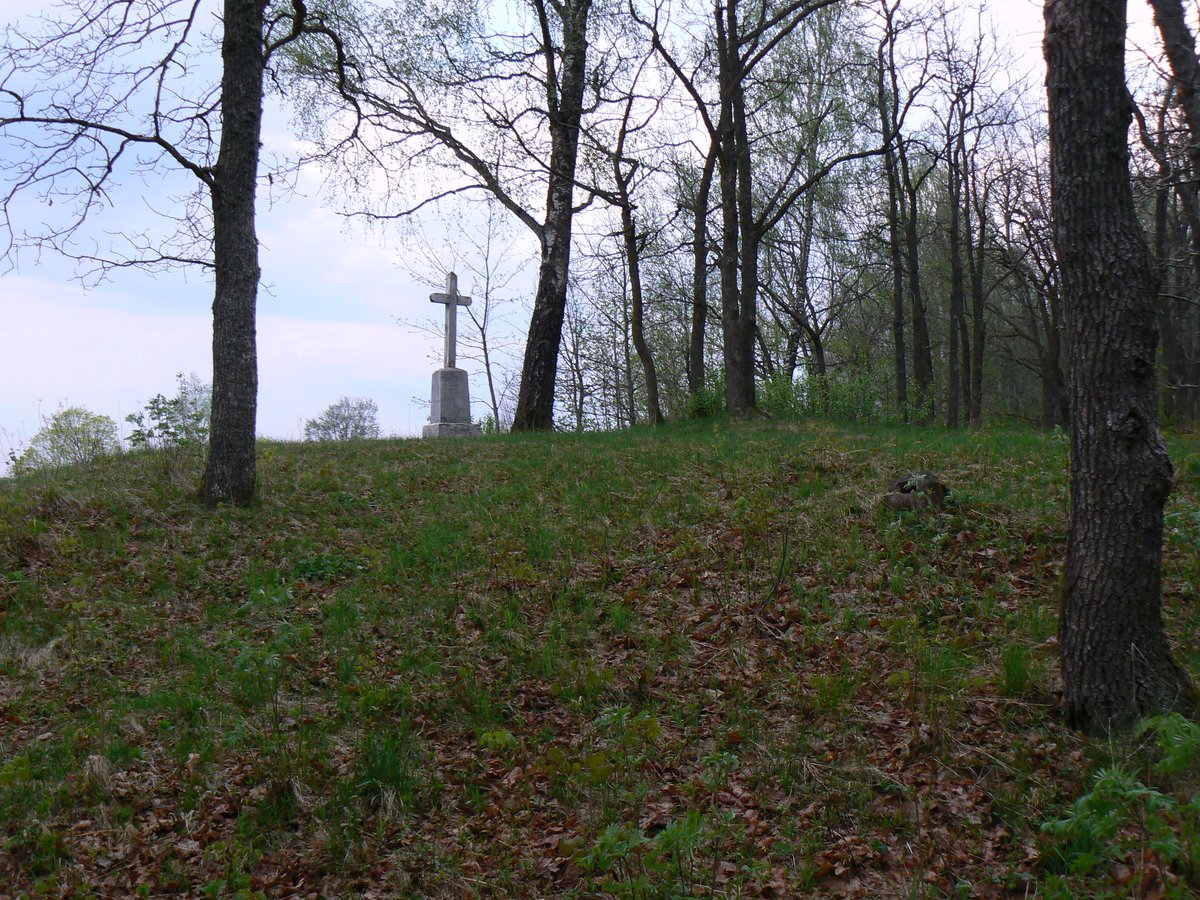
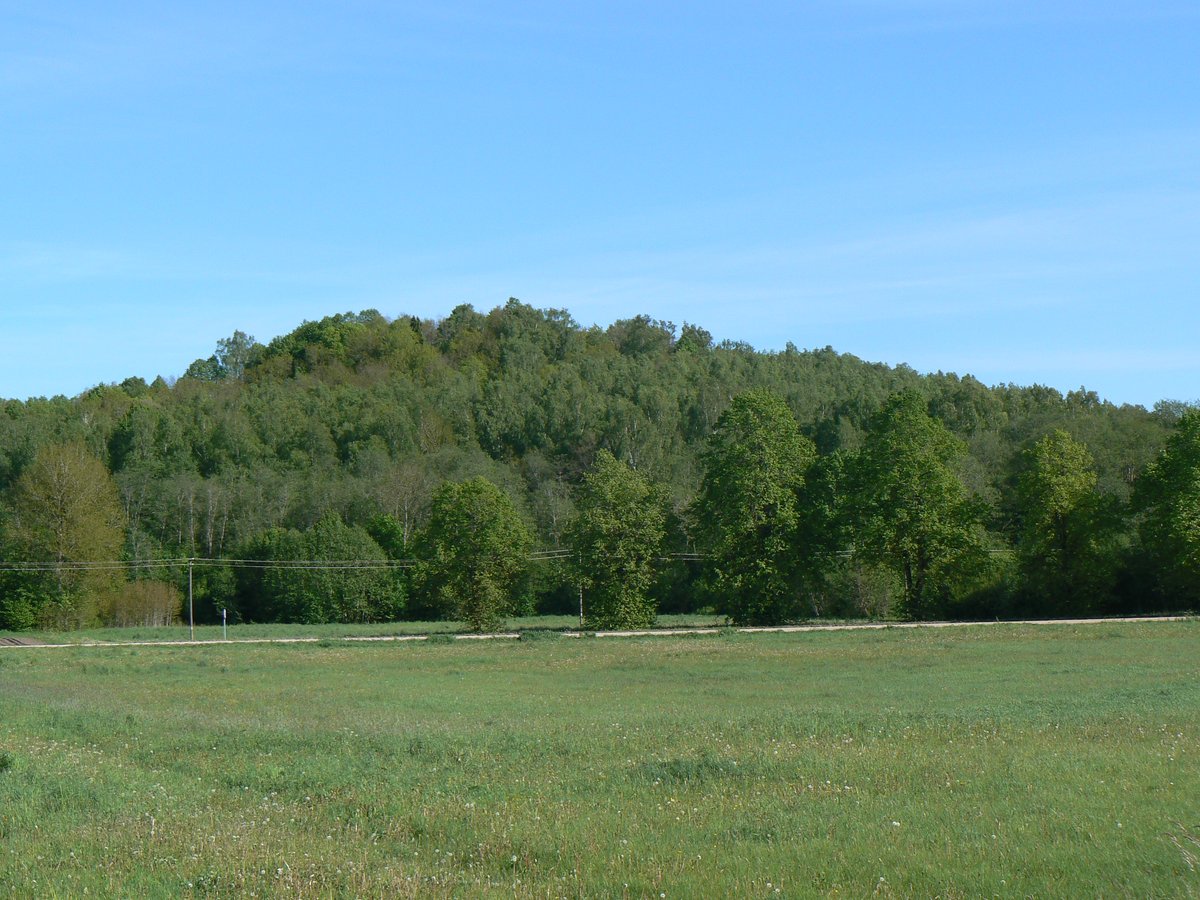
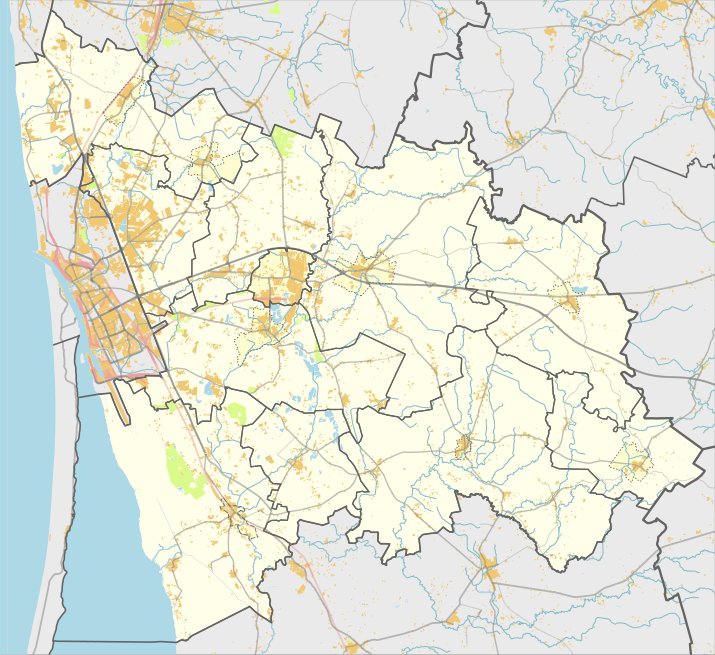
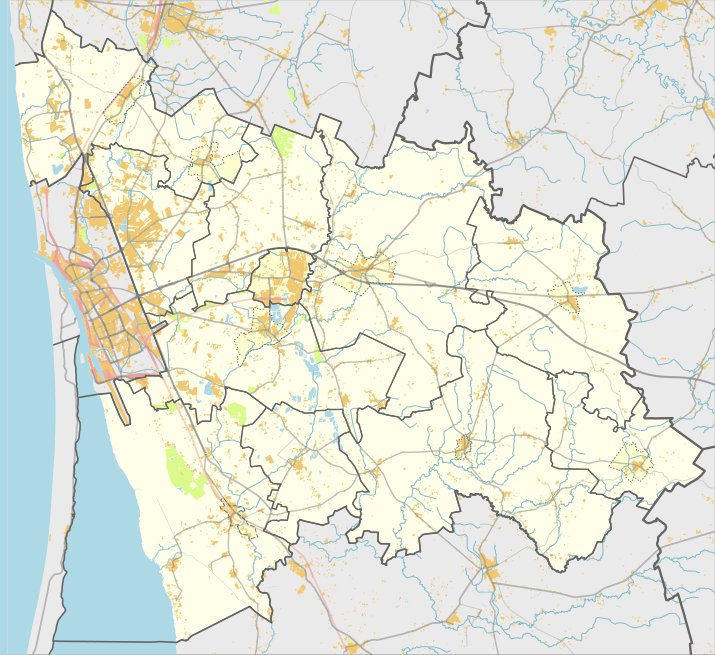
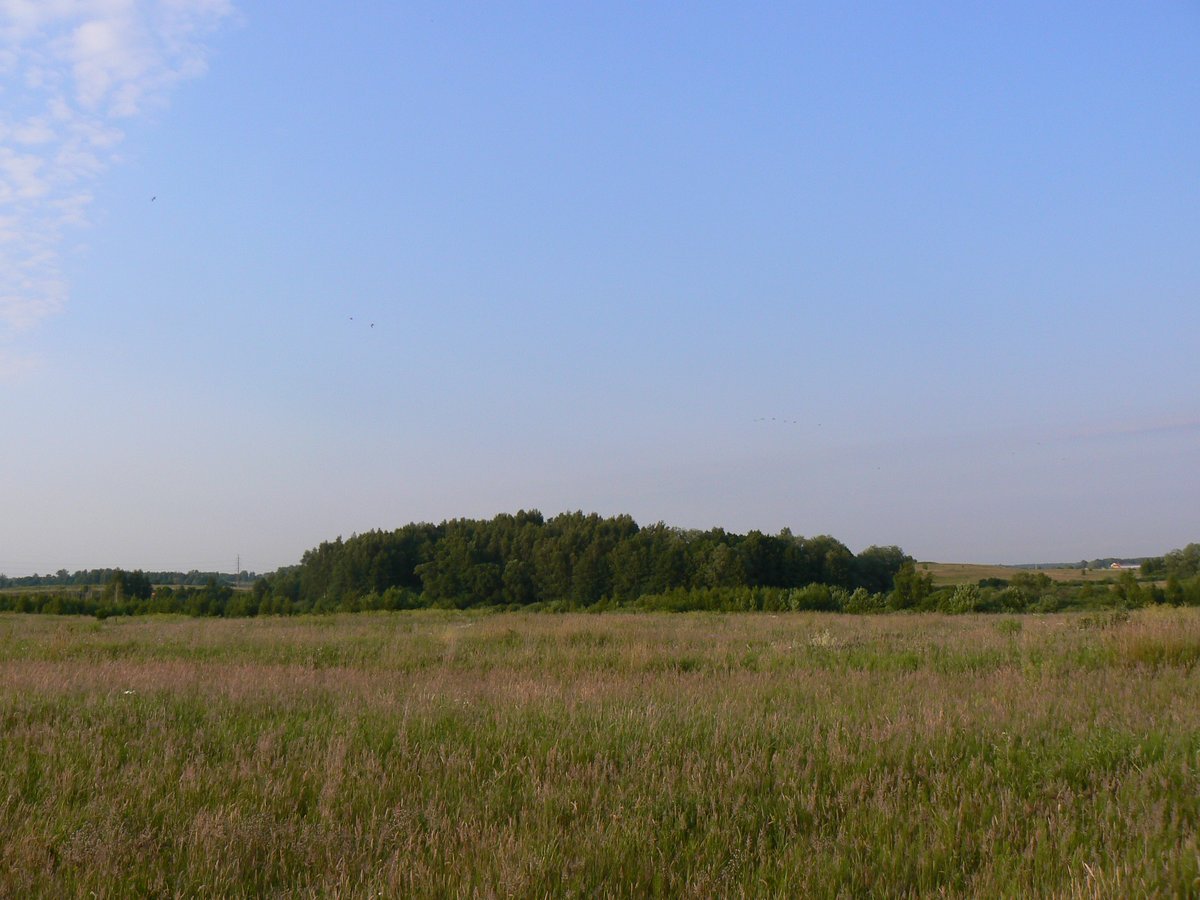
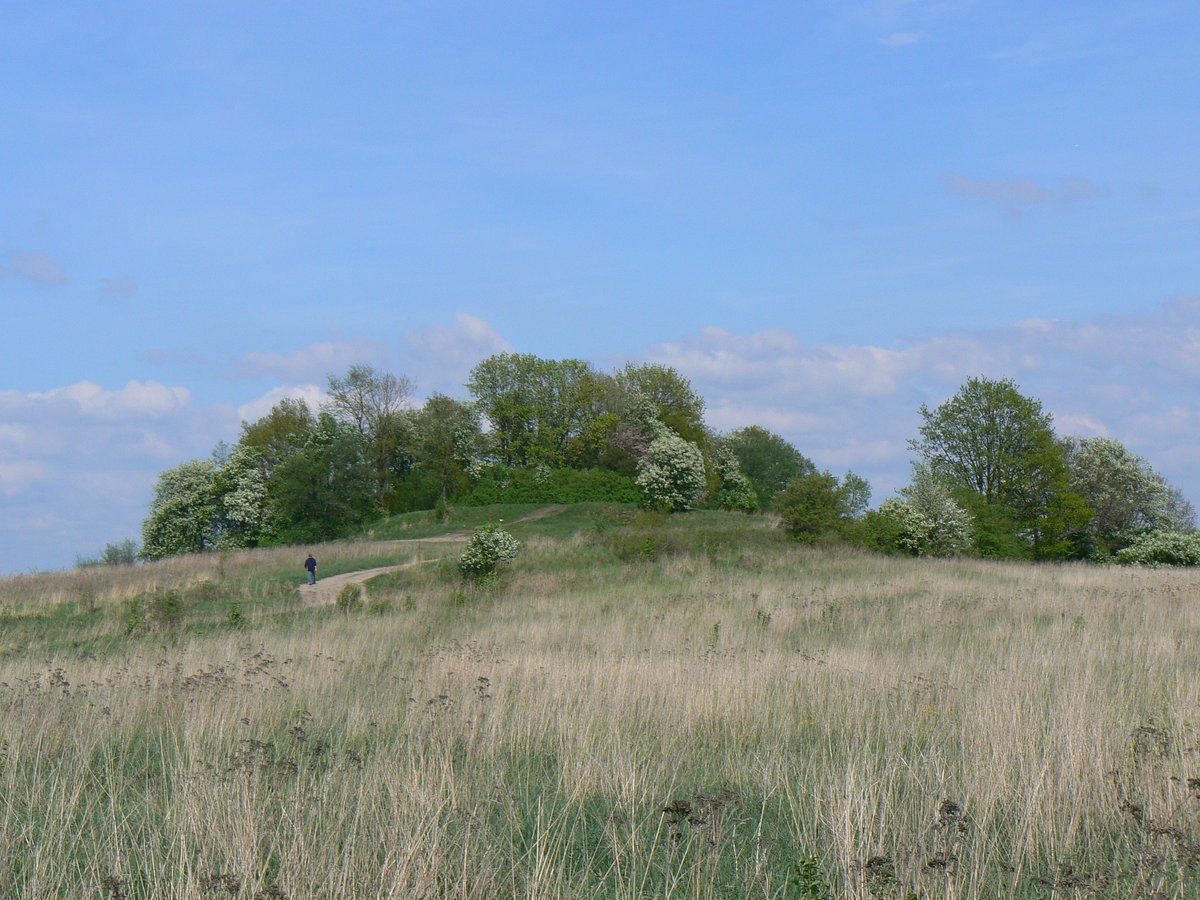
Situated in the Klaipėda district, northeast of Gargždai, Gargždų piliakalnis is also known as Kalniškės or Anielinas. The site features a trapezoidal clearing of about 2500 m2. The clearing was divided by a rampart (now almost cleared) into two parts: an eastern, earthy part about 30 x 13 m, and a western part measuring 70 x 30 m. In the year 1253, a small castle of the Curonians stood on this hillfort. Archaeologists have found evidence of habitation dating back to before our era, with the oldest finds belonging to the Iron Age.
The hillfort was described by Liudvikas Kšivickis, and archaeological research was conducted by the Institute of History in 1963. Further studies were carried out in 1999-2000 during the construction of stairs for visitors. A settlement at the southwestern foot of the hillfort was researched in 1998, revealing pottery, a spindle, stone grinders, and a copper bracelet from the second half of the first millennium to the beginning of the second millennium.
In 2019, the hillfort, which had been overgrown with forest, was cleared of trees to reveal its distinct features. The site is now adapted for visitors with paths, wooden stairs, small bridges, and a viewing area. The surrounding field is known as Raganine, where legends say there was once a sacred grove of ancient beliefs.
Sources: Wikipedia, OpenStreetMap, Wikidata, Wikimedia Commons



Written by Nicolo Ciampini
Discuss this with the author and others
No comments yet. Be the first to start the conversation.