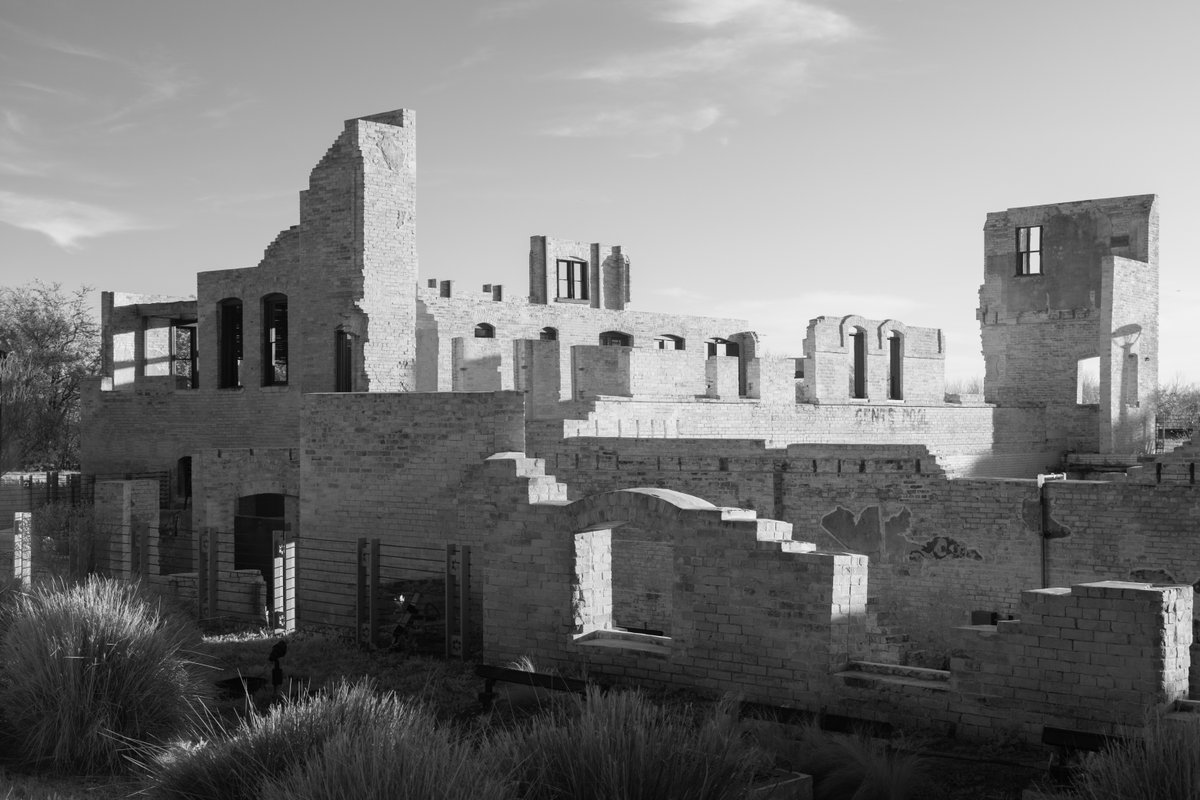
Hot Wells, Texas, is a site of a cultural historical park on the east side of the San Antonio River. Prior to the arrival of the Spanish, the land was originally inhabited by Coahuiltecan peoples. In 1892, an artesian well was discovered on land owned by the Southwestern Lunatic Asylum. The well was dug 1750 feet deep and yielded 180,000 gallons of water per day. Because the water had a temperature of 103-104 degrees Fahrenheit and smelled strongly of sulphur, it was found unfit for daily use by the asylum facility.
Charles Scheuermeyer was the first to emphasize the medicinal properties of the local sulphur water. A chemist at the State University in Austin, G.H. Wooton, analyzed the mineral waters and found they aided in the relief of blood poisoning, kidney, liver and skin diseases and rheumatism. In 1893, McClellan Shacklett leased the water and bought a 10-acre riverside pecan grove to build a resort known as Natural Hot Sulphur Wells. The site featured a bathhouse with an office, parlors, a large pool, and private reclining rooms, as well as a pavilion with a restaurant.
By 1902, the three-story Hot Wells Hotel had 80 rooms with modern conveniences including first-class furnishings, individual telephones to the main office, steam heat, electric and gas lights, and hot and cold water. The octagonal bathhouse had 45 private bathrooms with porcelain tubs and marble partitions. The spa was characterized by the press as a famous resort and a destination for health seekers, offering various types of baths and public pools lined with white enameled brick.
Sources: Wikipedia, OpenStreetMap, Wikidata, Wikimedia Commons

Written by No Other
Discuss this with the author and others
No comments yet. Be the first to start the conversation.