
Look closely at the shoreline of Ålandsviken where a 24-line compass rose crowned with royalty sits embedded in the stone. This carving is the oldest of its kind and the only one with a royal crown. It was likely carved into the shoreline in July 1463, when a fleet under the command of the union king Kristian I was on its way to Åbo. Because the water was several meters higher then, this mark serves as the oldest evidence of Ålandsviken being used as a natural harbor.
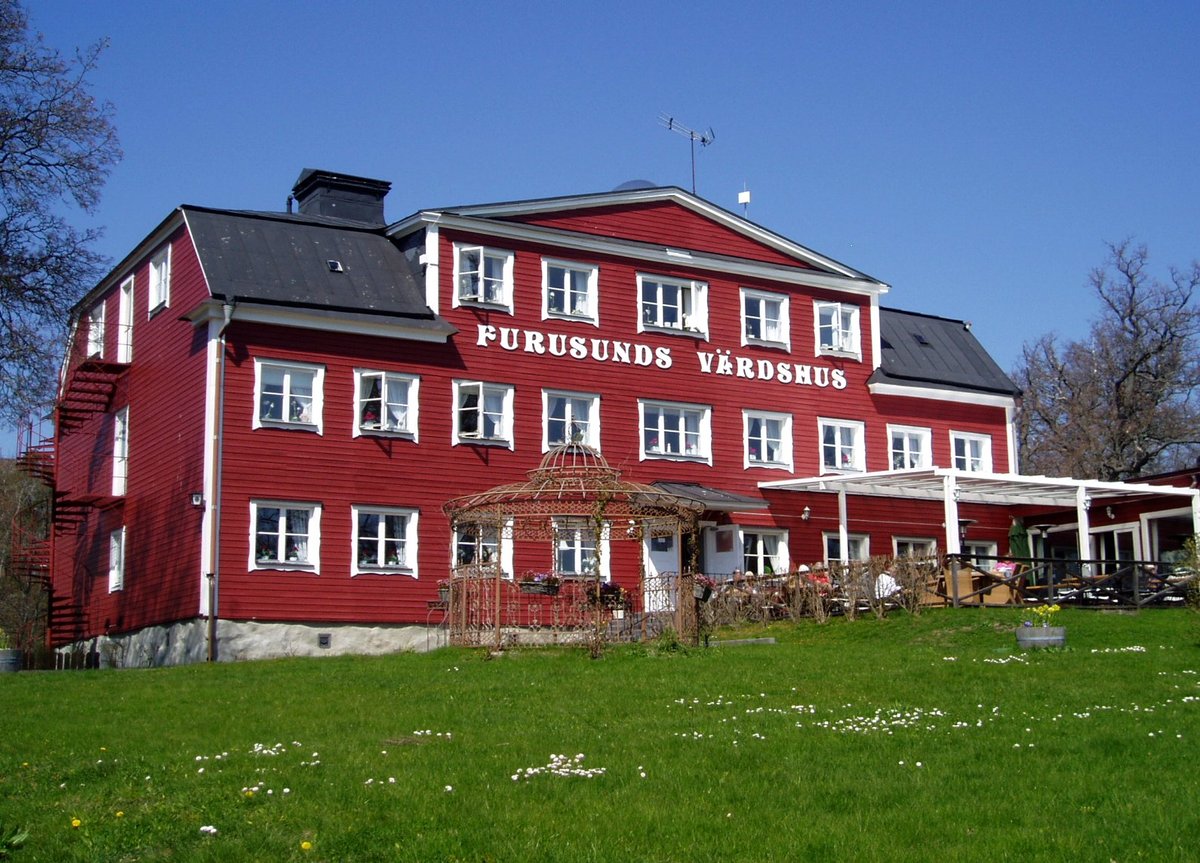
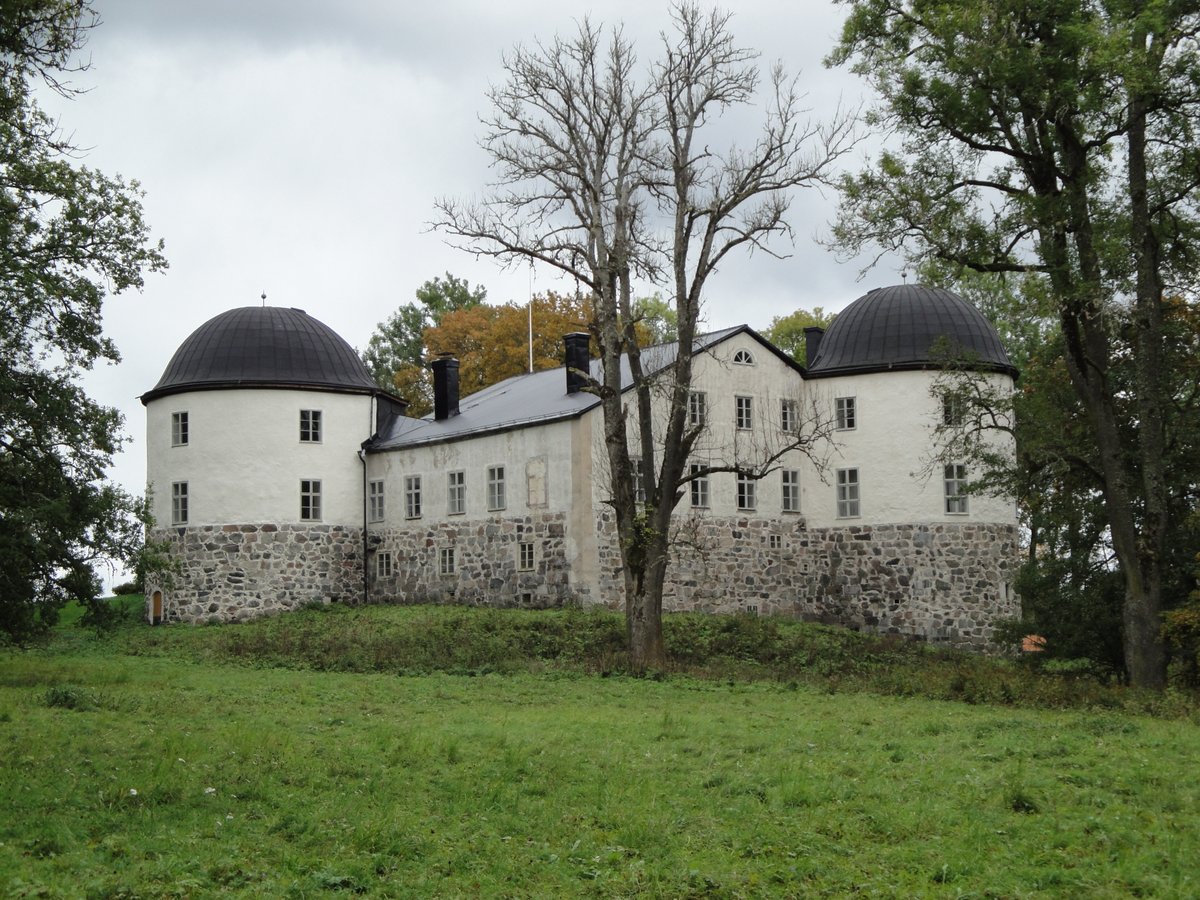
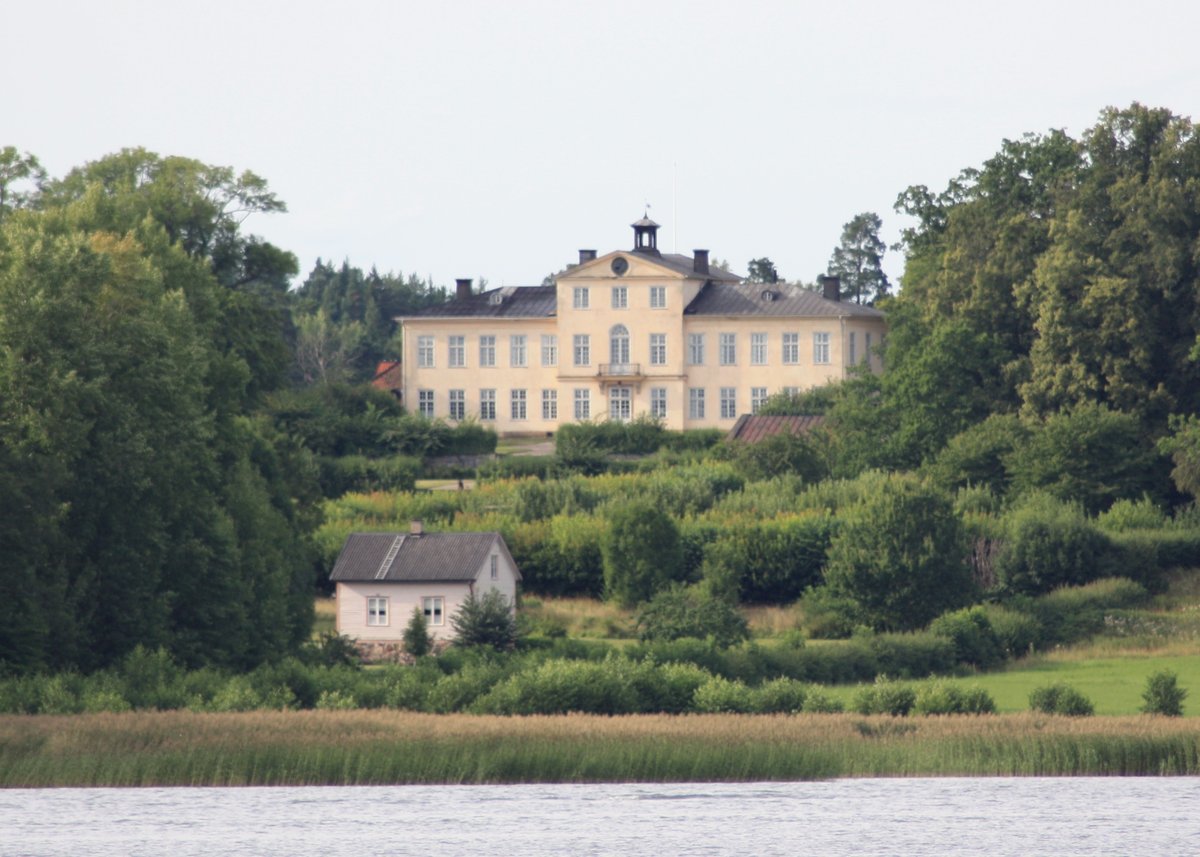
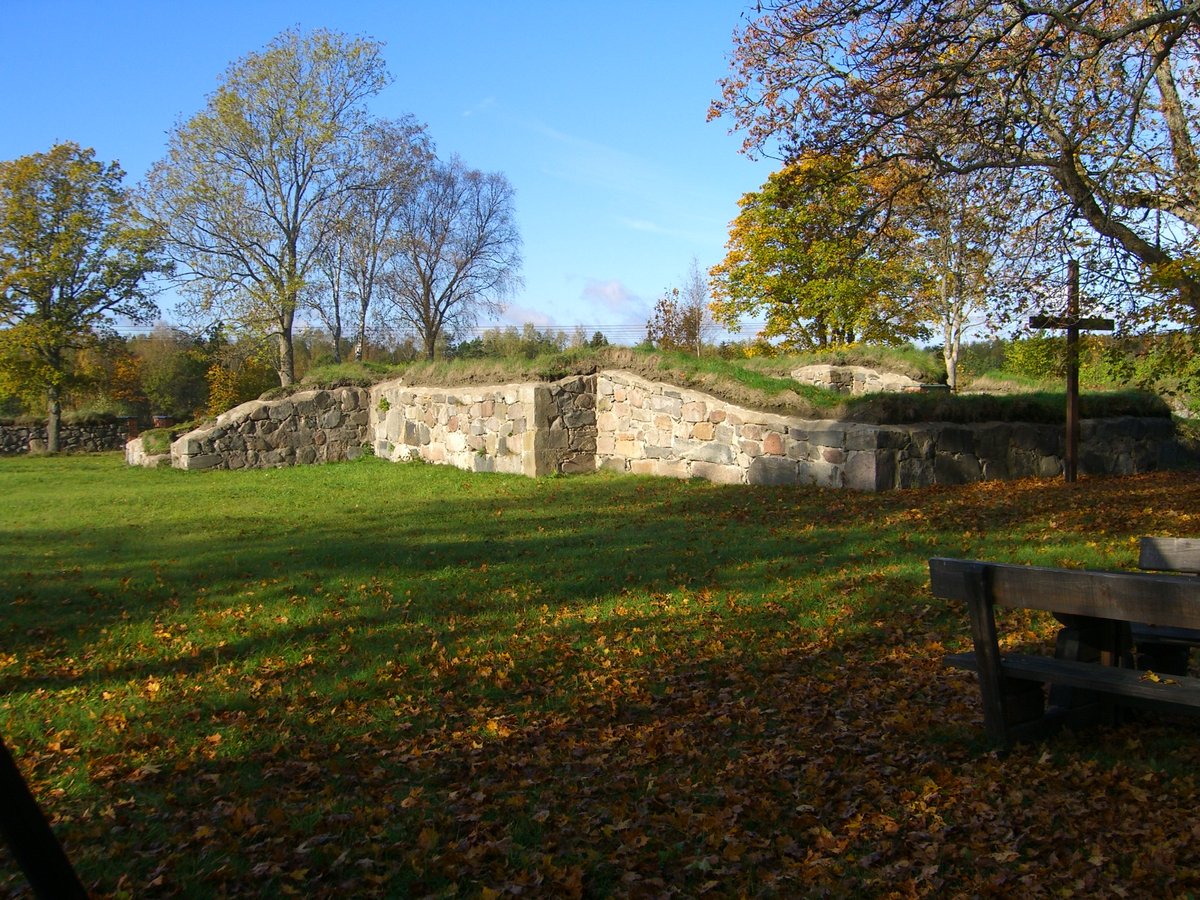
The land underwent several transformations over the centuries. In 1694, Carl Bonde af Björnö took over the island and built a manor house. In 1719, the manor and a nearby tavern were burned, though the harbor and tavern were restored shortly after. By 1734, Levin von Blixen took over the estate and established a distillery. The state took over this production in 1777, eventually closing the distillery in 1811 to establish a customs house, which later became a hostel.
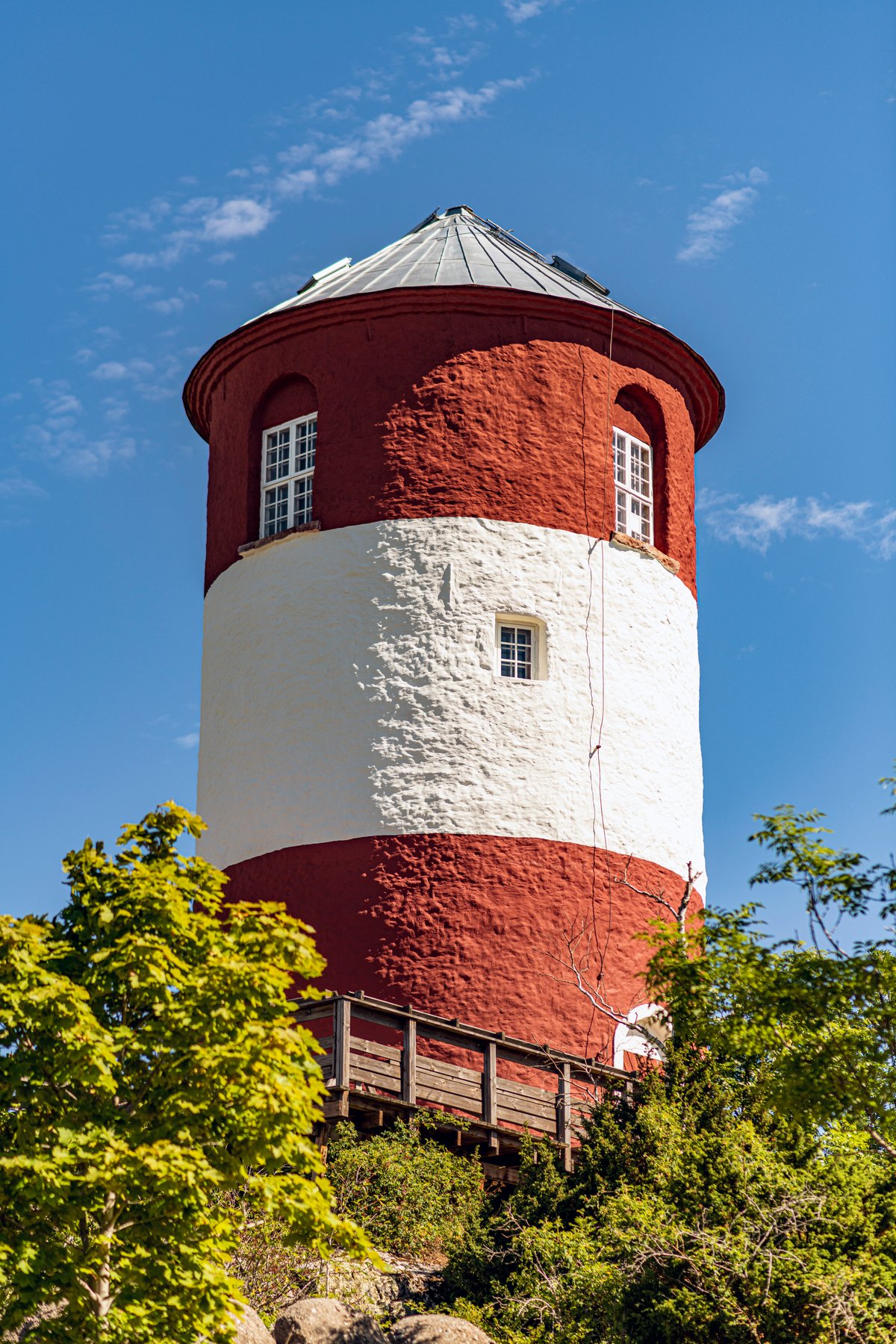
By the mid-1800s, the island became a resort for high society. Owners like Carl Fredrik Landgren and later Christian Hammer introduced an Italian aesthetic, renaming places Isola Bella, Venezia, and Monte Bello. They constructed bathhouses and bowling alleys, and Hammer even moved the Hammerska ladan theater from Stockholm to the island. Many older buildings were renovated during this time, including the old mill which housed a frenological museum.
The layers of history remain visible today. Near the yellow pavilions by the harbor, the royal carving is located. Nearby, a windmill from 1722 remains as one of the oldest surviving structures on the island, while the area continues to be a popular destination for recreation.
Sources: Wikipedia, OpenStreetMap, Wikidata, Wikimedia Commons
Written by Nik Frost
Discuss this with the author and others
No comments yet. Be the first to start the conversation.