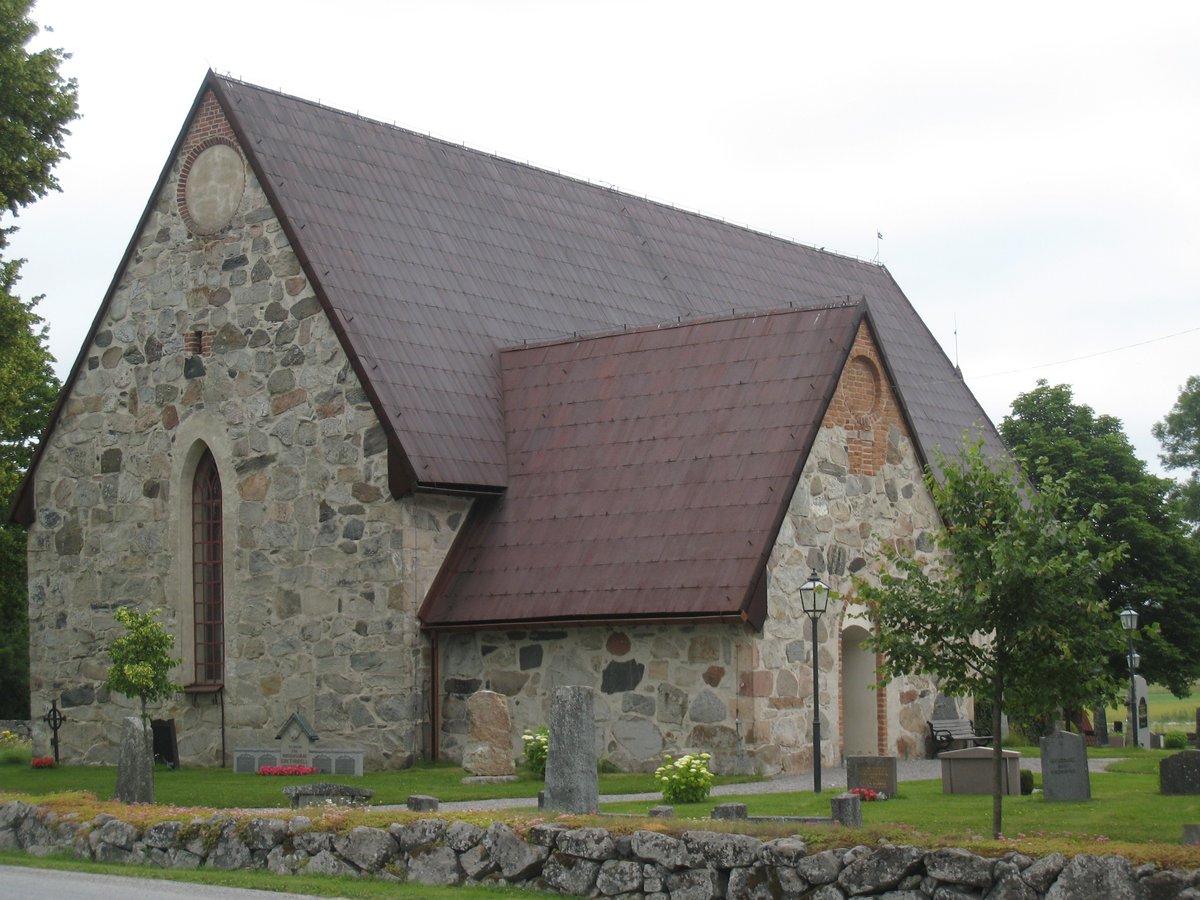

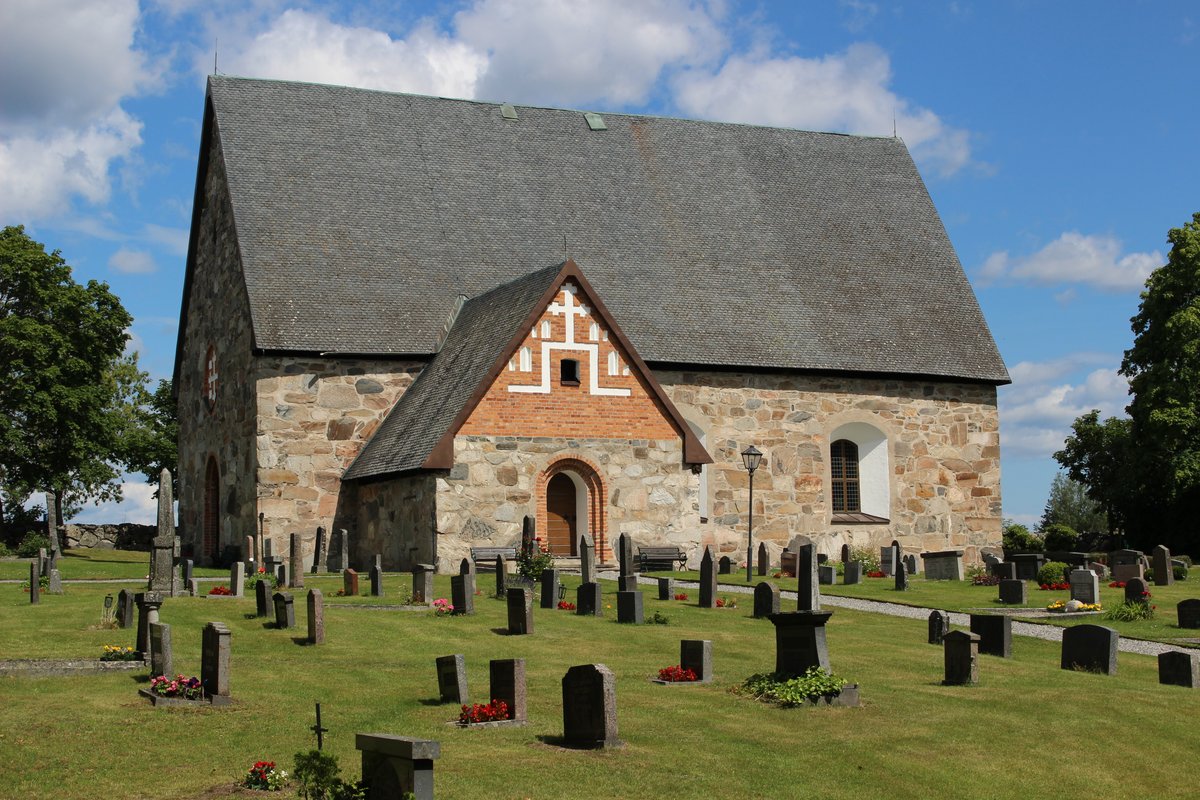
Frösunda Church was built in the 1400s from split grey stone, but the builders did not start with a blank slate. They likely kept the stone sacristy of a previous church, leaving it standing against the new building's southern wall. Because that old wall was thinner than the new structure, the builders filled the gap with brick. This physical merger of two buildings created a layered history you can still see in the masonry today.
Inside, the architecture shows a transition of styles and needs. Four brick vaults remain from the original construction, including three star vaults in the east. The northern wall had no windows until the 1800s, when windows were added in 1810 and 1851. In the eastern wall, a window existed that was bricked up several times but is now blocked up.
Several pieces of furniture ground the space in different eras. A pulpit from 1759 was crafted by Magnus Granlund, while the altar was masonry from 1952-1953. You can also find a medieval light crown made of brass and a baptismal font dating back to the late 1100s. To the west, a 1700s organ gallery houses an 1824 facade.
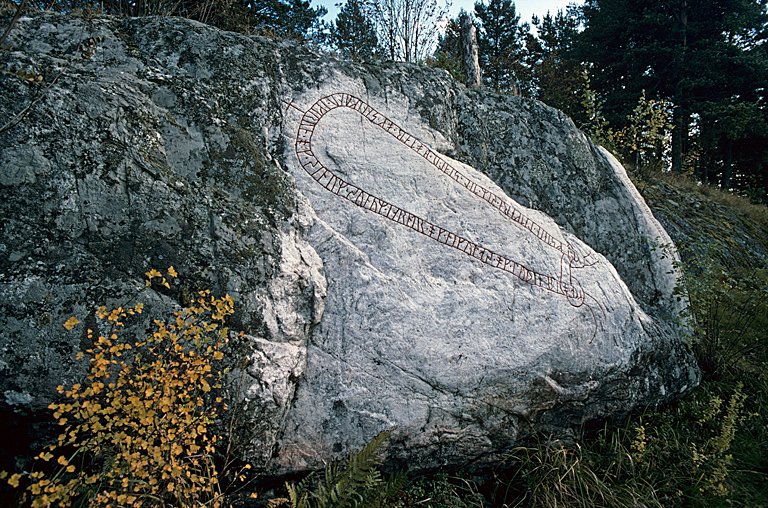
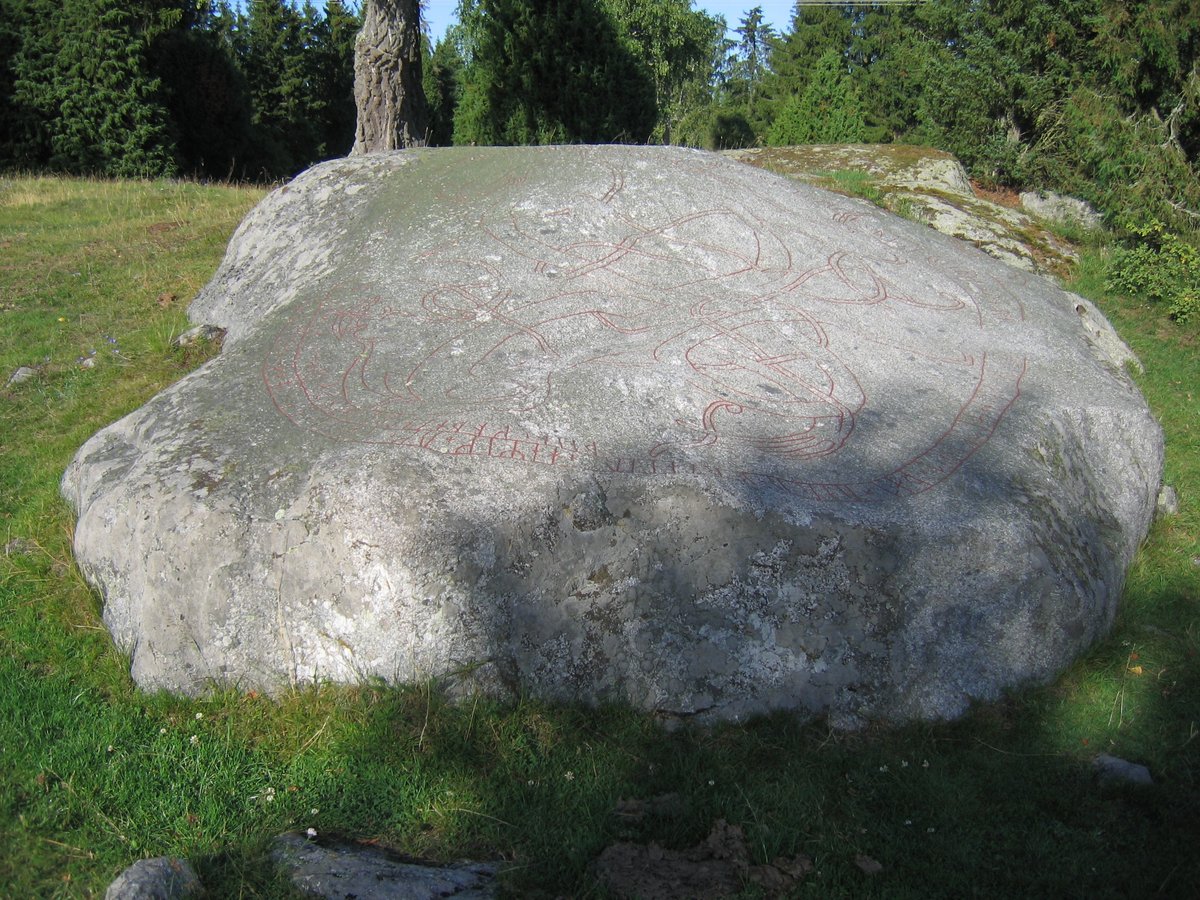
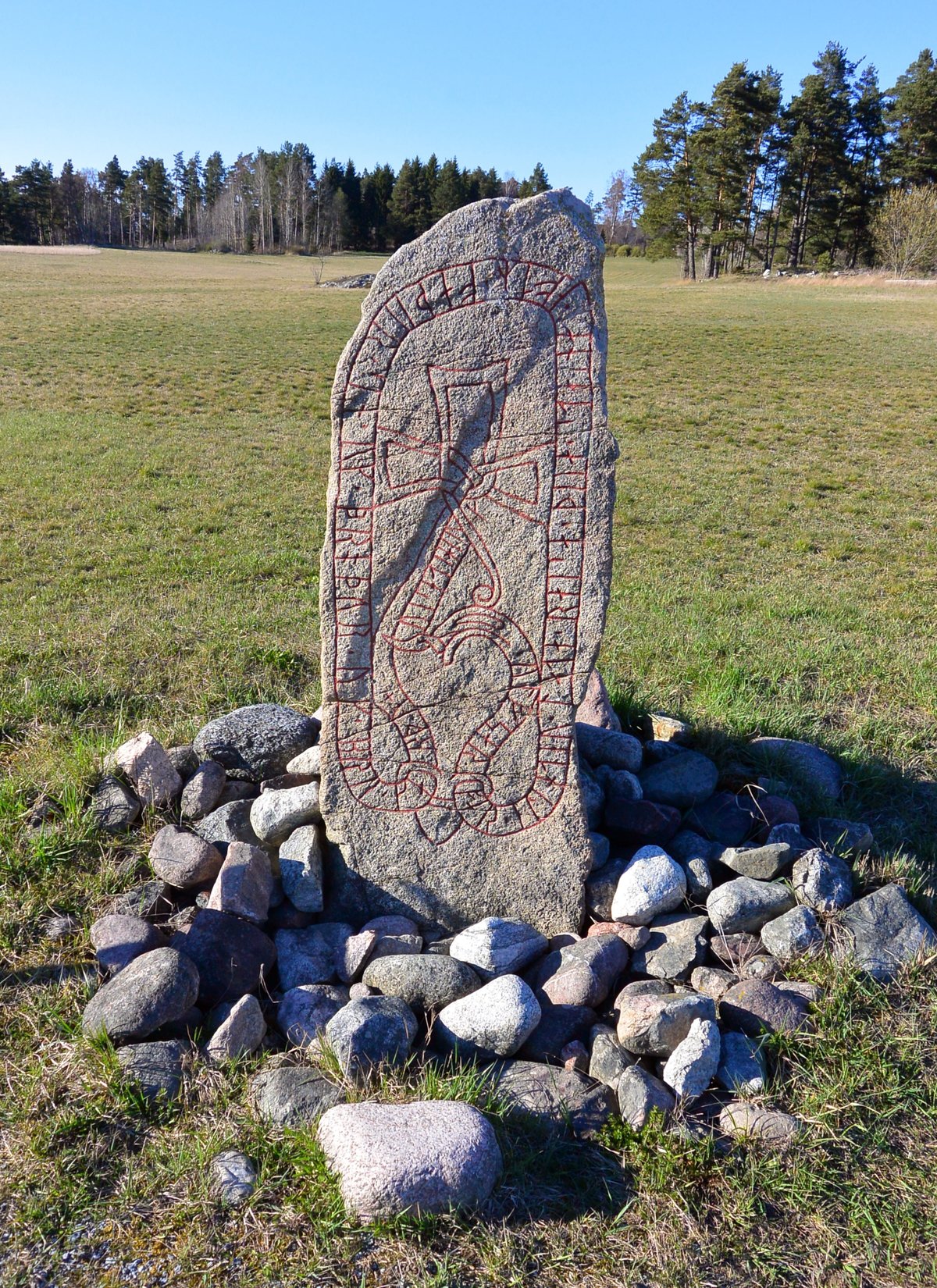
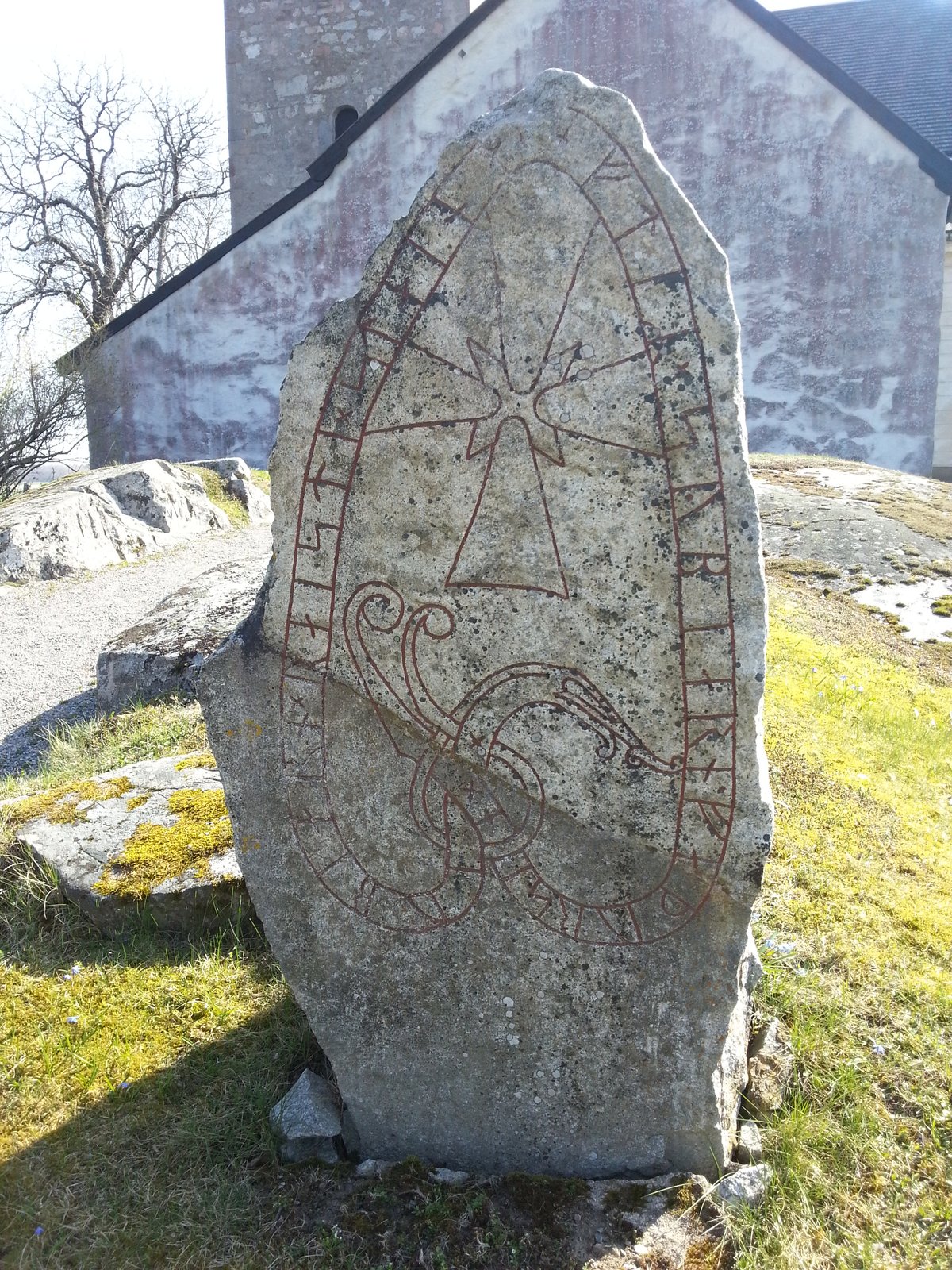
Outside, a 17th-century bell tower stands painted in Falu red. A stone wall, once covered with a tarred wooden roof, surrounds the yard. You can find a runestone from the 1000s standing near the entrance to the porch, marking a history that stretches back long before the current stones were laid.
Sources: Wikipedia, OpenStreetMap, Wikidata, Wikimedia Commons


Written by Nik Frost
Discuss this with the author and others
No comments yet. Be the first to start the conversation.