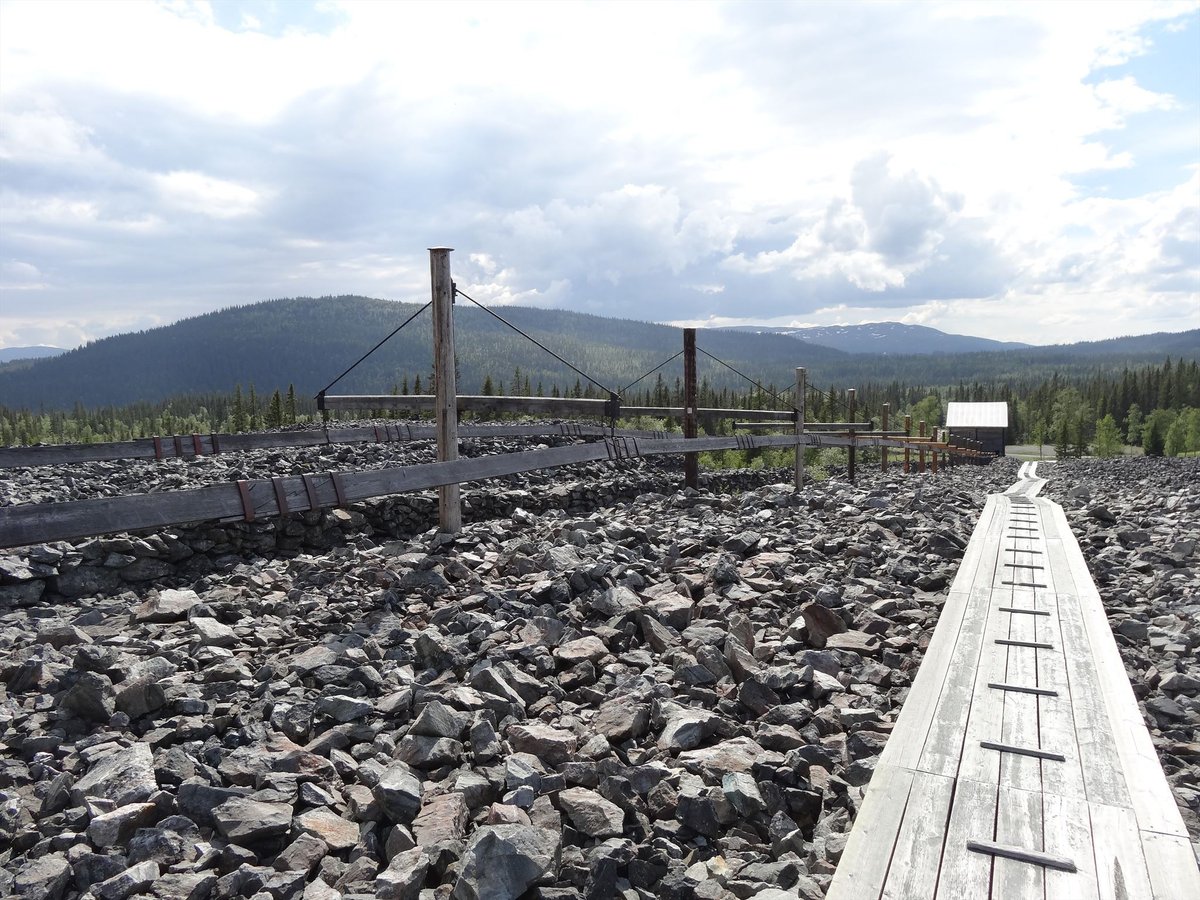

In 1744, a woman named Anna Larsdotter was traveling to work at the Huså mine when she stopped at the Fröå pastures. She took with her a few handfuls of copper ore and showed them to the inspector, Anders Floor. This act began a mining era in Fröå that lasted until 1919.
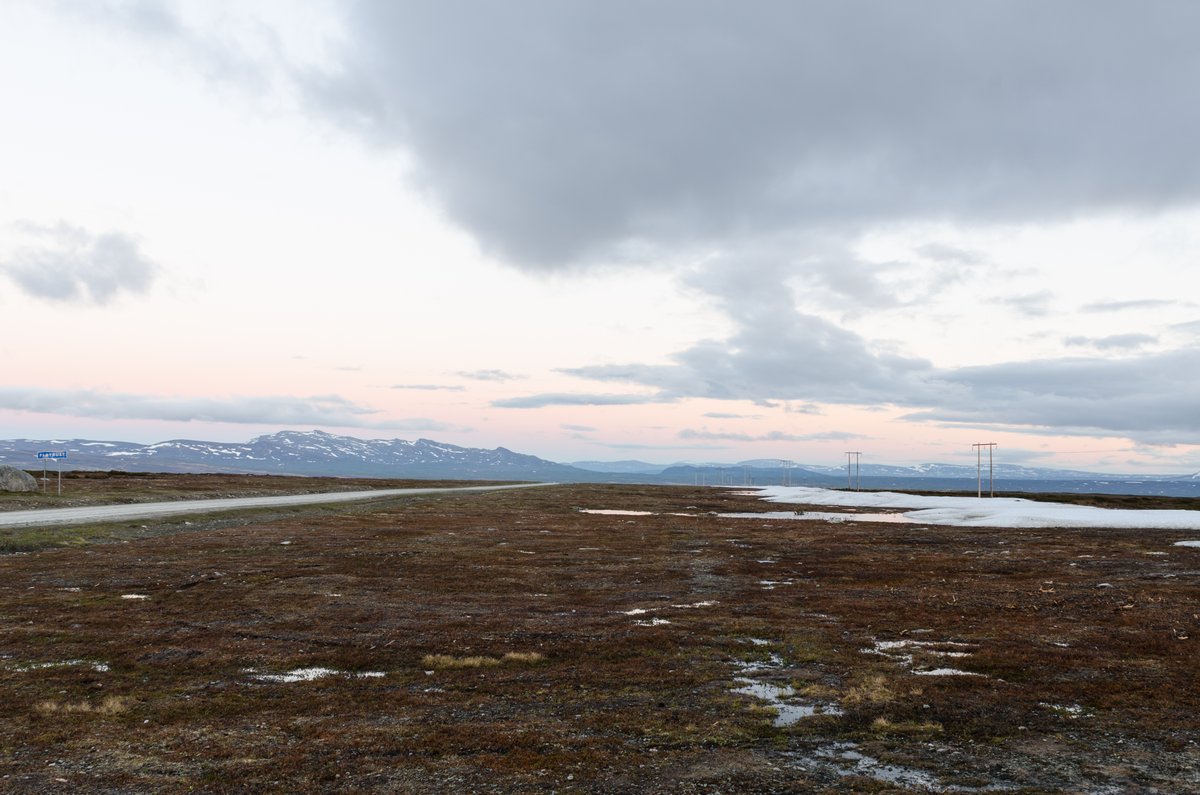
To sustain families in the harsh mountain climate, the company built small cottages called torp. Residents were granted 3 to 4 acres of land to raise cows, sheep, and goats. They worked a five day week in the mine to allow them time to manage their small farms. This created a life where industrial labor and subsistence farming existed side by side for generations.
The site progressed through four distinct periods of operation. During the 19th century, the mine underwent modernization, and water was led from Fröån to a water machine house via a wooden tube. By the early 1900s, the Amerikaepoken started with a capital of one million dollars, including telephone lines and electricity. The village remained inhabited until the last residents moved away in 1971.
Today, the site is managed as an open air and working life museum by a local association. You are invited to explore the production plants, the preserved dwellings, and the water driven pumping system. It offers a path for visitors to discover how this community functioned for generations.
Sources: Wikipedia, OpenStreetMap, Wikidata, Wikimedia Commons
Written by Nik Frost
Discuss this with the author and others
No comments yet. Be the first to start the conversation.