The Rossie Velvet Mill was established in 1897. Owners of a velvet mill in Süchteln, northwestern Germany, relocated to the United States to open a manufacturing facility to avoid the McKinley Tariff of 1890. This move followed a local business development group recruiting velvet makers from Germany to the area.
By 1897, the factory was a major local success and became the village's largest employer. It employed 200 workers, including a significant number of experienced German immigrant weavers. The mill survived the Great Depression under different ownership before permanently closing in 1958.
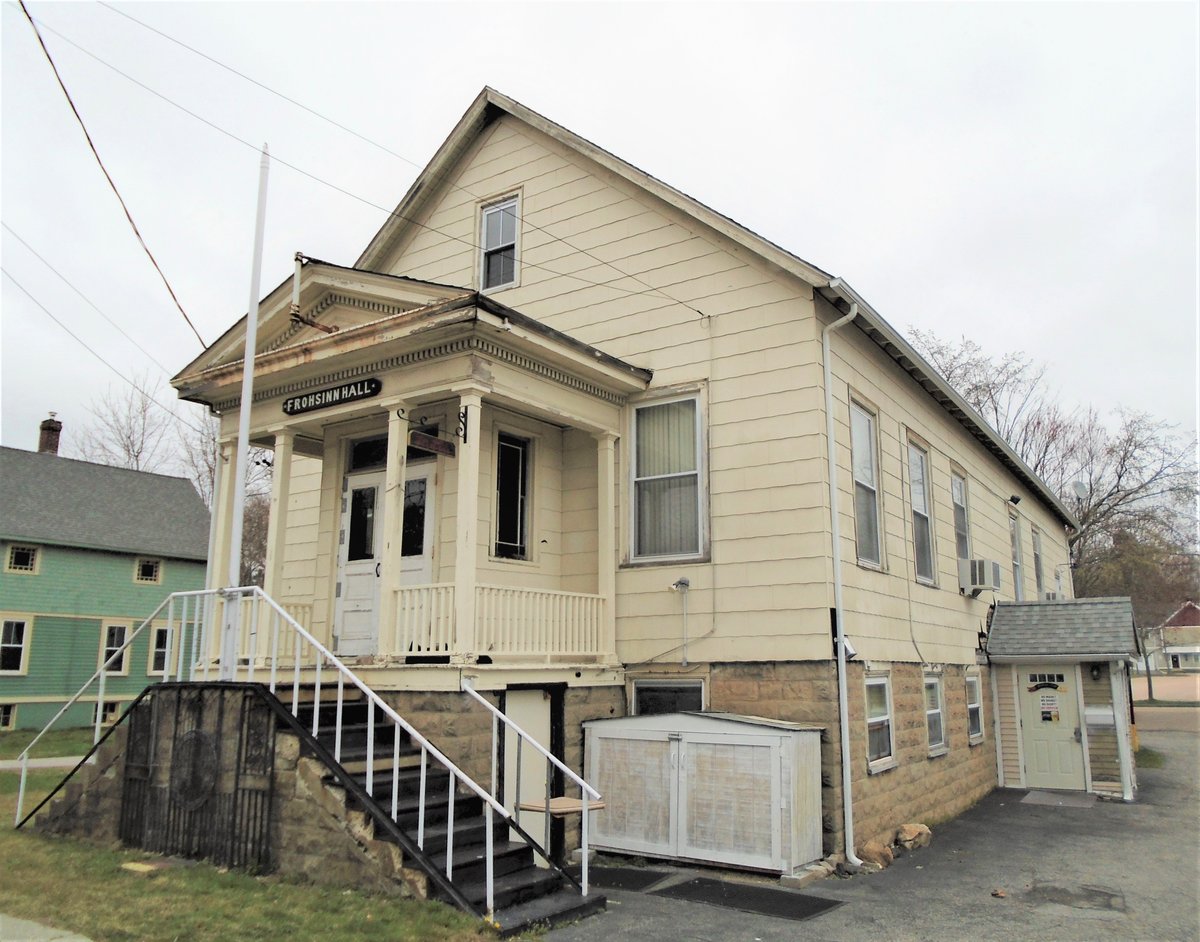
Workers lived in residential housing built between 1850 and 1950. This district covers 120 acres along Greenmanville Avenue and was listed on the National Register of Historic Places in 2007.
Today, the large brick industrial facility serves as a research center for the nearby Mystic Seaport Museum. The district extends along Greenmanville Avenue between Pleasant Street in the north and the museum complex in the south.
Sources: 1. https://www.nps.gov/subjects/nationalregister/index.htm
Sources: Wikipedia, OpenStreetMap, Wikidata, Wikimedia Commons
Written by Leroy
Discuss this with the author and others
No comments yet. Be the first to start the conversation.