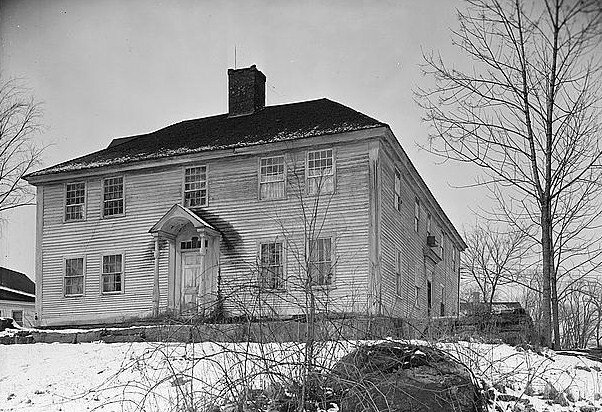

If you find yourself wandering through North Stonington, you are stepping into a piece of history that started way back in the 17th century when it was part of Stonington. The village eventually struck out on its own as a separate incorporation in 1807. The heart of the place grew around a gristmill site on the Shunock River. Today, the district covers about 105 acres of historic land in the main village center.
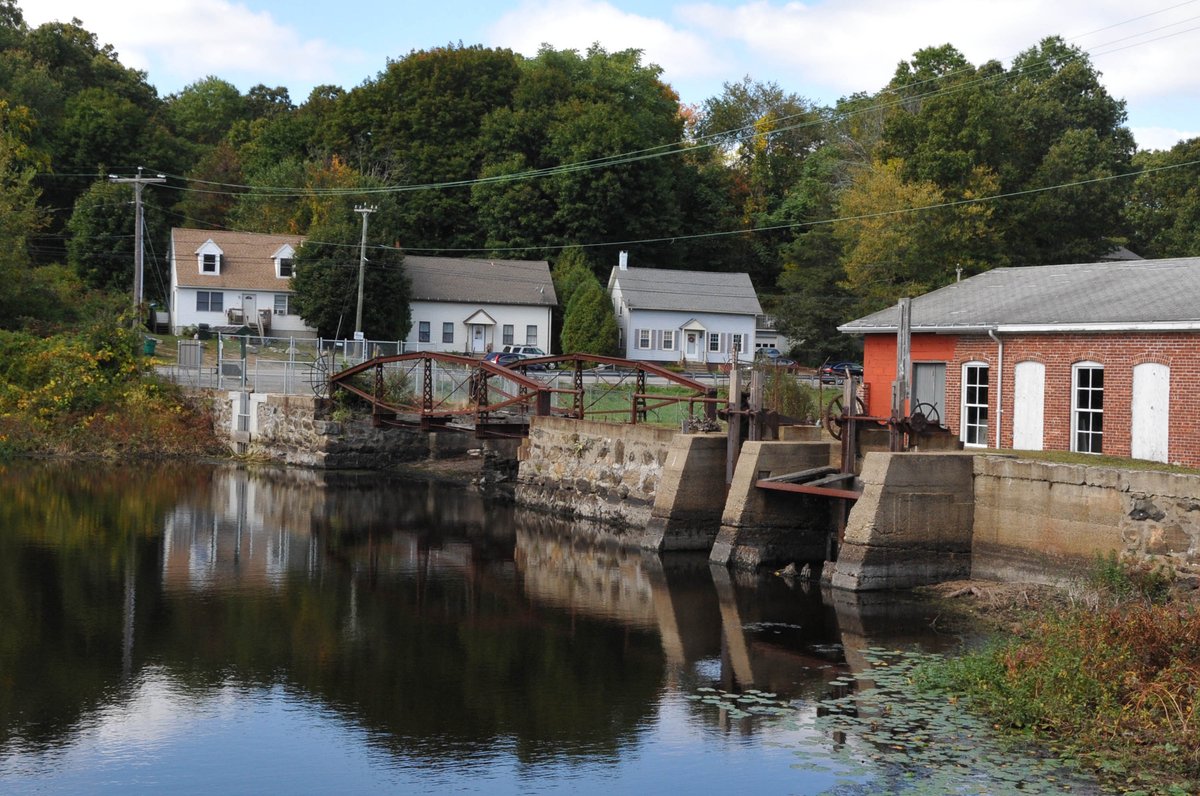
Things really picked up around 1790 when a power canal started feeding water to various mills, a tannery, and a triphammer. These weren't the massive industrial giants you might expect, so they had to work hard to stay competitive with bigger mills elsewhere. They managed to hang on through the American Civil War because of the huge demand for wool, but the business started to slide after that.
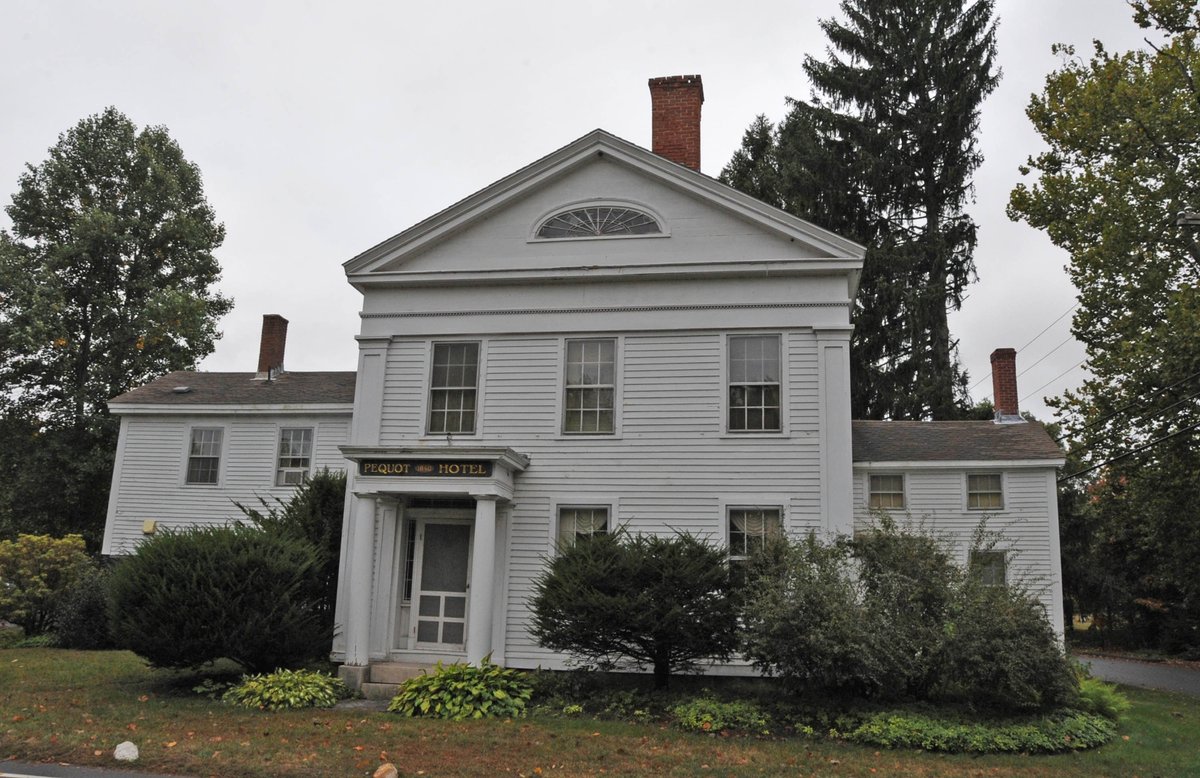
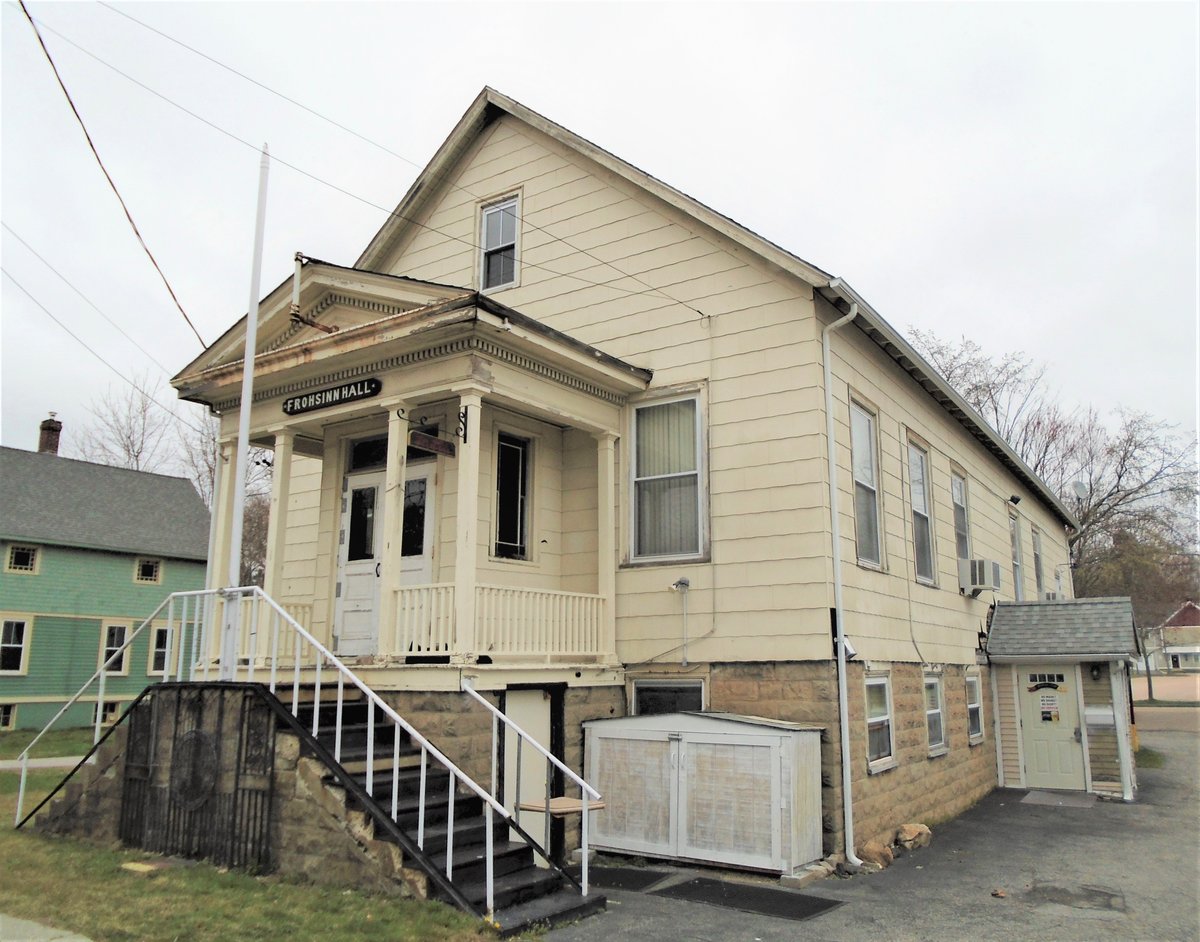
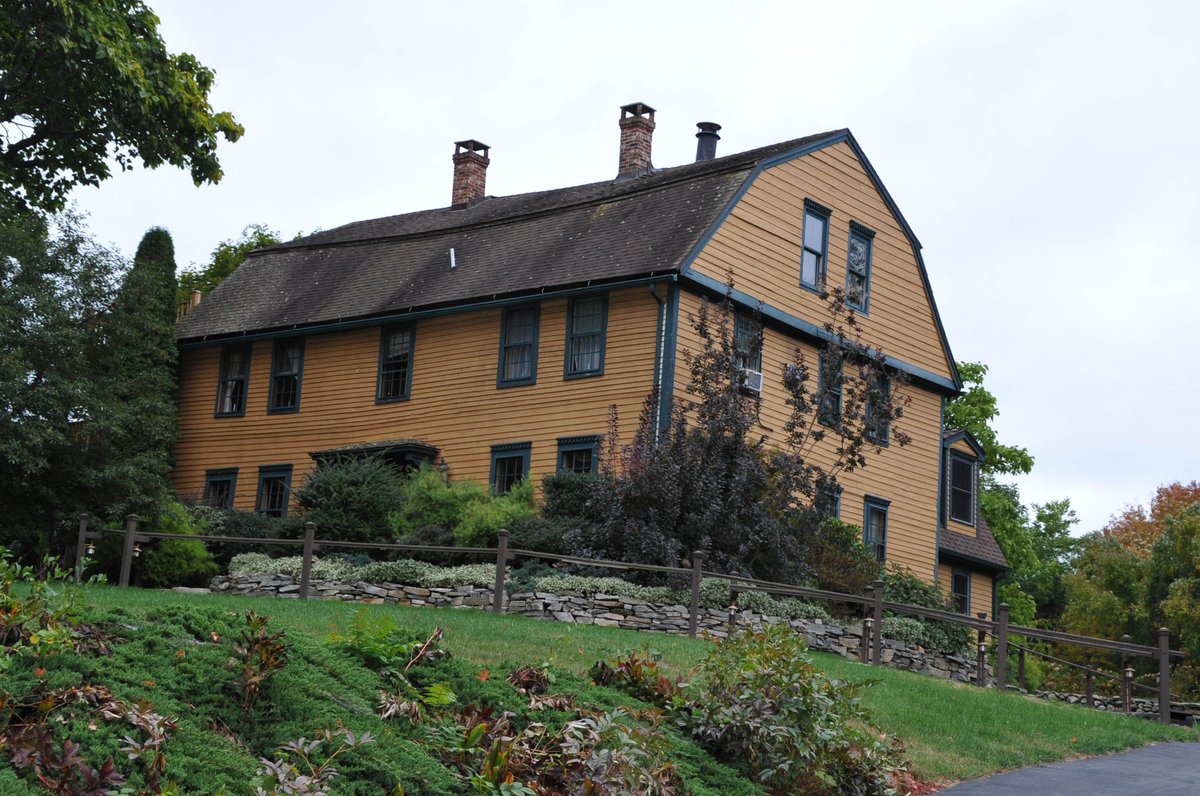
Now, if you are looking for those 19th-century industrial buildings, you are out of luck. Most are gone, leaving only foundations, archaeological remains, and some traces of the old water power system. However, the vibe is still very much there. The district holds 72 contributing buildings, 5 other structures, 3 sites, and 1 object. Most of these are homes from the 18th century or the first half of the 19th, built in local versions of popular styles.
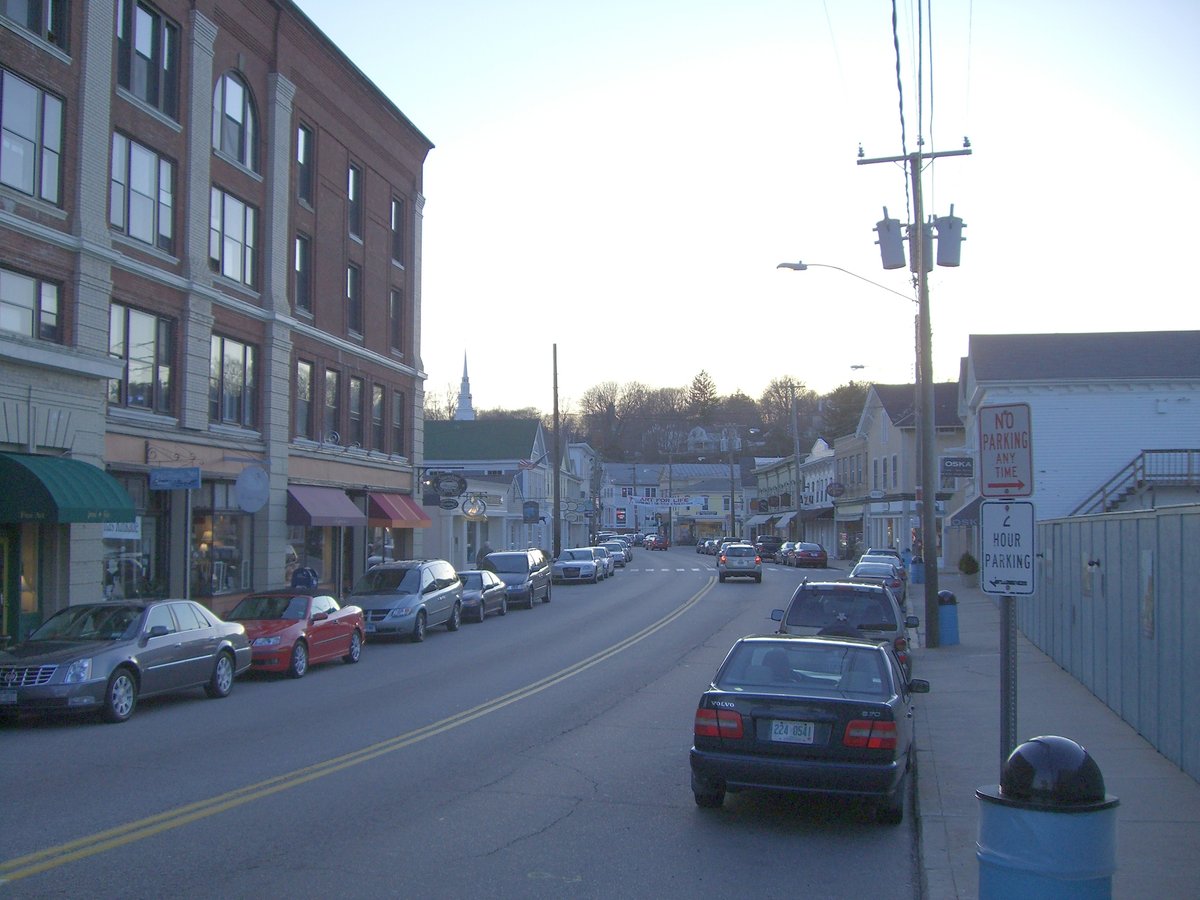
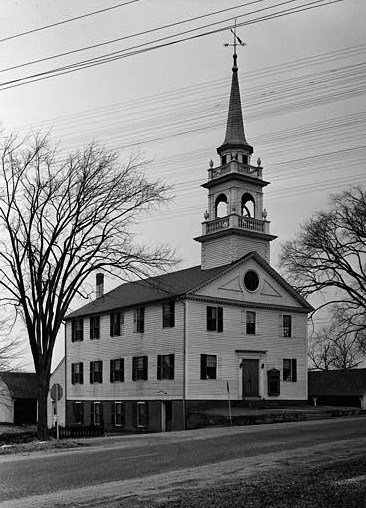
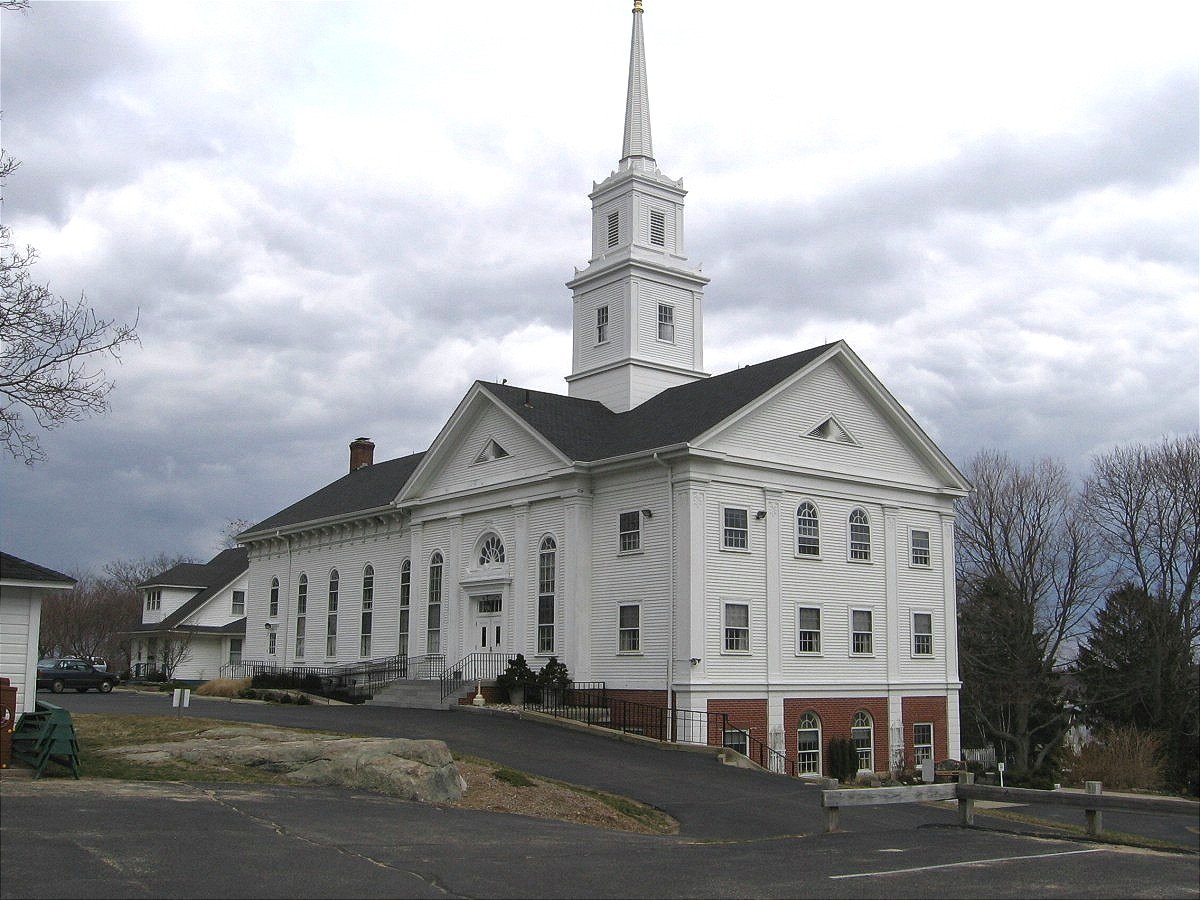
You will mostly see Federal, Greek Revival, and Italianate architecture around here. There are some later styles too, especially in the institutional spots. For example, the current town hall is a garage converted into a Colonial Revival style, whereas the old offices were in an 1809 Federal style commercial building. If you want to see something truly sophisticated, check out the Richardsonian Romanesque Wheeler Library, which popped up in the early 20th century.
Sources: Wikipedia, OpenStreetMap, Wikidata, Wikimedia Commons
Written by Friendly Jane
Discuss this with the author and others
No comments yet. Be the first to start the conversation.