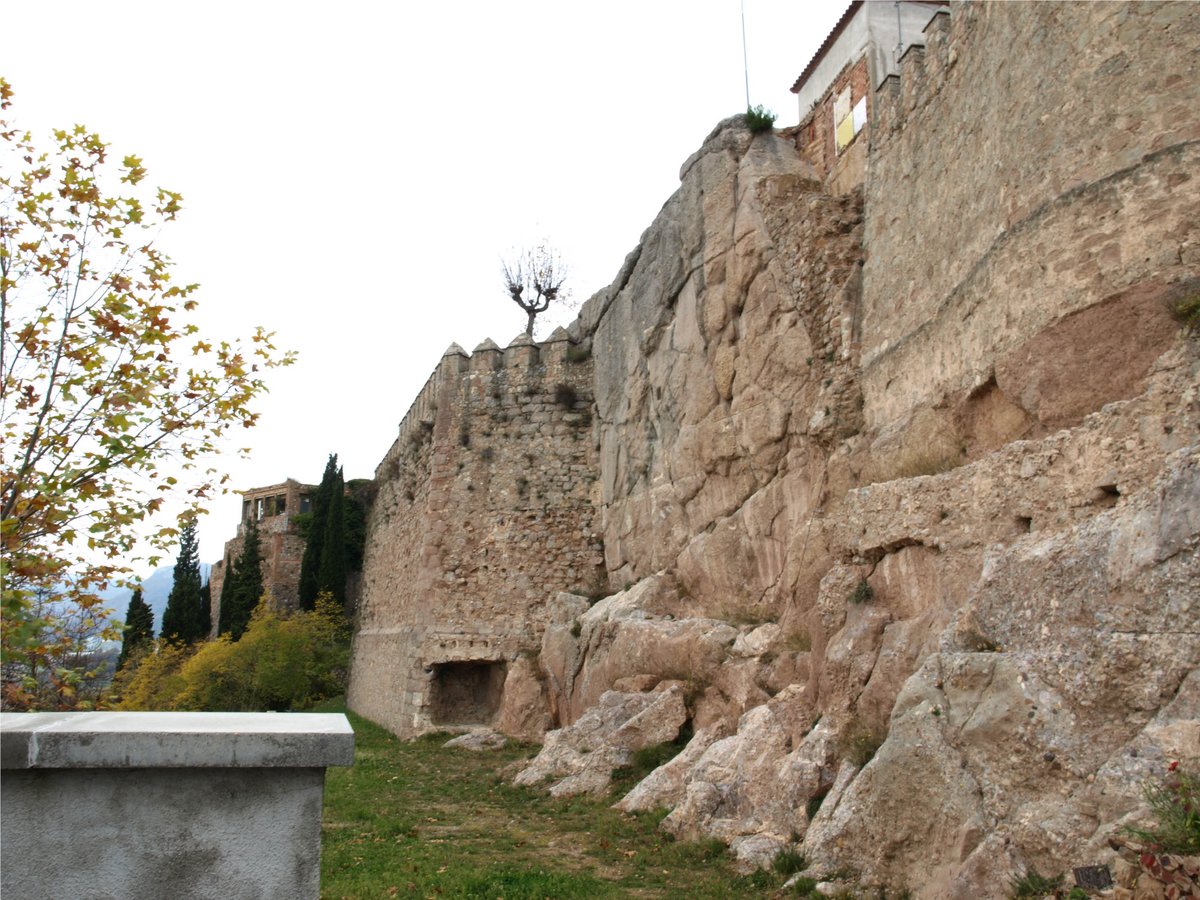

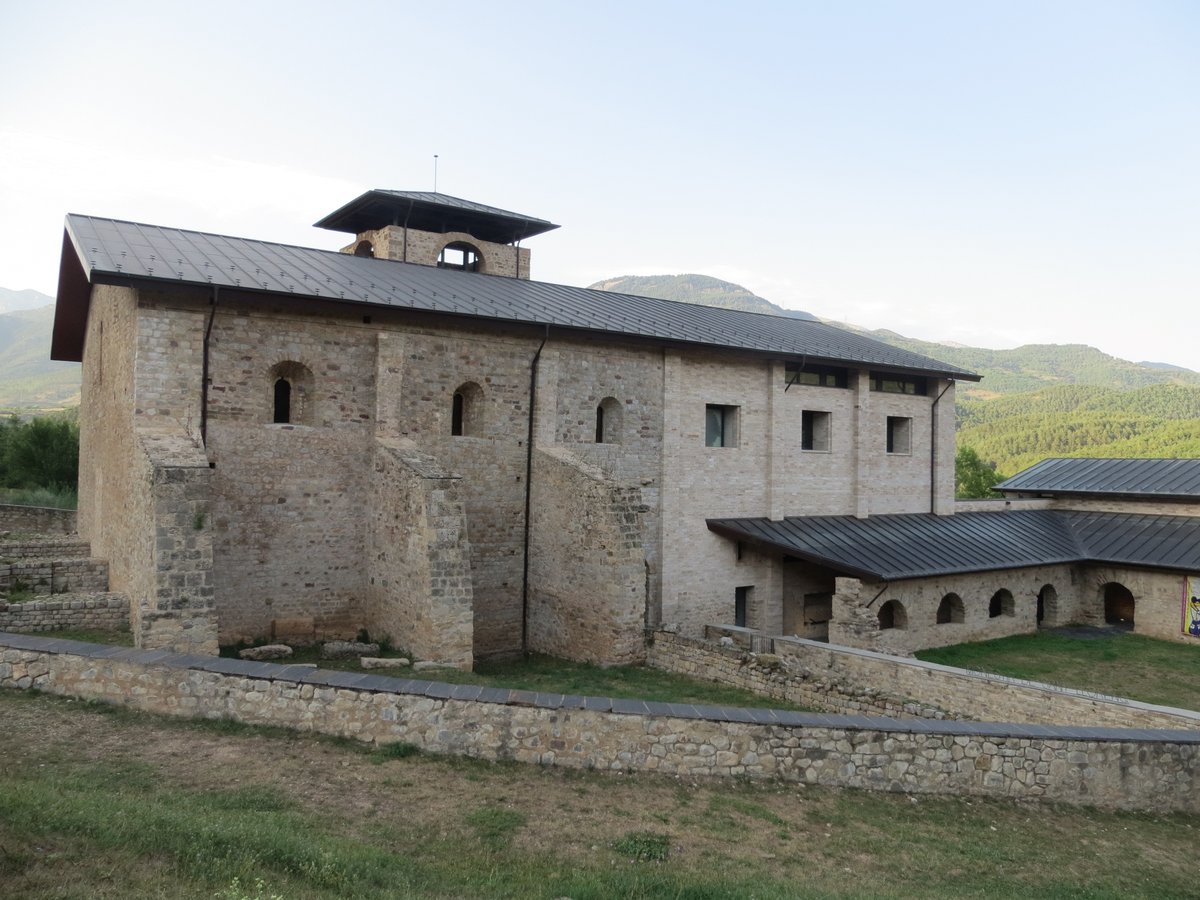
Perched majestically on a hill, the castle in Berga stands on a site protected by a stream to the north and a steep slope to the south. Its history likely dates back to a defensive construction by the Iberians, which Roman chroniclers named castrum vergium as far back as the 2nd century BC. Under this military structure, the city of Berga began to grow, and the castle expanded in size and importance alongside it. The first written records appear in 1095, when the castle was under the domain of the counts of Cerdanya and later the counts of Barcelona after the integration of the county of Cerdanya.
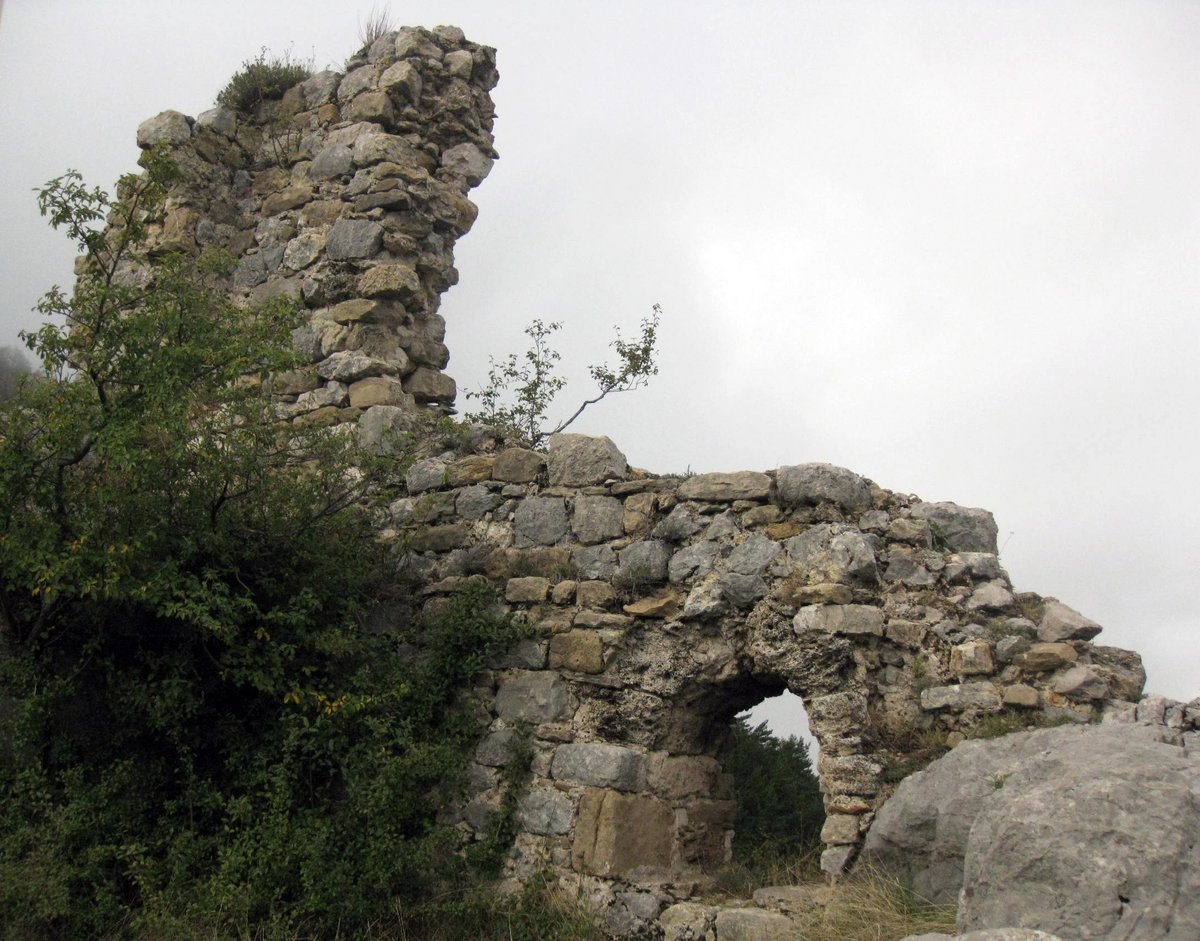
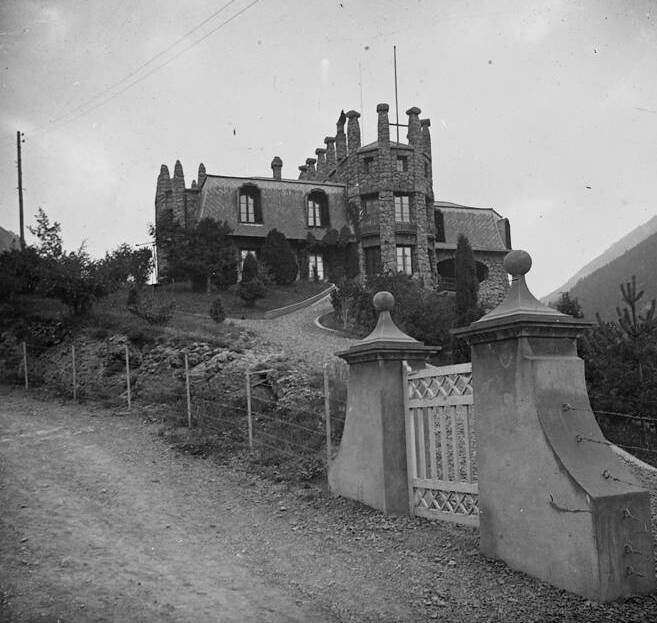
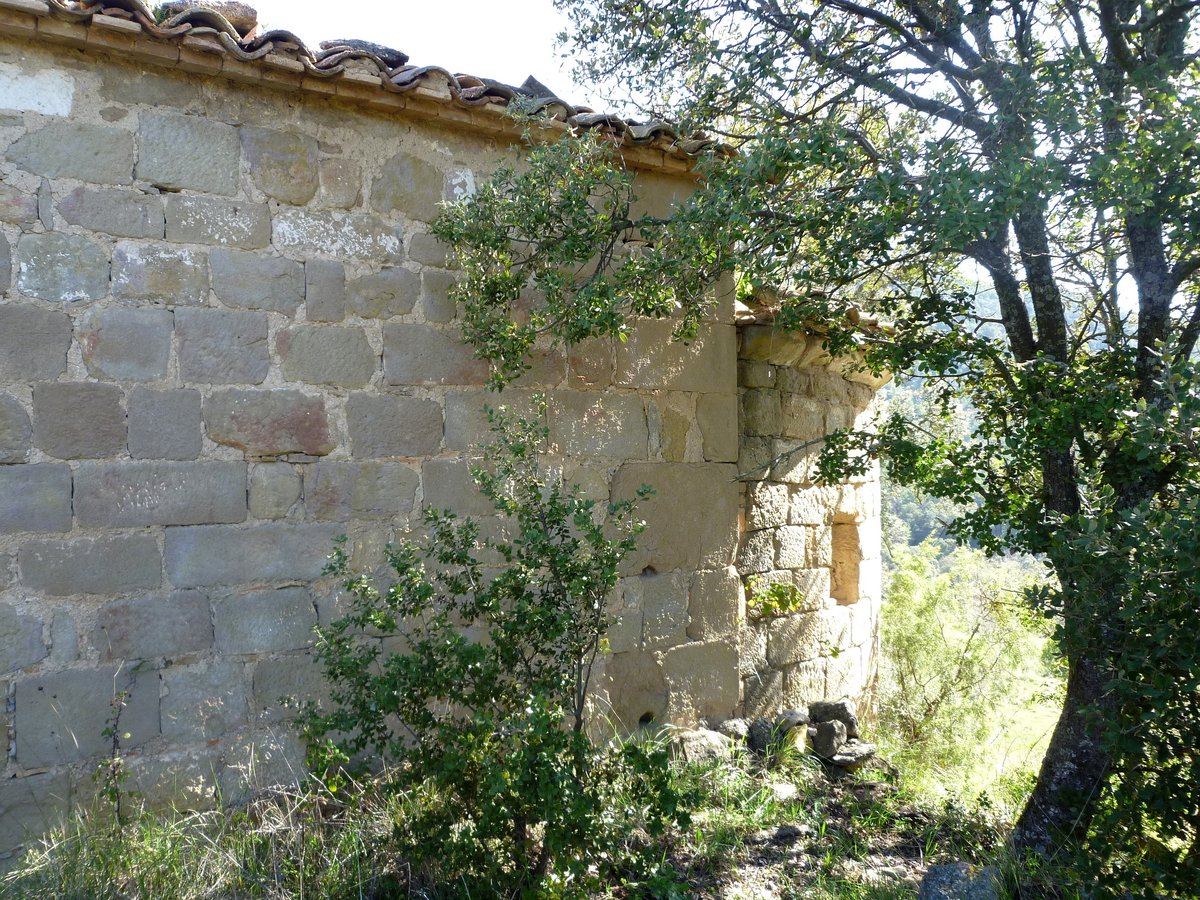
Between 1148 and 1190, the Peguera family held the lordship of Berga. As the city grew during the 13th century, the castle also expanded, and by the 14th century, its walls were connected to those of the town. Fragments of walls remain today at the site called Bonete, characterized by irregular stonework and well-cut cornerstones. While some workers involved in the castle's 1940 remodel remember the existence of graves in the location where the pool is currently situated, the site underwent intense renovation during that period, transforming it into a residential and tourist area.
In 2001, an archaeological survey was conducted as part of a project by the University of Barcelona to study settlement evolution in the Berguedà area from the Lower Imperial Roman period to the High Middle Ages. This study sought to locate potential archaeological sites using written documentation and toponymy. At this site, the fortifications of the medieval period could not be detected, though ceramic fragments were collected from the castle surface and the southern slopes, confirming occupation from the early Middle Ages onwards.
Sources: Wikipedia, OpenStreetMap, Wikidata, Wikimedia Commons
Written by Nik Frost
Discuss this with the author and others
No comments yet. Be the first to start the conversation.