The looms never stopped humming in the 1920s. At their peak, the Bigelow-Hartford Carpet Mills employed 13,000 people. To keep that many bodies working, the company had to build a place for them to sleep.
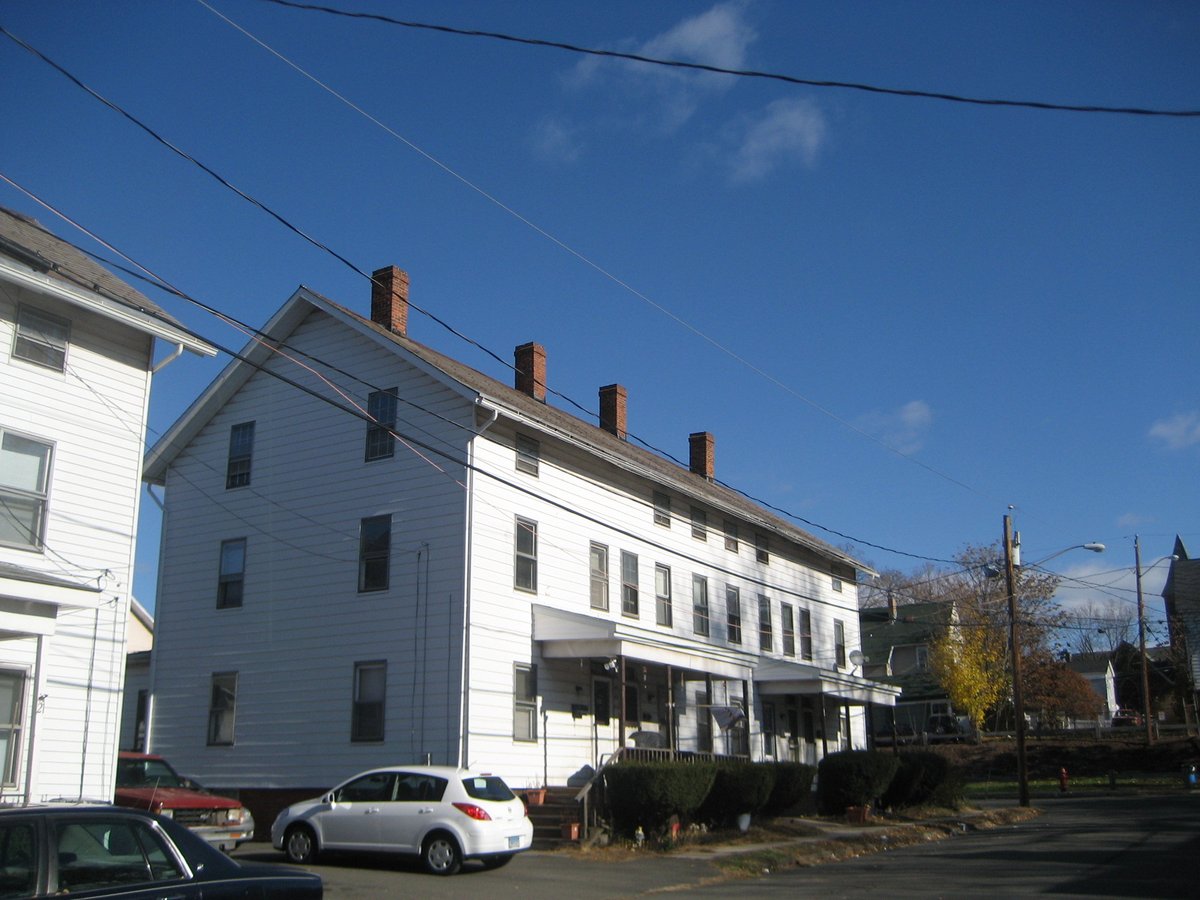
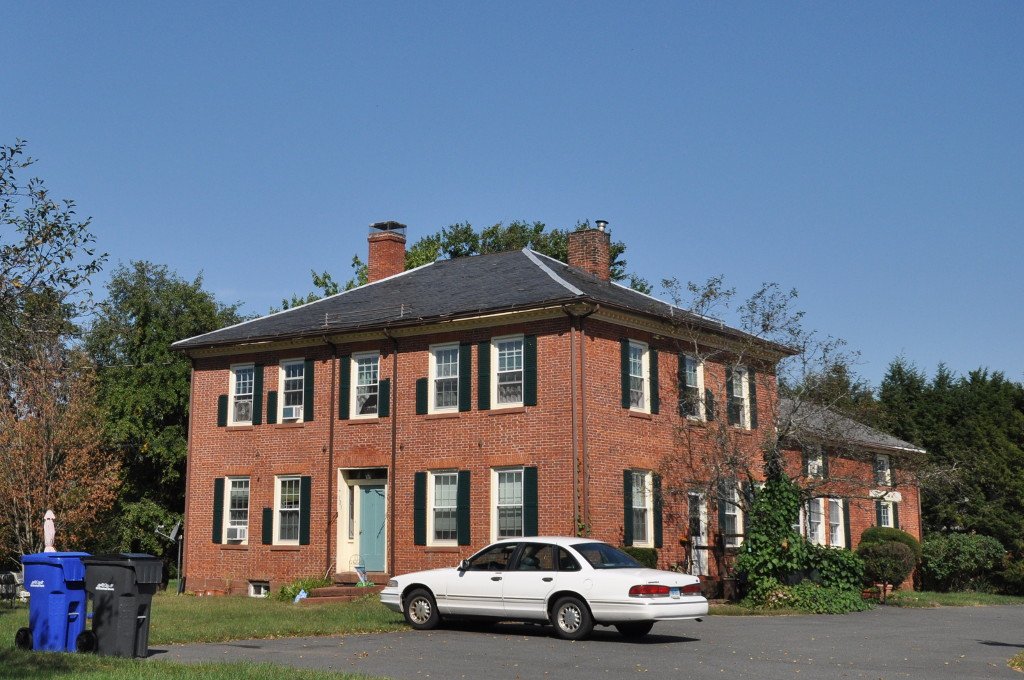
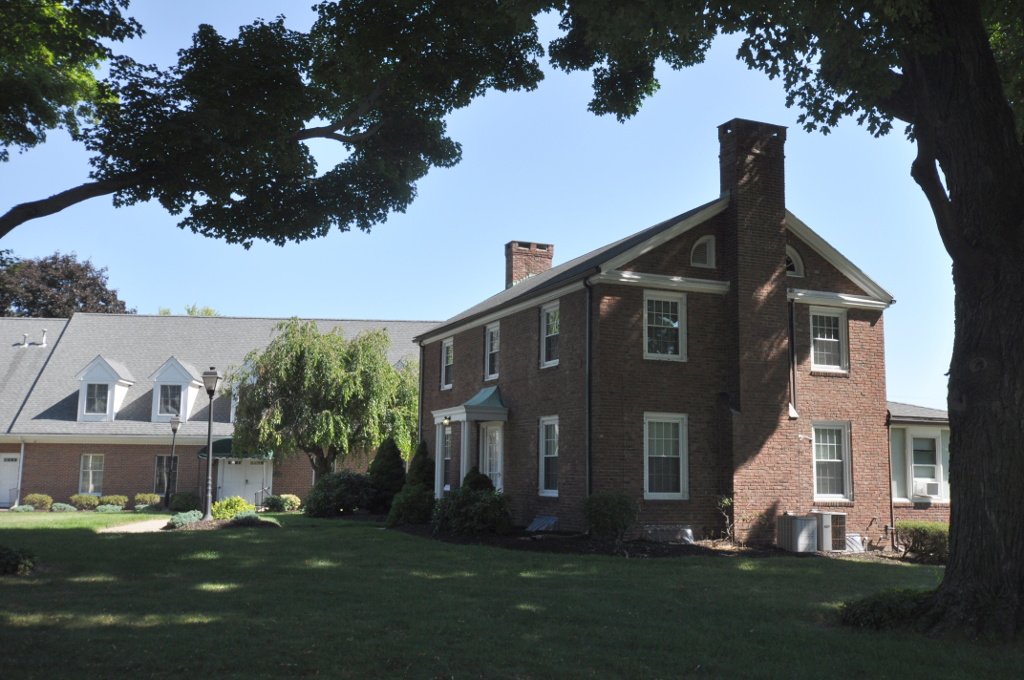
Orrin Thompson started the firm in 1828 on the banks of Freshwater Brook. The company's growth through the 19th century prompted an ongoing need for nearby affordable housing for its workers. The result is several generations of stylistically different housing, built densely in the blocks surrounding the main factory complex. Some were simple cottages. Others were three-story tenements and row houses with as many as twelve units.
There are deviations from the layout. In 1845, the Cottage Green area was developed with a series of single-family Gothic cottages around a common yard. This area may have been developed as a means to attract highly skilled craftsmen from England. The rest of the district followed a dense, grid-based layout.
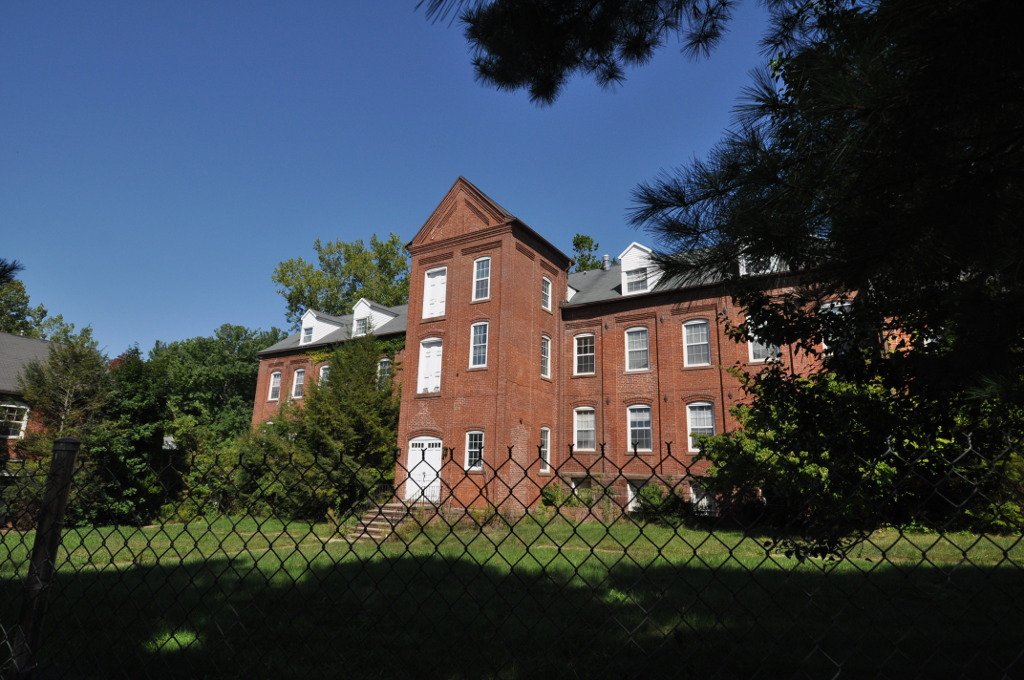
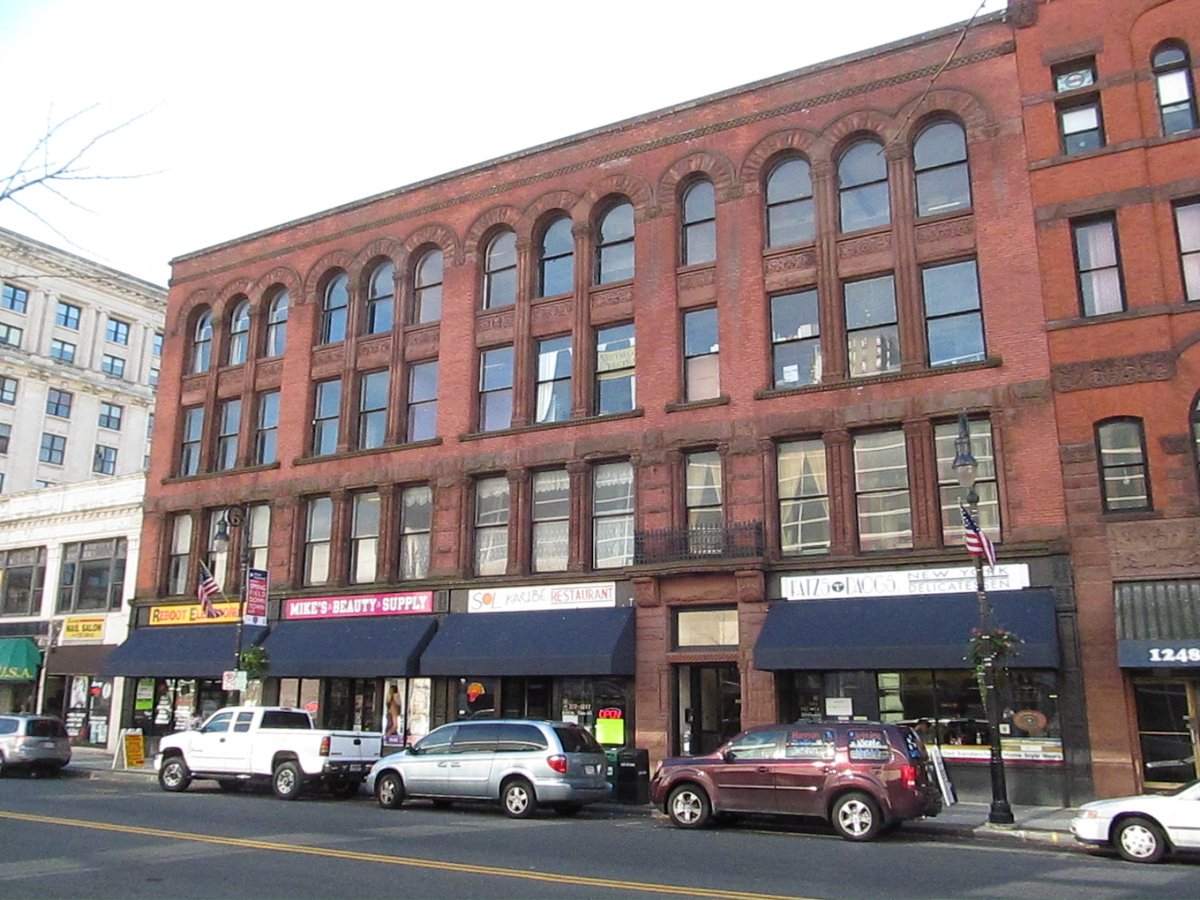
Most of the old factory buildings have been converted to residential use. The company houses still stand as a physical record of the state's textile history. You can walk the streets today and see the layers of worker life from the 19th and 20th centuries.
Sources: Wikipedia, OpenStreetMap, Wikidata, Wikimedia Commons
Written by Leroy
Discuss this with the author and others
No comments yet. Be the first to start the conversation.