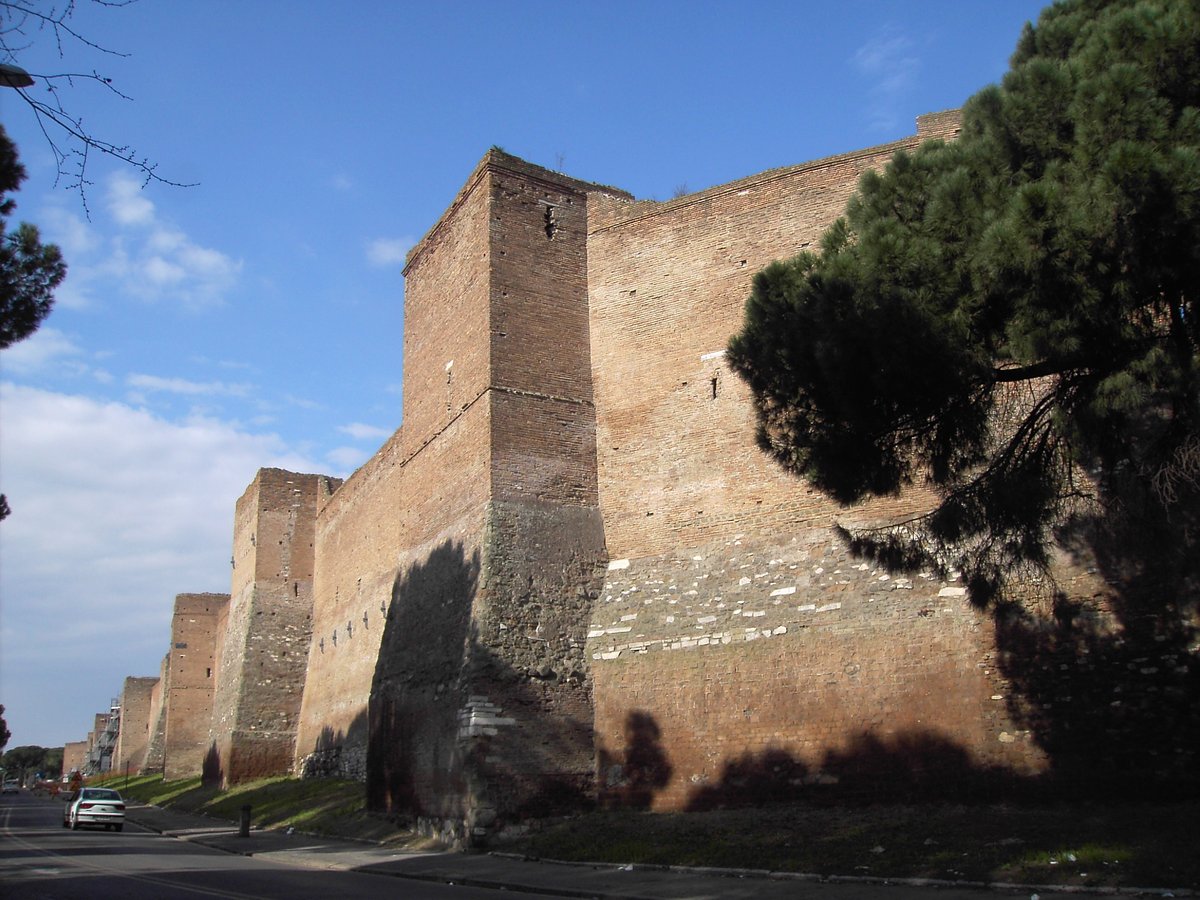

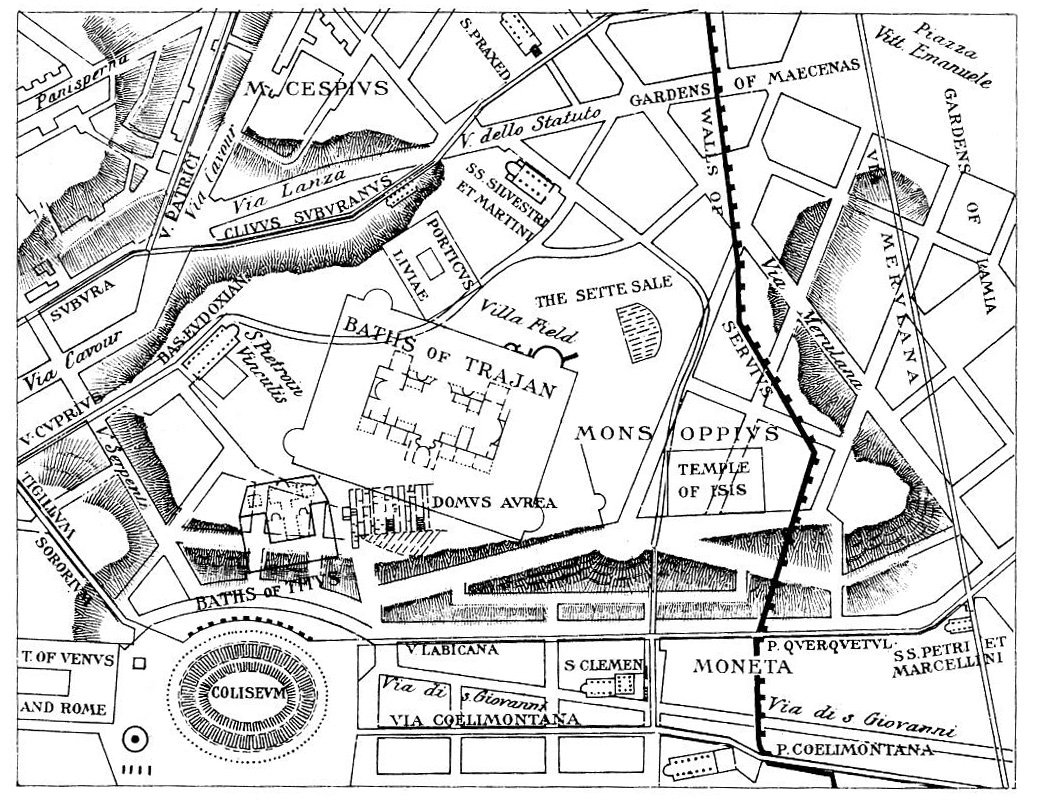
The Aurelian Walls were built in Rome between AD 271 and AD 275 during the reign of the Roman Emperor Aurelian. They superseded the earlier Servian Wall built during the 4th century BC. The walls were constructed in brick-faced concrete, 3.5 m thick and 8 m high, and were built as an emergency measure to alleviate the city's vulnerability following an invasion in 270. The construction project was unusually left to the citizens themselves to complete as Aurelian could not afford to spare a single legionary for the project.
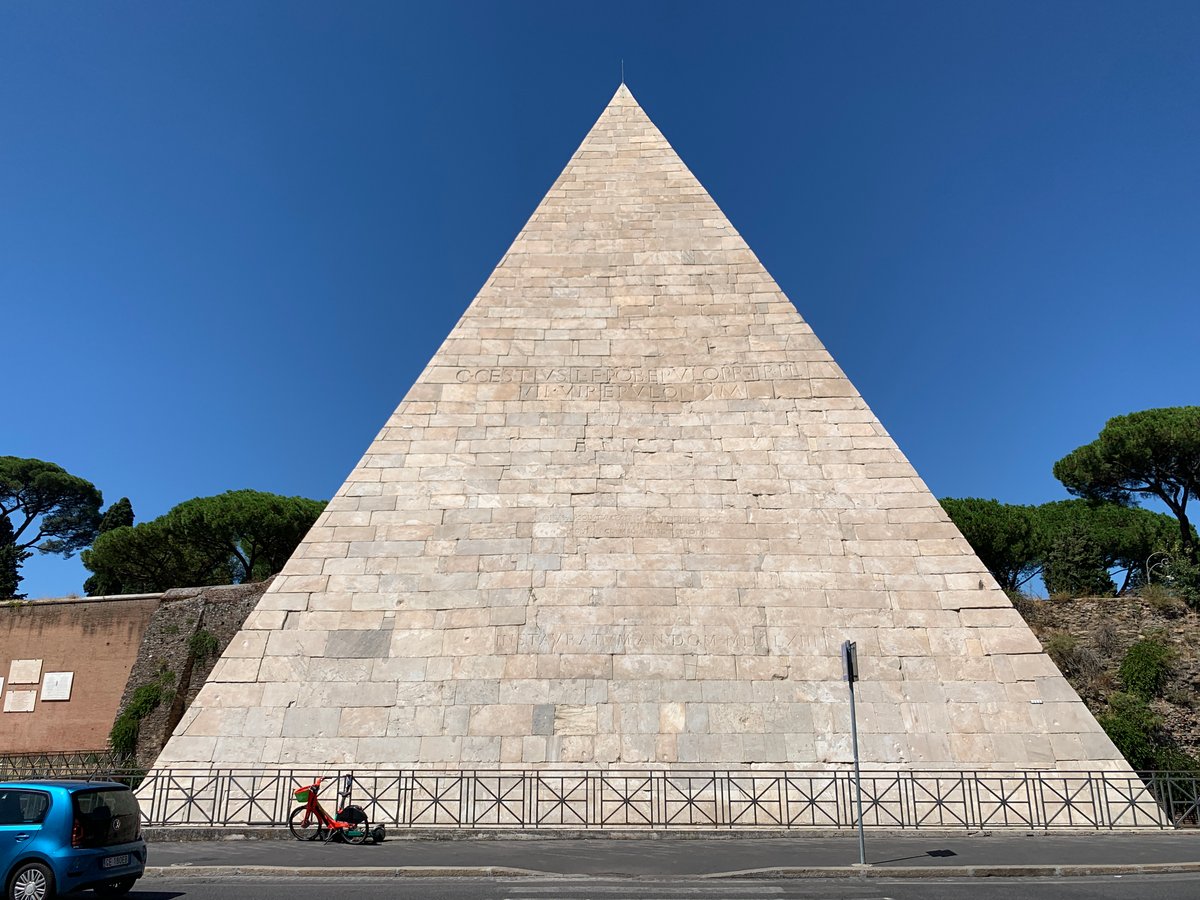
While Aurelian died before the project's completion, the walls were finished in only five years by incorporating existing buildings like the Pyramid of Cestius and a section of the Aqua Claudia aqueduct. The walls were doubled in height to 16 m in the 4th century and continued as a significant military defense for the city until 1870. They defined the boundary of Rome until the 19th century, with the built-up area being confined within the walled area.
Today, the walls remain remarkably well-preserved and still define "central Rome" for the purposes of taxi fare calculation. Trips between Rome's major airports and points within the walls are charged at a predetermined rate. The Museo delle Mura near the Porta San Sebastiano offers information on the construction and operation of the defenses.
Sources: Wikipedia, OpenStreetMap, Wikidata, Wikimedia Commons


Written by Nicolo Ciampini
Discuss this with the author and others
No comments yet. Be the first to start the conversation.