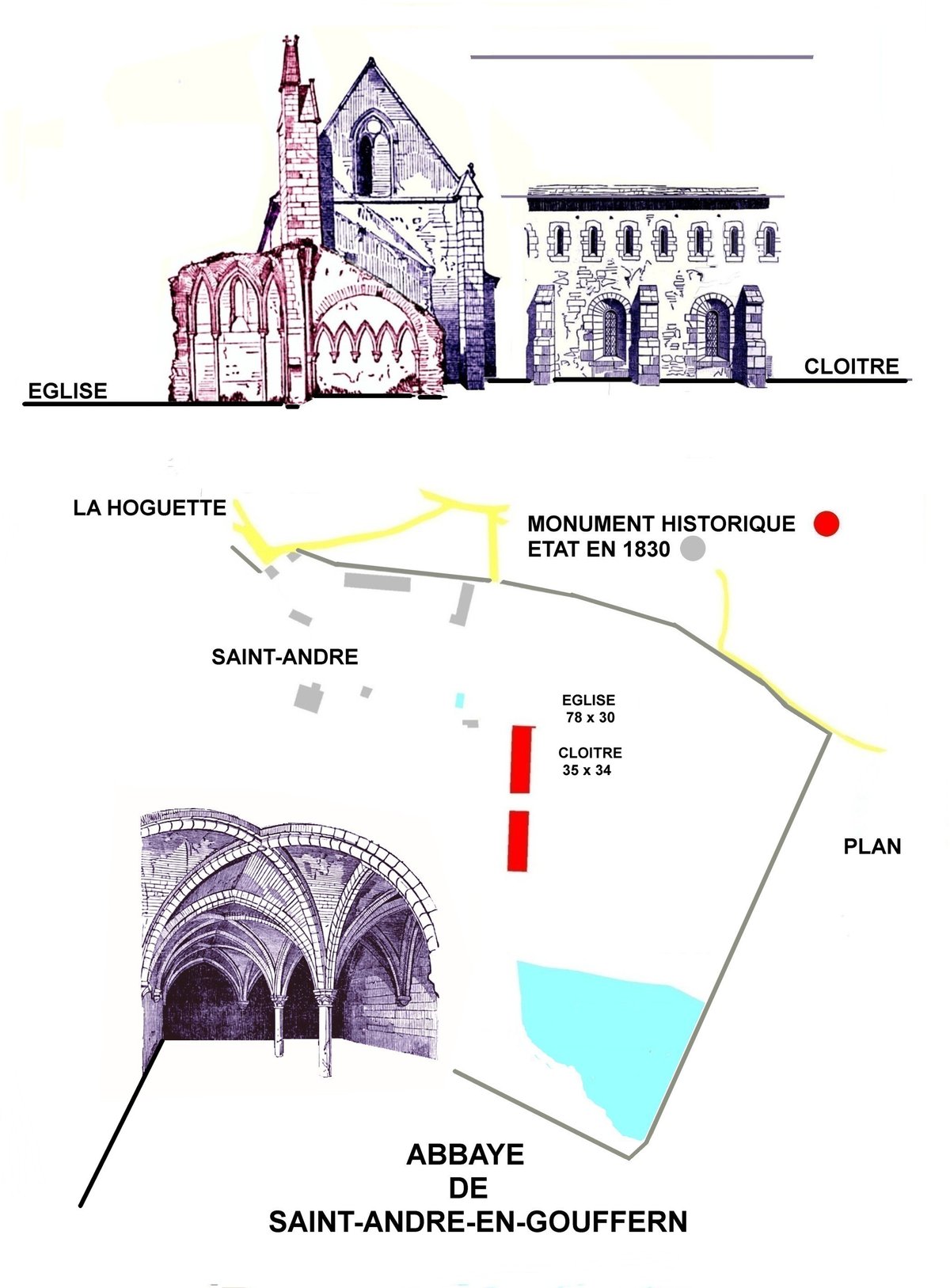

In 1356, during the guerre de Cent Ans, the abbey was partially burned. The monks took refuge in Falaise, where they owned a house and were interested in the trade of cloth. The building remained significant enough to serve as a gîte for Charles VII in 1450 after the city of Caen was taken.
Established in 1131, this Cistercian house was the sixth daughter of Savigny. The monks were active in land management, founding a nearby abbey in 1149 specifically to manage the vineyards of Normandy and Maine. The abbey's extensive archives, now kept in the Calvados archives, provide details on its vast holdings of forests, mills, and houses.
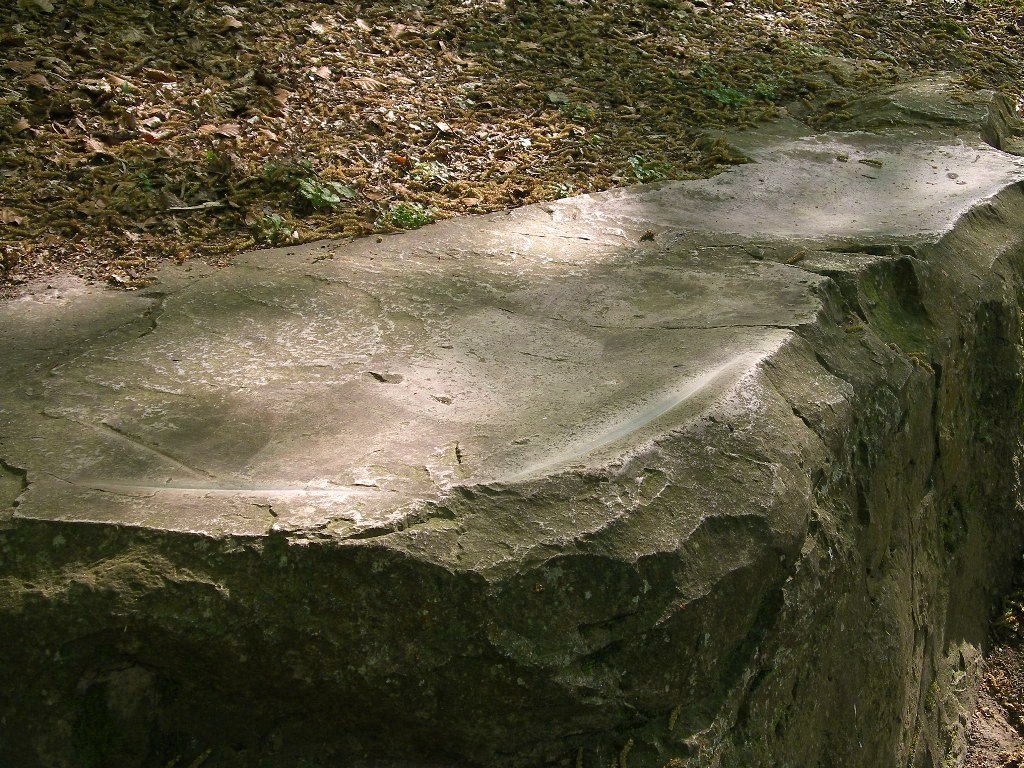
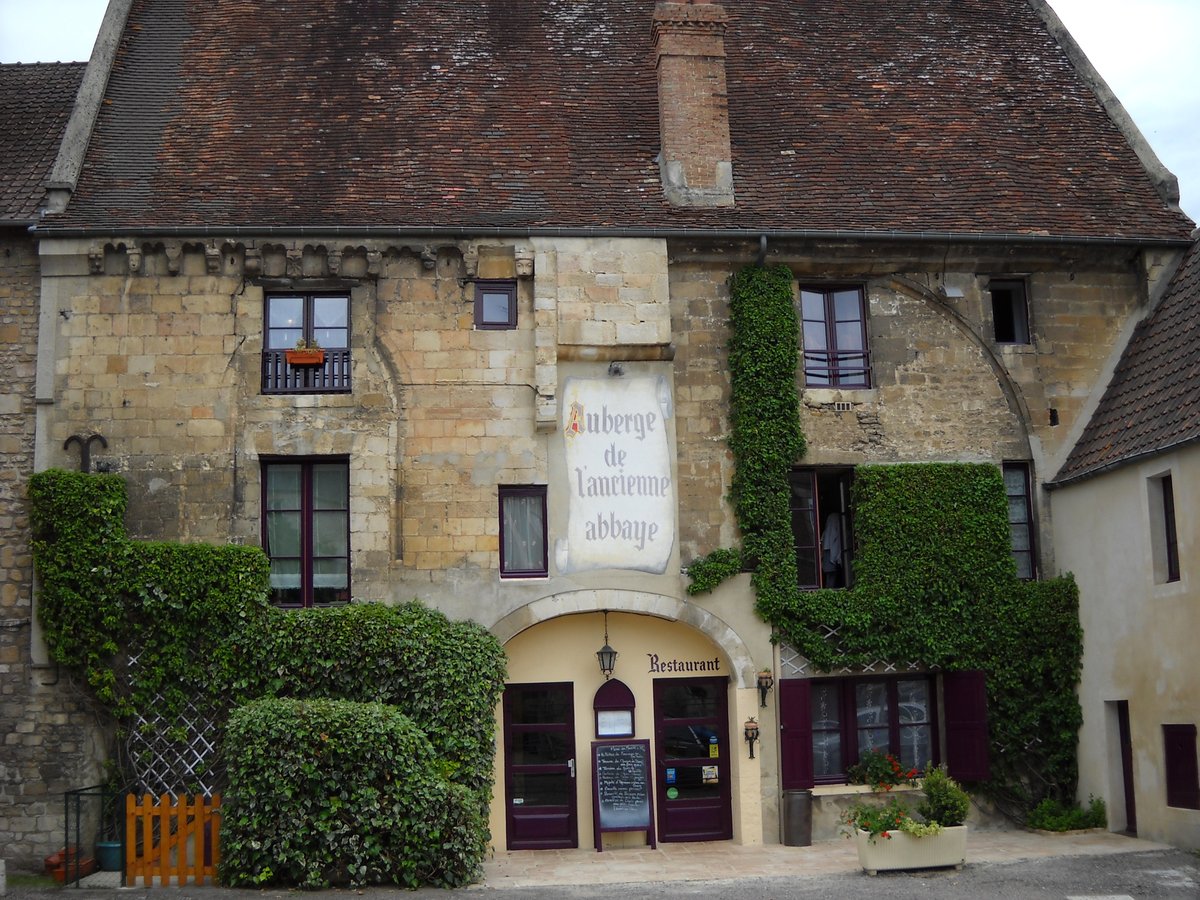
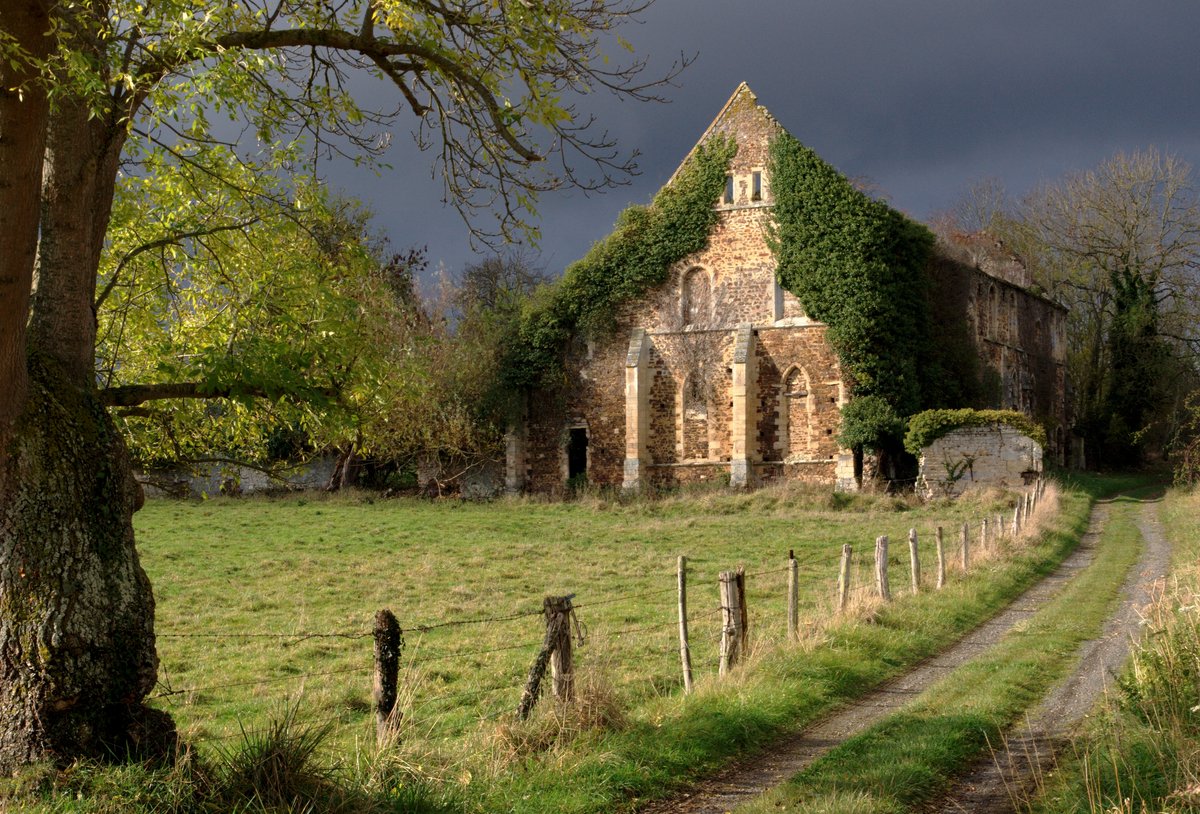
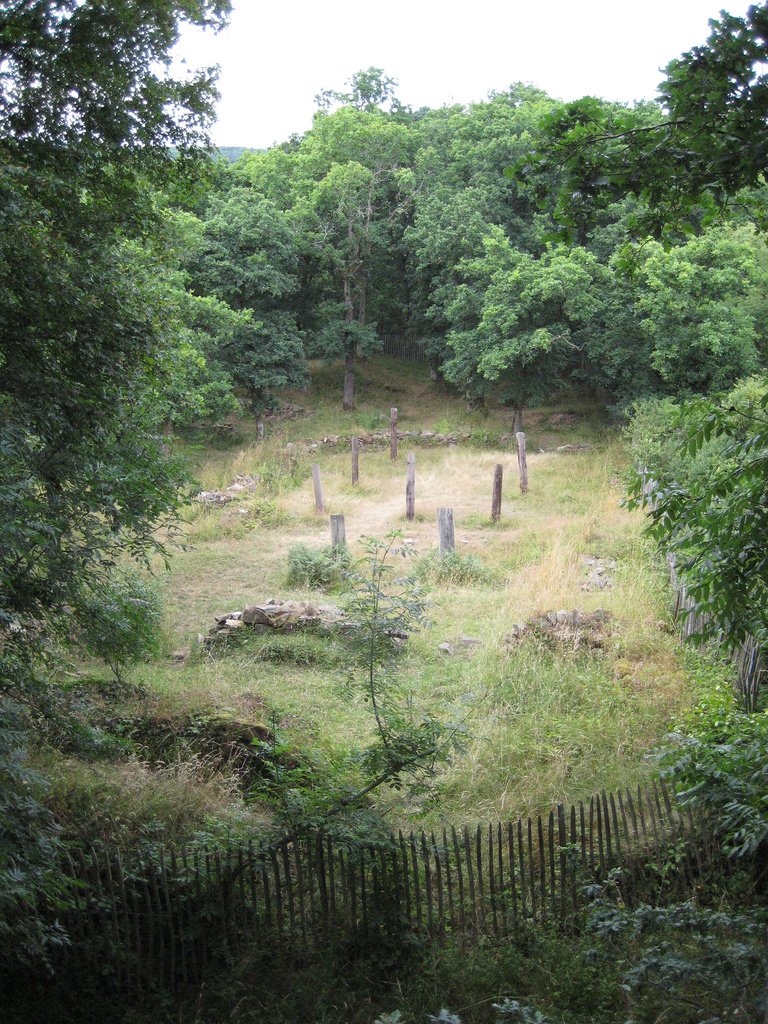
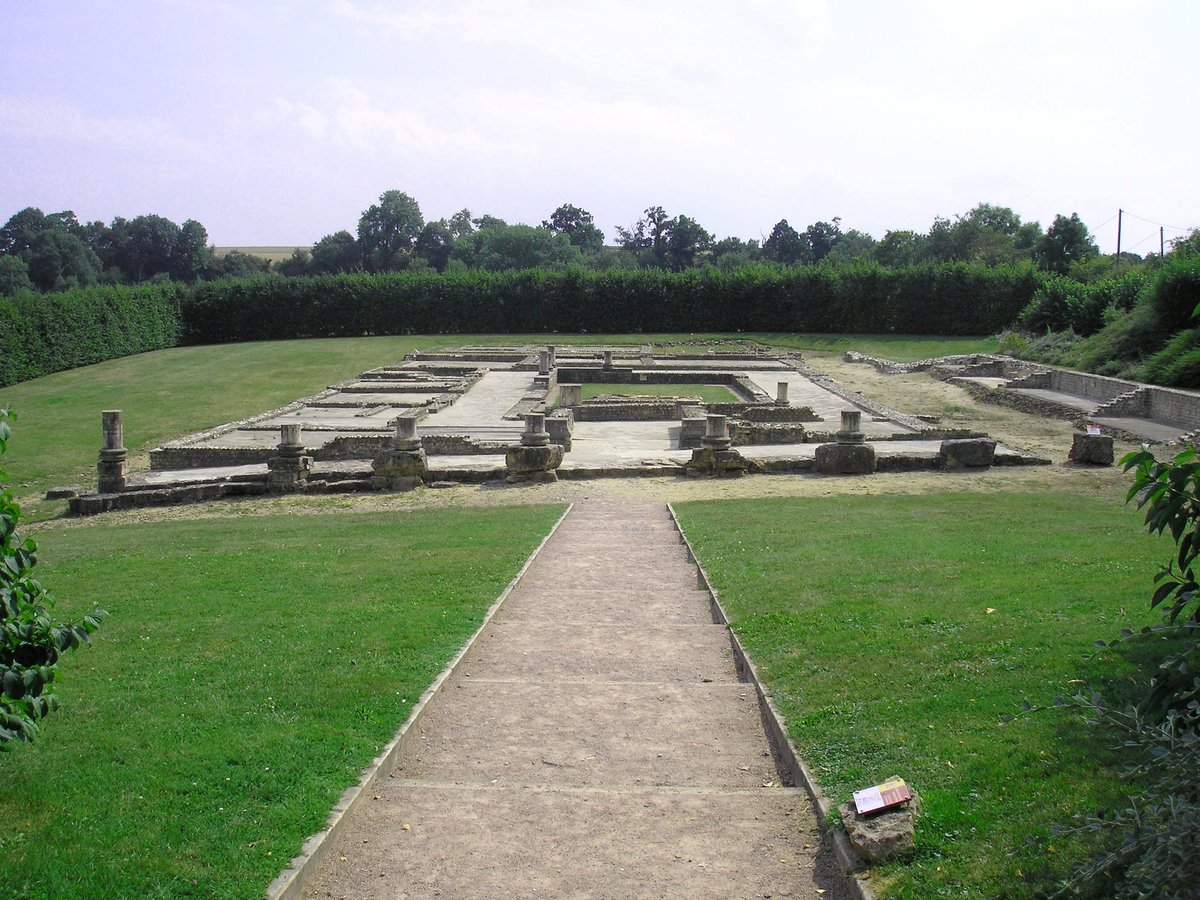
Today, the site preserves several distinct features. You can still see the late 12th-century refectory with its thin columns and capitals decorated with vegetal motifs, vines, and leaves. A baptismal fountain from the late 12th century can also be seen outside. Most of the complex is now private property, including a guest house and the former convers' wing.
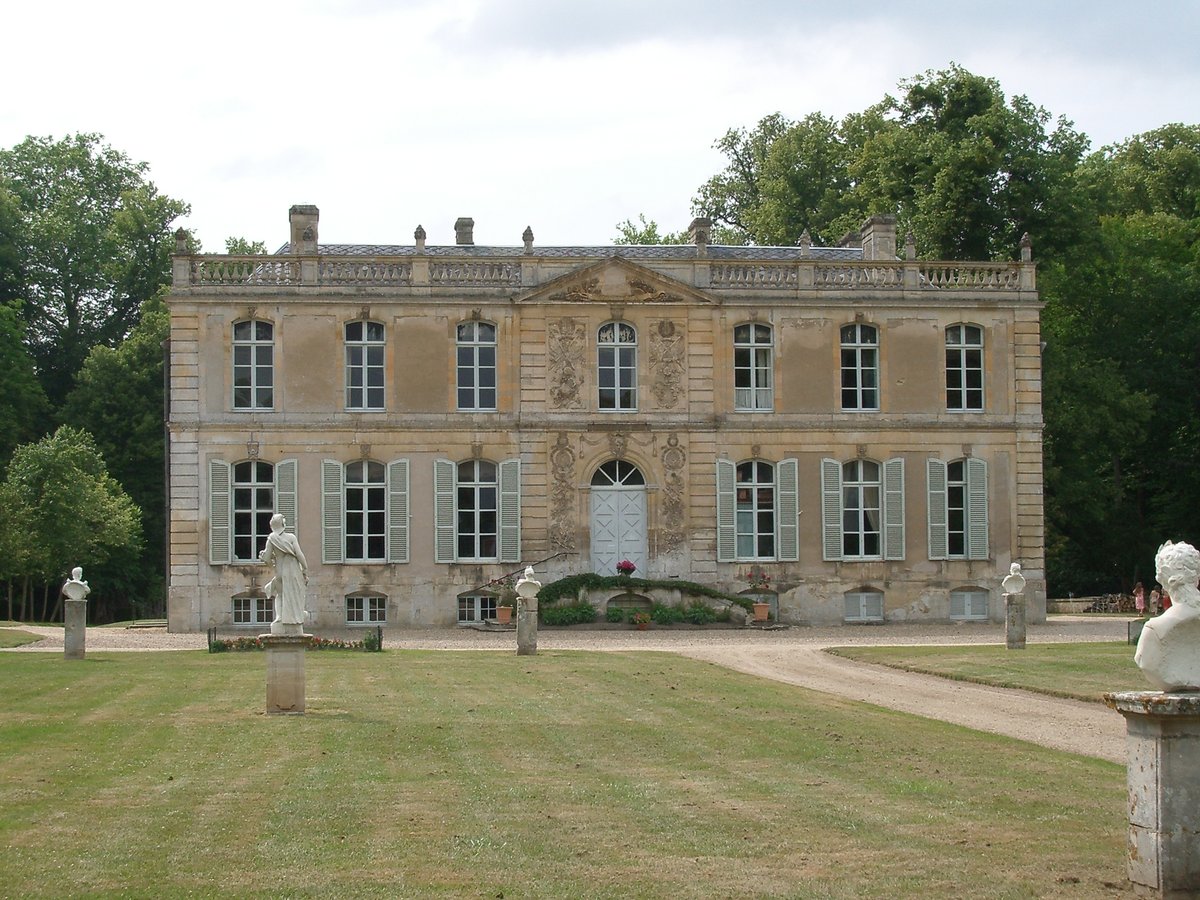
The gardens are open to the public from the beginning of July until the end of September. These grounds surround the remnants of a place that was once a major center for medieval land management and archives.
Sources: Wikipedia, OpenStreetMap, Wikidata, Wikimedia Commons
Written by Nicolo Ciampini
Discuss this with the author and others
No comments yet. Be the first to start the conversation.