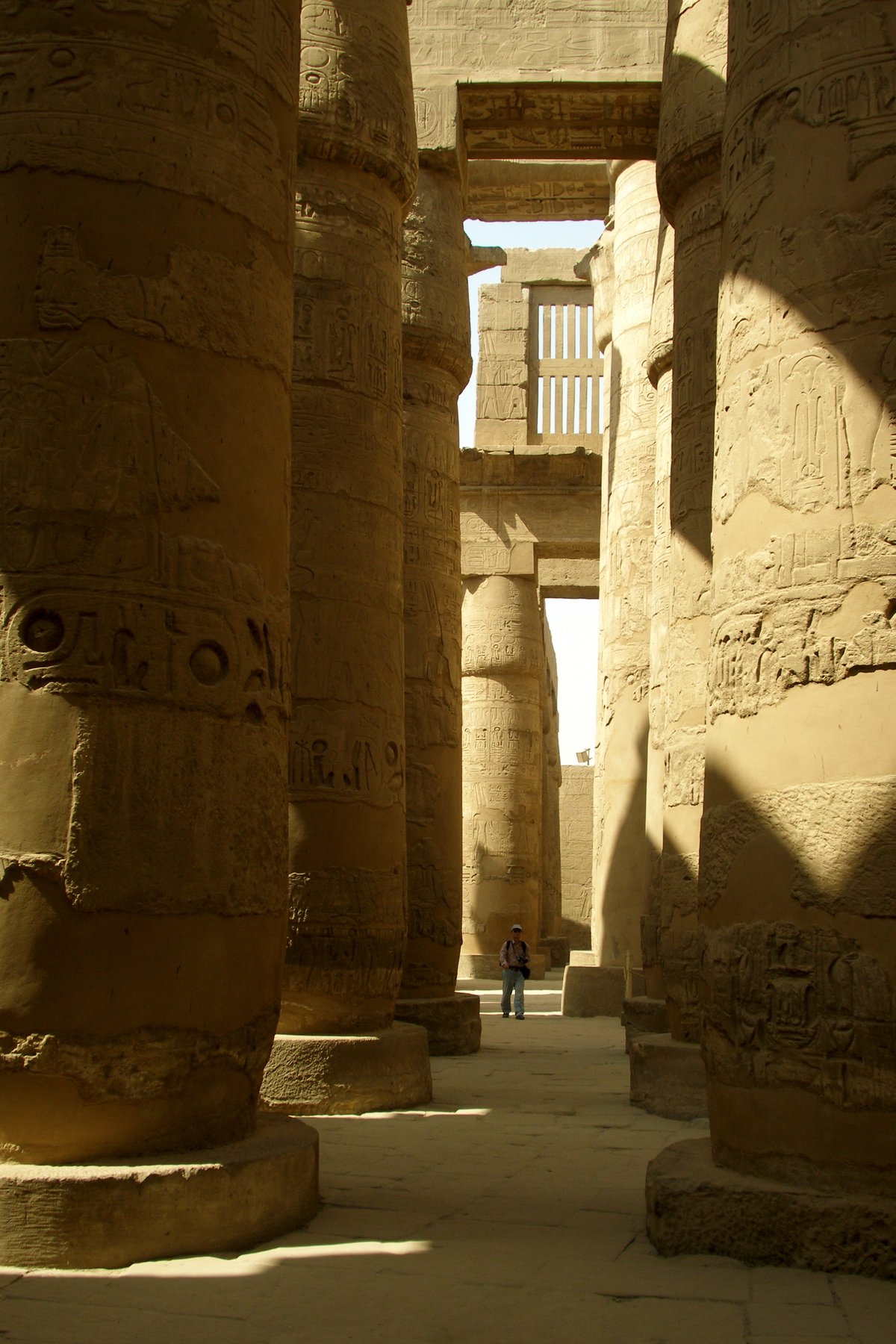

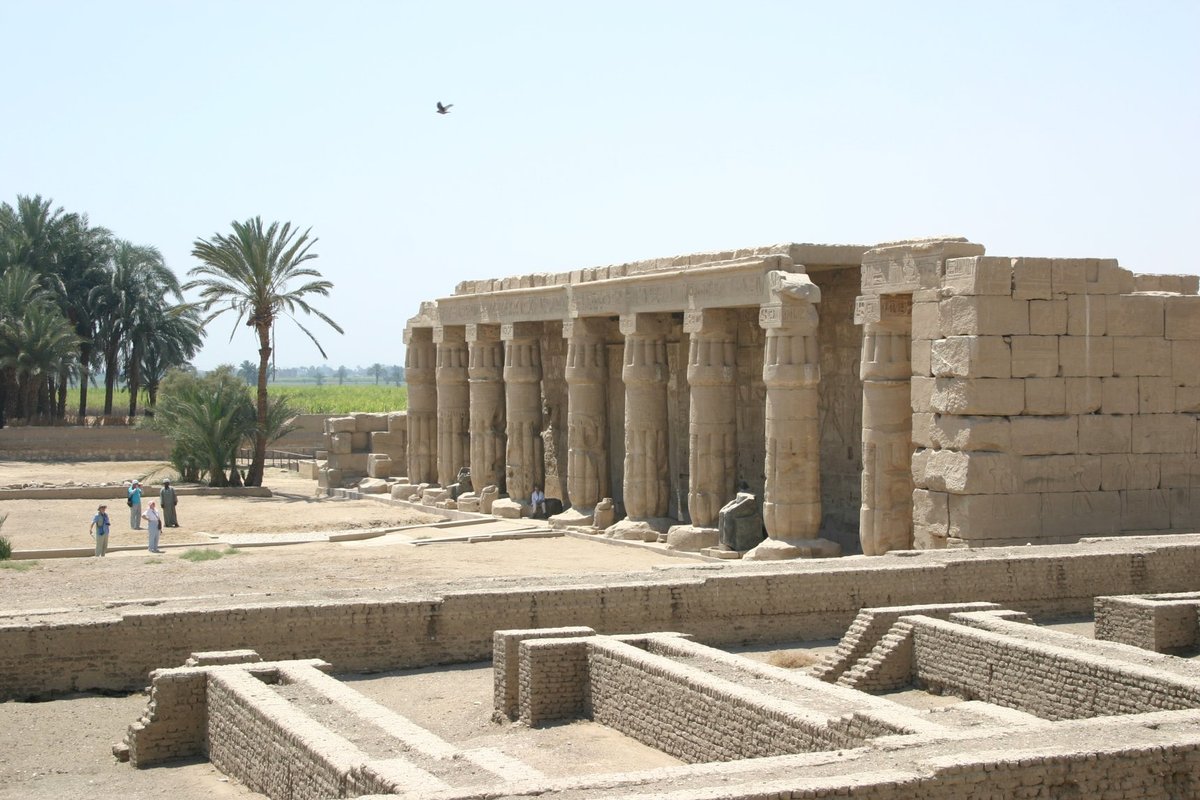
The Great Hypostyle Hall stands as a forest of stone, forever frozen in time. One hundred and thirty-four columns rise from the ground like massive reeds to mimic the primeval papyrus swamp where the deity Atum emerged at the dawn of creation. Twelve massive pillars loom in the center, their tops blooming like heavy flowers to support a high ceiling where light once spilled through windows.
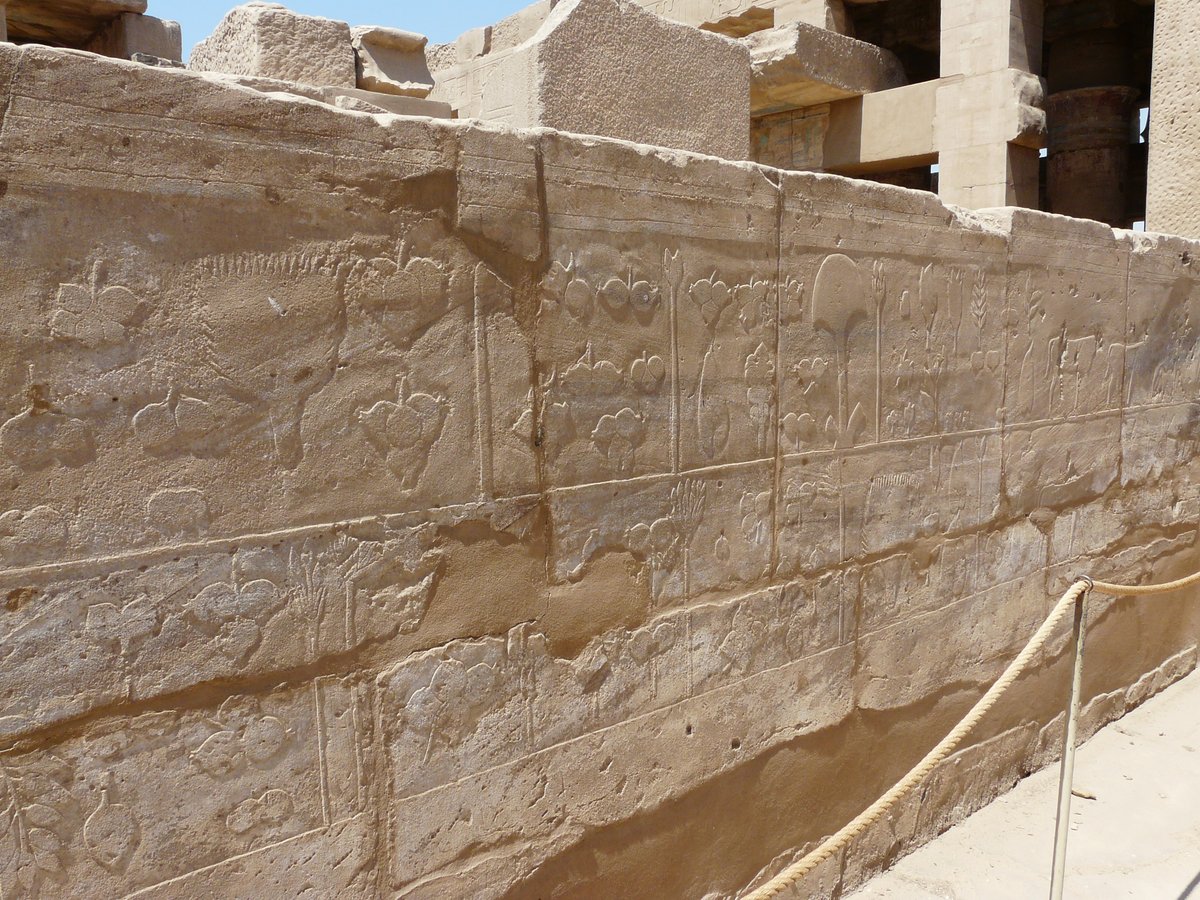
During the 19th Dynasty, Seti I gave this hall its first breath by engraving the northern wing of the hall with inscriptions. He was a king of many battles, leaving his mark in sunken reliefs where the images were bitten deep into the rock rather than resting upon it. His son, Ramesses II, claimed the southern wing and the central nave to fill the void with his own victories. Later rulers continued this heavy toil, sometimes carving over the names of those who had preceded them.
For centuries, the hall served as a theater for religious rites and the records of war. One wall preserves a peace treaty signed with the Hittites, a thin memory of a bloody conflict captured in permanent stone. Even as the gods of Egypt began to fade away around the fourth century CE, these pillars remained to bear the weight of a thousand years of devotion.
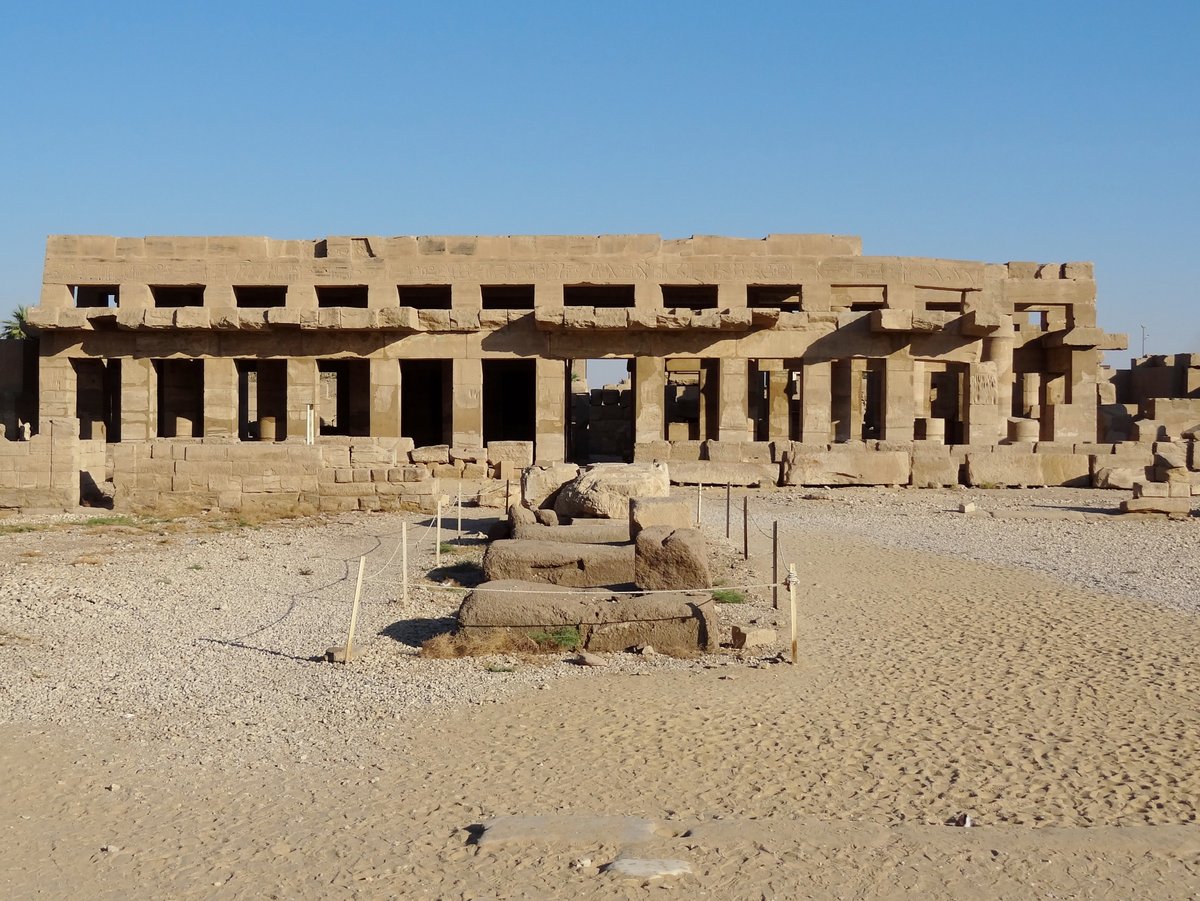
The earth attempted to reclaim the hall in 1899 when eleven columns collapsed in a chain reaction as groundwater undermined their feet. Engineers were forced to intervene to steady the giants so they would not return to the dust. Today, the hall stands open to the public as a heavy and silent grove from a world long gone.
Sources: Wikipedia, OpenStreetMap, Wikidata, Wikimedia Commons

Written by Mutabor
Discuss this with the author and others
No comments yet. Be the first to start the conversation.