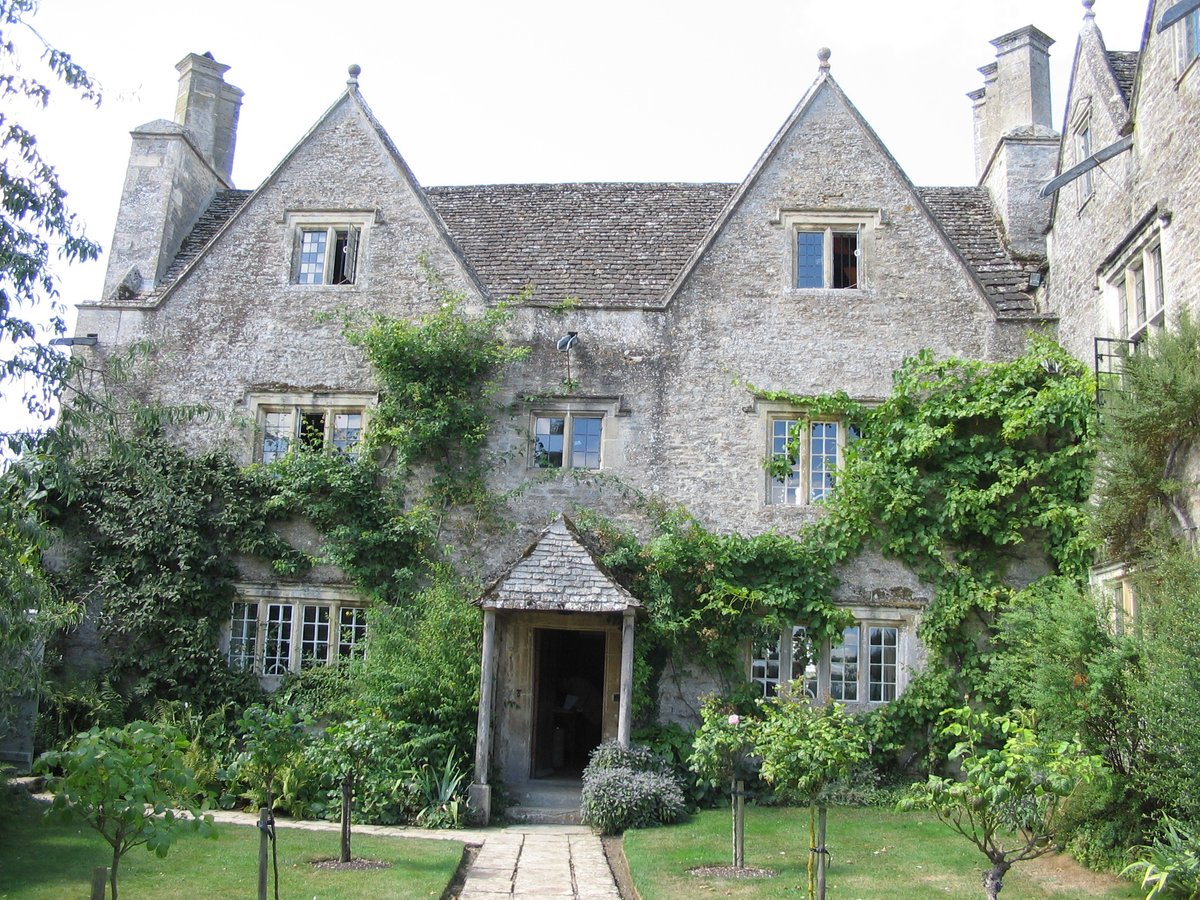

Why did a local farmer's house become a revolutionary landmark? It started around 1570 as a limestone manor built by Thomas Turner. For centuries, it was just a place to live, often known as Lower House, until the late 19th century when it became a sanctuary for a different kind of inhabitant.
William Morris moved here in 1871. He was a designer and a socialist who wanted to return to the honesty of the past. He found it in the house's architecture and its organic relationship with the garden. He loved this specific spot so much that he named his London residence Kelmscott House and his private press the Kelmscott Press. The Manor is featured in Morris' work News from Nowhere.
There is a bit of drama in the ownership. After the Morris family, the house fell into a state of decay. It was saved by the Society of Antiquaries in 1962, but it took a massive £6 million restoration to keep the house from deteriorating further. Most of the main roof beams were rotten which meant that a lot of the structure needed to be replaced, while internal walls and floors were strengthened.
Today, you can still see Morris's textile patterns and furniture. You can walk through the attic where farm labourers used to work, or stand in his bedroom among his original books and Dürer prints. It is a well-preserved slice of an Arts and Crafts dream, still standing in the Oxfordshire village.
Sources: Wikipedia, OpenStreetMap, Wikidata, Wikimedia Commons

Written by Nicolo Ciampini
Discuss this with the author and others
No comments yet. Be the first to start the conversation.