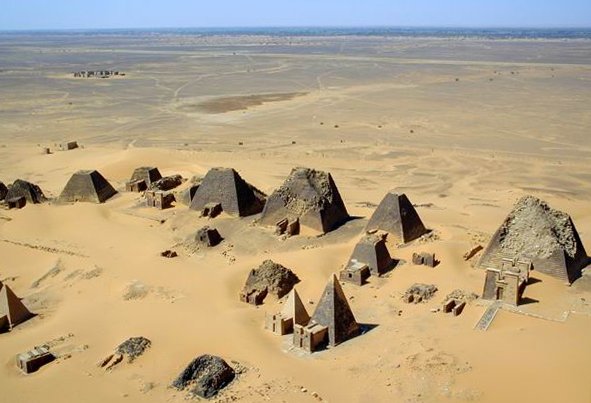

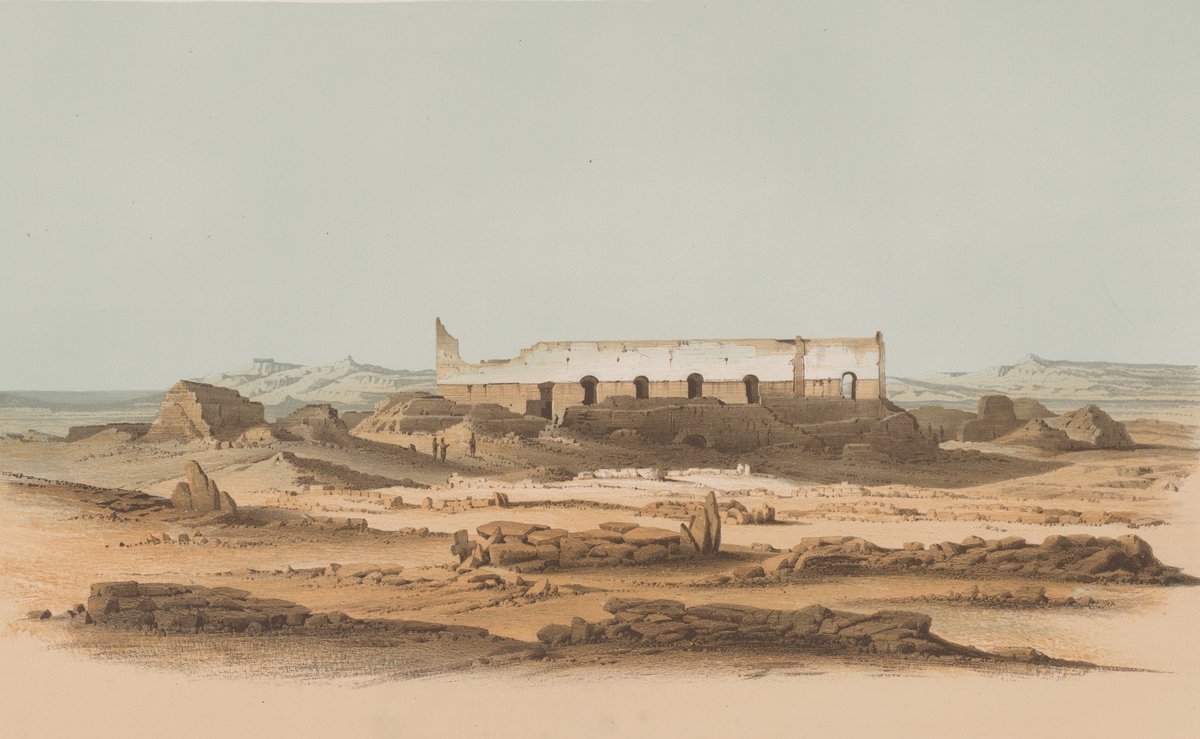
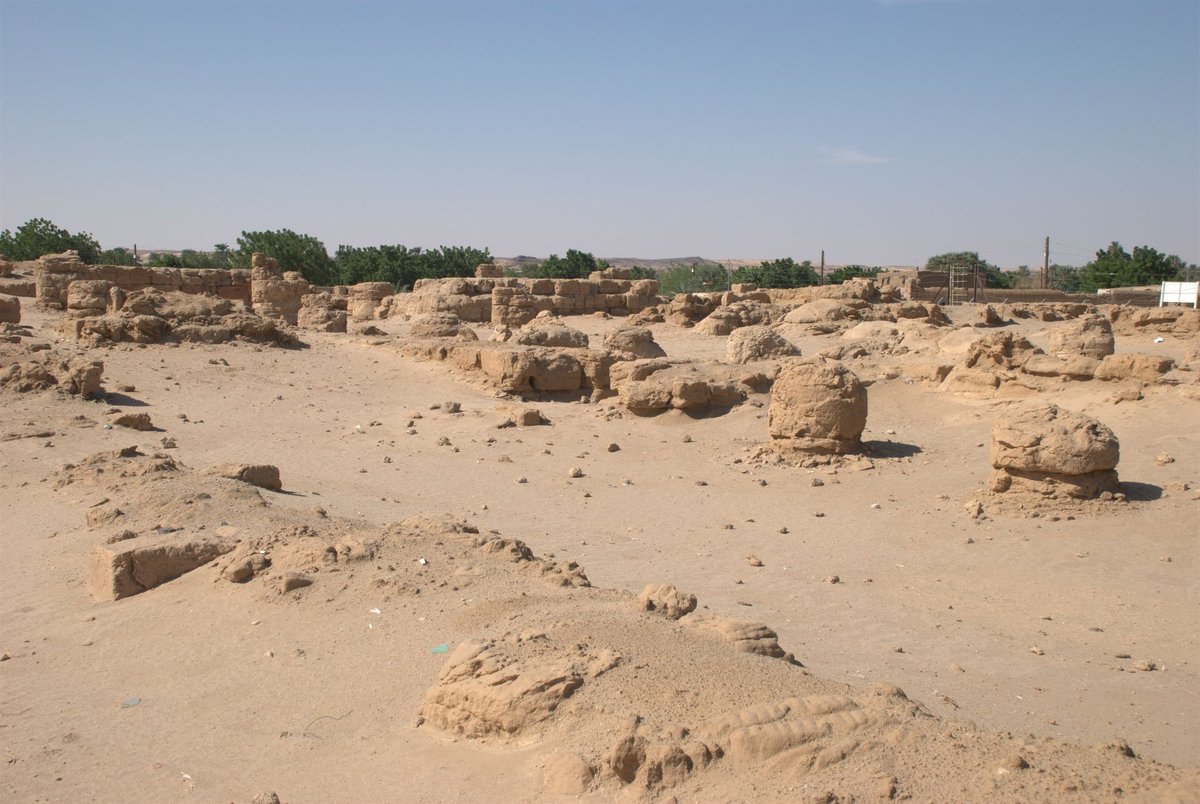
The Pyramids of Meroe are a large number of Nubian pyramids encompassing three cemeteries near the ancient city of Meroë in Sudan. Located approximately 200 kilometres northeast of Khartoum, near the village of Bagrawiya, the cemeteries - Bagrawiya North, South, and West - are spread across low hills covering roughly a quarter of a square kilometre. The pyramids date to the later stage of the Kingdom of Kush and were burial places for Kushite monarchs, other members of the royal family, and important officials and dignitaries.
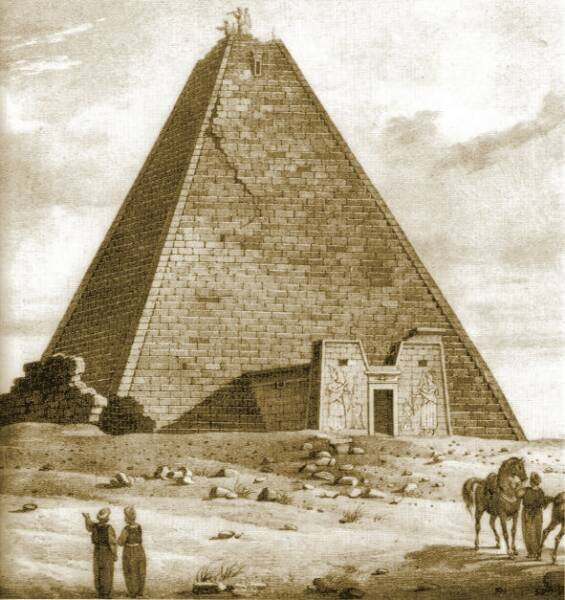
The structures are mostly built of local sandstone and were under 30 metres in height, significantly smaller than the well-known ancient Egyptian pyramids. They are distinguished by a steep angle of 72 degrees, compared to the approximately 54-degree angle of Egyptian pyramids. The first pyramid at Meroë that can be securely attributed to a ruler belongs to Ergamenes (Arakamani), who reigned around 280 BC. There are over a thousand graves at Meroë, out of which at least 147 were pyramids.
During the later period of the Kingdom of Kush, pyramid construction evidently declined in importance. The Pyramids of Meroe have been a UNESCO World Heritage Site since 2011. On 8 September 2020, the pyramids were threatened for the first time by floods.
Sources: Wikipedia, OpenStreetMap, Wikidata, Wikimedia Commons
Written by Mutabor
Discuss this with the author and others
No comments yet. Be the first to start the conversation.