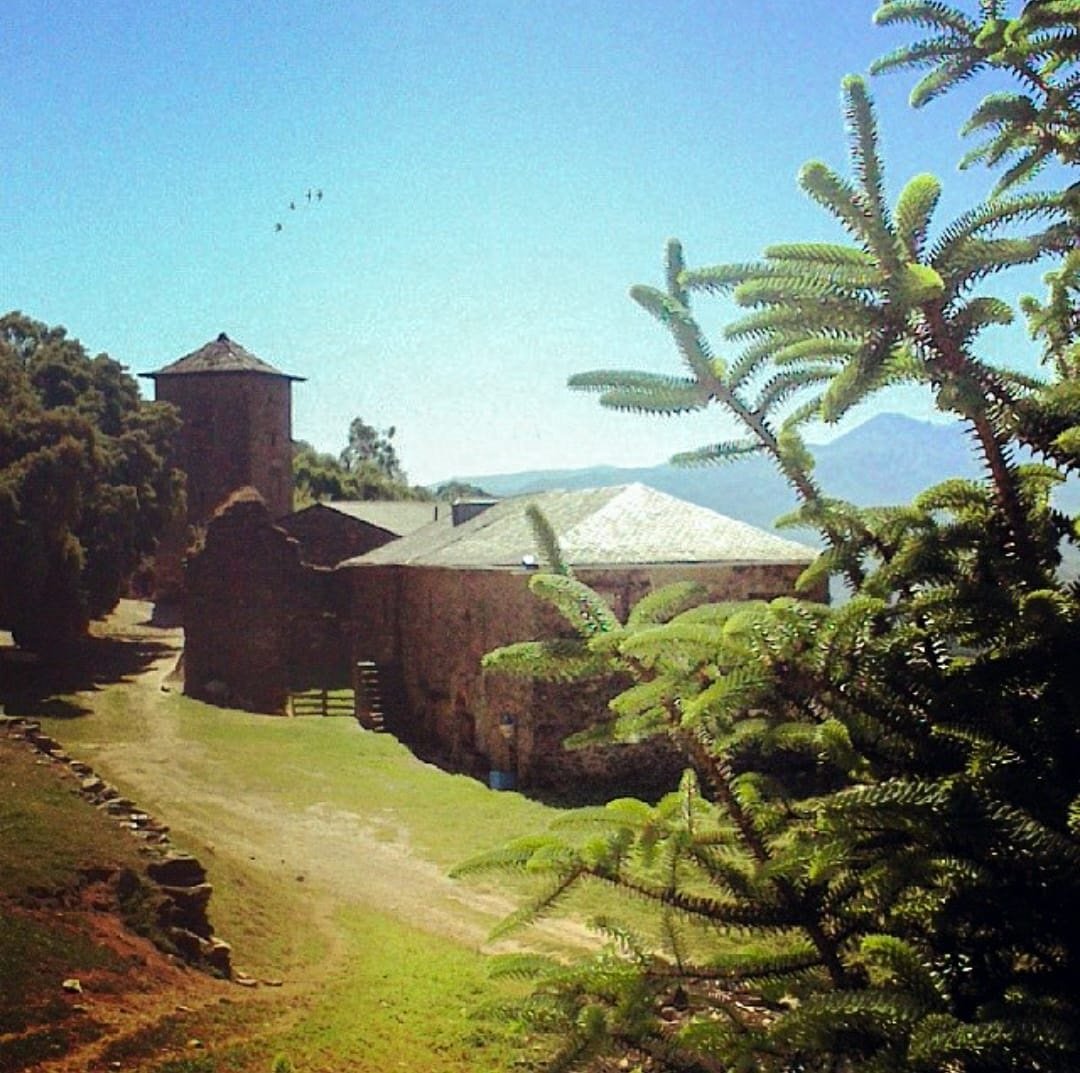

Though initially a humble church dedicated to the Virgin Mary, the Convento de Cabeza de Alba in Horta, Spain, grew in reputation over time. It was once a house of observance, a place for monks to devote themselves to the Order of Saint Francis and seek spiritual enlightenment. However, in the 19th century, the convent became the site of prison for Antonio José Ruiz de Padrón, a Canarian clergyman and abolitionist. He was imprisoned from 1814 to 1816 for his outspoken advocacy for the abolition of the Voto de Santiago and the Inquisition. Though his imprisonment ended in 1816, the convent's later history was marked by decline. Eventually, it was abandoned to the elements in the 19th century. Today, what remains of the convent's structure serve as a humble reminder of the controversial figure hidden in its past walls.
Sources: Wikipedia, OpenStreetMap, Wikidata, Wikimedia Commons
Written by Nik Frost
Discuss this with the author and others
No comments yet. Be the first to start the conversation.