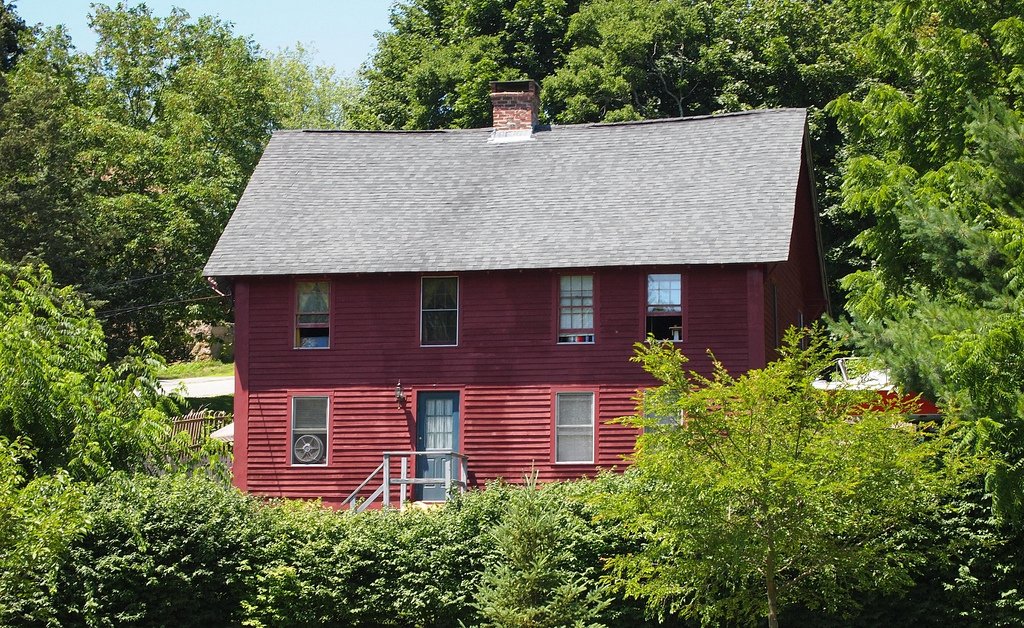
The Rogers family split from the local Congregationalist church in the mid-17th century to form a sect called the Rogerenes, which borrowed from both Baptist and Quaker theology. The Rogerenes refused to accept colonial authority or pay ministerial taxes, and the village they formed developed without the traditional central meeting house.
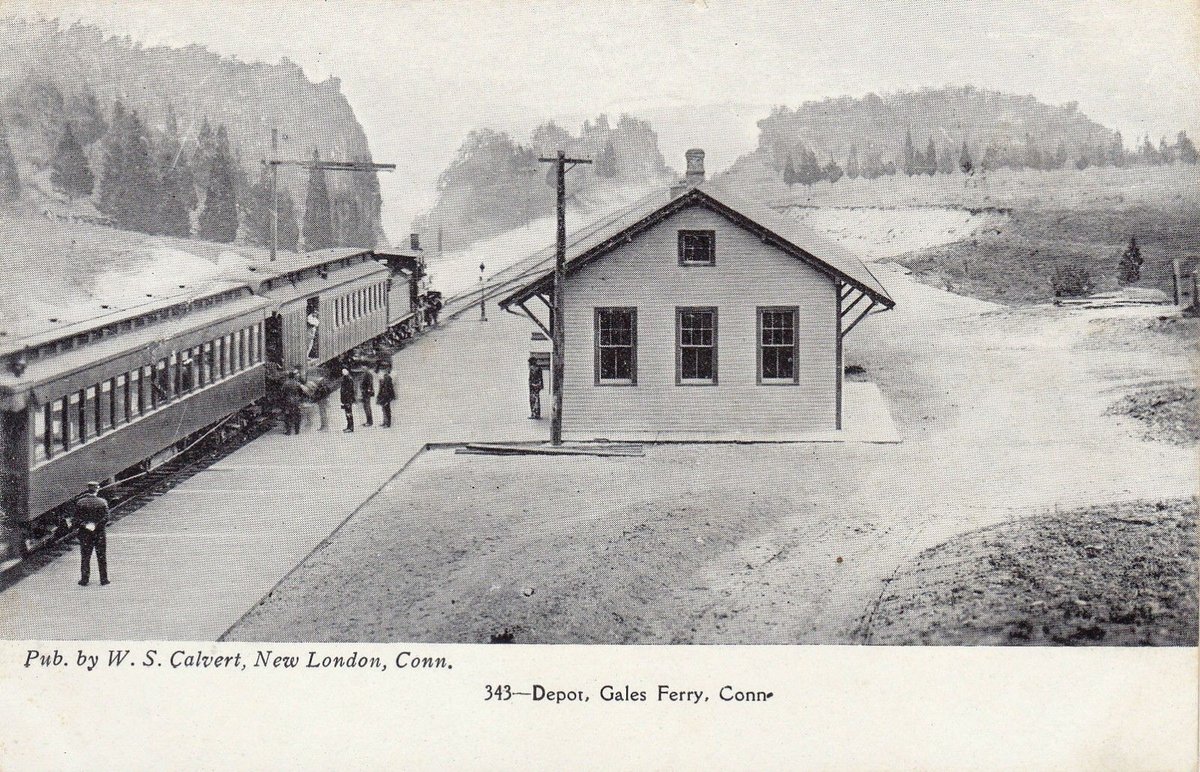
By the 19th century, the area flourished as a local center of the papermaking industry. Life changed again when a trolley line was run along Old Norwich Road from New London, and the area developed as a streetcar suburb. The architecture reflects these changes and the district was listed on the National Register of Historic Places in 2002.
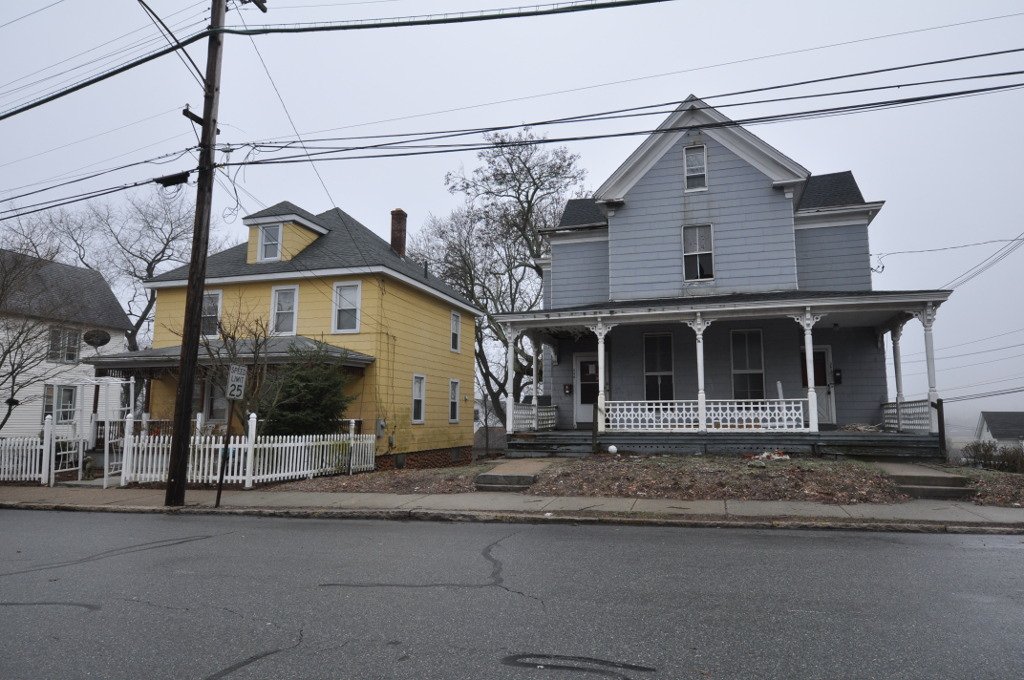
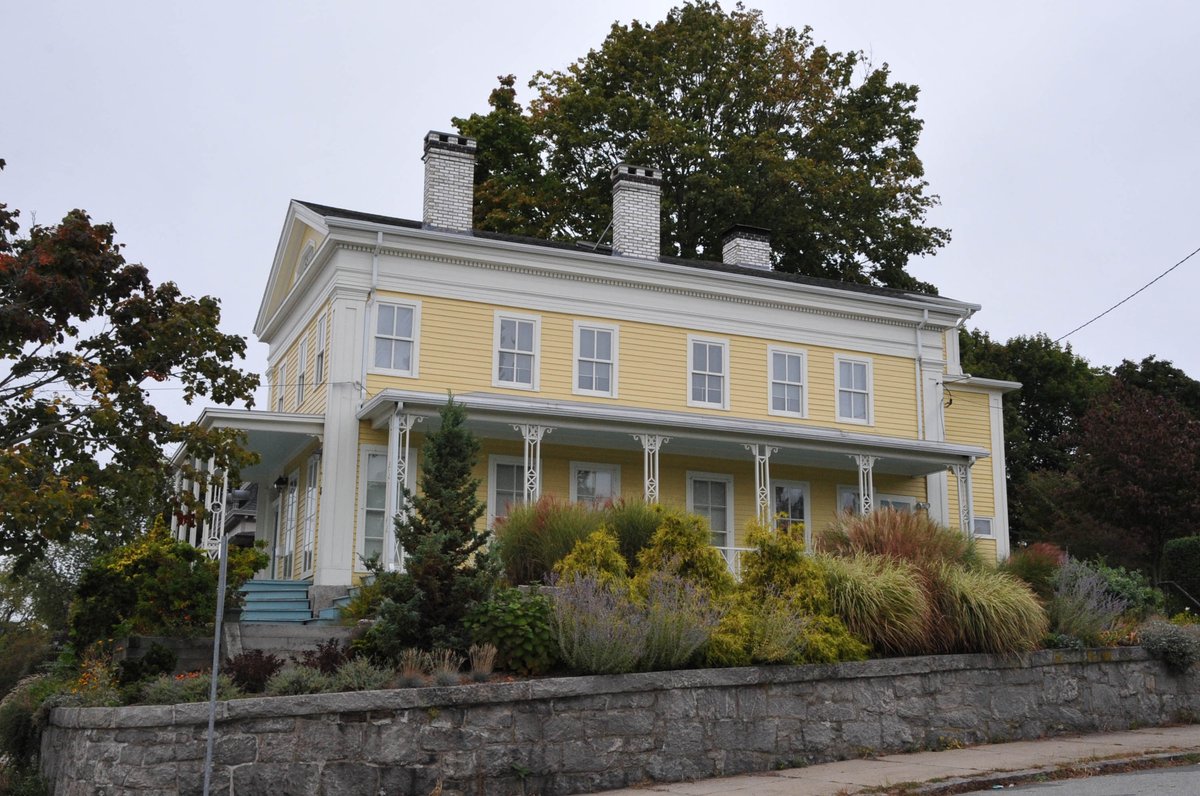
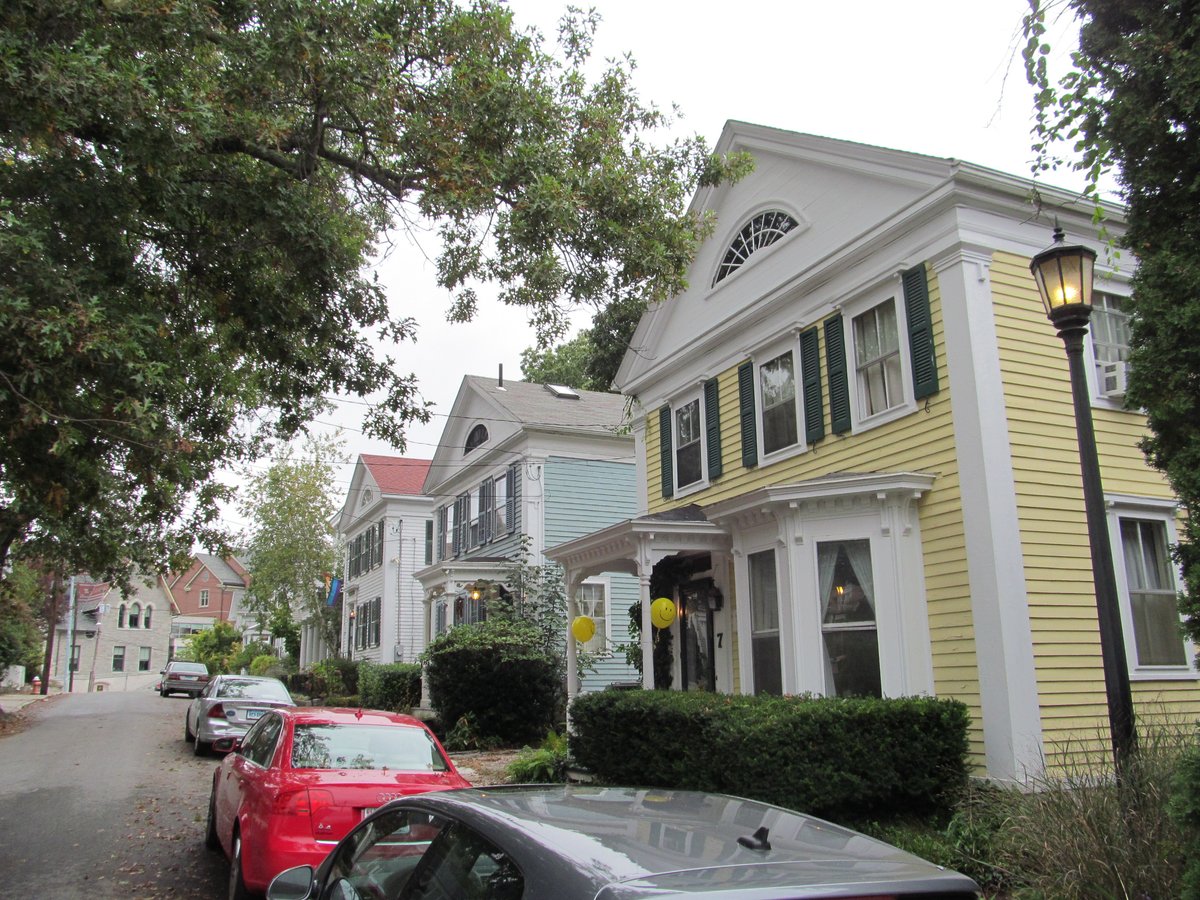
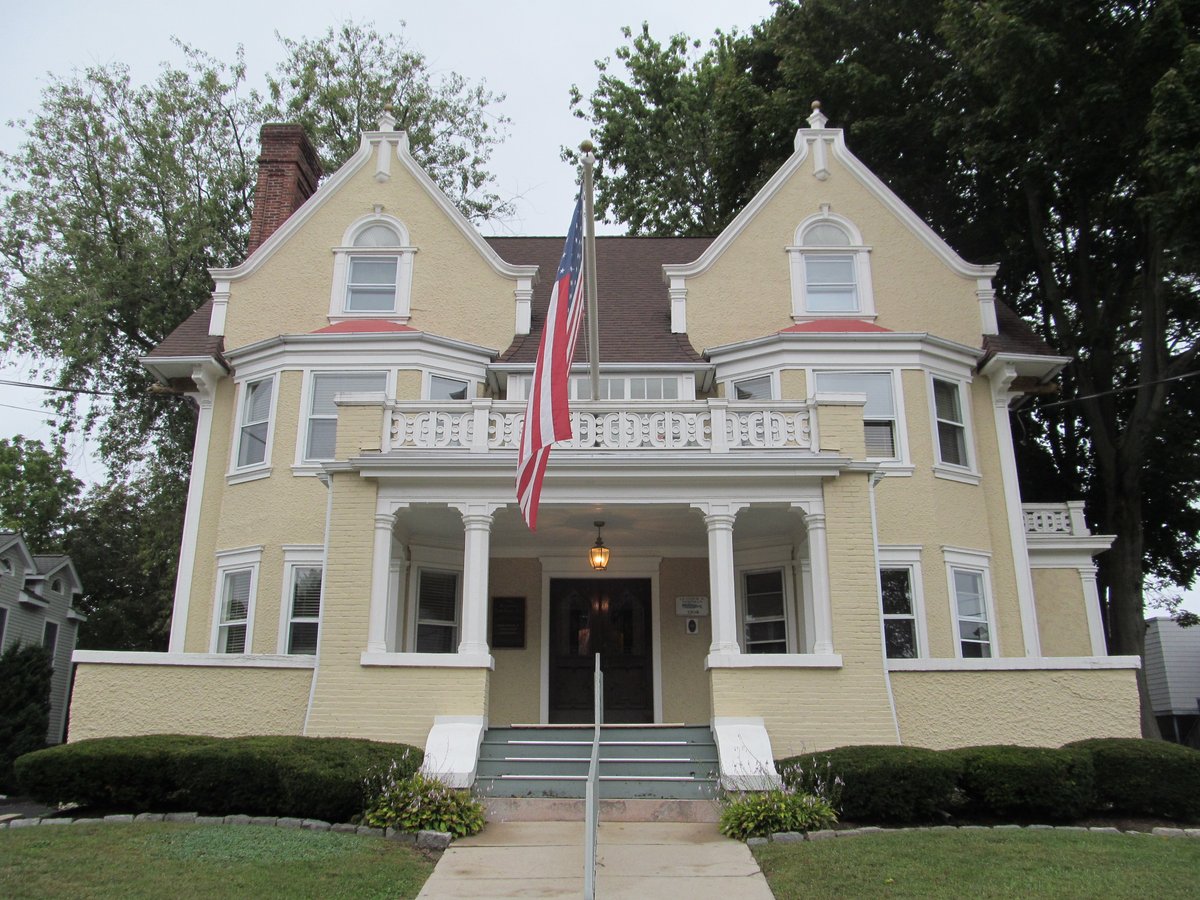
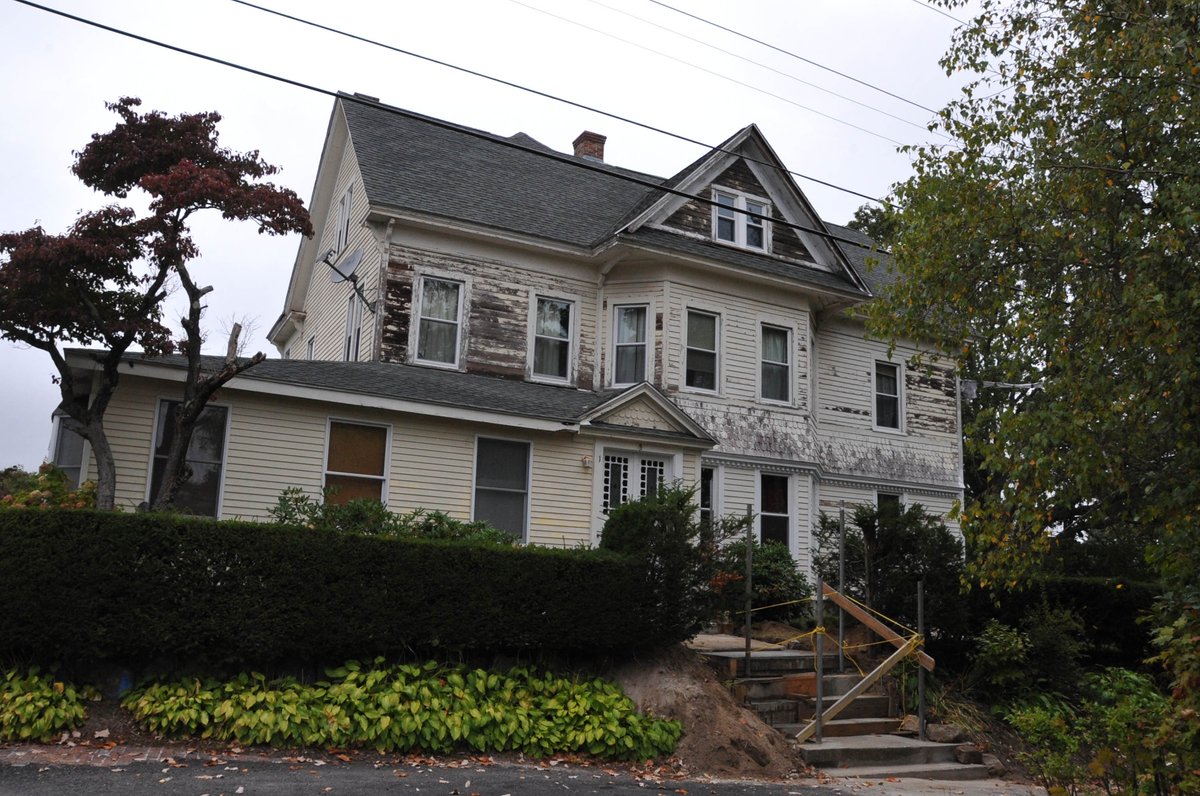
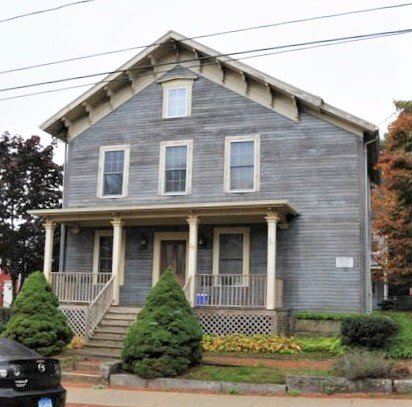
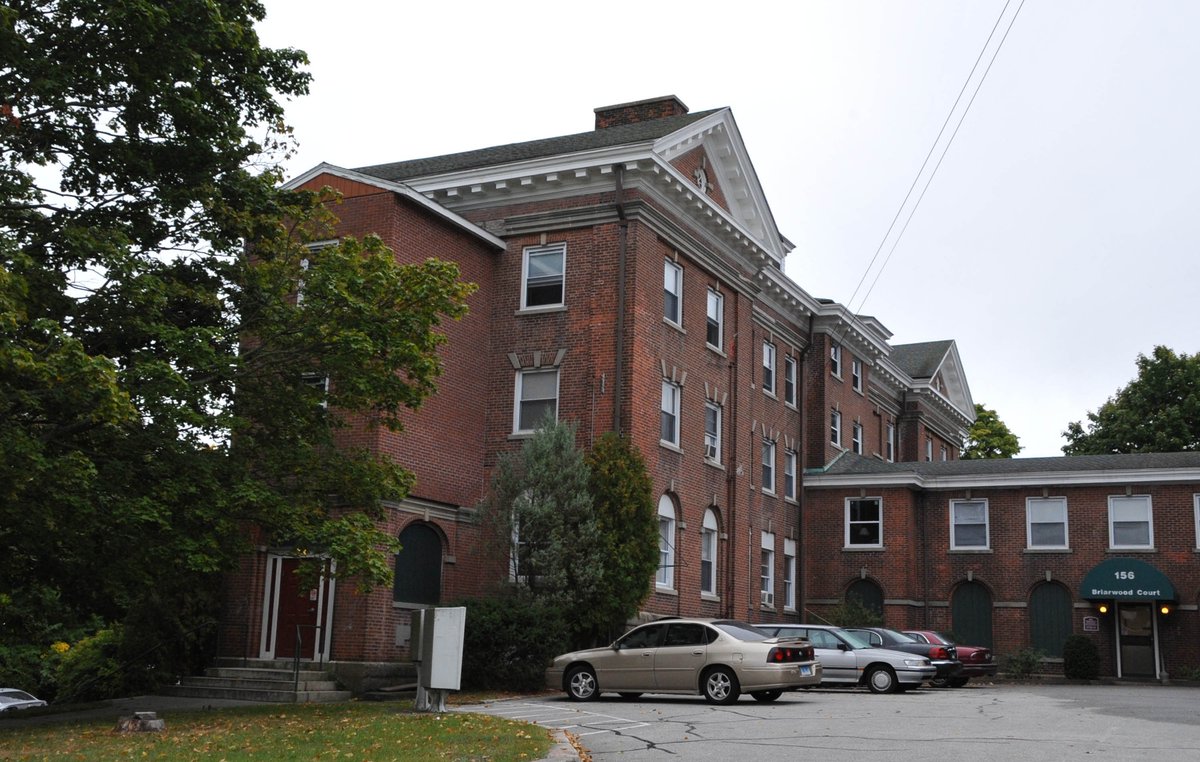
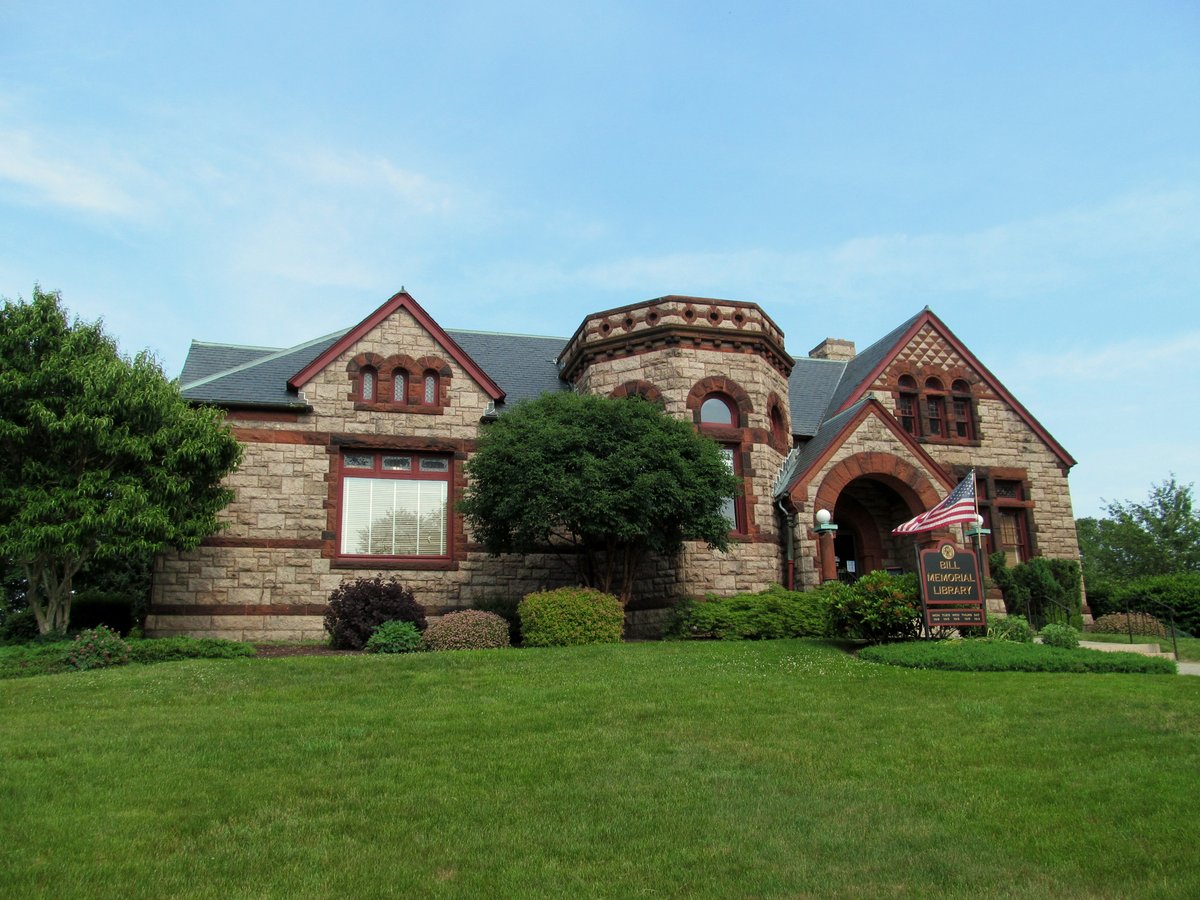
Buildings show off this history of change. 92 contributing buildings remain today, most of which are residential homes from the 19th and early 20th centuries. The John Rogers House stands from 1782, and the Christopher Green House is the only stone house from 1794.
The district covers over a 102 acres (41 ha) area and runs along Old Norwich Road. You can see a Gothic Revival cottage at 97 Old Norwich Road, and a firehouse from 1927 sits nearby too.
Sources: Wikipedia, OpenStreetMap, Wikidata, Wikimedia Commons
Written by Leroy
Discuss this with the author and others
No comments yet. Be the first to start the conversation.