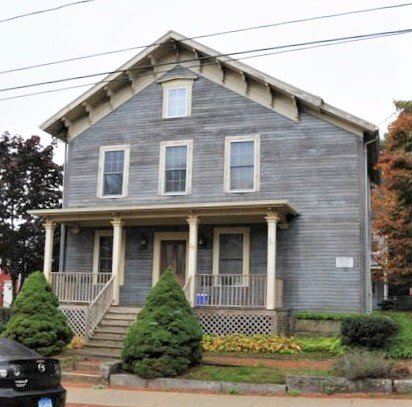

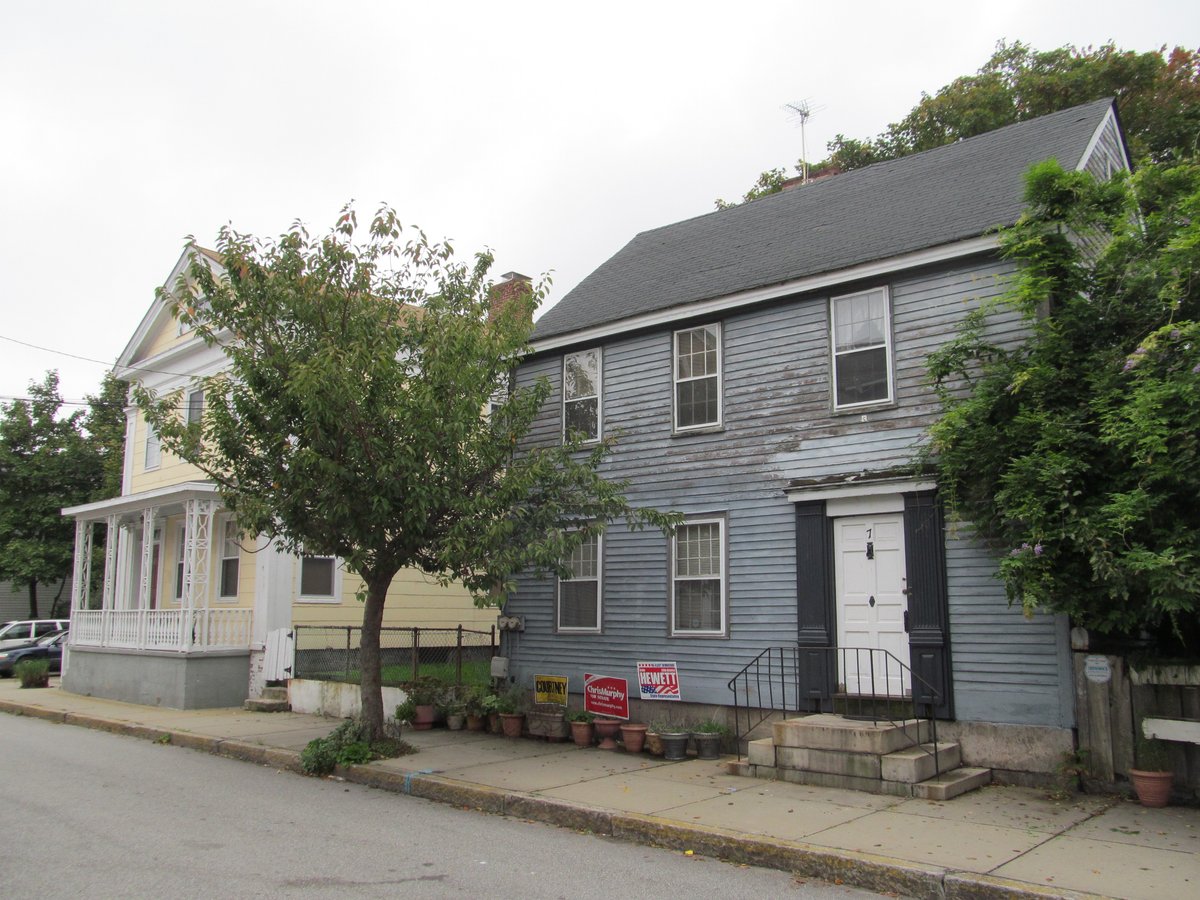
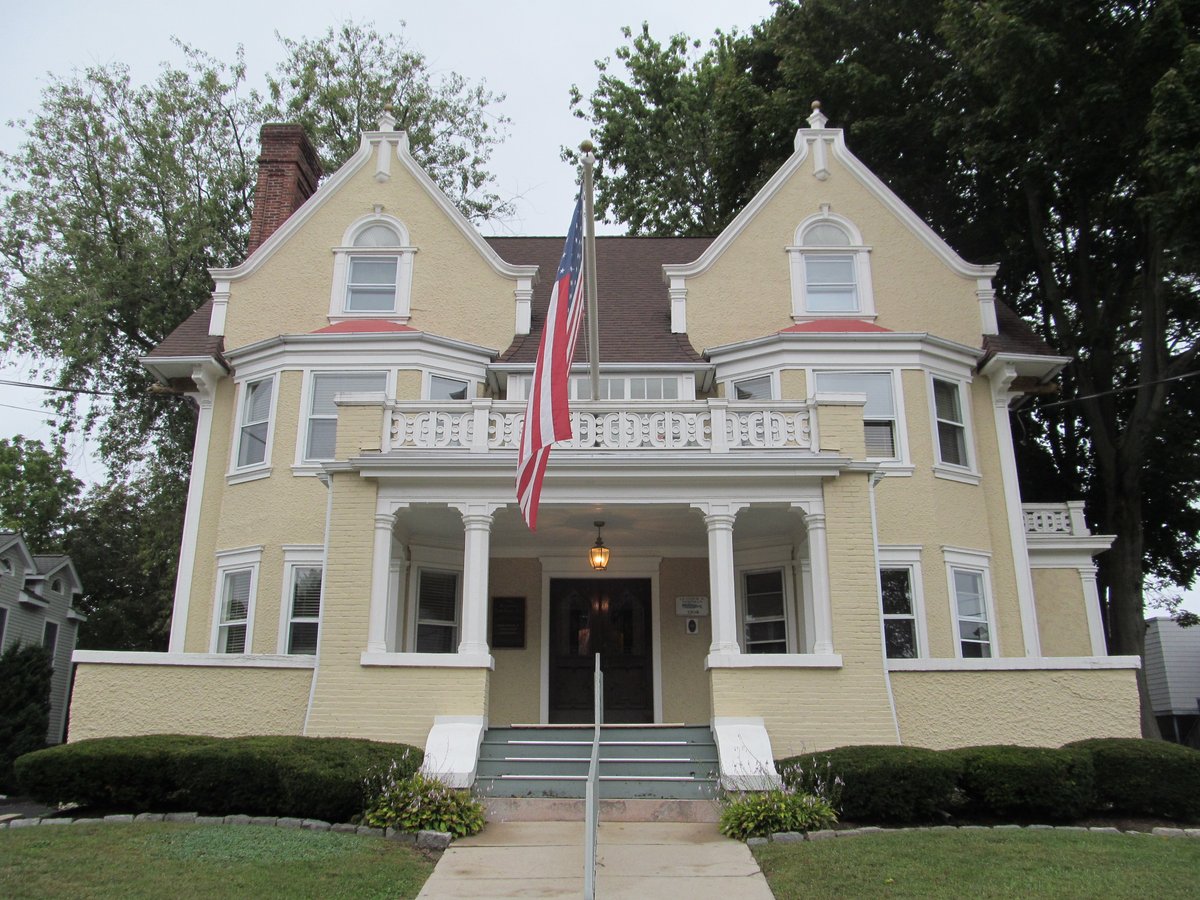
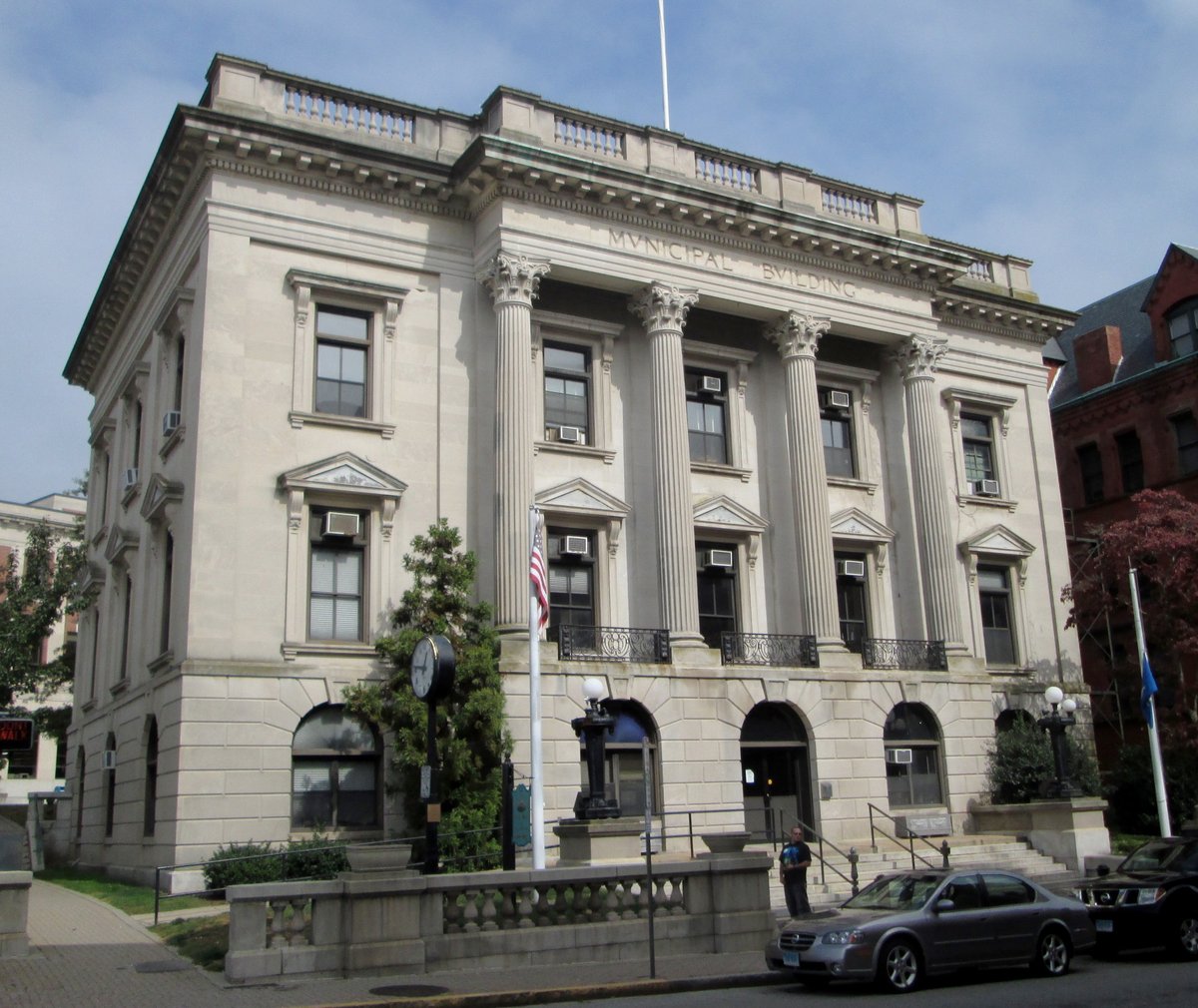
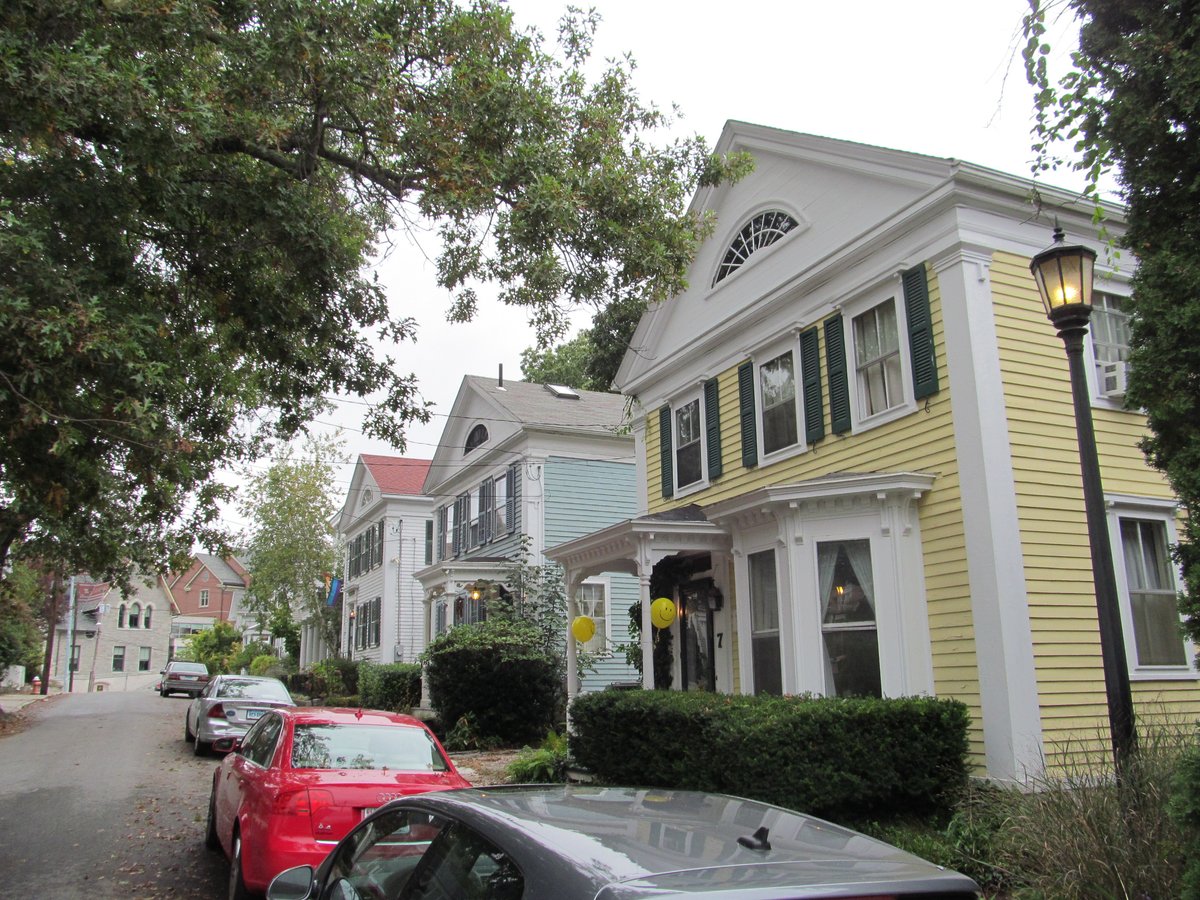
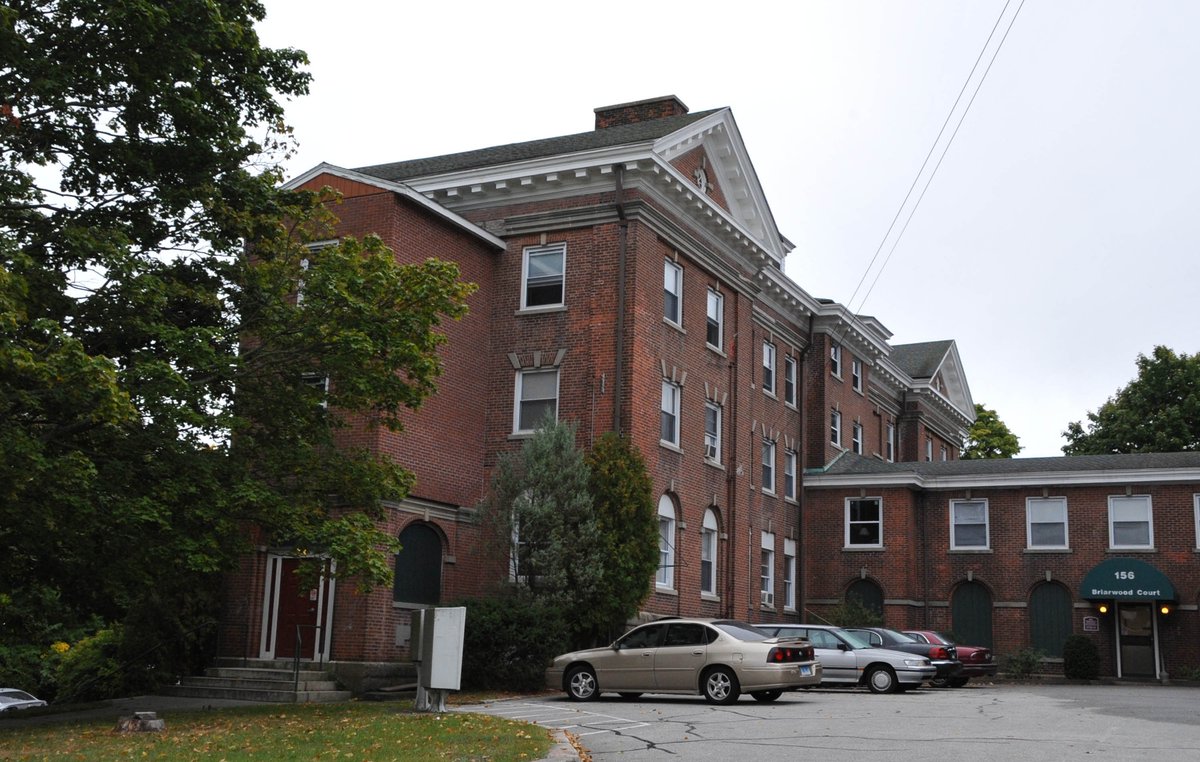
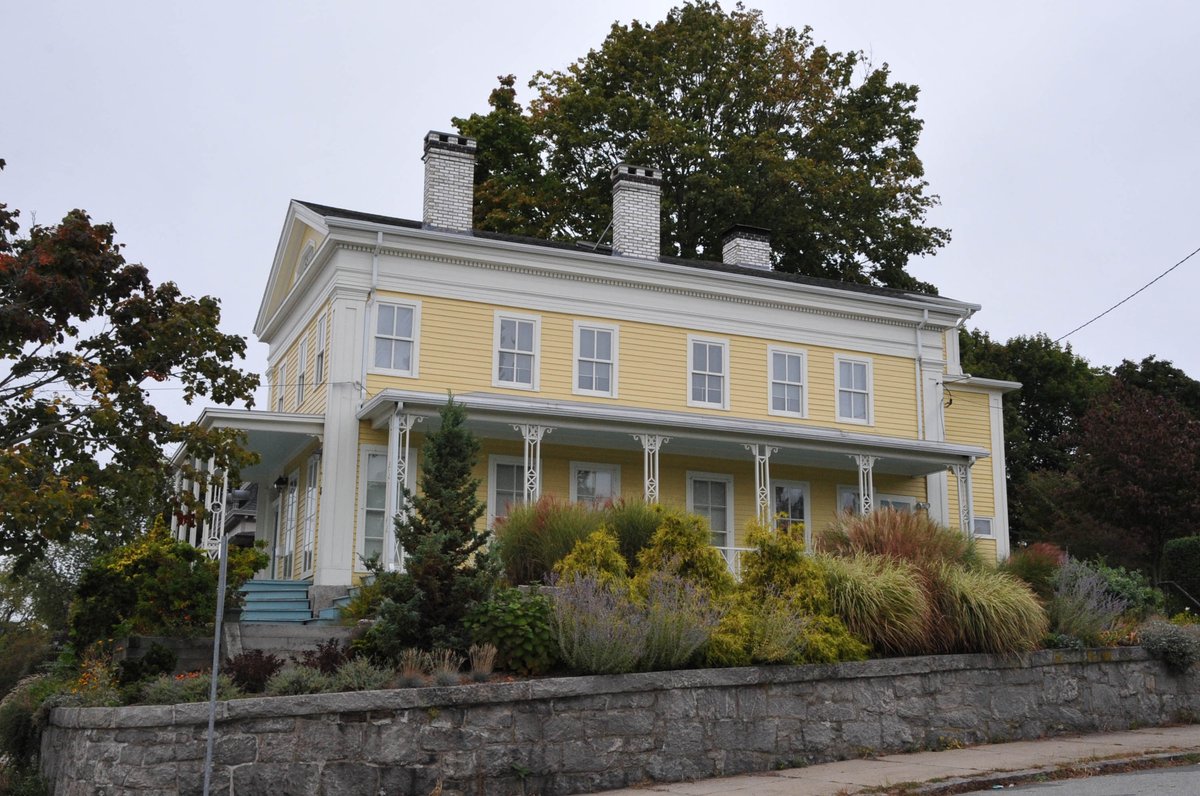
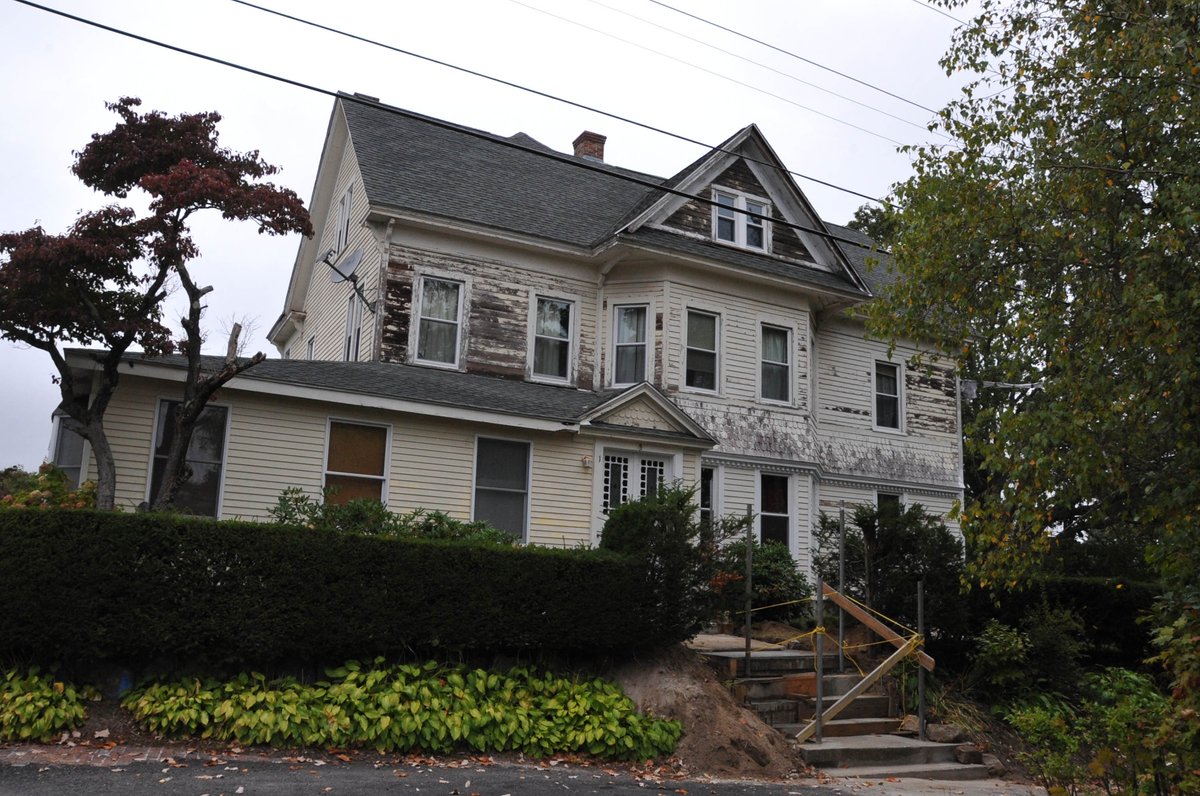
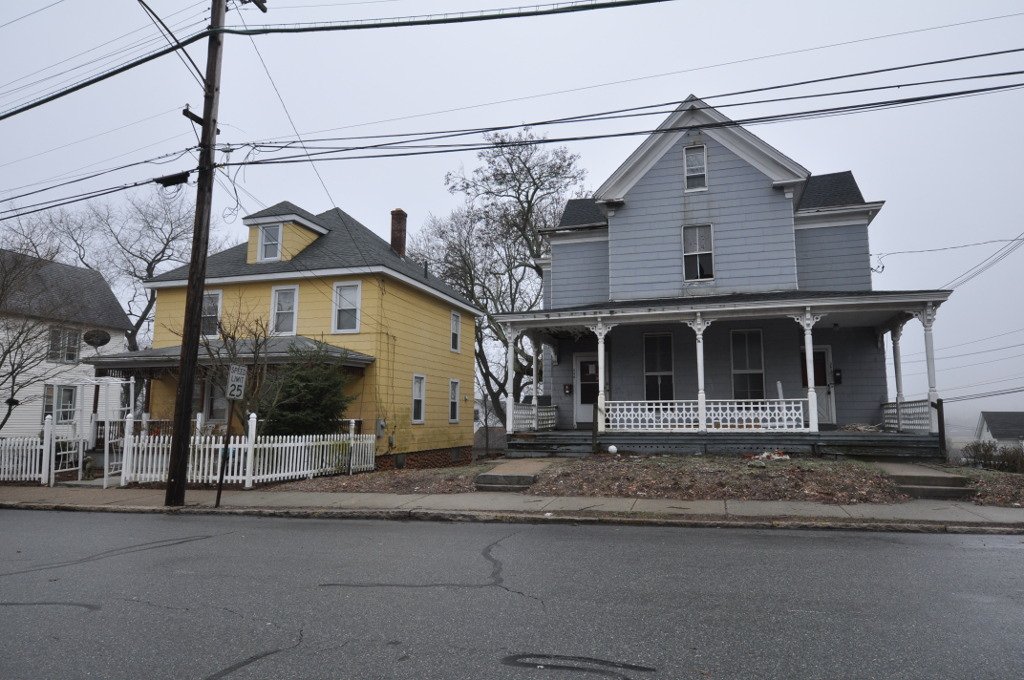
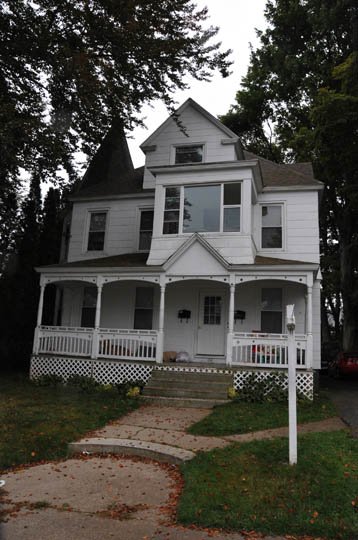
Perched on a steeply sloping hillside in New London, Connecticut, the Hempstead Historic District is a residential area north of the city's harbor and central business district. Settled in the 17th century by Robert Hempstead and Nathaniel Holt, who established farms overlooking Bream Cove, the district features three centuries of architecture. The area is defined by three major north-south roads: Franklin Street, Hempstead Street, and Mountain Avenue.
The district saw significant development begin in the 1840s as the city's economy benefited from the whaling industry, with growth continuing roughly over the next century. Later in the 19th century, industrial activity grew as an economic force with the establishment of light industry. During this period, the area became dominated by a significant free black population.
In 1986, the National Register of Historic Places recognized the district, which contains 142 houses, most of which were built between about 1840 and 1920. Notable non-residential structures include the 1845 Greek Revival New London County Jail, now the Shiloh Baptist Church, and the 1903 Renaissance Revival Saltonstall School.
Visitors can also visit the Joshua Hempstead House, dating to 1678, and the Nathaniel Hempstead House, built in 1759. Both of these historic houses serve as museums open to the public, showcasing the area's transition from a 17th-century farming community to an increasingly urban environment.
Sources: Wikipedia, OpenStreetMap, Wikidata, Wikimedia Commons
Written by Friendly Jane
Discuss this with the author and others
No comments yet. Be the first to start the conversation.