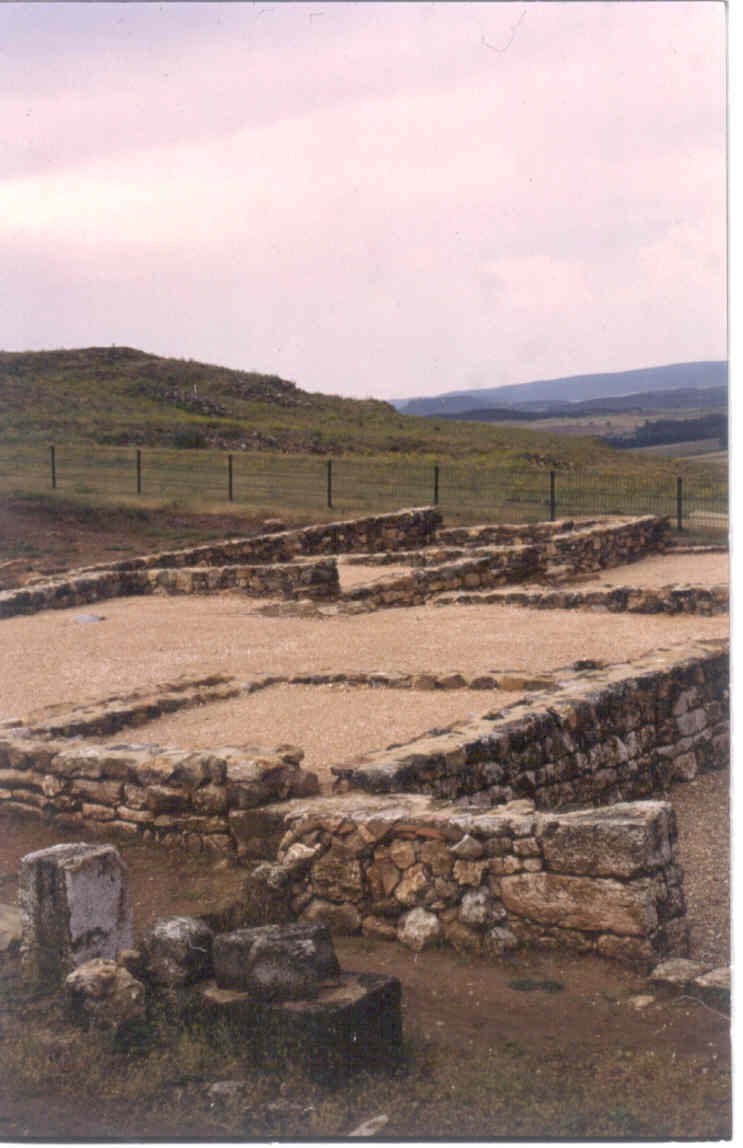

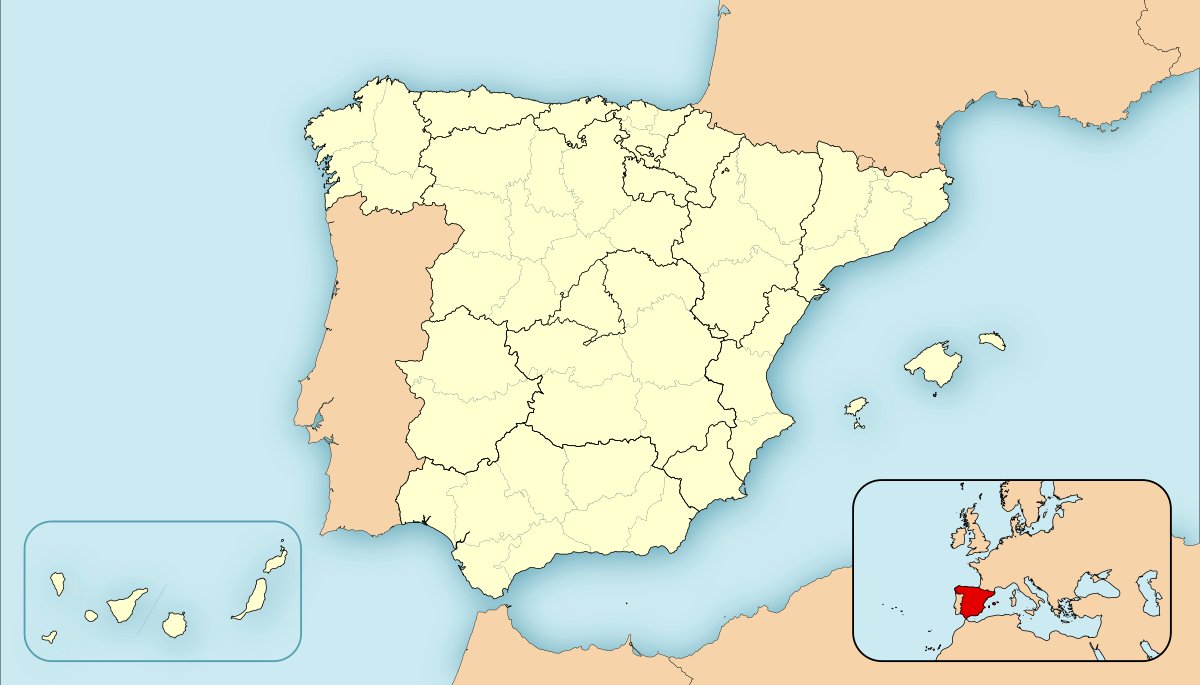
Uxama Argaela was a Celtiberian city located on El Castro hill, overlooking the present town of El Burgo de Osma in Soria, Spain. As one of the cities of the Arevaci, it actively participated in the Celtiberian Wars between 153 and 133 BC. The city was conquered by Rome in 99 BC, but later supported the cause of the Roman rebel Quintus Sertorius. Following this period, it was destroyed by Pompey the Great in 72 BC, although it was rebuilt shortly afterwards.
The settlement eventually became a Municipium and underwent an important monumentalisation process. This transformation included the construction of a small forum, a series of large urban villas, city walls, and an industrial district on the banks of the river Ucero. In the 6th century, during the time of the Visigoths, the bishops attended the Councils of Toledo.
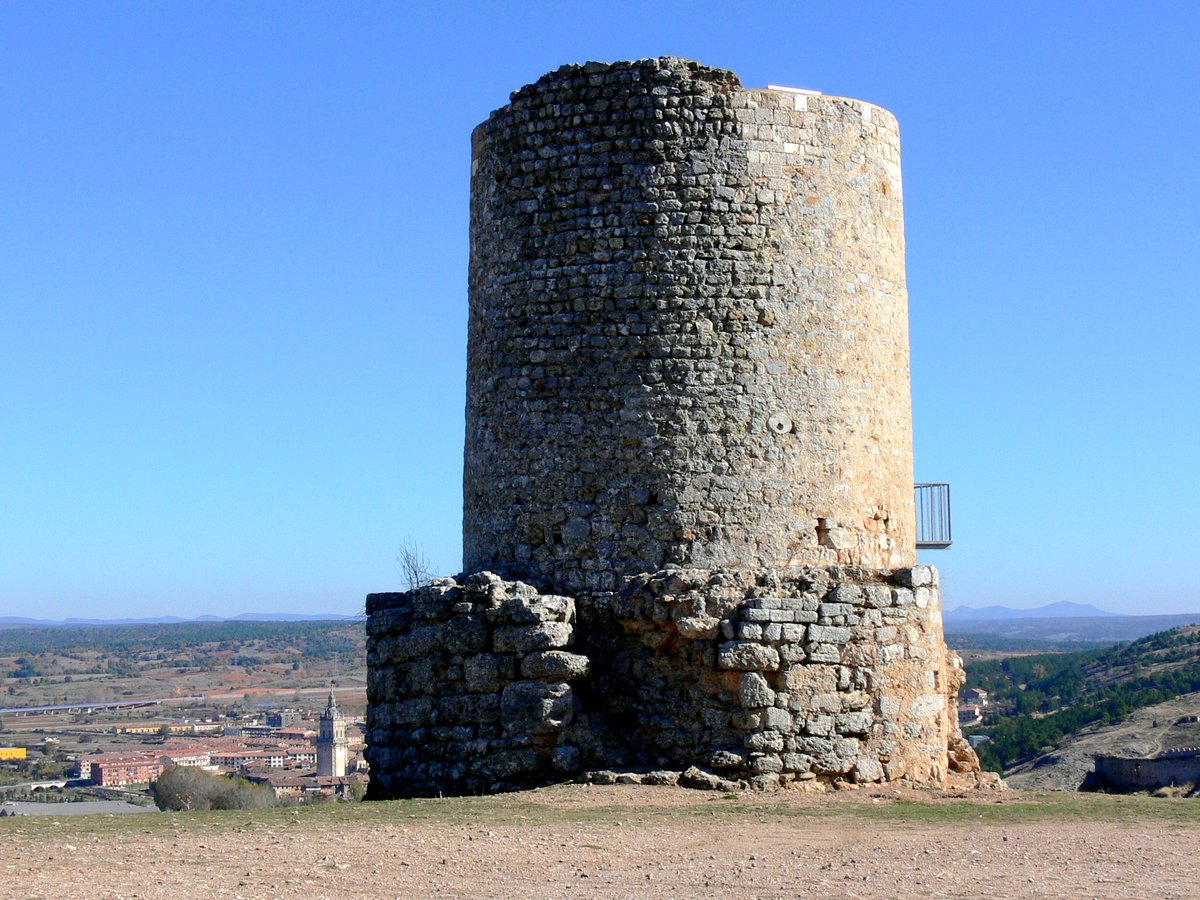
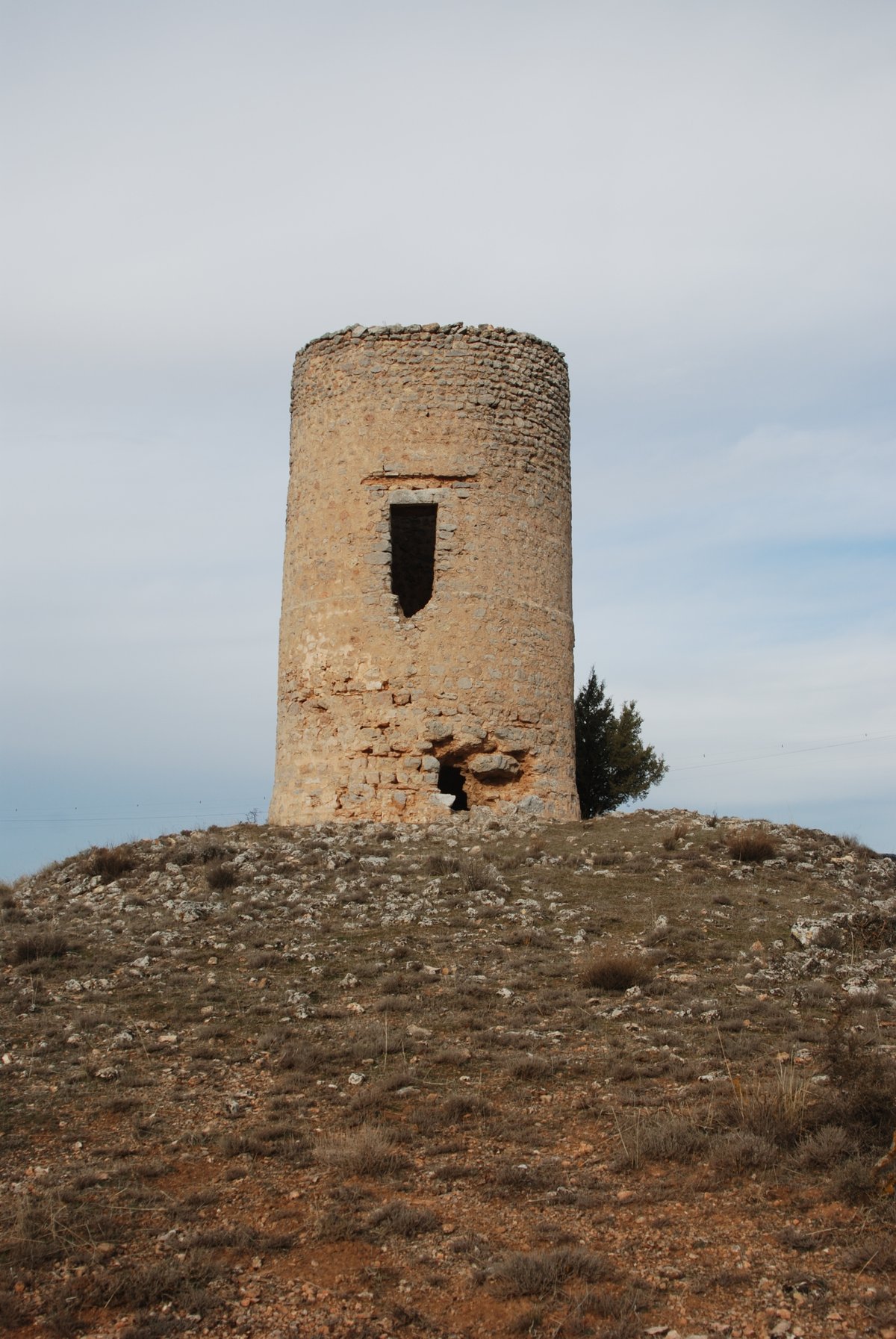
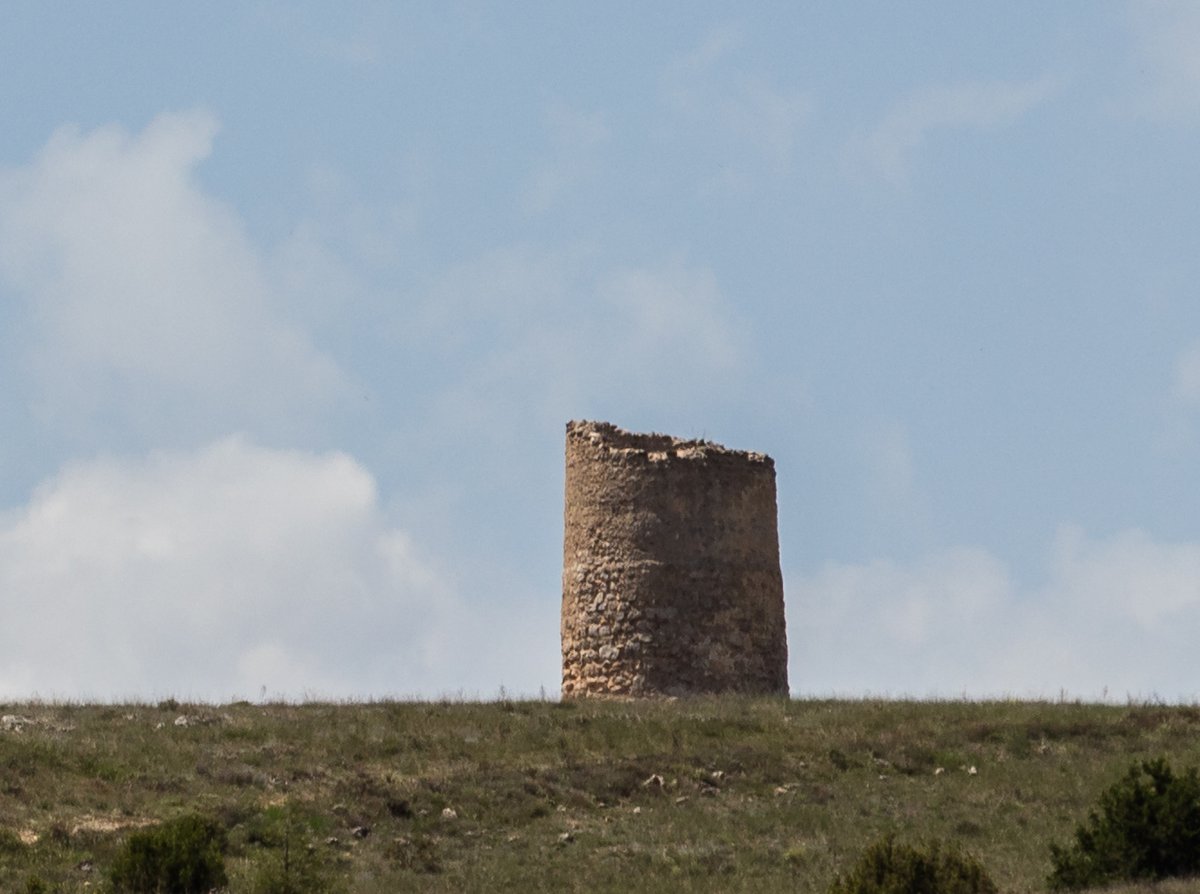
Today, the city covers two plateaus with an area of 28 ha. The walls, protected by rectangular towers, can be seen to the north east and south of the city. Significant monuments include a section of a drain, cisterns, baths, and a basilica with mosaics. Sections of an aqueduct can also be seen cut into tunnels in the solid rock on the edge of the ancient city. In the Portugui vineyards, part of an extensive Celtiberian cemetery has been excavated, revealing incineration graves from the 3rd-2nd century BC.
Every year, a season of summer excavations is conducted in conjunction with the site of Tiermes. A modest museum is located about 2 kilometers from the old fort along the N-122, though it is only open during the summer months. Numerous significant finds, including sculptures, Roman capitals, iron weapons with inscriptions, coins, ceramics, glass objects, and a set of horse bronzes, are displayed in the National Archaeological Museum in Madrid, the Numantine Museum in Soria, and the National Army Museum in Toledo.
Sources: Wikipedia, OpenStreetMap, Wikidata, Wikimedia Commons
Written by Nicolo Ciampini
Discuss this with the author and others
No comments yet. Be the first to start the conversation.