
Monastery of San Bernardino de Siena (Saint Bernardine of Siena) - Convent of San Bernardino de Siena
C. 50 210B, Sisal, 97784 Valladolid, Yuc., Mexico
Magical Towns of Mexico (Pueblo Mágico) - Valladolid Jermaine
 For Browsing
The city was named after the Spanish city of Valladolid, which was the capital at the time. It was founded on May 28, 1543, by Francisco de Montejo, nephew and namesake of the famous Spanish conquistador Francisco de Montejo, with the purpose of establishing Spanish settlers in an area controlled by one of the Maya tribes — the Cupul. The original location of the city was on the site of the settlement Chauac Há, belonging to the Maya Chikinchel tribe, near the coast. Early Spanish settlers complained about an excess of mosquitoes spreading yellow fever and petitioned to move the settlement further inland on the peninsula. On March 24, 1545, Valladolid was relocated to its current location and built on the site of the capital of the Maya Cupul tribe, called ZacÃ, which in the Maya language means "white hawk." The ancient stone structures of the city were dismantled to build houses for the settlers in the Spanish colonial style. The following year, the Maya revolted, but their uprising was suppressed with the help of Spanish troops arriving from Mérida. Subsequently, Valladolid continued to be a center for the development of Spanish colonialism in the eastern part of the Yucatán Peninsula. Now, Valladolid, one of the oldest cities on the peninsula and currently one of the two Magical Towns of Yucatán, enchants in every sense of the word. Its paradoxically quiet yet lively streets are home to historic neighborhoods, houses, museums, cozy small hotels, markets, fountains, shops, ice cream and snack kiosks, parks, and many corners worth visiting. As if that were not enough, the privileged location of this charming town earned it the title "capital of the eastern Maya." Valladolid is situated right in the center, equidistant from the two largest cities on the Yucatán Peninsula, Mérida and Cancún, which are about 160 kilometers apart. Additionally, nearby are the main archaeological wonders of the region: Chichén Itzá, just 45 kilometers away; Tulum, 100 kilometers; Ek’ Balam, 30 kilometers; and Cobá, 35 kilometers.
Jermaine Loading stories…
C. 50 210B, Sisal, 97784 Valladolid, Yuc., Mexico
Magical Towns of Mexico (Pueblo Mágico) - Valladolid Jermaine 
C. 41 16, Centro, 97780 Valladolid, Yuc., Mexico
Magical Towns of Mexico (Pueblo Mágico) - Valladolid Jermaine 
Calle 39 x 34 and 36, C. 39, Sta Ana, 97780 Valladolid, Yuc., Mexico
Magical Towns of Mexico (Pueblo Mágico) - Valladolid Jermaine 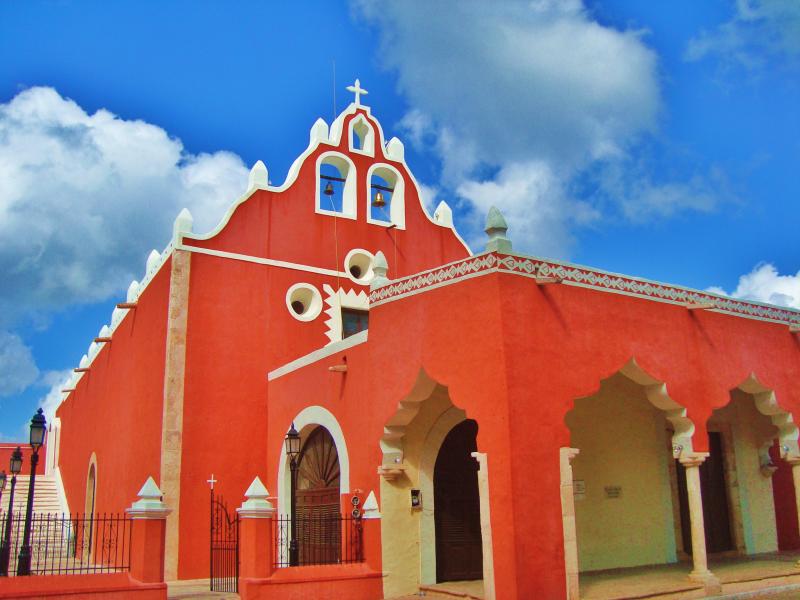
C. 35 205, Candelaria, 97782 Valladolid, Yuc., Mexico
Magical Towns of Mexico (Pueblo Mágico) - Valladolid Jermaine 
97796 San Lazaro, 97796 Uayma, Yuc., Mexico
Magical Towns of Mexico (Pueblo Mágico) - Valladolid Jermaine