Maya Cities of Mexico: Coba
For Browsing
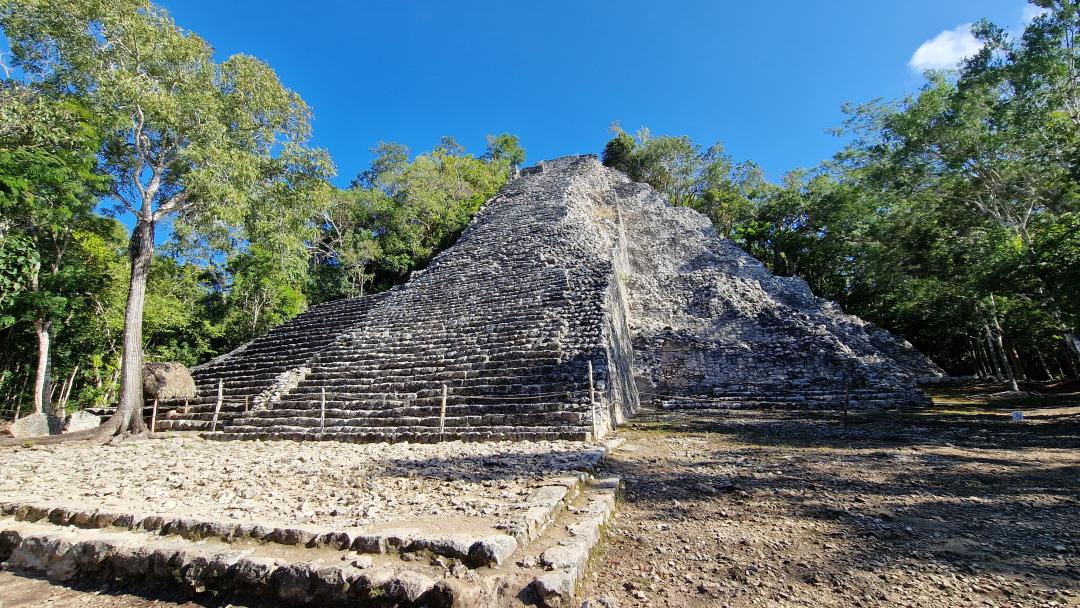
Koba is the oldest center of the Maya civilization, full of its secrets and mysteries, conveniently located 44 kilometers northwest of the coastal Maya city of Tulum. The Maya city of Koba is primarily famous for being situated at the intersection of the "sacbe" road network, which connected Maya kingdoms in the region. Among the city’s ruins, most of which are still hidden beneath the dense jungle canopy, many carved stelae have been discovered, narrating the history of the city and its rulers. The most famous monumental structure in Koba is the Nohoch Mul pyramid, standing 42 meters tall. Koba was founded between 50 BCE and 100 CE. All constructions from this period were made of wood, so archaeological finds include only remnants of clay pottery. After 100 CE, the city experienced rapid development, eventually becoming one of the most important political and religious centers of the Maya civilization in the northern Yucatán Peninsula. Between 200 and 600 CE, much of the Yucatán Peninsula was under Koba’s influence. The ruling dynasty controlled vast areas of cultivated land, managed the road network on the peninsula, and—most importantly for Maya cities—maintained control over freshwater supplies. Koba maintained close contacts with other major Maya cities such as Tikal in Guatemala and Calakmul in Mexico. The powerful Teotihuacan culture had a significant influence on Koba’s civilization. Koba was a major cultural and religious center of antiquity, holding enormous social and political significance. At its peak, the city covered an area of 50 square kilometers. The extensive network of ancient Maya roads, called sacbe, in Koba remains a mystery to this day. There are more than forty such roads, some stretching over a hundred kilometers. The rise of the Puuc culture cities and the founding of Chichen Itza weakened Koba’s influence in the region. For a century—from 900 to 1000 CE—Koba and Chichen Itza competed for hegemonic status in the area. After 1000 CE, Koba lost its political influence but retained its position as an important Maya religious center. Monumental construction continued until 1500. After that, nothing is known about the city’s history. Spanish conquerors who arrived in Koba in 1550 found the city abandoned. The rest remains buried under the lush jungle growth. The great city was abandoned, but its vast road network, tall structures, and large area show that it was one of the most important centers of the Maya civilization. At its height, it may have been home to around 50,000 people. Today, exploring its ruins and climbing one of the tallest pyramids in Yucatán leaves a vivid impression of touching antiquity.
 Jermaine
 Map
Loading stories…

Pyramid of Nohoch Mul or Ixmoja (Nohoch Mul or Ixmoja)
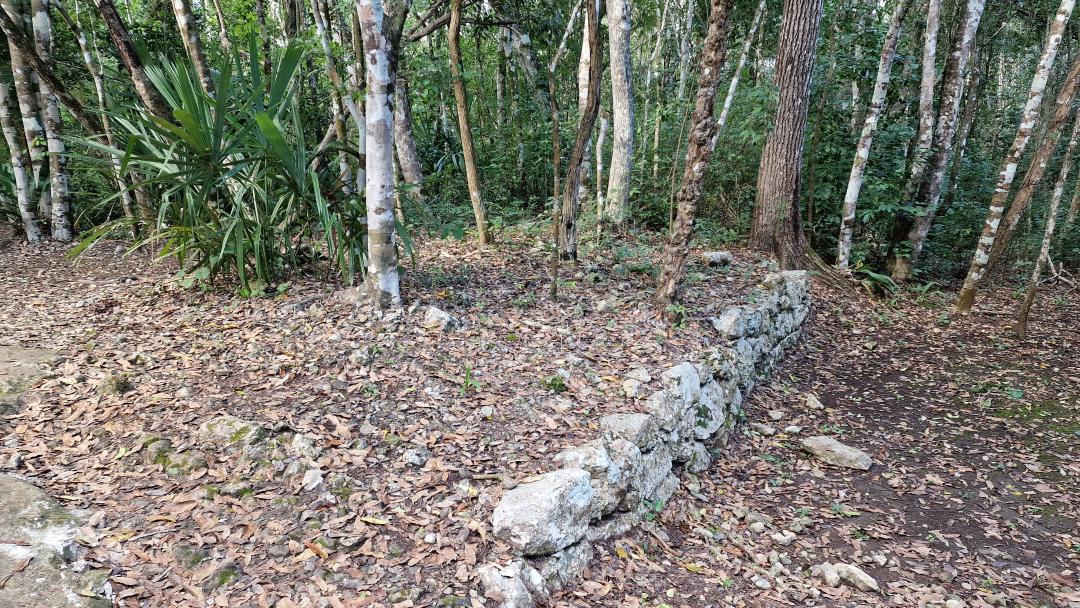
Maya Roads (Sacbe)

Pyramid Church - La Iglesia

Set of Paintings

Ballgame court - Juego de Pelota in Cobá

Perekrestok - Xaibé
