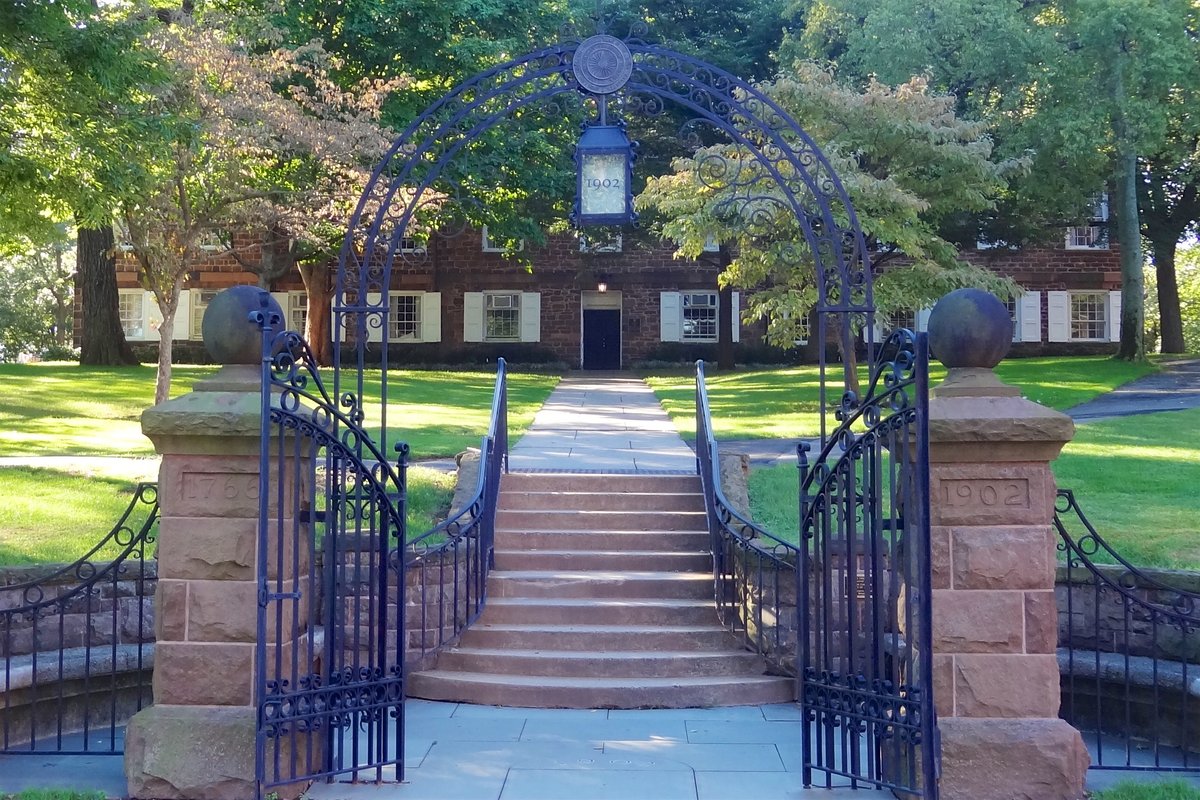
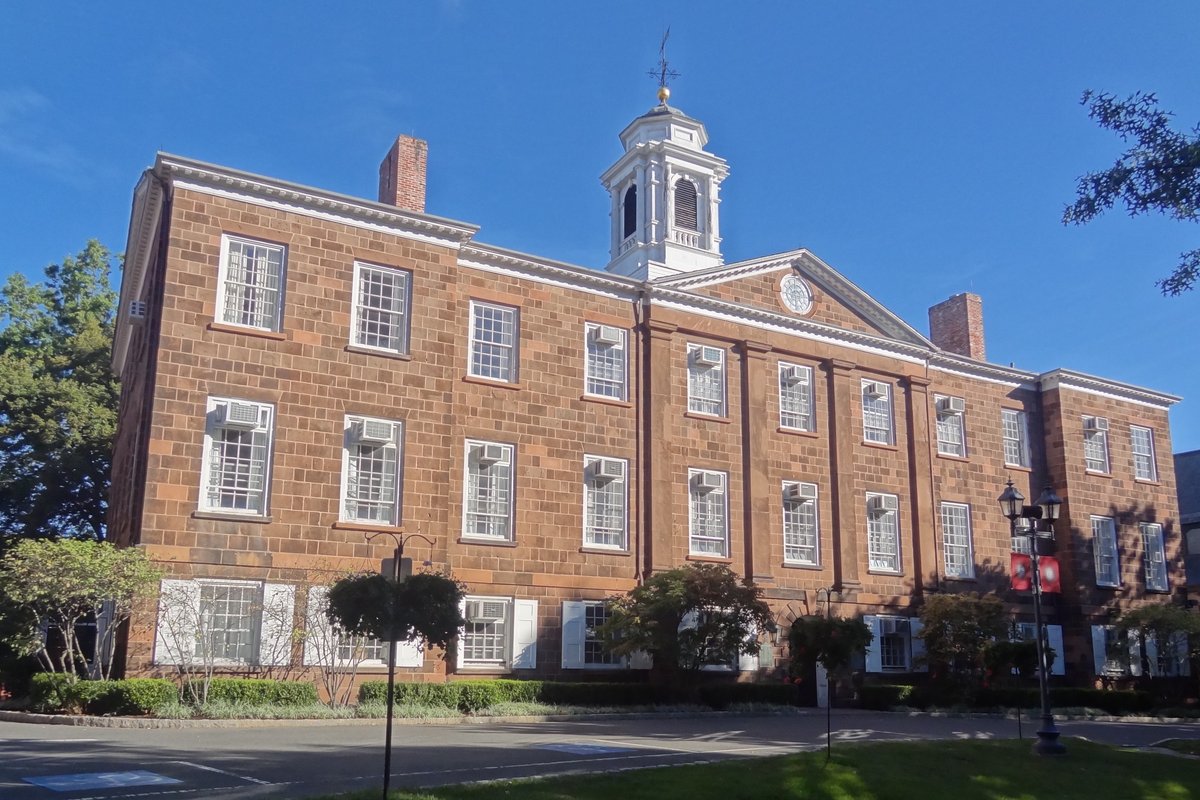
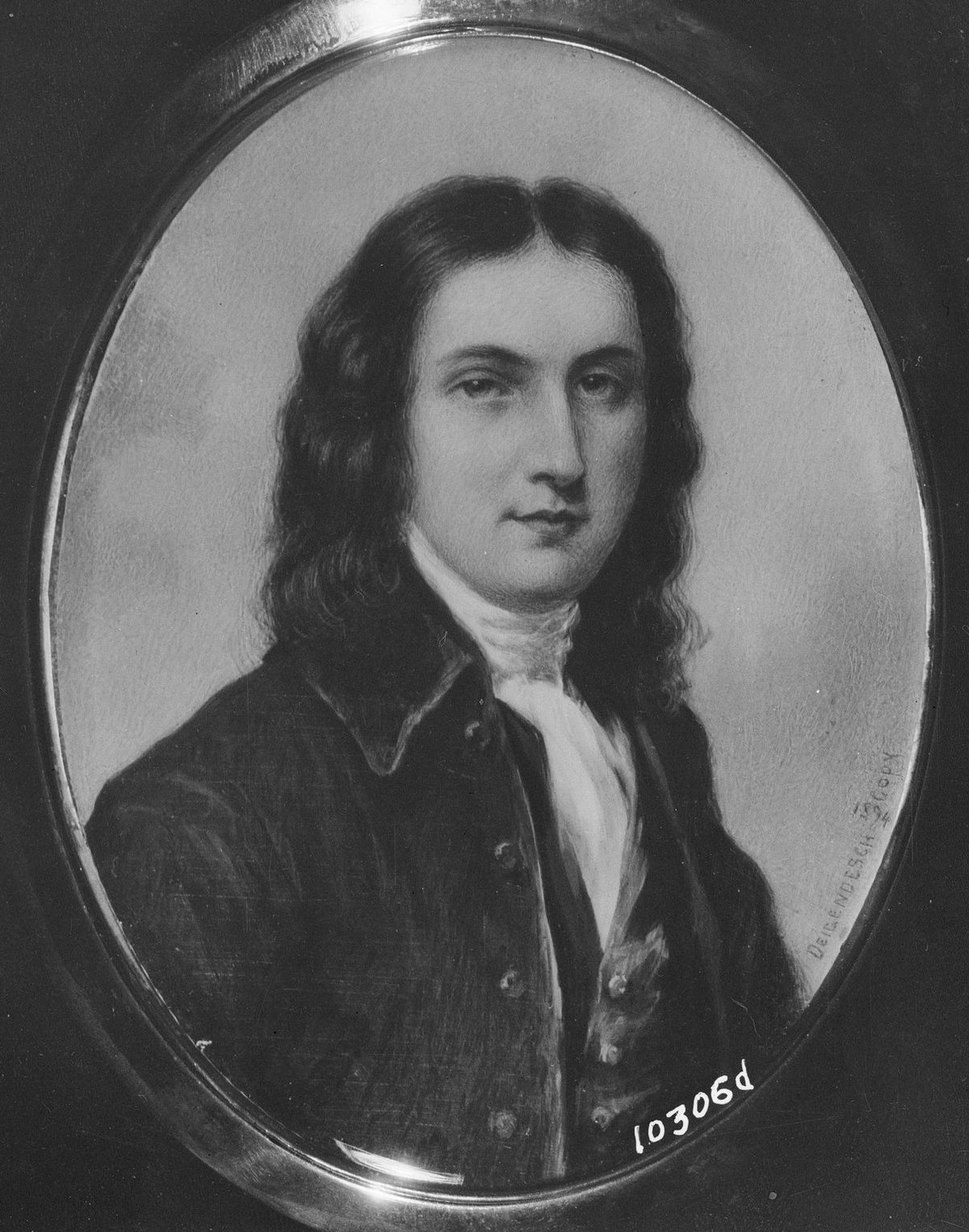
The administrative headquarters of Rutgers University sits on a hill that was once a six-acre apple orchard. In 1807, the heirs of John Parker of Perth Amboy, led by prominent local merchant James Parker, Jr, donated the land to the trustees of Queen's College and its grammar school. The college, which was renamed Rutgers College in 1825, began its construction of the campus with Old Queens, built from 1809 to 1823.
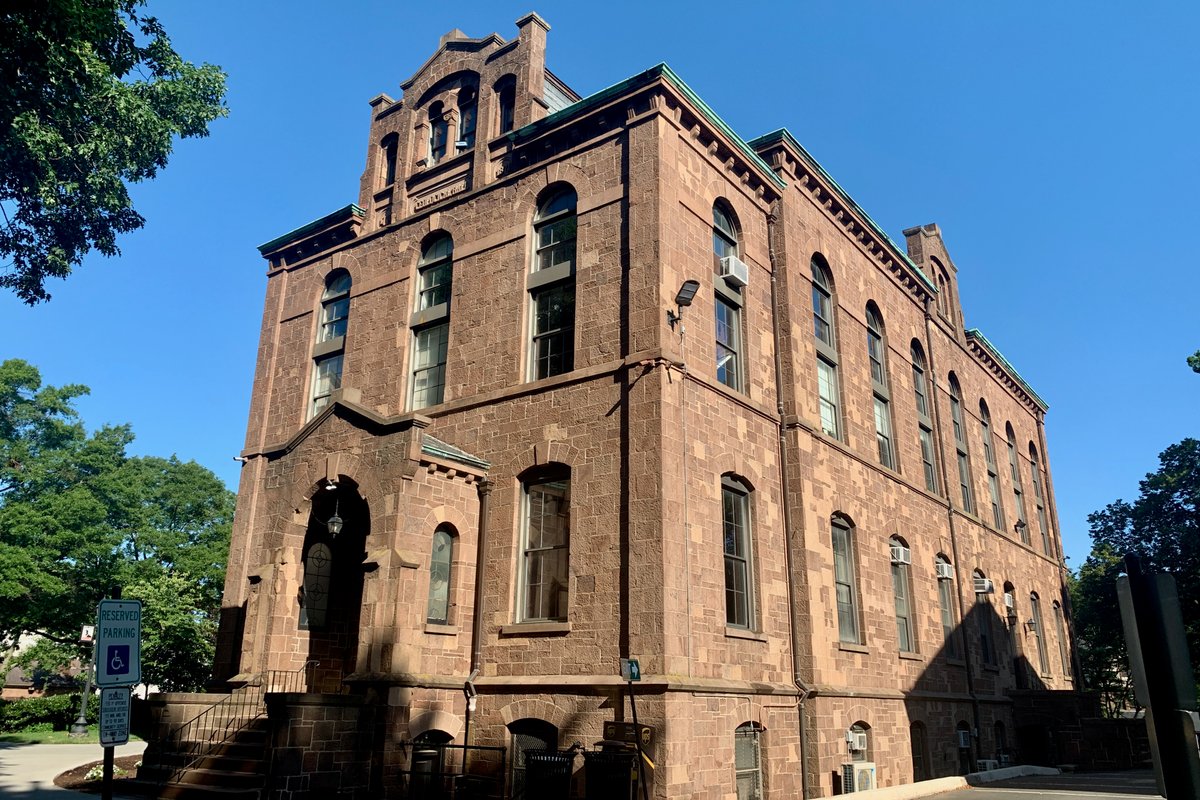
Old Queens served as a multi-purpose facility, providing instruction, student chapel services, and housing for faculty. It also housed the college's grammar school until 1830 and the New Brunswick Theological Seminary until 1856. By the end of the nineteenth century, the campus had grown to seven buildings designed by architects including John McComb, Jr, Nicholas Wyckoff, Williard Smith, Henry Janeway Hardenbergh, and Van Campen Taylor. These structures were erected to accommodate classroom instruction, student activities, faculty offices, chapel, library, and housing.
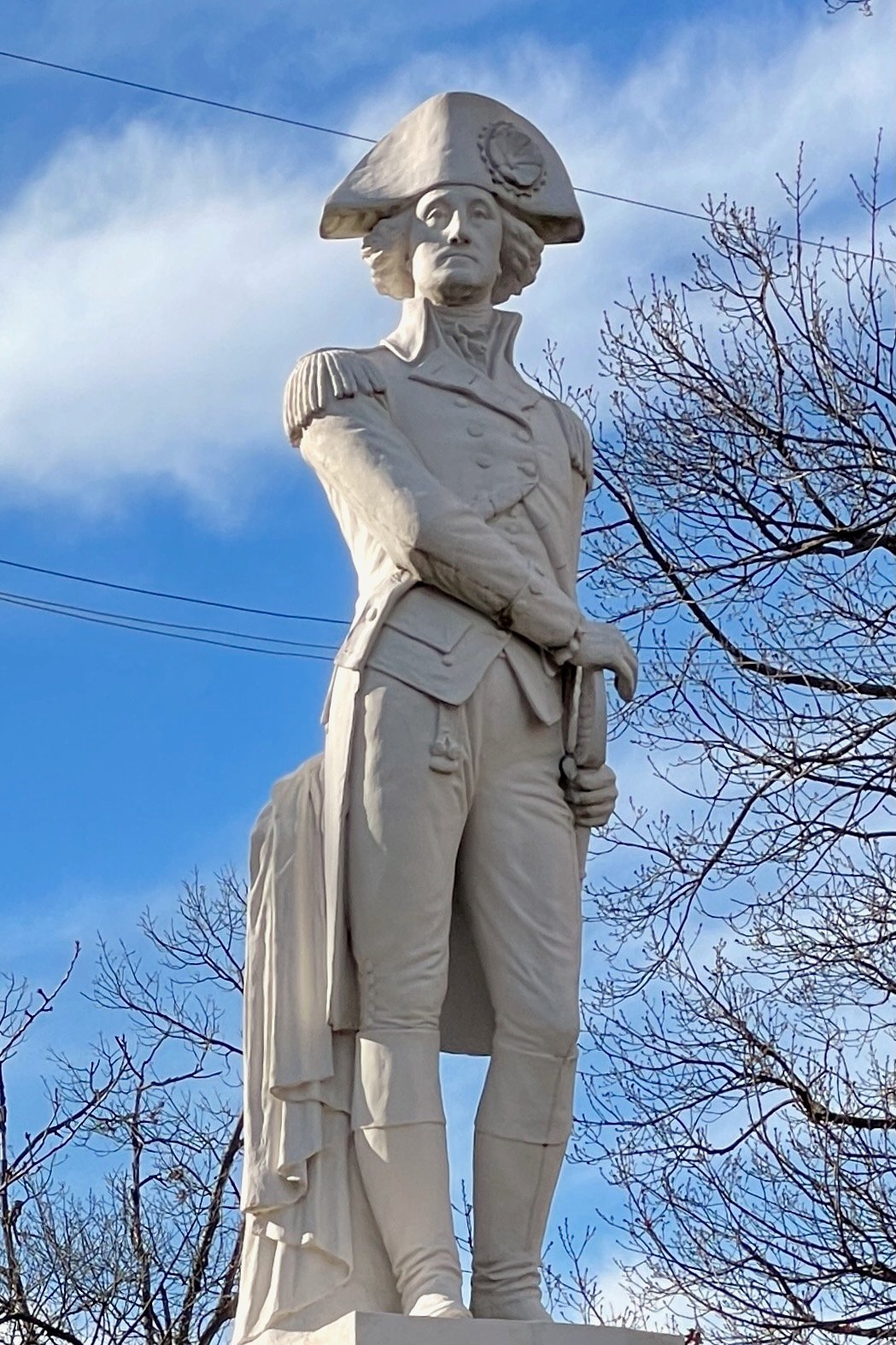
In late November 1776, Alexander Hamilton placed cannons on this hilltop to cover George Washington's retreat. Hamilton commanded sixty men of the New York Provincial Company of Artillery to slow the advance of British forces commanded by Lord Cornwallis. Hamilton's artillery allowed Washington to escape, though British forces occupied New Brunswick for seven months following the engagement. A historic marker erected by the Class of 1899 marks the location of Hamilton's battery next to the chapel.
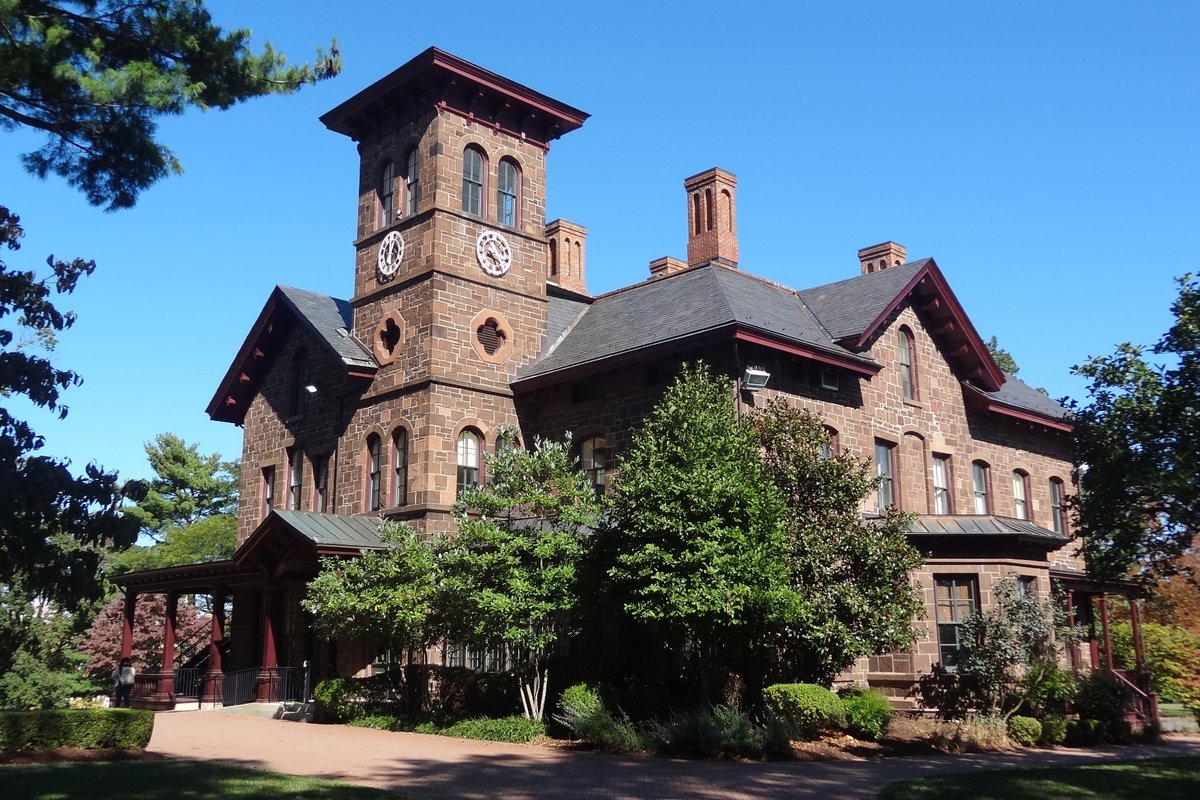
Today, six of the nineteenth-century buildings remain on the Queens Campus, the historic core of the Rutgers University community. These structures house the university's core administrative offices, including the offices of the university's president, as well as a geological museum and the college chapel. The former astronomical observatory remains on site but is no longer used.
Sources: Wikipedia, OpenStreetMap, Wikidata, Wikimedia Commons


Written by Kyle McLonely
Discuss this with the author and others
No comments yet. Be the first to start the conversation.